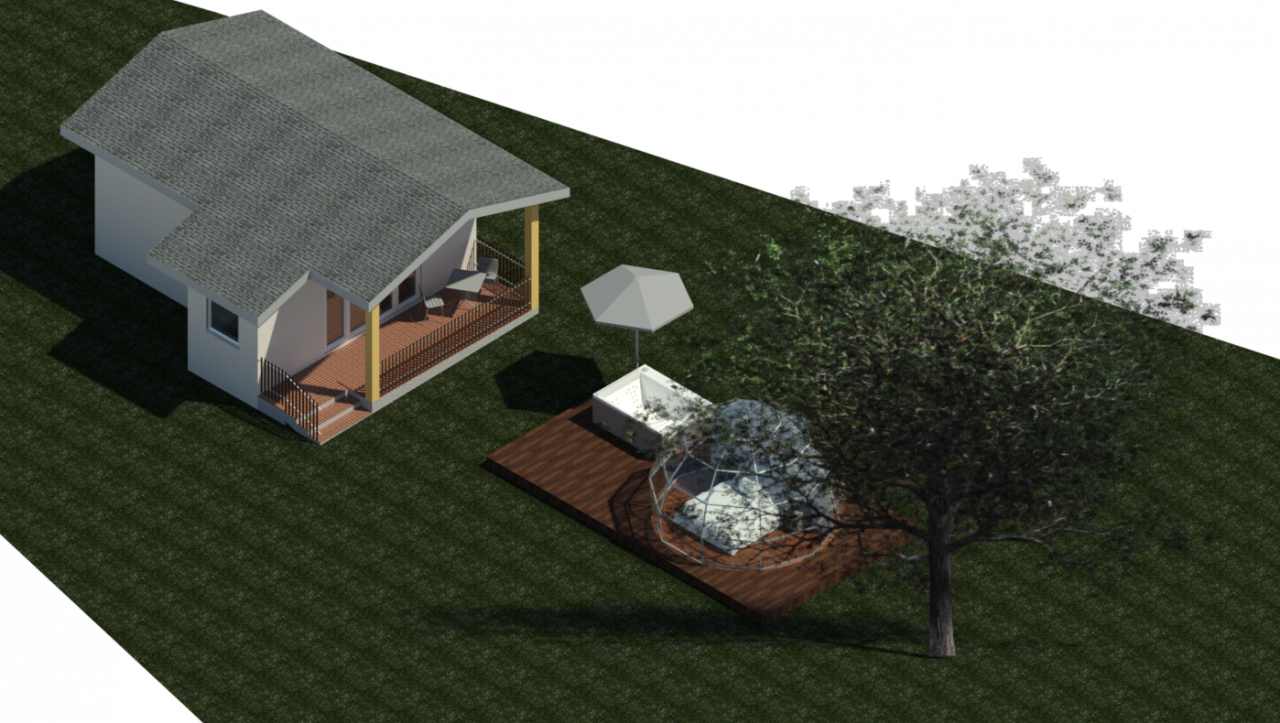
Following the Baton's Footsteps
Basic information
Project Title
Category
Project Description
Current stage development
Geographical Scope
Project Region
Urban or rural issues
Physical or other transformations
EU Programme or fund
Description of the project
Summary
The target group includes history enthusiasts, students, researchers, and tourists looking for unique cultural experiences. By integrating the museum with an existing glamping site—already themed around Baton—the project will create an immersive historical journey where visitors can not only learn about the past but also experience it in a meaningful way.
The specific objectives of the project are:
1. To design and construct an engaging open-air museum showcasing Illyrian history, with a special focus on Baton and the Great Illyrian Revolt.
2. To enhance cultural tourism in Podgora, attracting local and international visitors.
3. To foster educational programs and guided tours that bring Illyrian history to life.
4. To promote sustainable tourism by combining historical storytelling with nature-based experiences.
Expected outcomes include an increased awareness of Bosnia and Herzegovina’s rich Illyrian heritage, a boost in local tourism, and the creation of a sustainable cultural attraction that benefits the region economically and educationally. By blending history, architecture, and nature, this project embodies the spirit of the New European Bauhaus, making the past relevant to modern audiences in a sustainable and engaging way.
Key objectives for sustainability
1. Preserving Local Heritage – By showcasing Illyrian history in its rural context, the project ensures long-term cultural sustainability, strengthening local identity and historical awareness.
2. Eco-Friendly Rural Tourism – The museum is designed as a low-impact, nature-integrated space, complementing an existing eco-glamping site to promote sustainable tourism.
3. Sustainable Construction – Using local and recycled materials, the museum will blend with the natural surroundings while reducing its ecological footprint.
4. Community Involvement – Engaging local artisans, historians, and businesses ensures economic sustainability, creating new job opportunities and strengthening the rural economy.
5. Environmental Conservation – The museum’s outdoor setting preserves the natural landscape, with educational trails promoting biodiversity awareness.
How These Objectives Have Been Met?
- Sustainable tourism model – By integrating with the glamping site, the museum attracts visitors without disrupting the rural ecosystem.
- Eco-friendly design – Traditional wood, stone, and natural materials ensure a minimal environmental impact.
- Community-driven approach – Local stakeholders are involved in the planning, ensuring long-term viability.
- Heritage education – The museum offers interactive exhibits, workshops, and guided tours, making history engaging and accessible.
This project serves as a model for sustainable rural development, demonstrating how cultural heritage can drive eco-tourism while empowering local communities. It aligns with the New European Bauhaus values of sustainability, aesthetics, and inclusivity, creating a lasting cultural and environmental impact.
Key objectives for aesthetics and quality
1. Authentic and Contextual Design – The open-air museum respects Podgora’s natural and historical setting, using stone, wood, and natural fibers inspired by Illyrian architecture.
2. Seamless Integration with Nature – Walking trails, interpretive signage, and open spaces ensure a harmonious connection between history and landscape, enhancing the visitor journey without disrupting the rural charm.
3. Immersive Cultural Engagement – Visitors will experience history, not just observe it. Storytelling spaces, guided tours, and reconstructed artifacts will bring Illyrian heritage to life.
4. Multisensory Experience – Engraved stone markers, ambient Illyrian music, and tactile exhibits will create a rich sensory journey for visitors.
5. Harmonizing with Glamping Hospitality – The museum is complemented by a Baton-themed glamping site, extending the cultural experience through historically inspired overnight stays
How These Objectives Have Been Met?
- Using local, natural materials, the museum reflects Illyrian aesthetics.
- The open-air layout enhances rather than intrudes upon the landscape.
- Guided tours, workshops, and hands-on exhibits create a living history experience.
- The synergy between the museum and glamping site ensures an educational yet enjoyable experience for all visitors.
This project sets a benchmark for cultural tourism, demonstrating how aesthetics, history, and nature can merge into a transformative visitor experience. It embodies New European Bauhaus values, making history beautiful, accessible, and engaging, while promoting sustainable and meaningful tourism.
Key objectives for inclusion
The museum features barrier-free pathways, ensuring accessibility for individuals with reduced mobility.
Audio guides, tactile models, and multilingual content will enhance the experience for visually and hearing-impaired visitors.
Entry will be free or low-cost, making cultural heritage available to all.
Educational programs, school visits, and workshops will involve the local community.
The project actively includes local stakeholders—historians, artisans, and tourism operators—to ensure diverse perspectives.
Community forums and feedback sessions will allow residents to shape the museum’s development.
The museum highlights Illyrian history, making it accessible to regional and international audiences.
Content will be available in multiple languages, fostering inclusivity.
The project connects rural heritage with modern tourism, promoting sustainable cultural tourism.
By integrating history, education, and tourism, it revitalizes rural identity while fostering international cultural exchange.
This project sets a benchmark for inclusive cultural tourism, ensuring heritage belongs to everyone. By making history physically, financially, and socially accessible, it embodies the New European Bauhaus vision of an inclusive and connected society.
How Citizens benefit
Local historians and educators have contributed to researching and curating historical content, ensuring the museum accurately represents Baton the Daesitiate’s legacy.
The museum’s design was shaped through public consultations, where locals provided insights on sustainable materials and historically inspired aesthetics.
Schools and universities are engaged through interactive workshops, guided tours, and hands-on learning experiences, making history accessible to younger generations.
By linking the museum with the existing glamping site, the project creates new job opportunities in tourism, hospitality, and cultural preservation. Local businesses benefit from increased visitor traffic, boosting the rural economy.
Physical or other transformations
Innovative character
1. Fusion of Heritage and Sustainable Tourism – Unlike mainstream museums, this project integrates historical interpretation with an eco-tourism experience, linking the museum with a glamping site for an interactive, nature-immersed visit.
2. Community-Led Co-Creation – Instead of relying solely on academic research, the project incorporates oral histories, local craftsmanship, and participatory design, fostering a sense of ownership among residents.
3. Multisensory and Digital Engagement – Visitors will experience tactile replicas, audio narratives, and AR-enhanced storytelling, making history accessible and engaging beyond traditional exhibits.
4. Sustainable and Inclusive Design – The museum is open-access, barrier-free, and environmentally integrated, offering an affordable and educational experience for all.
Disciplines/knowledge reflected
Historians and archaeologists ensured the museum’s accuracy and authenticity, providing research on Baton the Daesitiate and Illyrian heritage.
Architects and designers developed a museum that is aesthetically in harmony with the natural and historical setting, using sustainable materials inspired by Illyrian architecture. Landscape designers ensured that the open-air layout blended seamlessly with the rural environment.
Tourism experts helped design visitor-friendly experiences, linking the museum with the existing glamping site for a holistic cultural tourism offer.
Interdisciplinary Collaboration and Added Value:
• Holistic Project Design – Each discipline contributed expertise, creating a culturally rich, visually appealing, and ecologically responsible museum.
• Sustainable Tourism Model: By combining history, architecture, and tourism, the project generates economic benefits while preserving heritage.
• Enhanced Visitor Experience – The fusion of academic research, interactive design, and storytelling ensures an immersive and educational journey.
• Community Ownership – Collaboration between experts and residents fosters a stronger sense of belonging and cultural pride.
Methodology used
The design phase prioritizes sustainability, with architects and environmental experts selecting eco-friendly materials that blend seamlessly with the natural surroundings. The museum is conceived as an open-air space, integrating interactive exhibits that allow visitors to engage with history through tactile replicas, audio storytelling, and digital enhancements like AR and VR. Accessibility is a key focus, ensuring barrier-free pathways and multilingual content for an inclusive visitor experience.
Implementation follows a structured process, beginning with community engagement and historical research, followed by the construction of exhibition spaces that align with heritage preservation and environmental responsibility. The museum is then integrated into the region’s tourism ecosystem, connecting with the existing glamping site to create a unique cultural and experiential offering. Educational programs are introduced to attract schools, researchers, and history enthusiasts, fostering a deeper appreciation for Illyrian heritage.
To ensure long-term sustainability, the project incorporates continuous feedback mechanisms where visitors, locals, and experts contribute to its evolution. This adaptive strategy allows the museum to grow over time while remaining rooted in the collective memory and identity of the region. By merging history, tourism, and sustainability, the project establishes a new model for rural heritage revitalization, setting an example of how local communities can take ownership of their cultural legacy.
How stakeholders are engaged
Local Level – Residents, historians, and artisans contributed to content creation, storytelling, and artifact reconstruction, ensuring authenticity. Local businesses and tourism operators benefit from increased visitor traffic, creating economic opportunities.
Regional Level – Cultural organizations and NGOs support heritage education and sustainable tourism initiatives. Schools and universities participate in workshops and research, fostering academic engagement.
National Level – Government institutions and heritage bodies provide guidance, funding, and policy support, ensuring alignment with national cultural preservation strategies.
European Level – Collaboration with EU cultural networks and tourism initiatives enhances visibility, funding opportunities, and knowledge exchange, positioning the project as a model for inclusive rural heritage conservation.
Added Value:
- Expertise and credibility from historians and institutions ensure quality.
- Economic impact through local and regional partnerships.
- International recognition strengthens sustainability and replicability across Europe.
Global challenges
One of the most pressing global issues is rural depopulation and economic decline. Many small villages across Europe, including Podgora, face a loss of younger generations due to a lack of opportunities. This project counters that trend by transforming the village into a cultural and eco-tourism hub, creating new jobs, attracting visitors, and encouraging locals to take pride in their heritage. By integrating historical storytelling with sustainable tourism, it offers a replicable model for revitalizing rural economies without harming the environment.
The project also addresses the risk of cultural heritage loss, a challenge faced by many small communities whose histories are often overlooked. Rather than preserving history in traditional, static museums, this initiative brings Illyrian heritage to life in an interactive and accessible way, making history relevant to modern audiences. The use of community-led storytelling and digital engagement that the historical legacy of Baton the Daesitiate is not only remembered but actively experienced and shared.
The open-air museum, built with sustainable materials and minimal environmental impact, demonstrates how cultural tourism can exist in harmony with nature.
Finally, the project provides a solution to social exclusion by ensuring accessibility and affordability for all visitors, regardless of background or ability. It creates an inclusive space where locals, tourists, scholars, and school groups can interact and learn together, fostering a sense of shared cultural identity and belonging.
Learning transferred to other parties
Next steps
The project will move through several key phases to further develop, promote, and implement the concept. The focus will be on finalizing infrastructure, enhancing visitor experiences, strengthening partnerships, and launching promotional activities.<br />
The first step will be completing the design and construction of the open-air museum, ensuring that it is aligned with historical accuracy and sustainability principles. This includes installing exhibit elements, developing interactive storytelling components, and integrating digital enhancements such as AR/VR content. <br />
To ensure long-term sustainability, the project will also focus on strengthening community involvement and stakeholder engagement. <br />
By the end of the first year, an official launch event will be held to introduce the museum to the public, featuring guided tours, educational activities, and community celebrations. Feedback from early visitors and stakeholders will be gathered to continuously refine and enhance the project.<br />
Through these strategic steps, the project will establish itself as a sustainable and dynamic cultural destination, ensuring both its long-term success and its role as a model for rural heritage revitalization in Europe.