EPIC-CP
Basic information
Project Title
Full project title
Project Description
Current stage development
Project Region
Municipality
EU Programme or fund
Description of the project
Summary
Since 1995, the CCCP has managed school and extracurricular services, adding infrastructure investments in 2007. However, no structured school project or significant building investments were undertaken. Declining enrollment due to fewer residents, stabilizing between 2019 and 2022, now requires a new organizational structure to sustain local education across all concerned municipalities.
In this context, the EPIC-CP project emerged from broad consultation, aims to consolidate four schools into one modern complex. A study, funded by the Banque des Territoires and conducted by a specialized consultancy, revealed that renovating the old buildings would be too costly and restrictive. Thus, local officials decided to build a new facility, certified PassivHaus, to provide modern learning conditions and access to innovative teaching methods for the youth of Les Collines du Perche.
From the start of the 2020-2026 mandate, local authorities engaged in a collaborative reflection process with teachers and parents to shape the school of the future, considering both demographic decline and the ambition for active, sustainable local development.
Additionally, on November 30, 2020, the Communauté de Communes signed a “Rurality” agreement with the French State. This agreement defines mutual commitments to safeguard education services, acknowledging both the decline in population and the need for student mobility solutions.
Key objectives for sustainability
To this end, the use of innovative bio-based materials in construction will be set at level 3. Additionally, while adhering to the principles of the New European Bauhaus (NEB) initiative, the CCCP intends to design the project to obtain the PassivHaus certification for educational .
As the contracting authority, the CCCP also seeks to explore the strategic use of geothermal energy in line with future environmental objectives and renewable energy development. These goals should meet the funding criteria of the French Environment Agency (ADEME)
To ensure land and energy use efficiency, the facility could have two stories and feature a green and cooling courtyard.
Furthermore, accessibility and mobility in rural areas remain major challenges. To address this, the project includes the creation of a dedicated greenway between Mondoubleau and Cormenon, facilitating safe, sustainable transport for students and promoting soft mobility in an area where car dependency is the norm. The integration of this greenway into the project underscores its commitment to sustainability beyond the school walls, encouraging eco-friendly travel while ensuring accessibility for all.
Key objectives for aesthetics and quality
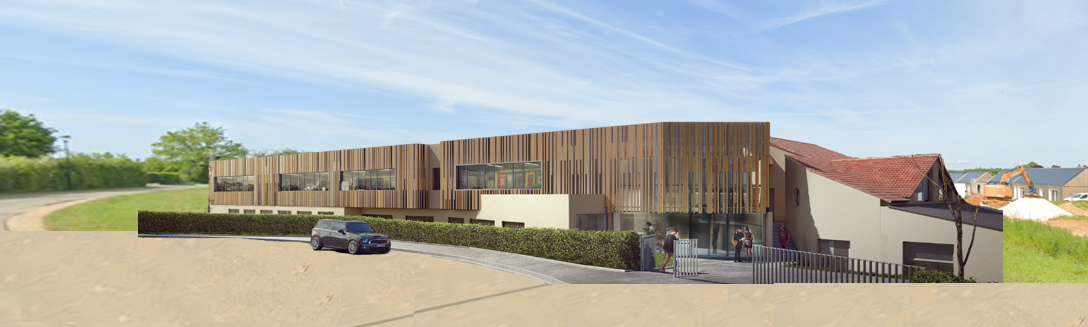
In summary, in this heritage-rich and biodiverse territory, the CCCP aims to build an energy-efficient structure that respects its bocage environment. The project will prioritize the use of bio-based materials, with a focus on local resources such as brick, wood, and Roussard stone—a geological treasure composed of sand bound by iron and manganese oxides. This natural stone is characterized by its warm hues, ranging from beige to brown, due to its iron content. The incorporation of reclaimed and repurposed materials further enhances the project’s sustainability while preserving the area’s distinctive aesthetic. For many citizens who grew up in this region, it is essential that the school reflects the terroir’s architectural character, as it represents a tangible link to their heritage. By ensuring this continuity, the project also allows the younger generations to develop an appreciation for the beauty of their region’s architectural legacy and identity.
The unique architecture of the Perche region is defined not so much by building shapes but rather by the distinctive use of materials—such as flat tiles, ochre, yellow or pink sands, limestone, flint, Roussard stone, and wood—which shape its traditional architectural identity. The CCCP is committed to integrating these elements into the project to maintain the historical continuity of the local built environment while embracing contemporary design principles.
The building’s final design is yet to come, the selected architect will work to find a balance between innovation in space management and the respect of traditional architecture. The CCCP envisions a modern building that seamlessly integrates into this intergenerational site and the surrounding bocage landscape.
Key objectives for inclusion
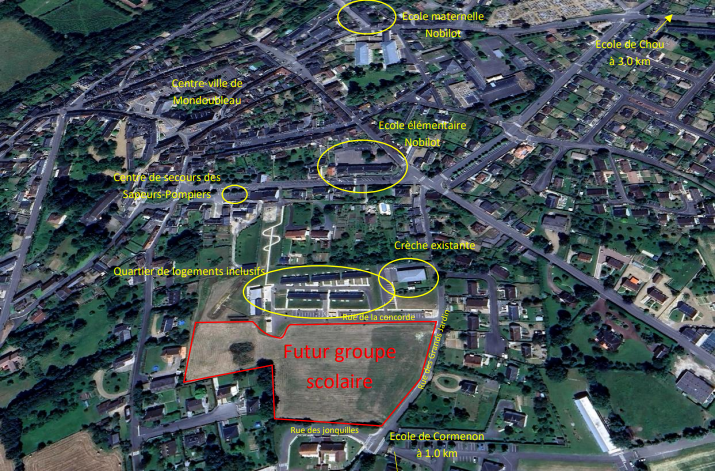
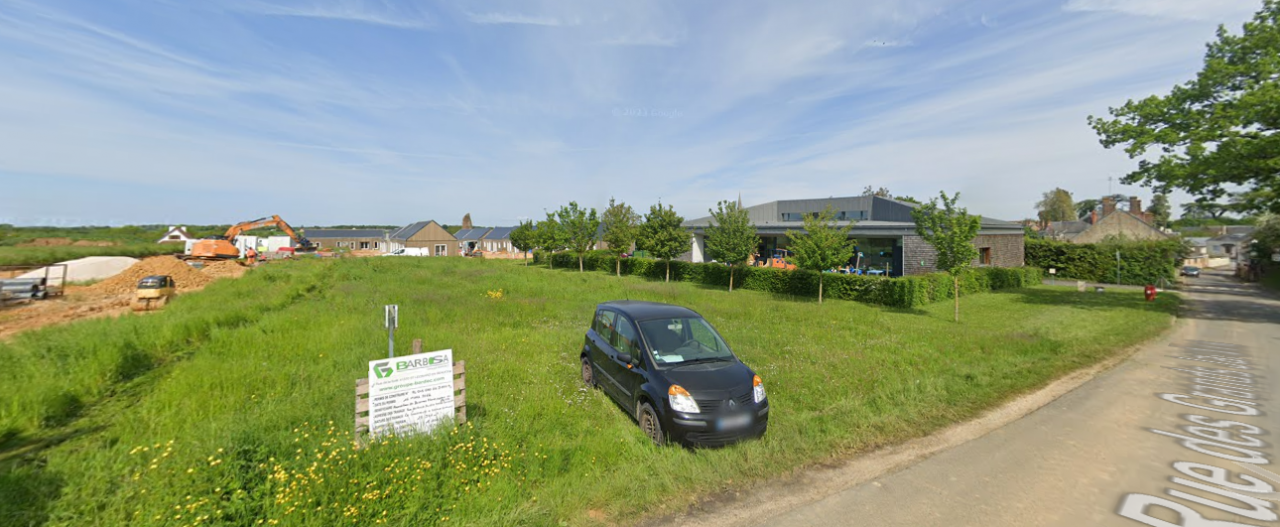
Part of this land was used in 2001 to build the Maison de la Petite Enfance (intermunicipal daycare center), a timber-framed building that received the PassivHaus certification.
In 2021, another section was leased for 90 years under an administrative lease to the Association pour les Handicapés du Perche (APHP). This allowed the construction of energy-efficient houses made from bio-based materials, offering affordable rental housing to retired individuals with disabilities and a few isolated residents from the area (20 housing units in total).
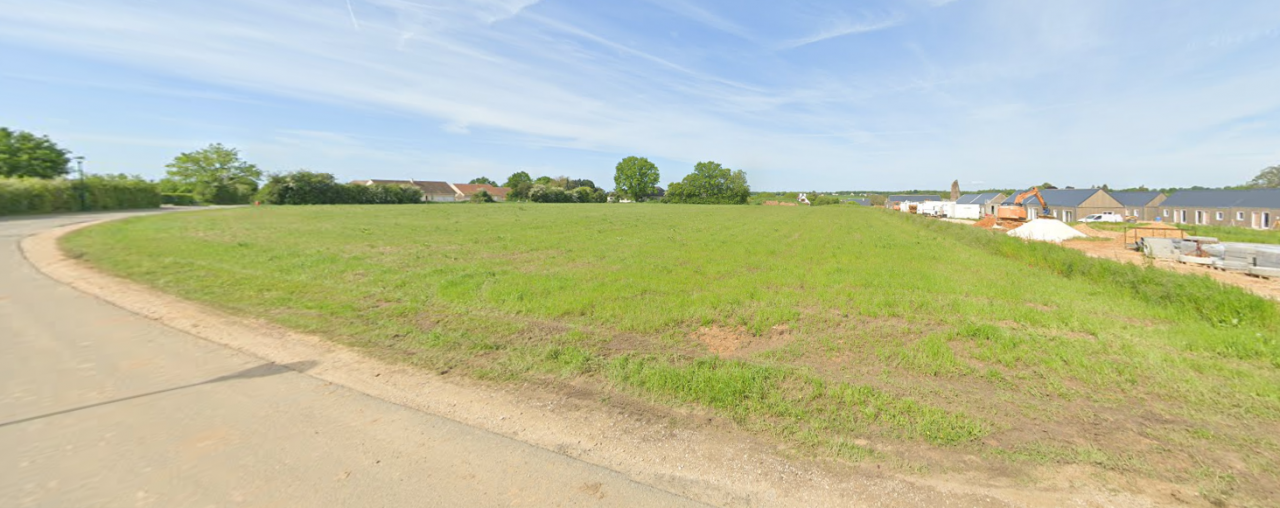
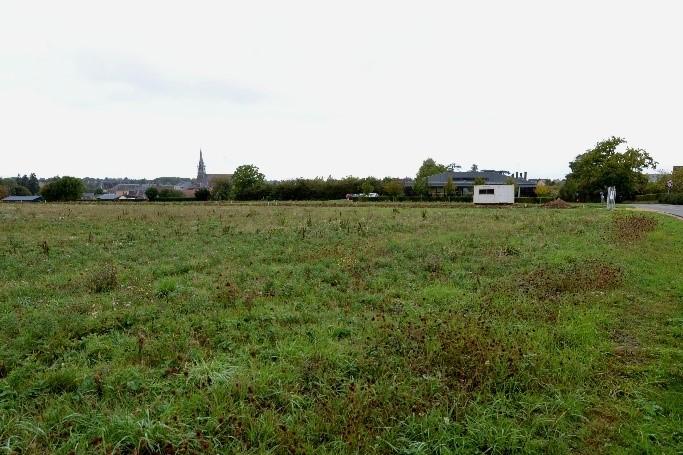
This new neighborhood, called "Les Grands Jardins," will now host the school complex, bringing together residents and users of all ages.
By integrating the school into this site, the project will foster intergenerational diversity and strengthens social ties within the community. The proximity between young students, elderly residents, and families with young children creates daily opportunities for interaction, contributing to mutual support and solidarity. This is particularly relevant in a region facing demographic transition, where an aging population and a declining birth rate necessitate new models of social cohesion. The school’s design and organization will reflect this ambition by ensuring accessibility for all and fostering a welcoming and inclusive environment. EPIC-CP aims to deliver more than just an educational institution—it will also create a shared space that brings together different generations.
How Citizens benefit
In response, the Communauté de Communes des Collines du Perche (CCCP) took proactive steps to engage all stakeholders by establishing a participative steering committee, to encourage broad discussion. This steering committee brought together three key groups: teachers, parents, and local officials—a total of 17 members (5 from each group, plus 2 former education professionals as experts).
Meeting regularly from January 11, 2021, to October 23, 2023, the committee held two-hour sessions, with meeting summaries sent to participants after each session. Some sessions focused on brainstorming in groups the ideal school of the future, while others were dedicated to choosing the best scenario and finalizing the new project. The last meeting, on October 23, 2023, was attended by the Academic Director of National Education Services and the Education Inspector. Their involvement demonstrated the institutional recognition of this inclusive approach, with Les Collines du Perche officially designated as a "Rural Educational Territory."
Additionally, the CCCP organized a public meeting on June 17, 2024, to present the EPIC-CP project to the community. The CCCP is also maintaining continuous dialogue with local organizations, such as extracurricular activity providers and community groups, aiming to ensure that the school is fully integrated into its territory and remains responsive to local needs.
Due to financial instability at the national level, the project has faced delays. During these periods of uncertainty, the CCCP remained even more committed to maintain dialogue with stakeholders, for instance by engaging in European project proposals involving local associations, such as La Maison Botanique.
Innovative character
This EPIC-CP project with extensive consultation to provide contemporary facilities for children in this rural area. The goal was to design a building that addresses environmental challenges and respects the landscapes and architecture of Perche. It also integrates cultural, sports, and environmental activities in education.
Access to extracurricular activities, as well as to sports, cultural, and environmental education, is provided through the 100% Artistic and Cultural Education Initiative. The presence of a high-level contemporary circus artist collective (2004 cohort of the National Center for Circus Arts in Châlons-en-Champagne – Cheptel Aleikoum) lets us consider the possibility of both artistic and athletic workshops.
Consultations led local authorities to draft a project that merges 4 nearby old sites into a single modern one adapted to climate change; allows the sharing of many spaces within the building (teachers' office, classrooms/workshops…); organizes environmentally friendly mobility with the regional school transport service; prioritizes school meals that use local products; proposes the use of the former schools in Choue and Mondoubleau for other essential services for the community (music school, technical workshops…). All of it which demonstrate its commitment to innovate in every relevant field.
On the bigger picture, the EPIC-CP project also innovate by proposing a example of the "next-generation school" in a rural context. Similar to initiatives like the "Oasis" projects in major metropolitan areas, this school will go beyond its primary function as an educational institution. It is designed to be a central hub for community cohesion.
Disciplines/knowledge reflected
L’Échalier, a Cultural Development Agency which hosts artist residencies, performances, and artistic workshops throughout the year, promotes creativity and interaction through architecture and artistic installations.
La Maison Botanique, which focuses on promoting the bocage (hedgerows and pollarded trees) contributes to inform the school environmental design and which also has a wide offer of extracurricular activities that will benefit to the school’s public (kids but also parents or close residents).
La Commanderie d’Arville a remarkable heritage site and Templar museum which regularly hosts "green class" programs for children, influences the envisonned building’s design to reflect the region's rich cultural heritage.
These different areas will be enriched by a sporting dimension once the building is completed, in collaboration with the Association des personnes handicapées du Perche, which has built inclusive housing on the inter-communal site that will host the EPIC-CP project.
As such, The EPIC-CP school project serves as a valuable platform for interaction among diverse stakeholders, including local cultural, environmental, and educational actors. These groups, though coming from different backgrounds, have found common ground through their shared interest in extracurricular activities.
The main value of this transdisciplinary process lies in its ability to shape a school environment where these connections will continue to positively impact both students and the wider community after the completion of the building.
Methodology used
Consultations were held through a steering committee with a one-year timeline, leading to a first presentation to the community council in November 2021. This was delayed by an unexpected change in the municipal team in Mondoubleau. The final vote to adopt the proposal took place on May 18, 2022, followed by ongoing communication about the project until October 2023.
The CCCP created a steering committee to gather diverse perspectives, grouping 17 key stakeholders (teachers, parents, and elected officials) including 5 representatives from each school and 2 former education professionals as experts.
The steering committee met regularly from January 11 to October 11, 2021, and then periodically until October 23, 2023, holding two-hour sessions. Summaries of each meeting (see attached file) were sent to participants. Group sessions focused on designing the ideal school and selecting the best scenario for the project. The final meeting on October 23, 2023, included the Director of Academic Services and the National Education Inspector, who reaffirmed support for the project and announced Collines du Perche as a "Rural Educational Territory."
After the final proposal was approved, the CCCP began seeking funding. A €2M European FEDER grant has been secured, and a €1.9M request from the French government is pending approval, delayed by the political situation. It is supported by the Regional and Loir-et-Cher Prefectures. Additionally, the Centre-Val de Loire Region will provide a grant for the energy aspect (see attached financing plan).
How stakeholders are engaged
At national level, key institutions from national education identified the project as exemplary, including the - former-Ministry of National Education (Gabriel Attal), the Prefecture of Centre-Val de Loire (Sophie Brocas), and the Loir-et-Cher Prefecture (Xavier Pelletier). Notably, the Academic Directorate, represented by Solène Berrivin, facilitated the setup of the Ruralité Framework Agreement at the departmental level. This agreement ensured job stability for teachers for three years in exchange for creating the school's development plan.
At the territorial level, the Regional Council has been an essential financial partner in advancing the project, within its managing authority role but also by identifying the project as exemplary regarding the New European Bauhaus initiative. François Bonneau, the President, has played a key role in securing regional backing.
He met in with -now former- European Commissioner Elisa Ferreira along with the President of the Communauté de Communes des Collines du Perche. During the meeting, the Commissioner praised the quality of the project in such a rural area and also identified the project as aligned with the NEB values and principles.
The involvement of these stakeholders at different levels has thus facilitated both the feasibility of the project and expanded its scope, for example by facilitating its connection with the New European Bauhaus, allowing the territory to improve the visibility of its efforts to contribute, at its scale, to achieve the Green Deal objectives.
Global challenges
The project adapts to the low population density of the CCCP, ensuring that educational resources are efficiently allocated while maintaining a robust local school system. This mirrors global trends in rural depopulation, offering a sustainable approach to local education.
The construction of the school integrates sustainable building practices, aiming for PassivHaus certification and reducing environmental impact. The design includes energy-efficient structures, a green space, and environmentally friendly transport options, aligning with the global imperative to combat climate change especially through reinventing our built environment.
Finally, the initiative prioritizes eco-friendly, organized transport services for students, which contributes to the global movement for sustainable and accessible transportation solutions in rural areas.
Learning transferred to other parties
Depending on the size of the rural or urban area, it is very beneficial to merge two or more old or outdated sites (the average age of the buildings is now 50 years or more, with some exceeding 100 years) into a single, modern building that is adapted to climate change.
Next steps
The project has been fully validated by all the partners, and we are waiting for the architect's competition to be launched as soon as the financing plan has been validated by the French government, which is taking a little longer due to the French political context. As the project's ambition is to obtain PassiveHaus certification, sustainability requirements have been incorporated into the architectural competition, so that the winning firm is fully aligned with the project's objectives.<br />
One of the next other important stages in the integration of NEB values and principles is the mobilisation of the Hubleau, a consortium of associations in the Collines du Perche region. This third-place will be supporting the project's dynamic by organising participatory events on the school site, to enable all residents to follow the progress of the project and to maintain their involvement.<br />
A number of public meetings will be organised between now and the inauguration, scheduled for 2027 or 2028, in particular with the help of the Maison France Services, a relocated government service that brings together its various institutions (Caisse d’Allocations Familiales, tax services, etc.).<br />