Cultural participation of young people
Basic information
Project Title
Cultural participation of young people
Full project title
Active participation of young people in cultural matters
Category
Regaining a sense of belonging
Project Description
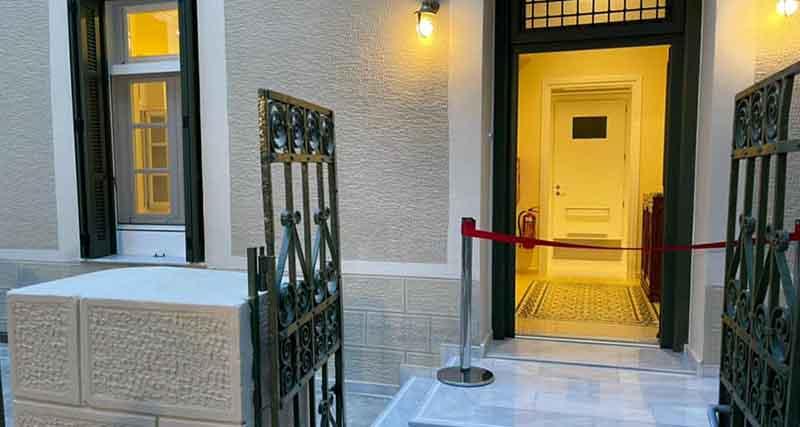
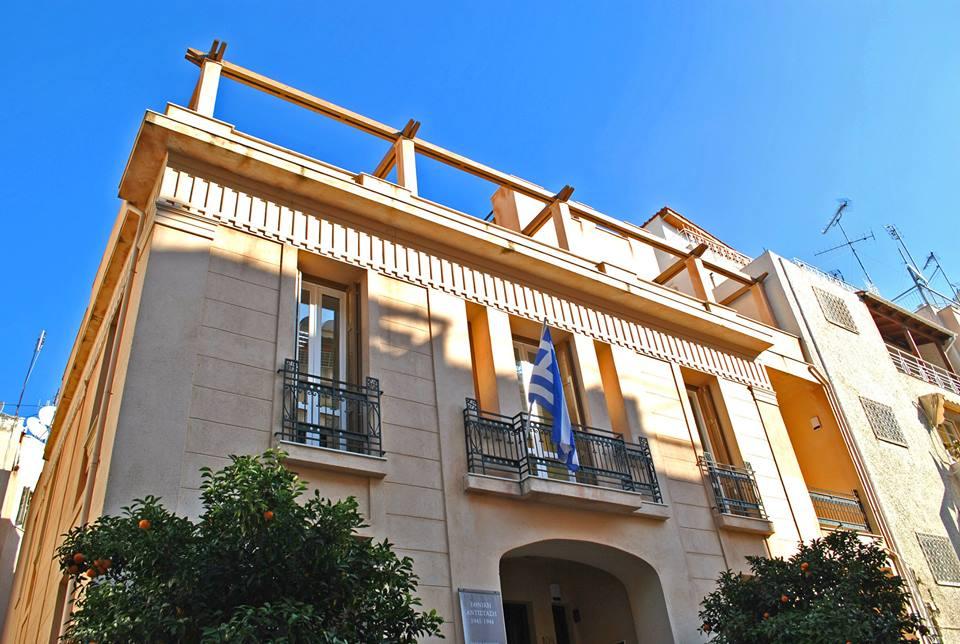
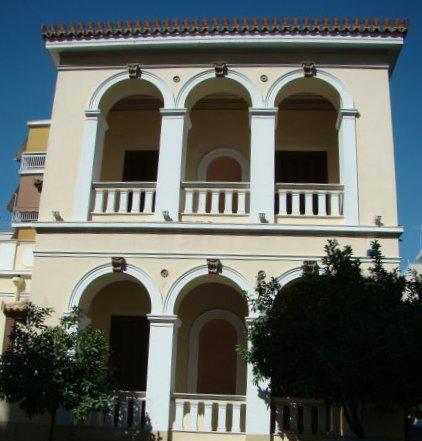
Creation of a cultural youth committee to develop actions and events in the sites of historical memory (PEAN, BIZANI Castle, Municipal Gallery) that will contribute to the regeneration of the cultural environment by making use of local culture, traditions, know-how and contemporary diversity and creativity.
Current stage development
Early concept
Geographical Scope
Local
Project Region
Kallithea, Athens, Greece
Urban or rural issues
Mainly urban
Physical or other transformations
It refers to other types of transformations (soft investment)
EU Programme or fund
No
Description of the project
Summary
The project Active youth participation in cultural issues proposes the establishment of a cultural committee of young people aged 18-30 years old, which will be active and involved in the cultural activities of the city. In particular, this committee will not only have an advisory character, but will have the possibility of developing actions and events in the places of historical memory (PEAN, BIZANIU Castle, Municipal Gallery), developing the cultural and artistic dynamics of the modern way of life.
Specifically, the cultural committee will be responsible for proposing, implementing and carrying out cultural activities (under the auspices of the Municipality of Kallithea, of course) that will make use of local culture, traditions, know-how, and contemporary diversity and creativity. Furthermore, the proposed actions will be fully integrated into the broader framework of the Municipality's events.
Specifically, the cultural committee will be responsible for proposing, implementing and carrying out cultural activities (under the auspices of the Municipality of Kallithea, of course) that will make use of local culture, traditions, know-how, and contemporary diversity and creativity. Furthermore, the proposed actions will be fully integrated into the broader framework of the Municipality's events.
Key objectives for sustainability
Culture has the power to transform entire societies, strengthen local communities and create a sense of identity and belonging for people of all ages. As a vehicle for youth development and civic engagement, culture plays an essential role in promoting sustainable social development for future generations. Promoting creativity for young people and harnessing the creative potential and energy of young people should therefore be a priority in order to find creative solutions to current and future challenges. This is how the sustainability criterion can be achieved.
Key objectives for aesthetics and quality
Measures to promote cultural participation contribute to strengthening active citizenship and developing democracy. The specific characteristics of young people's personalities, i.e. their character, interests, etc., are important factors in determining and regulating their participation. Self-organization and targeted participation in various associations is an essential way of developing participation. In this way the criterion of quality of experience can be achieved.
Key objectives for inclusion
Artistic and cultural events also play a key role in promoting social inclusion and diversity. By celebrating different cultural heritages and traditions, these events provide opportunities for different groups in the community to come together and share their cultures. In addition, arts and cultural events often serve as platforms for social and political expression. They provide a space for young people to voice their concerns, share their stories and advocate for social change. In this way, the criterion of inclusiveness can be achieved.
How Citizens benefit
The creation of a cultural youth commission is essential to ensure that cultural heritage is managed in a way that reflects diverse values, meanings and perspectives, so that the management of cultural heritage itself is open to renegotiation and redefinition, further contributing to addressing power imbalances and promoting democratic and inclusive decision-making processes.
Physical or other transformations
It refers to other types of transformations (soft investment)
Innovative character
The project aims to create an "institution" that will give the local community both the tools for direct participation and the tools for the development of cultural activities, which will be the ideas of the young people themselves. Therefore, the innovative aspect of the project is twofold. Firstly, a sense of belonging is developed by having young citizens take on the responsibility of developing cultural activities. Secondly, it is the development of local historical heritage and traditions through real direct democratic functioning.
Disciplines/knowledge reflected
Regarding Project initiation, the youth group made the proposal to the responsible deputy mayor. Regarding Project planning, the youth group together with the responsible municipal officials organized the process. Regarding Project execution it is still in the initial stage. Regarding Project monitoring and control the appropriate municipal officials will operate it. Regarding Project closure will be achieved by integrating the youth committee into an institutional policy framework.
Methodology used
Step 1: Goals and Objectives: the main objective of the project is twofold. Firstly, the active participation of young people in the democratic process and secondly, the further stimulation of local culture.
Step 2: Success Metrics: quantitative indicators have been defined to measure the success of the project.
Step 3: Stakeholders and Roles: the appropriate roles of the participants have been defined.
Step 4: Budget: operating costs have been defined. It is not an expensive project due to its nature and especially the infrastructure of the municipality.
Step 5: Timeline and Schedule: the initial operation should be immediate and implementable in a short period of time.
Step 2: Success Metrics: quantitative indicators have been defined to measure the success of the project.
Step 3: Stakeholders and Roles: the appropriate roles of the participants have been defined.
Step 4: Budget: operating costs have been defined. It is not an expensive project due to its nature and especially the infrastructure of the municipality.
Step 5: Timeline and Schedule: the initial operation should be immediate and implementable in a short period of time.
How stakeholders are engaged
The involvement of multiple stakeholders, especially those who do not have a direct voice in decision-making, is more crucial. As one of the under-represented groups, young people have their own unique narratives about cultural heritage, yet their voice is less heard during decision-making processes.
Global challenges
The Youth Cultural Committee could be a solution to many international phenomena of rising violence, fascism, authoritarian ideologies. The way is simple: by creating committees, a sense of belonging, democratic consciousness and creativity are developed. For example, the creation of citizens' committees could act as a counterweight to the anti-democratic political forces that are constantly emerging.
Learning transferred to other parties
The most important aspect of the project is the stimulation of both democratic feeling and active participation in cultural events. The youth cultural committee could be a model for municipalities as a form of direct democratic awareness and operation. For example, the creation of citizens' commissions could also work in other fields besides culture such as green development etc.
Next steps
1 - Establishment and ratification of the cultural youth committee through the Municipal Council<br />
Consultations with local stakeholders<br />
2 - Operation of a youth cultural committee<br />
Establishment of the function and broadening of the scope of its responsibilities<br />
Meetings of members and preparation of cultural proposals <br />
Cooperation with the relevant department of the municipality to implement the proposals<br />
3 - Dissemination of the results of the action at national and European level
Infrastructure or public space
No
Political support
No
Monetary value awarded
No