Brooko
Basic information
Project Title
Brooko
Full project title
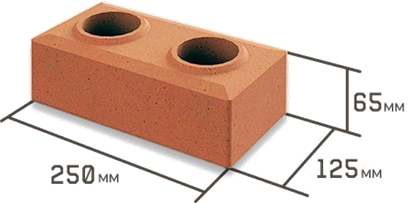
Brooko — is a high-quality facade brick made from recycled materials (sludge).
Category
Shaping a circular industrial ecosystem and supporting life-cycle thinking
Project Description
Brooko — is a high-quality facade brick made from recycled materials (sludge).Thanks to the technological form of the constructor, it does not require professional skills for laying, and saves time and money. Brookol is not only a brick, in the future the product line will be expanded to include tiles, paving stones and other sludge products.
Geographical Scope
Regional
Project Region
Ukraine, 22800, Vinnytsia region,
Vinnytsia district, Nemyriv, 29 Gimnaziyna str.
, Ukraine
Vinnytsia district, Nemyriv, 29 Gimnaziyna str.
, Ukraine
Urban or rural issues
It addresses urban-rural linkages
Physical or other transformations
It refers to a physical transformation of the built environment (hard investment)
EU Programme or fund
No
Description of the project
Summary
Today, the construction industry remains one of the most demanded in our country, namely in Ukraine. The main problem is the need to rebuild cities and villages, the rising cost of building materials, the lack of skilled workers, and how to dispose of sludge.
Right now, 250,000(тухандрет енд фіфті сасусент) residential buildings have been destroyed or damaged, and losses of UAH 150 billion have been incurred.
Our solution. To create Brookol facing bricks of high quality made from recycled materials (sludge). Thanks to the technological form of the constructor, it does not require professional skills for laying, and saves time and money. Brookol is not only a brick, in the future the product line will be expanded to include tiles, paving stones and other sludge products.
You can see the market assessment
TAM - $120B+ The building materials market.
SAM - $300M The market for Brookol products
SOM - $90M Realistically achievable Brookol sales volume
Who is interested in our product?
Construction companies and contractors.
Architects and designers.
Small construction firms.
Distributors of building materials.
Public organisations and institutions.
Why is brookol brick better than silicate, ceramic and brickland bricks?
Lowest price, frost-resistant, durable, high humidity, non-radiaкtive, long-lasting.
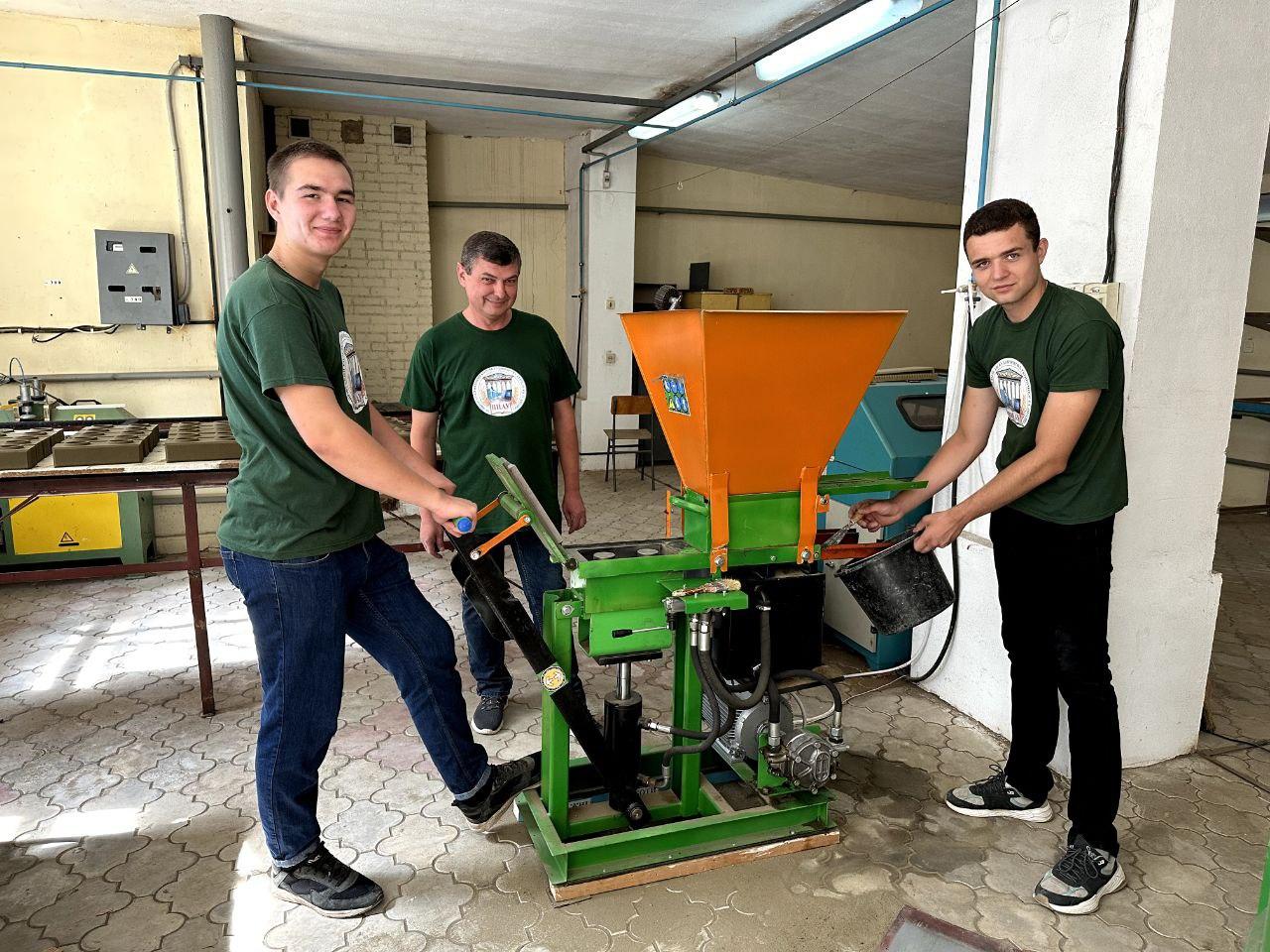
We are raising $42,000(фоті ту саусент) to launch 5 production lines. We need $8400(еіт саусент фор хаундрет) to start one line.We currently have one production line and produce 300 bricks in one day at a price of 14 UAH per brick. We make a profit of 4200 UAH. If we have 5 production lines, we will be able to earn 21000 UAH per day.
Brookol is affordable, functional, and environmentally friendly.
Right now, 250,000(тухандрет енд фіфті сасусент) residential buildings have been destroyed or damaged, and losses of UAH 150 billion have been incurred.
Our solution. To create Brookol facing bricks of high quality made from recycled materials (sludge). Thanks to the technological form of the constructor, it does not require professional skills for laying, and saves time and money. Brookol is not only a brick, in the future the product line will be expanded to include tiles, paving stones and other sludge products.
You can see the market assessment
TAM - $120B+ The building materials market.
SAM - $300M The market for Brookol products
SOM - $90M Realistically achievable Brookol sales volume
Who is interested in our product?
Construction companies and contractors.
Architects and designers.
Small construction firms.
Distributors of building materials.
Public organisations and institutions.
Why is brookol brick better than silicate, ceramic and brickland bricks?
Lowest price, frost-resistant, durable, high humidity, non-radiaкtive, long-lasting.
We are raising $42,000(фоті ту саусент) to launch 5 production lines. We need $8400(еіт саусент фор хаундрет) to start one line.We currently have one production line and produce 300 bricks in one day at a price of 14 UAH per brick. We make a profit of 4200 UAH. If we have 5 production lines, we will be able to earn 21000 UAH per day.
Brookol is affordable, functional, and environmentally friendly.
Key objectives for sustainability
To create Brooko facing bricks of high quality made from recycled materials (sludge). Thanks to the technological form of the constructor, it does not require professional skills for laying, and saves time and money. Brooko is not only a brick, in the future the product line will be expanded to include tiles, paving stones and other sludge products.
Key objectives for aesthetics and quality
Aesthetics and design - stylish texture, natural colors, harmony with the urban environment.
Quality of experience - modularity, ease of installation, resource saving.
Cultural impact - contributes to the restoration of Ukraine, ecological construction, accessibility for all.
Exemplary - an innovative, environmentally friendly, socially responsible project.
Quality of experience - modularity, ease of installation, resource saving.
Cultural impact - contributes to the restoration of Ukraine, ecological construction, accessibility for all.
Exemplary - an innovative, environmentally friendly, socially responsible project.
Key objectives for inclusion
Accessibility - easy to use bricks, no professional skills required.
Cost-effectiveness - low cost, availability for social projects.
Design for all - suitable for different buildings, convenient for people with special needs.
Social responsibility - job creation, community involvement in construction.
Exemplary - affordable, innovative, socially oriented project.
Cost-effectiveness - low cost, availability for social projects.
Design for all - suitable for different buildings, convenient for people with special needs.
Social responsibility - job creation, community involvement in construction.
Exemplary - affordable, innovative, socially oriented project.
Results in relation to category
Results.
Housing reconstruction: thousands of people affected by conflict or disaster have been rehabilitated thanks to affordable materials.
Environmental impact: significant reduction of construction waste through the use of sludge and recycled materials.
Economic impact: new jobs created, small businesses and local economies supported through the production and use of environmentally friendly materials.
Impacts of the project
Reduced construction costs: affordable materials have helped reduce construction costs for small developers and social projects.
Innovations in construction: the project contributed to the expansion of the use of modular and environmentally friendly technologies in the construction industry.
Impact on beneficiaries
Direct beneficiaries: small businesses, construction companies, crisis recovery organizations.
Indirect beneficiaries: communities that have received affordable housing and local residents who have found jobs in manufacturing.
Benefits: Environmental, economic and social benefits for a wide range of actors and communities.
Housing reconstruction: thousands of people affected by conflict or disaster have been rehabilitated thanks to affordable materials.
Environmental impact: significant reduction of construction waste through the use of sludge and recycled materials.
Economic impact: new jobs created, small businesses and local economies supported through the production and use of environmentally friendly materials.
Impacts of the project
Reduced construction costs: affordable materials have helped reduce construction costs for small developers and social projects.
Innovations in construction: the project contributed to the expansion of the use of modular and environmentally friendly technologies in the construction industry.
Impact on beneficiaries
Direct beneficiaries: small businesses, construction companies, crisis recovery organizations.
Indirect beneficiaries: communities that have received affordable housing and local residents who have found jobs in manufacturing.
Benefits: Environmental, economic and social benefits for a wide range of actors and communities.
How Citizens benefit
Citizens - participate in housing renovation due to the ease of use of Brooko.
Public organizations - use the material for social housing and infrastructure.
Volunteers - testing and helping to implement the technology.
Impact: adaptation of the product for rapid construction, proven effectiveness in real conditions.
Public organizations - use the material for social housing and infrastructure.
Volunteers - testing and helping to implement the technology.
Impact: adaptation of the product for rapid construction, proven effectiveness in real conditions.
Physical or other transformations
It refers to a physical transformation of the built environment (hard investment)
Innovative character
Use of sludge as a raw material - replacement of traditional materials with secondary resources, which reduces costs and negative impact on the environment.
Modular brick design - the ability to lay without professional skills, which reduces construction time and reduces labor costs.
Environmental friendliness - low energy consumption for production, safety for the environment (no radiation exposure, frost resistance).
Affordability and efficiency - a significant reduction in cost compared to traditional materials, which makes construction more accessible to different segments of the population.
Comparison with traditional methods
Compared to traditional construction methods and the use of conventional materials (ceramics, silicate bricks), Brookol has significant advantages in environmental friendliness, cost and accessibility. Innovative nature of the Brookol project
Use of sludge as a raw material - replacement of traditional materials with secondary resources, which reduces costs and negative impact on the environment.
Modular brick design - the ability to lay without professional skills, which reduces construction time and reduces labor costs.
Environmental friendliness - low energy consumption for production, safety for the environment (no radiation exposure, frost resistance).
Affordability and efficiency - a significant reduction in cost compared to traditional materials, which makes construction more accessible to different segments of the population.
Comparison with traditional methods
Compared to traditional construction methods and the use of conventional materials (ceramics, silicate bricks), Brookol has significant advantages in environmental friendliness, cost and accessibility.
Modular brick design - the ability to lay without professional skills, which reduces construction time and reduces labor costs.
Environmental friendliness - low energy consumption for production, safety for the environment (no radiation exposure, frost resistance).
Affordability and efficiency - a significant reduction in cost compared to traditional materials, which makes construction more accessible to different segments of the population.
Comparison with traditional methods
Compared to traditional construction methods and the use of conventional materials (ceramics, silicate bricks), Brookol has significant advantages in environmental friendliness, cost and accessibility. Innovative nature of the Brookol project
Use of sludge as a raw material - replacement of traditional materials with secondary resources, which reduces costs and negative impact on the environment.
Modular brick design - the ability to lay without professional skills, which reduces construction time and reduces labor costs.
Environmental friendliness - low energy consumption for production, safety for the environment (no radiation exposure, frost resistance).
Affordability and efficiency - a significant reduction in cost compared to traditional materials, which makes construction more accessible to different segments of the population.
Comparison with traditional methods
Compared to traditional construction methods and the use of conventional materials (ceramics, silicate bricks), Brookol has significant advantages in environmental friendliness, cost and accessibility.
Disciplines/knowledge reflected
Construction and engineering - development of brick production technology.
Ecology - sludge utilization, waste reduction.
Design and architecture - creation of aesthetic and functional characteristics.
Economics and management - market assessment, financial planning.
Interaction.
Industries cooperate to create an innovative product that meets quality, environmental and market requirements.
Value: an integrated approach ensures the success of the project.
Ecology - sludge utilization, waste reduction.
Design and architecture - creation of aesthetic and functional characteristics.
Economics and management - market assessment, financial planning.
Interaction.
Industries cooperate to create an innovative product that meets quality, environmental and market requirements.
Value: an integrated approach ensures the success of the project.
Methodology used
The project is based on the use of recycled materials (sludge), which reduces waste and preserves natural resources. All stages of production are aimed at minimizing the ecological footprint.
Innovative production technologies
Application of the latest technologies for the manufacture of bricks and other building materials. We use a modular design that allows you to easily and quickly lay materials, even without special skills.
Accessibility and simplicity
The materials are designed to be easy to use for builders and consumers. The product is available for both large companies and small developers and public initiatives.
Social orientation
The project aims to create jobs and support social initiatives in the reconstruction of housing for conflict-affected people.
Strategic approach to market expansion
The project envisages the gradual development of products (from bricks to tiles and paving slabs), which allows for growth and adaptation to the different needs of the construction market.
Value of the methodology
This approach combines environmental, economic and social interests to create an innovative, affordable and sustainable product that has a significant impact on the construction materials market.
Innovative production technologies
Application of the latest technologies for the manufacture of bricks and other building materials. We use a modular design that allows you to easily and quickly lay materials, even without special skills.
Accessibility and simplicity
The materials are designed to be easy to use for builders and consumers. The product is available for both large companies and small developers and public initiatives.
Social orientation
The project aims to create jobs and support social initiatives in the reconstruction of housing for conflict-affected people.
Strategic approach to market expansion
The project envisages the gradual development of products (from bricks to tiles and paving slabs), which allows for growth and adaptation to the different needs of the construction market.
Value of the methodology
This approach combines environmental, economic and social interests to create an innovative, affordable and sustainable product that has a significant impact on the construction materials market.
How stakeholders are engaged
Local level - communities, small developers, volunteers use Brooko to restore housing.
Regional level - local authorities and construction companies integrate the material into reconstruction projects.
National/European level - government programs and international funds support green building.
Value: expanding influence, testing effectiveness, integration into large-scale initiatives.
Regional level - local authorities and construction companies integrate the material into reconstruction projects.
National/European level - government programs and international funds support green building.
Value: expanding influence, testing effectiveness, integration into large-scale initiatives.
Global challenges
Environmental issues - reducing waste through the use of sludge.
Reconstruction after conflicts - affordable and fast housing reconstruction.
Lack of affordable housing - economical material for construction.
Unemployment - creation of new jobs locally.
The project provides effective local solutions to global challenges.
Reconstruction after conflicts - affordable and fast housing reconstruction.
Lack of affordable housing - economical material for construction.
Unemployment - creation of new jobs locally.
The project provides effective local solutions to global challenges.
Learning transferred to other parties
Methodology of using secondary materials - adaptation for other construction projects with environmental requirements.
Production technology - transferring the process of manufacturing materials to other enterprises.
Modular approach to construction - application for rapid construction in crisis areas.
Training of local producers - creation of programs for the development of sustainable technologies.
Job creation - transferring models to other regions for social rehabilitation.
Production technology - transferring the process of manufacturing materials to other enterprises.
Modular approach to construction - application for rapid construction in crisis areas.
Training of local producers - creation of programs for the development of sustainable technologies.
Job creation - transferring models to other regions for social rehabilitation.
Infrastructure or public space
No
Political support
No
Monetary value awarded
Yes