BORGO UNIVERSO
Basic information
Project Title
Full project title
Project Description
Current stage development
Project Region
Municipality
EU Programme or fund
Description of the project
Summary
Key objectives for sustainability
Key Actions:
1. Promote Eco-Friendly Practices: Leveraging Aielli's sustainable initiatives like the largest composting plant in central Italy by ACIAM Spa, early 2000s waste sorting policies in Marsica, and recent organic farming in Fucino.
2. Environmentally Conscious Art Production: Focusing on low-impact art creation through careful material selection and eco-friendly methods.
3. Community and Tourist Involvement: Engaging residents, visitors, and tourists to promote healthy lifestyles and respect for nature and art, fostering community awareness.
Exemplary Aspects:
1. Integrating Modern Technology with Traditional Practices: Incorporating new technologies in art and community projects, enhancing both artistic and natural heritage.
2. Encouraging Sustainable Tourism: Promoting sustainable tourism practices, ensuring visitor influx enhances Aielli's cultural and natural landscape.
3. Fostering Social Inclusion: Promoting social inclusion through art, involving all citizens, including people with disabilities, in the creative process, strengthening community bonds and cultural heritage values.
In summary, Borgo Universo's commitment to sustainability is evident through its eco-friendly initiatives, low-impact art production, and active community involvement, setting a benchmark for sustainable cultural initiatives.
Key objectives for aesthetics and quality
Key objectives for inclusion
1. Creating sustainable, synergistic interventions with local populations that attract tourists and enhance the village's cultural offerings.
2. By focusing on education, research, welfare, environment, tourism, equal opportunities, and social inclusion, the project seeks to improve the quality of tourism while indirectly strengthening local production chains.
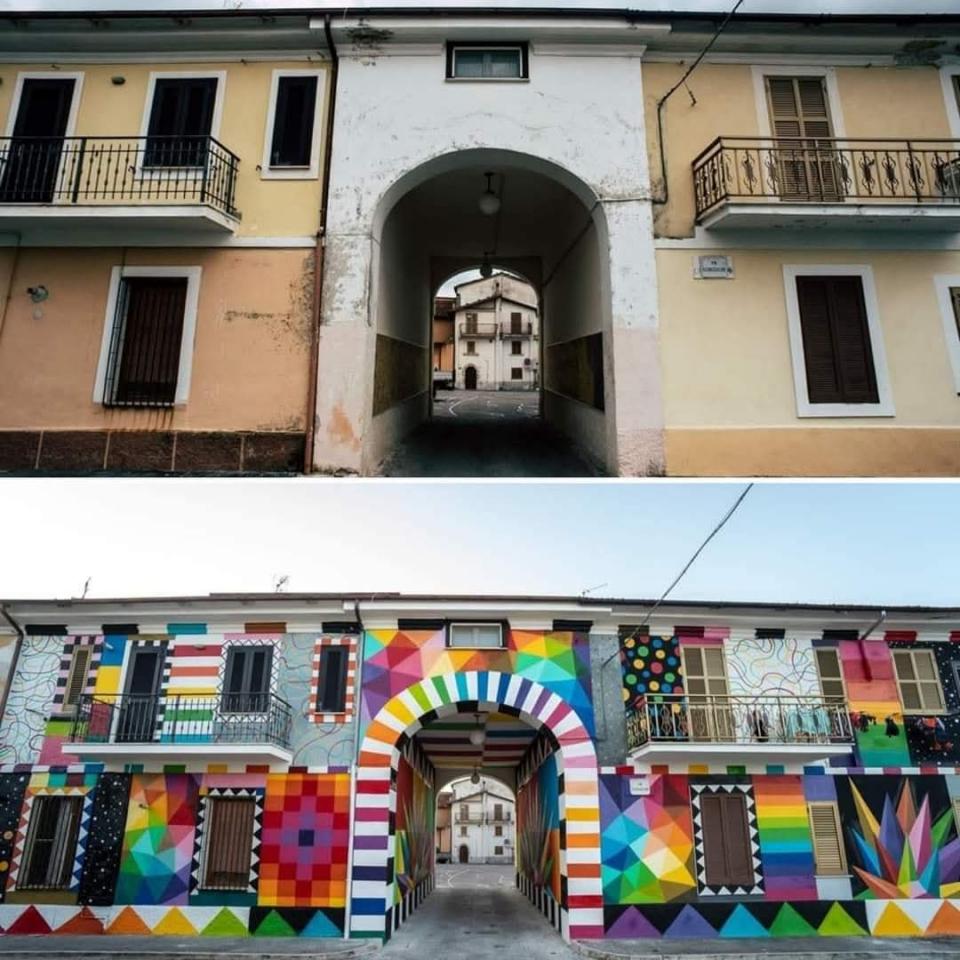
3. Efforts are made to ensure that contemporary art is accessible to all, involving the creation or rehabilitation of spaces for art production and enjoyment. This includes eco-sustainable territorial promotion and reflections on the link between art, creativity, and tourism.
4. Enhancing local, national, and international competencies in contemporary creativity, fostering professional exchanges, and creative interactions.
5. Building networks among various stakeholders focused on contemporary art research and experimentation.
6. Strengthening social cohesion and inclusion, alongside environmental sustainability policies, utilizing new technologies to improve art accessibility.
7. Involving young people in the development processes of mountain villages and sustainability policies, promoting intercultural exchanges among young artists.
How Citizens benefit
The interaction between local and international participants through art aims to facilitate intercultural dialogue and social inclusion, with disabled individuals being in integral part of the artistic production process. The initiative includes a 15-day artistic residency where international and Italian and artists will be hosted in Aielli and in other Marsica’s historic villages for an immersive training and experiential program, leading to the creation of proposed artworks. Social inclusion is fundamental to the project, both artistically and through involving disabled individuals as tour operators. The administration supports real inclusion actions for disabled youth and elderly people with dementia. The ANFFAS Avezzano Foundation organizes an inclusive campus for young artists with disabilities to create visual art in Aielli, with roles such as tour guides and support staff in commercial activities. Achievements include engaging 70 associations, 30 educational institutions, 50 young people aged 18-35, 60 disabled individuals, and at least 30 public and private co-financing entities.
Innovative character
Disciplines/knowledge reflected
1. Environmental Experts and Urban Developers: these experts collaborated to promote sustainable waste management and eco-friendly urban development.
2. Agricultural Specialists: Organic farming practices in the Fucino region contributed to the project's eco-sustainable development.
3. Energy Experts: Ensuring the use of renewable energy sources, avoiding inefficient lighting systems, and promoting LED technology, these experts helped minimize the environmental impact of the initiative.
4. Artists and Cultural Professionals: By using sustainable materials and collaborating with suppliers certified by environmental standards, they ensured that artistic creations respected environmental guidelines.
5. Sociologists and Community Engagement Specialists: Engaging local residents and tourists, and fostering respect for people, nature, and art, these specialists ensured active community participation and governance.
6. Technical and Administrative Staff: Facilitating transparent resource management and ensuring gender balance, these representatives played a crucial role in project execution.
The collaborative efforts involved setting rules for environmental conservation, such as using sustainable materials, minimizing paper usage, and ensuring proper waste management. The integration of different fields ensured that the initiative's processes had a low environmental impact and promoted sustainable practices. Moreover, the project guaranteed fair treatment for all staff, providing flexible working arrangements and childcare during events. This inclusive approach ensured the well-being of the team and supported the project's smooth operation. Overall, the multidisciplinary interaction fostered a holistic and sustainable development strategy, promoting cultural, environmental, and social benefits, and ensuring the initiative's success.
Methodology used
The methodology that inspired Borgo Universo is participatory and inclusive, addressing the needs and deficiencies not only of the Municipality of Aielli but also of other historic villages in the Marsica area, located within the Sirente-Velino Regional Natural Park. Since its inception in 2017, the project's promoters have worked tirelessly to engage citizens, stakeholders, and local public entities at various levels, implementing initiatives that generate economic, social, and employment benefits throughout the region. By creating a strong tourist attraction in Aielli, they have avoided the pitfalls of overtourism through synergy with local actors (associations, businesses, volunteers, disadvantaged individuals, and other municipalities).
The aim is to achieve coherence between economic, cultural, social, and environmental development through a participatory approach based on community and territorial involvement, using a complex, multi-value, and territorial approach aligned with the 2030 Agenda's goals. The project's aspiration is to build connections between art and culture, energy and technology by proposing innovative solutions to the challenges of the green transition. The ultimate goal is to establish Aielli as model for tourism development in peripherical area, embracing the three core principles of the New European Bauhaus: sustainability, inclusion, and aesthetics, improving both the visitor experience and the quality of life for residents.
How stakeholders are engaged
Key principles of the proposal include strong public-private collaboration, in line with the European Framework for Cultural Heritage, to generate benefits in the economy, cultural diversity, society, and the environment. The project directly involves local communities, productive organizations, profit and non-profit enterprises, and their intermediary organizations to stimulate collaboration, integration, and partnership in co-design and collaborative management. The involvement and selection of these entities will follow principles of non-discrimination, transparency, proportionality, and publicity.
Borgo Universo, by providing curricular internships, traineeships, and volunteer opportunities, opens participation to many educational entities targeting students and visual arts enthusiasts interested in contributing to the development of a major cultural event. These participants will work alongside the organizational staff to discover the behind-the-scenes activities. The active roles typically include support in communication office activities, secretarial tasks, hospitality office activities, and photography and videomaking tasks. This will promote the participation of the local population and other stakeholders (property owners, site managers, local and regional administrations, local communities, associations, and other interested parties).
Global challenges
Key global challenges addressed:
• Depopulation and loss of identity in small communities:
o By effectively managing events that attract tourism and foster local development, Borgo Universo has demonstrated the potential to rejuvenate such areas.
o Active involvement of local residents has been crucial in overcoming initial resistance and fostering a sense of belonging to the project.
Focus and objectives:
• Against mass tourism: Advocating for community engagement and sustainable economic models.
• New hospitality and multi-level training activities for artists and disadvantaged people ensure a lasting positive economic impact on Aielli.
• The initiative's inclusive and community-centered approach creates a replicable model that can be applied to other peripheral destinations, positioning the Aielli model as a catalyst for tourism development.
Integration of science and art:
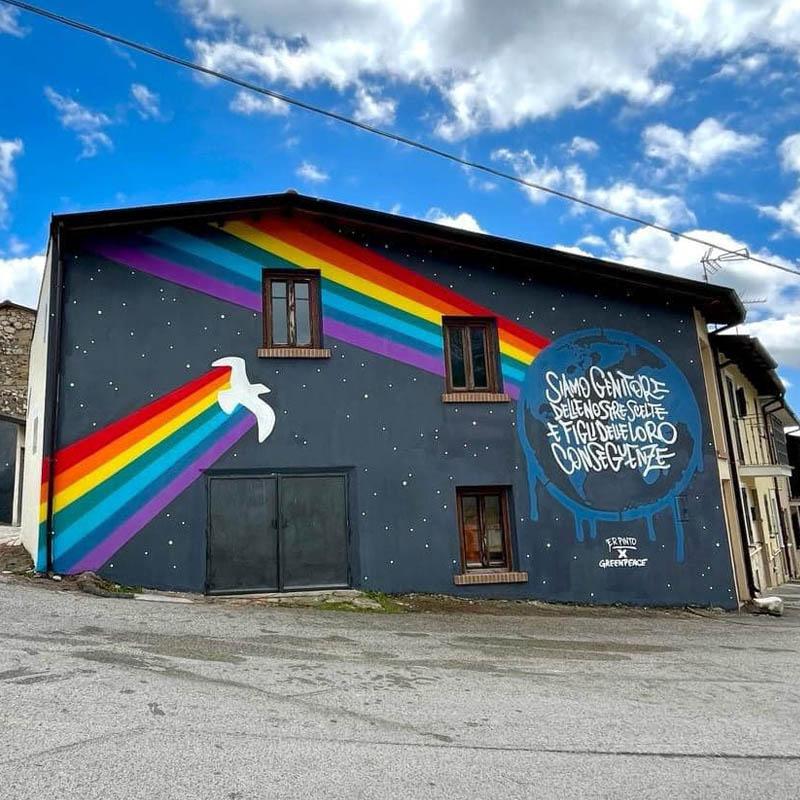
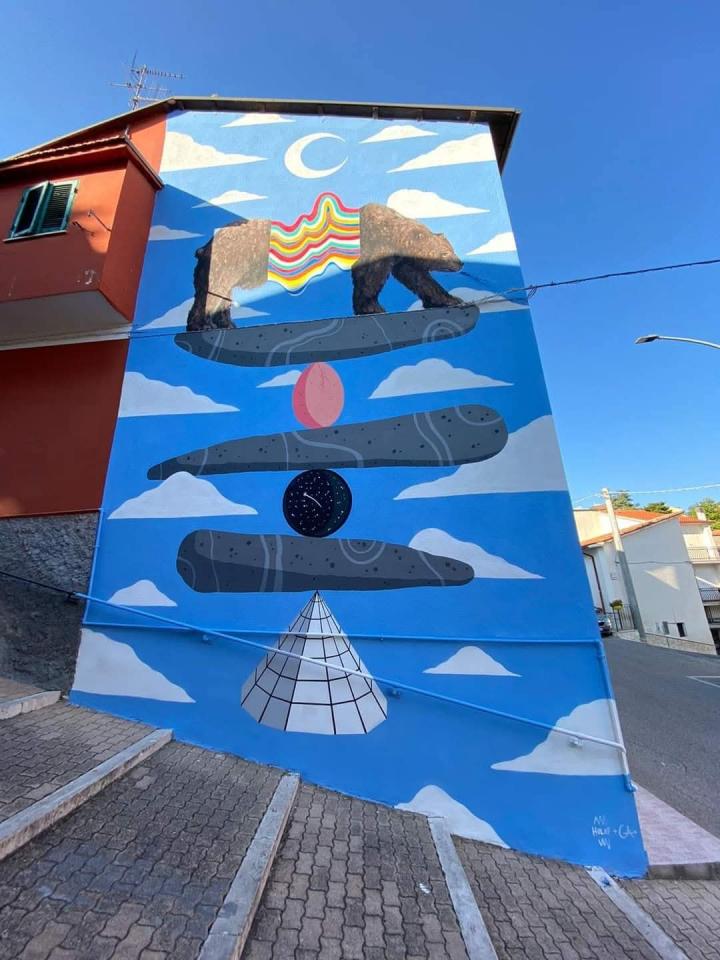
• The core idea is to merge science, astronomy, and past knowledge with modern art expressions, creating a cultural path that presents visitors with a fascinating dichotomy: past science reinterpreted through contemporary art.
• Modern art is not only an expression of the latest artistic trends but also the primary vehicle for presenting the history and evolution of human knowledge to the public.
Ultimate goal:
• Establish the Aielli model as a beacon of sustainable tourism development in peripheral areas, showcasing the benefits of community engagement and localized solutions to global challenges.
Learning transferred to other parties
1. Participatory and Inclusive Methodology: The project involves residents, international artists, visitors, and foreign guests, fostering a sense of ownership and pride within the community. This participatory approach ensures the project reflects the unique identity and needs of the locality.
2. Integration of Art and Sustainability: Art serves as a catalyst for raising ecological awareness and inspiring concrete actions for environmental sustainability. This integration can be adapted to other regions to address local environmental challenges while promoting cultural enrichment.
3. Community Engagement: By engaging citizens, stakeholders, and local public entities at various levels, Borgo Universo builds strong community ties. This model of community engagement can be replicated to create vibrant, resilient communities elsewhere.
4. Promotion of Responsible Tourism: Borgo Universo has positioned Aielli as a tourist attraction while avoiding overtourism. This balance can be achieved in other regions by promoting sustainable tourism practices that benefit both the local economy and the environment.
5. Economic and Social Impact: The project generates economic growth and social inclusion, particularly for disadvantaged individuals. Other regions can adopt this approach to stimulate local economies and foster inclusive communities.
6. Cultural Exchange and Intercultural Dialogue: Hosting international artists and events promotes cultural exchange and intercultural dialogue. This element can be transferred to other regions to enhance cultural diversity and mutual understanding.
7. Alignment with the 2030 Agenda: Borgo Universo's goals align with the objectives of the 2030 Agenda for Sustainable Development, making it a model for other projects aiming to achieve similar global goals.
Next steps
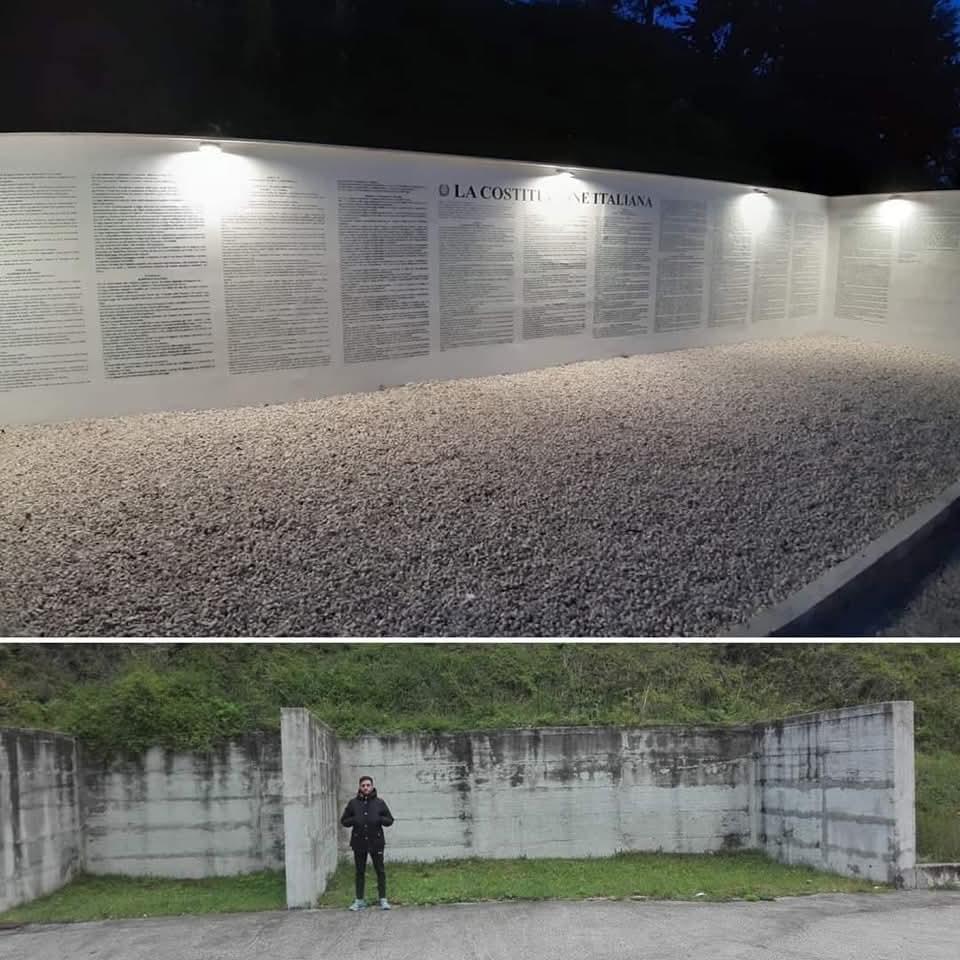
Borgo Universo initiative is dedicated to long-term development and practical implementation and aims to expand its impact through the achievement of the following objectives: increase the number of artists involved; expand the final user and visitor base; enhance and qualify cultural spaces, including the renovation of the Clock Tower square and creation of new artworks; create co-working and study spaces for artists and tourists; develop spaces for socio-cultural and recreational services, benefiting both locals and visitors; acquire and install furniture, equipment, and technological systems to manage and enjoy the created works. Also: undertake small-scale public space renovations, launch initiatives to expand scientific knowledge, educate, raise awareness, and inform the general public about the project's themes; revive events and manifestations connected to the local cultural heritage. For cultural and naturalistic itineraries: create material and immaterial interventions to establish cultural and naturalistic itineraries; improve the welcome system, including info points and information systems. About collaborations and partnerships: develop public-public and public-private partnerships for the management of assets and services; renew cultural offerings and encourage broader community participation; digital projects to access artistic, cultural, and landscape assets, as well as local productions; support temporary residency programs connected to universities, training schools, and artists; collaborate with local schools and decentralized university campuses. About educational and promotional activities: provide training and educational activities for diverse audiences; promote and communicate the project's achievements, services, and infrastructure through a coordinated approach; implement coordinated promotion and communication activities, enhancing the attractiveness for residents and businesses, and attracting young people and families.