Between Mountains and Vineyards
Basic information
Project Title
Full project title
Project Description
Current stage development
Project Region
Municipality
EU Programme or fund
Description of the project
Summary
Following the values of the NEB, the RKLH combines the local dimension with national and global policies, fostering strategies and actions functional to sustainably recovering and rehabilitating existing heritage buildings and public spaces based on circularity, energy neutrality and inclusiveness. The conservation and renewal project aligns with the needs of citizens and stakeholders. This specific project is part of a broader territorial regeneration initiative, “THE WINE GARDEN” (WG), which encompasses the entire RK. It started at the end of 2021, was led by the local Tourism Board (RKTB), and has been enriched by collaboration with various multidisciplinary scientific partners. It results from a bottom-up territorial development process initiated within multiple communities through a participatory and transdisciplinary approach. The WG’s objectives include fostering a shared reflection on landscape’ protection and enhancement with a strong focus on sustainable development that ensures a balanced use of tangible and intangible local resources. The WG also facilitates creating a network of relationships, promoting synergy between different local actors. The goal is to enhance the WG concept, establishing it as an innovative regeneration and valorisation model that addresses contemporary challenges and inspires new initiatives. Within this framework, the RKL is an incubator of ideas and projects where the community can recognize itself and actively contribute to the development of the territory.
Key objectives for sustainability
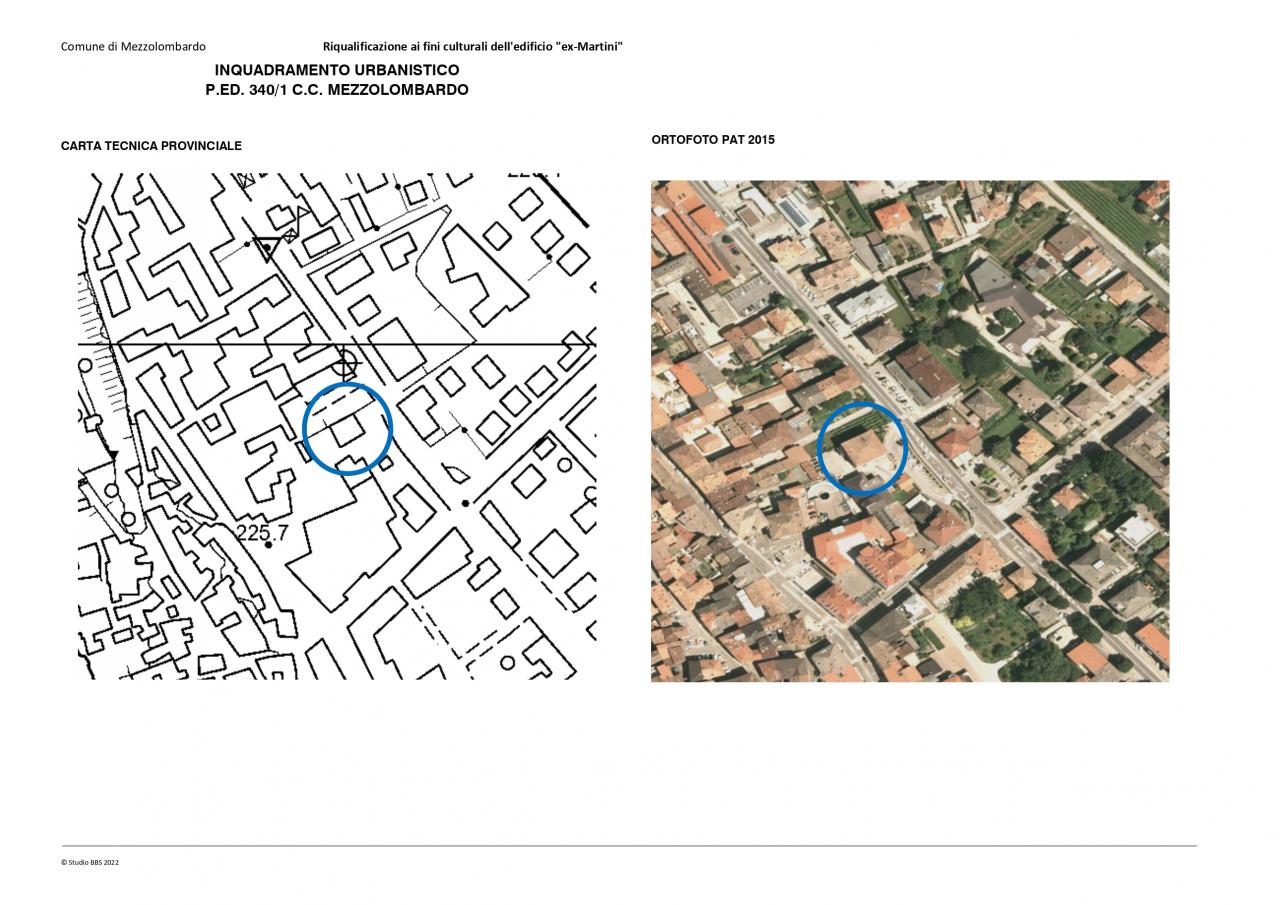
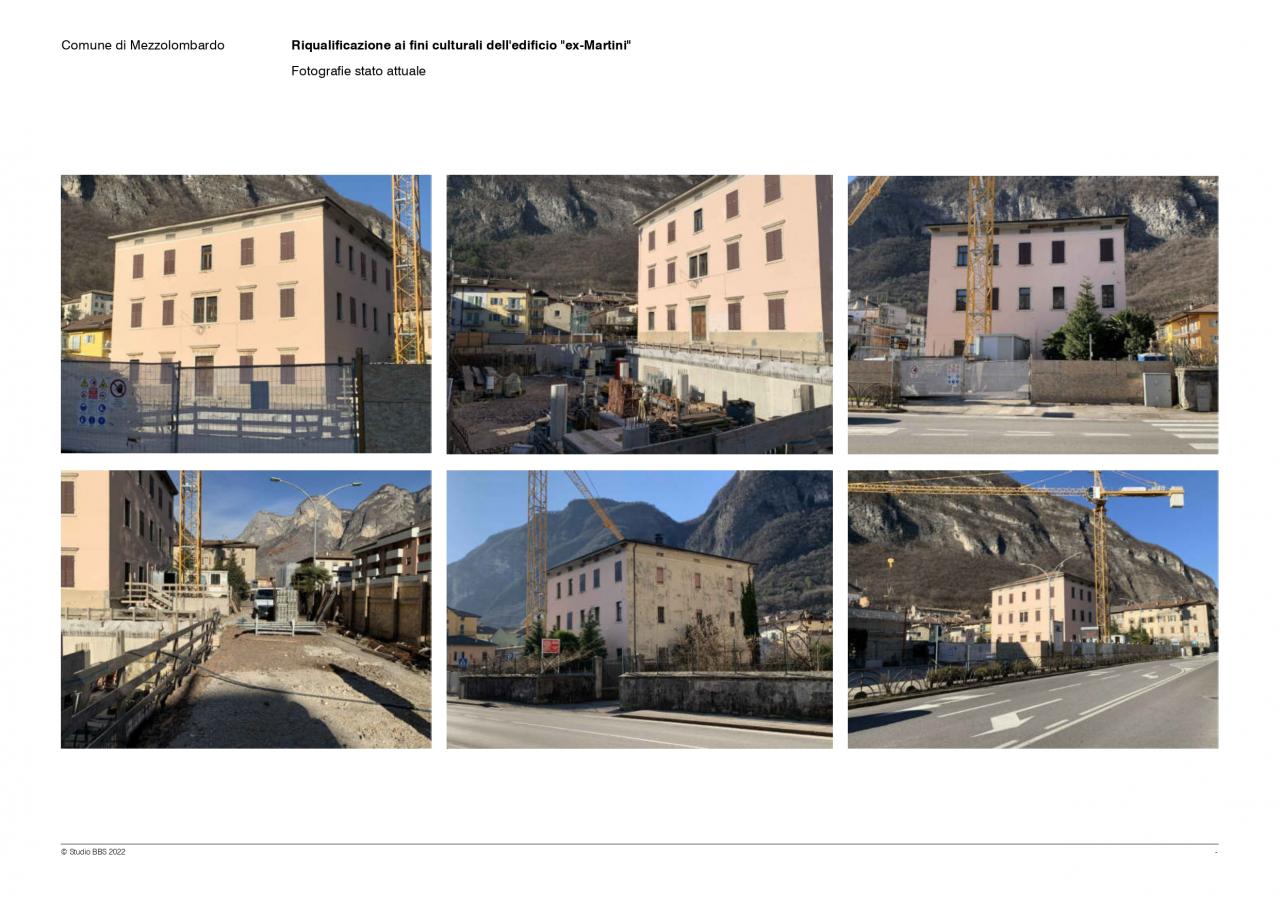
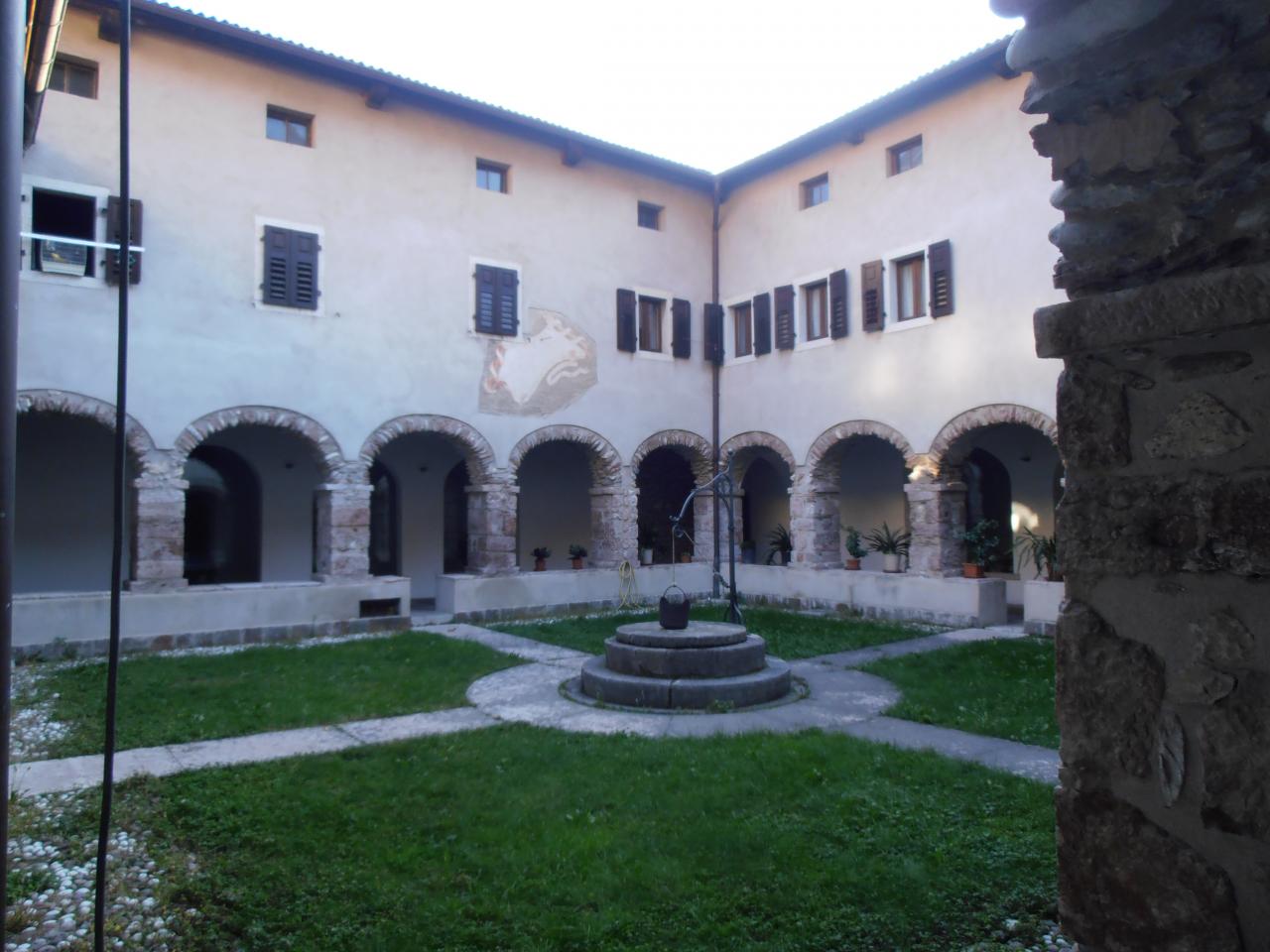
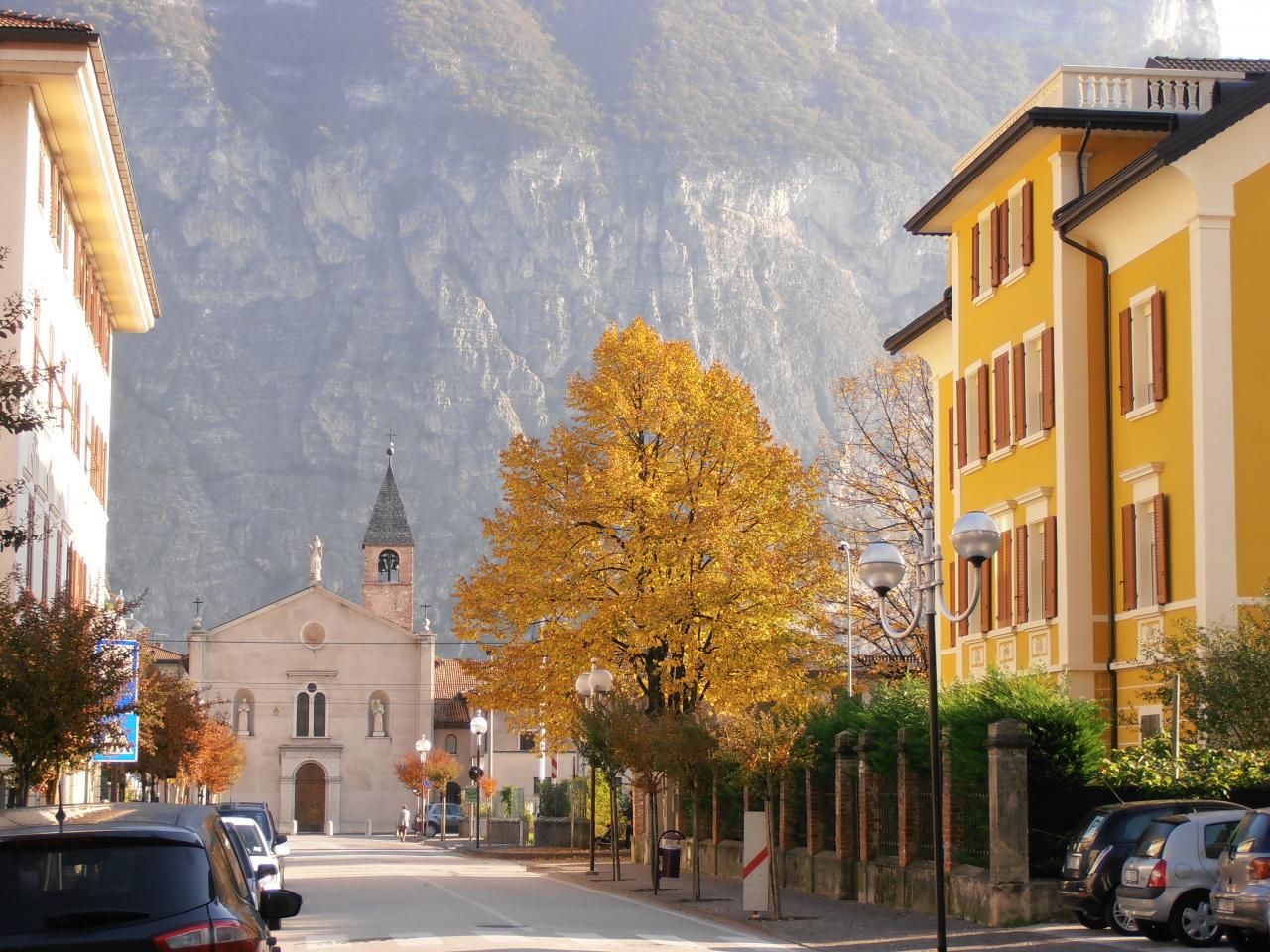
The building is part of the historical tissue of the town and overlooks the SP35 road connecting Trento and Non-Valley. Over the years, it has undergone several transformations, serving as an administrative headquarters during the Austro-Hungarian period and later as a school until 2018. Today, the building stands abandoned, and its adjacent square has become a fragment of vacant land wedged between the road and parking areas. Reintegrating the building and its public space within the urban tissue through its repurposing, becomes a symbol of safeguarding architectural heritage but also counters the disconnection between the community and its legacy.
The RKLH is rooted in the RK’s historical identity. The building symbolises a reconnection between architectural heritage, the rural landscape, and the local community. Its repurposing does not merely rescue a historic structure from neglect but seeks to restore it to a dynamic and meaningful role. It will be transformed into a territorial HUB adaptable to the evolving needs of events and activities.
Another fundamental objective is minimising environmental impact, aligning with European and national sustainability goals. Following a circular approach, the redevelopment adopts energy-efficient design solutions, ensuring the reuse of existing structures as much as possible. The project prioritises a conservative restoration strategy, integrating innovative technologies and sustainable materials to optimise energy performance. The Life Cycle Assessment (LCA) approach will guide all current and future project phases, promoting responsible use of resources and establishing a low- urban impact and territorial regeneration model.
Key objectives for aesthetics and quality
The former Captain Office has long been symbolic, serving both an administrative function during the Austro-Hungarian period and later as a school attended by generations of students. Since 2018, however, the building has deteriorated rapidly, putting an essential element of the community’s collective memory at risk. For this reason, the Mezzolombardo Municipality has decided to invest in its regeneration by defining a new function capable of interweaving past and future, tradition and innovation.
Its transformation aims to recover the area’s architectural aesthetic quality according to the principles of ‘care’ and strengthen the emotional connection between the community and its heritage through a participatory and inclusive design approach.
The RKLH responds with regional guidelines and aspires to be an experiential, educational, and relational space. It will be an "agora" of shared planning, with common spaces, co-working spaces, and association headquarters, fostering new forms of sociality and collaboration.
The regeneration of this place is not only an infrastructural investment but also an opportunity to regenerate cultural and social values, capable of consolidating identity and working for the beauty of the territory.
Key objectives for inclusion
Conceived as a cultural and social hub, it promotes stakeholder interaction, fostering intergenerational exchange and engagement among several interest groups (citizens, associations, businesses, tourists, ...). The project actively works to contrast social isolation and bridge the gap between local identity and visitors’ temporary experiential perspective based on inclusive governance and supporting affordability (e.g., for co-working spaces). The aim is to approach a sustainable community model, reinforcing the idea of cultural democracy.
Moreover, the space will be designed according to the principles of “design for all”, removing physical and cognitive barriers to create a welcoming environment for individuals of all abilities and age groups. Additionally, the project’sparticipatory governance is a key pillar of inclusivity, whereby the space evolves in response to the community's actual needs, a renovated model of traditional ‘collective properties’, (memory of the ancient Trentino community rules). The regional Agency for Social Cohesion and Trentino Open Project supports the spatial co-creation process, improving the project's long-term sustainability.
The open space will serve as a co-creation experiment, applying the principles of tactical urbanism to transform underutilized areas into welcoming, sustainable, and safe public spaces. This flexible and dynamic setting will accommodate temporary installations and community events. This adaptive approach ensures that the space can respond to changing needs, promoting a sense of belonging and active participation.
By integrating sustainability, inclusion, and community engagement, the RKLH aspires to become a model of social innovation, demonstrating how vacant cultural heritage can be harnessed to create new inclusive social models.
How Citizens benefit
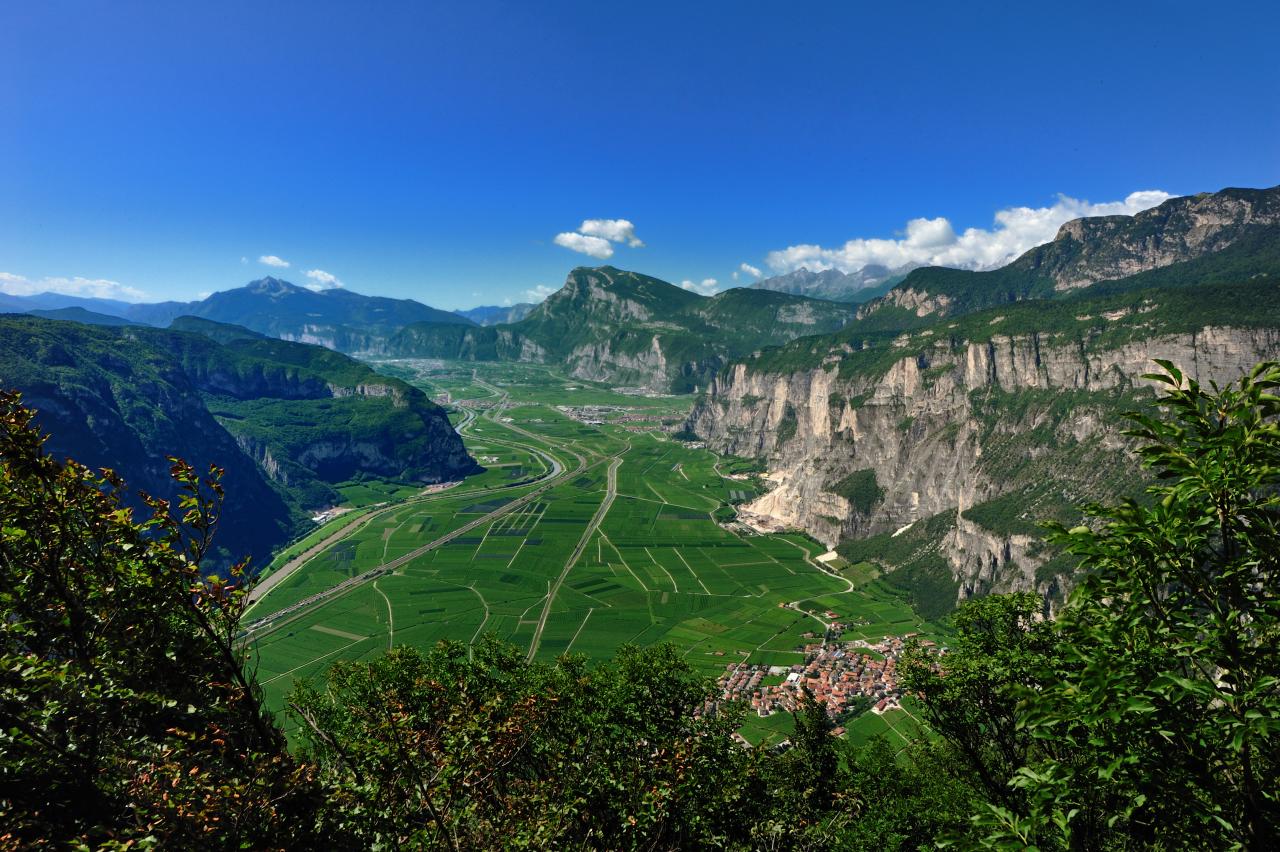
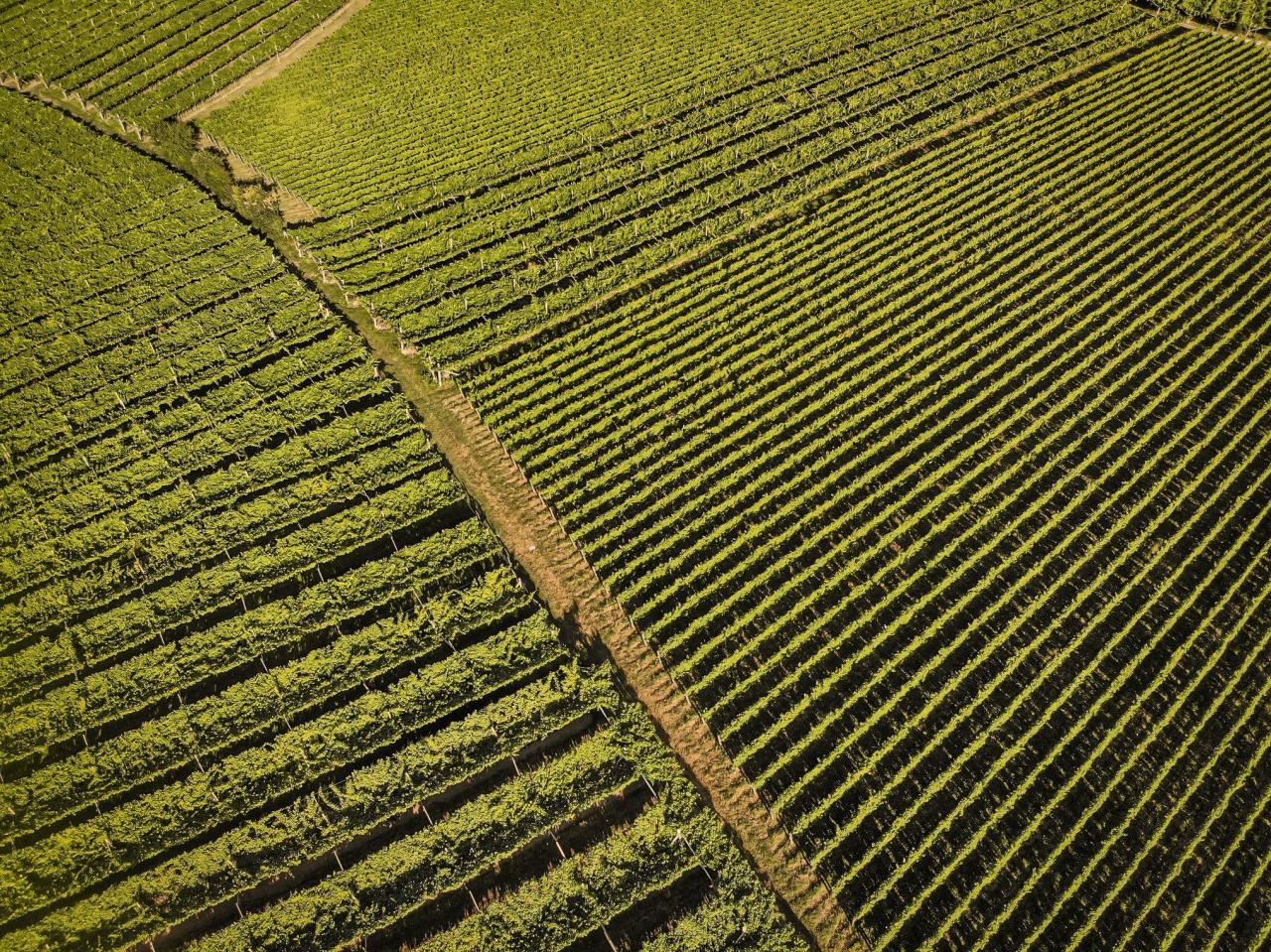
Through group meetings, collective workshops, and targeted projects, 7 distinctive elements characterizing the territory have been identified: the aesthetics of the wine landscape (1), the orographic conformation between the plain and mountains (2), the strategic position between Italian and German culture (3), the wine craftworks (4) the agricultural production (5), the cultural and research hubs (6) the strong roots in the cooperation and sustainability values (7).
The RK community (6 municipalities; 30,000 inhabitants) has formally joined the WG by signing a collective pledge: “Cultivate and care the Wine Garden for us, our guests and future generations, as source of life and well-being” (05/06/2023 https://www.youtube.com/watch?v=Y_dbTeD1i2g&t=481s).
A key aspect of WG is its scientific and experimental approach, thanks to the collaboration with academic and research partners. The Institute of Brand Logic played a crucial role in facilitating participatory workshops, while the FEM contributed to the creation of the manual “PRK a COLORI” (see file: F). The Politecnico di Milano (DAStU) launched educational initiatives and research activities, exploring innovative urban and social regeneration solutions.
The RKLH, as part of this wide-ranging participatory process (WG), becomes a symbolic and functional reference point for the ongoing process. The objective is to create a physical place in which to synthesize connections between the components of social tissue, enhancing tangible (landscape, culture, local production) and intangible (traditions, knowledge, quality of life) resources, creating relationships (with shared projects and activities) and strengthening its identity.
Innovative character
Innovation also lies in the interaction between disciplines (architecture, history, agronomy), which have transcended sectoral boundaries to achieve a common purpose: architecture rethinks the built space through a sustainable approach, connecting it to its natural and cultural context and creating an urban and landscape fabric that enhances territorial peculiarities; historical studies recover and reactivate the identity-based heritage of the territory to ensure continuity with the future; agronomy supports, even historically the agricultural and wine vocation to create RK, fostering excellence in production and resilience.
Through the participation of mixed communities, it has been possible to generate new, diverse, yet shared visions for the territory. The proposed model draws inspiration from scientific research in co-design, tactical urbanism, and territorial coaching, demonstrating how creating physical spaces that act as innovation hubs can strengthen social cohesion and territorial resilience. Successful experiences, such as the European maker spaces, have shown that the transformation of underused urban spaces and the interaction between stakeholders of different generations, ethnicities and genders leads to the development of creativity with a more lasting impact on the social and economic fabric.
In this sense, our project WG and RKLH represent replicable best practices in which collaboration between the public and private sectors, combined with a multidisciplinary approach, is the key to redefining the future of territories.
Disciplines/knowledge reflected
The four key sectors in the approach to the project are:
1. Agronomy (with a particular focus on the cultivation of vines, apples, and white asparagus) is overseen through the involvement of the Istituto Agrario di San Michele all’Adige and the Fondazione Edmund Mach (see file: G2).
2. The Museo Etnografico Trentino San Michele (see file G2) 's expertise supports the recovery of historical memory and cultural and ethnographic palimpsests, which explores the connection between the community and its territory.
3. The historical analysis aims to understand the transformations of the landscape and trigger processes for caring for the built space (among which is the recovery of the former Captain Office) and the cultural and infrastructural landscape involving the Politecnico di Milano (DAStU), the University of Bologna (DISTAL), architects, town planners, and designers.
4. The professionals of the Institute of Brand Logic (a spin-off from Innsbruck University) have guided the construction of a shared and strategic vision. The Institute of Brand Logic has acted as a facilitator among the various stakeholders involved. Interaction with stakeholders has enabled the creation of a project that goes beyond individual sector interests.
Methodology used
Subsequently, a smaller group of representatives from the six municipalities and the various economic sectors was selected to identify the areas of intervention—spanning product development, organizational structure, and cultural initiatives—on which to work to ground the vision and detail the objectives to be achieved. Specific measures were then defined to attain the identified goals, focusing on priority areas.
One of the key outcomes was the establishment of a new governance framework, formalized by the PRK municipalities through a Protocol of Understanding (2023), which sets out their commitment to supporting and implementing (for projects within their remit) the WG (see file: G3). The RKLH project is one of these projects and declares that it will pursue constant remodelling in line with co-participation input.
How stakeholders are engaged
Some of the projects have collaborated with national research institutions, such as the Politecnico di Milano ("PRK a COLORI" project) and the University of Bologna (“Rotatorie RK” project), focused on the regeneration of the built environment, the preservation of cultural landscapes, infrastructures, and botanical aspects (see file: G2).
There is also a strong international collaboration with Burgundy (France). The cultural and wine-related ties between the RK (the Mezzolombardo municipality as the leading municipality) and the Maranges region (the Sampigny-Les-Maranges municipality) have led to the agreement of a “Friendship Pact” between the two municipalities. It aims to carry out joint actions in key sectors of development such as culture, wine production, education, and tourism, as well as in any other field that may later be deemed suitable for regional development. The challenge is to share best practices and the keys to success, using tools for sustainable development and territorial enhancement.
Regarding Burgundy, the collaboration extends also to the Association des Climats du Vignoble de Bourgogne and the UNESCO Chair “Culture and Traditions of Wine” in Dijon. It focuses on projects enhancing the wine heritage, emphasising cultural values.
Global challenges
Moreover, the project goes beyond aesthetic enhancement, proposing a revision of monocultural production logic and rethinking agriculture as a design practice capable of transforming and preserving the territory. Collaborating with research bodies and experimental centres like the Politecnico di Milano and the Fondazione E. Mach supports the development of integrated strategies that combine ecological, cultural, and economic aspects, favouring the interaction between public and private.
Ultimately, WG effectively responds to global challenges, helping create resilient and sustainable territories. Through the active involvement of communities and a systemic vision, the project enhances local knowledge and promotes a model of landscape regeneration capable of ensuring harmonious, inclusive growth that can cope with the dynamics of the present.
Learning transferred to other parties
The RKLH is a pilot project implemented in one of the RK municipalities, intended to serve as a flywheel for similar experiences in other contexts.
The methodology adopted is based on the application of territorial coaching, a rigorous and constant practice that stimulates the local human and organizational potential. It actively involves citizens, institutions, companies, and associations to strengthen the territory’s identity and awareness of its opportunities and challenges.
Within this framework, the overall WG project stands as a best practice for the RK region and a transferable and adaptable model for other rural areas that require an integrated, inclusive, and resilient approach to enhance their cultural, environmental, and economic heritage. For this reason, the partnership with other similar regions (Burgundy, Etna, Rioja), reinforced by a biennial festival called “Incontri Rotaliani”, is not only aimed at consolidating relations in the winemaking sector but also at sharing experiences and learning from similar territories.
Next steps
The WG aims to realise projects planned for the coming years (up to 2027). The master plan, developed through a participatory process started in 2022, will be implemented. At the same time, efforts are being driven to disseminate and implement the project at local, national, and international levels. The project was presented to the population (5 June 2023) and was included as a Satellite Event during the NEB Festival 2024. Due to its high relevance to the NEB themes, it was also selected, together with five other projects, to be showcased during the opening ceremony of the New Bauhaus Festival (https://voda.akamaized.net/europa/20240409/ - at minute1:03:00). <br />
The next steps involve continuous community engagement to assess and implement the projects according to changing needs. To achieve this, an analysis phase will be essential to evaluate the initial results in terms of effectiveness and actual impact on the PRK community at a socio-cultural as well as economic level. <br />
The Municipality of Mezzolombardo will assign the design contract of the former Captain Office to transform it into the ‘RKLH. <br />
At the same time, in collaboration with the Politecnico di Milano (DAStU), the local population, schools, and artists and performers will be involved in defining the key elements for setting up the interior spaces, including the experiential info point, co-working areas, and spaces dedicated to associations.<br />
Using tactical urbanism, the open spaces around the building will be designed and developed to reconnect it with the urban tissue of the historic centre, turning it into a new gathering place accessible to the entire community. This initiative will integrate with the broader plan to make the town centre car-free.