Back to Nature
Basic information
Project Title
Back to Nature
Full project title
Back to Nature: Exploring the Green Heart of Athens
Category
Reconnecting with nature
Project Description
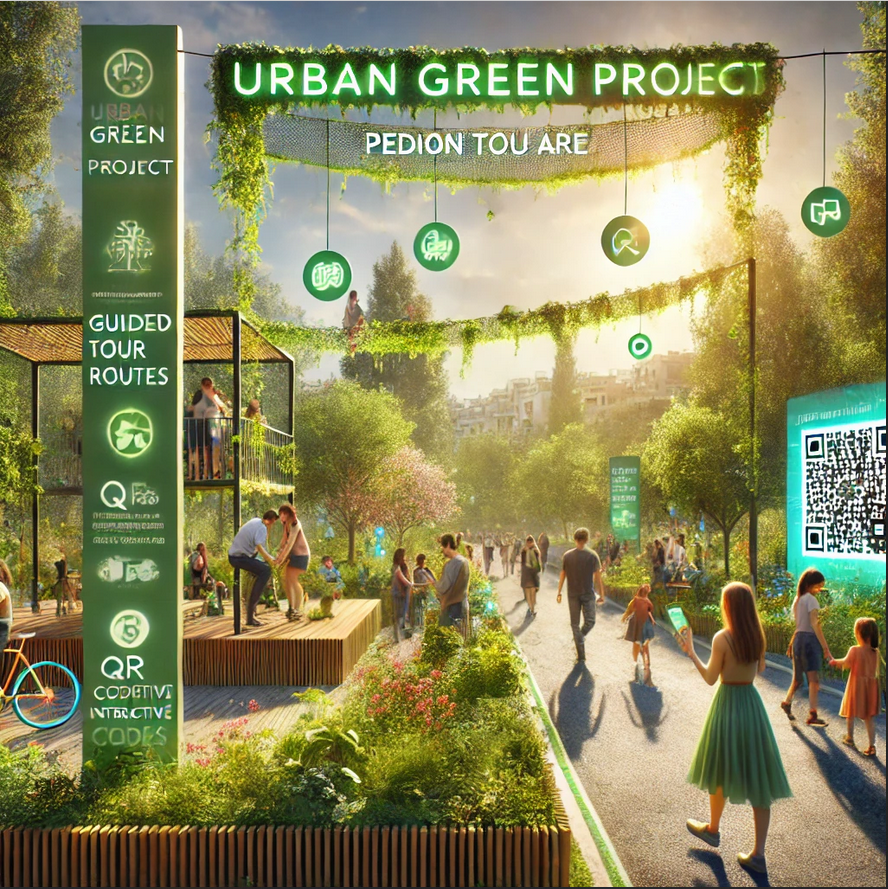
Our project transforms Pedion tou Areos into an open-air environmental classroom, where guided tours, interactive storytelling, and digital tools help citizens rediscover the hidden biodiversity of their city. By blending education, technology, and community engagement, we inspire Athenians to appreciate, protect, and reconnect with urban nature.
Current stage development
Early concept
Geographical Scope
Local
Project Region
Athens, Greece, Greece
Urban or rural issues
Mainly urban
Physical or other transformations
It refers to other types of transformations (soft investment)
EU Programme or fund
No
Description of the project
Summary
Urban Green Trails: Reconnecting with Nature in Pedion tou Areos" is an initiative designed to bridge the gap between urban living and environmental awareness. The project aims to reintroduce Athenians to the natural beauty of Pedion tou Areos, one of the city's largest green spaces, through guided walks, educational materials, and digital engagement tools such as podcasts and interactive maps. Targeting a broad audience, including students, families, and nature enthusiasts, the initiative seeks to foster environmental consciousness, community engagement, and appreciation for urban biodiversity. By making green spaces more accessible and meaningful, the project encourages sustainable urban development and collective responsibility for the environment.
Key objectives for sustainability
The project promotes sustainability by enhancing awareness of urban biodiversity and the ecological role of green spaces. By educating citizens on local flora and ecological balance, it encourages responsible behaviors, such as preserving natural habitats and reducing urban pollution. The project's methodology is low-impact, utilizing digital platforms to minimize physical resource consumption. Additionally, partnerships with local environmental organizations ensure that the knowledge shared is based on sustainable urban planning principles, making this an exemplary model of grassroots sustainability efforts.
Key objectives for aesthetics and quality
The initiative transforms Pedion tou Areos into an immersive educational and aesthetic experience. Through well-designed guided tours, storytelling elements, and interactive media, visitors engage with the park beyond passive recreation. The use of visual elements such as artistic signage, QR codes linking to digital content, and creative nature-based workshops enhances the cultural and aesthetic appreciation of urban green spaces. The integration of local artists and designers in the project further elevates its aesthetic value.
Key objectives for inclusion
Accessibility is a key pillar of the project. The guided tours are designed to accommodate individuals with disabilities, with specific routes mapped out to ensure mobility-friendly access. Digital content, including podcasts and online materials, allows those unable to visit the park physically to participate remotely. The initiative also includes multilingual resources to reach a more diverse audience, making it a replicable and inclusive model of urban environmental education.
How Citizens benefit
The project engages citizens actively by involving them in interactive experiences rather than passive observation. Visitors can contribute to a digital database of biodiversity findings, enhancing their sense of ownership over the park’s preservation. Community workshops and volunteer participation reinforce collective responsibility, leading to a more engaged and environmentally conscious urban population.
Physical or other transformations
It refers to other types of transformations (soft investment)
Innovative character
Unlike traditional conservation projects, this initiative blends environmental awareness with digital engagement. The use of podcasts, interactive maps, and citizen science platforms makes nature education more accessible and engaging for urban dwellers, bridging generational and digital divides.
Disciplines/knowledge reflected
The project integrates knowledge from environmental science, urban planning, education, and digital media. By combining these disciplines, it offers a holistic approach to reconnecting people with nature, making urban sustainability an engaging and interactive experience rather than just an abstract concept.
Methodology used
The project follows a participatory methodology, combining field research, citizen science, and digital media. Activities are structured in phases, from biodiversity mapping and content creation to public engagement through guided tours and digital platforms. This ensures continuous adaptation and improvement based on participant feedback.
How stakeholders are engaged
Collaboration with local and regional environmental organizations, educational institutions, and municipal authorities strengthens the project’s impact. Schools benefit from structured educational programs, while municipal authorities receive valuable data on park usage and biodiversity. Engaging diverse stakeholders ensures a multi-faceted approach to sustainability and enhances the project's credibility and reach.
Global challenges
The project tackles issues such as biodiversity loss, urban heat islands, and environmental disengagement by offering a localized solution that enhances urban green spaces and fosters environmental stewardship. Through education and direct citizen involvement, it contributes to global sustainability goals at a community level.
Learning transferred to other parties
The methodology can be easily adapted to other urban parks and green spaces. The digital elements, such as educational podcasts and interactive maps, require minimal modification for application in different cities. The community engagement model, which includes participatory data collection and local partnerships, can be replicated in other municipalities seeking to promote sustainable urban green spaces.
Next steps
Following the application, the project will expand its digital content library, including additional interactive resources. Efforts will be made to collaborate with more local schools and community groups to increase engagement. The introduction of seasonal themed walks (e.g., spring blossoms, autumn biodiversity) will provide fresh perspectives and maintain long-term interest.
Infrastructure or public space
No
Political support
No
Monetary value awarded
No