11 social housing units in Palma
Basic information
Project Title
11 social housing units in Palma
Full project title
11 social housing units in Palma
Category
Prioritising the places and people that need it the most
Project Description
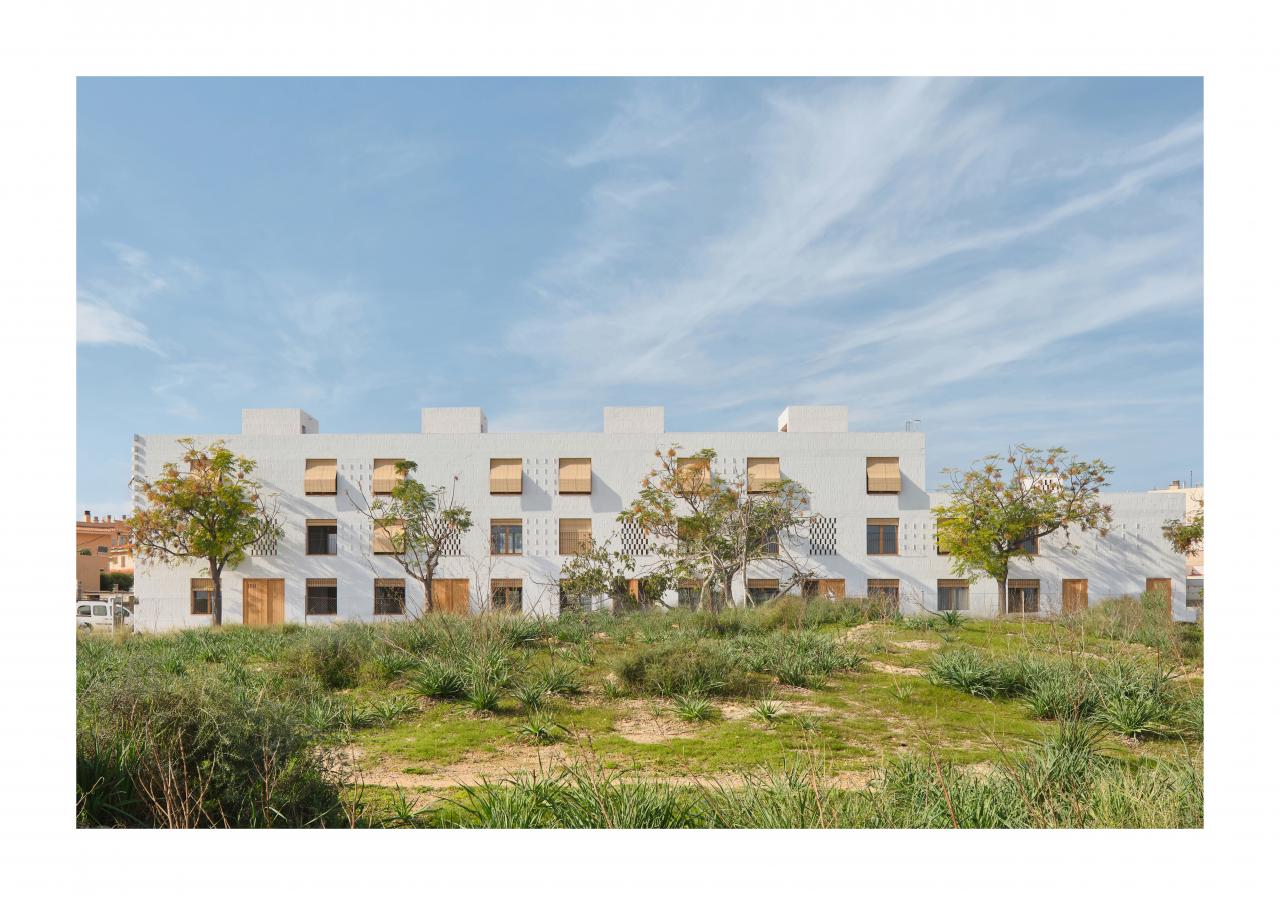
Eleven climate-responsive homes in Palma blend vernacular architecture with sustainability, using passive design to ensure cross-ventilation, natural light, and thermal comfort. Their flexible layouts maximize usability, while locally sourced materials and prefabrication minimize environmental impact. With drainable gardens and native vegetation enhancing resilience, this social housing project becomes a model of circular economy and adaptive, climate-conscious design.
Geographical Scope
Local
Project Region
Palma (Illes Balears), Spain
Urban or rural issues
It addresses urban-rural linkages
Physical or other transformations
It refers to other types of transformations (soft investment)
EU Programme or fund
No
Description of the project
Summary
The project consists of the construction of 11 social housing units located in Palma de Mallorca, specifically in the neighbourhood of El Coll d'en Rabassa. The objective is to address the urgent need for affordable and sustainable housing while enhancing the urban fabric. The target group includes low-income residents who require quality housing solutions that are environmentally responsible and economically feasible.
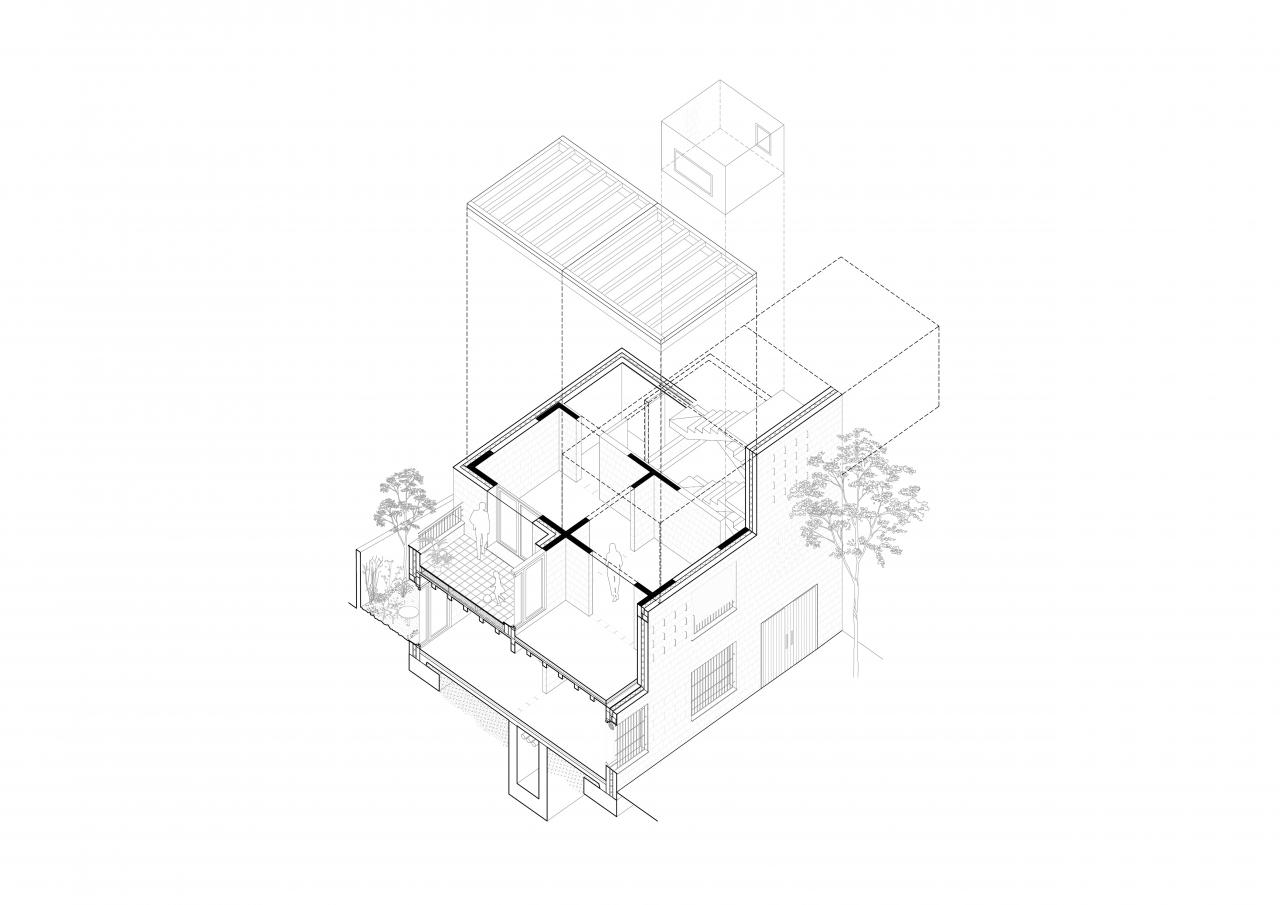
The project is designed to mitigate climate change effects through passive design strategies inspired by vernacular architecture. It integrates a compact yet adaptable volume that enhances urban connectivity while optimizing energy performance. The inclusion of green spaces and ventilated courtyards fosters both thermal comfort and social interaction. The use of local materials and prefabrication techniques ensures a low environmental impact and promotes circular economy principles. The achieved outcomes include high energy efficiency, reduced construction costs, and improved living conditions for the residents.
The project is designed to mitigate climate change effects through passive design strategies inspired by vernacular architecture. It integrates a compact yet adaptable volume that enhances urban connectivity while optimizing energy performance. The inclusion of green spaces and ventilated courtyards fosters both thermal comfort and social interaction. The use of local materials and prefabrication techniques ensures a low environmental impact and promotes circular economy principles. The achieved outcomes include high energy efficiency, reduced construction costs, and improved living conditions for the residents.
Key objectives for sustainability
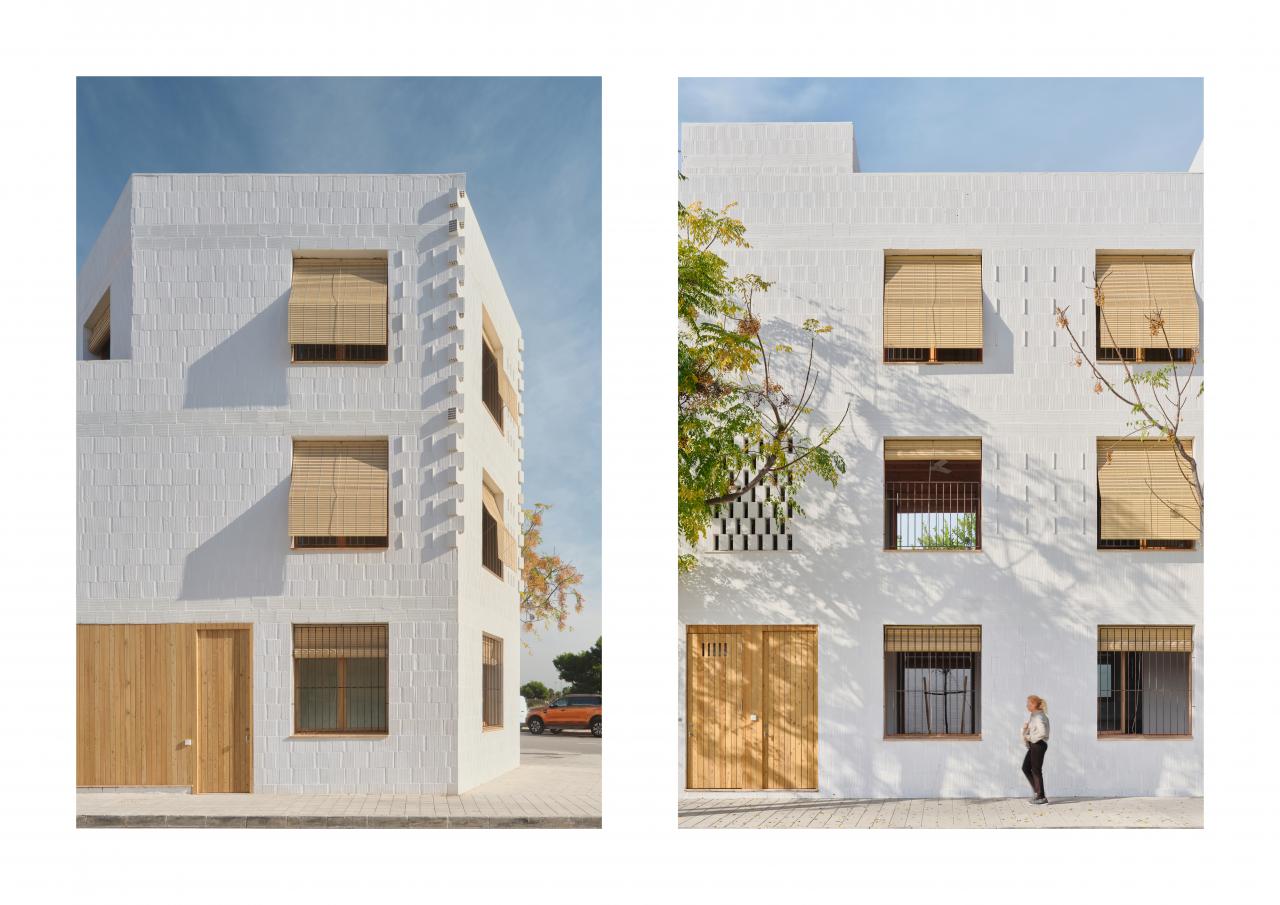
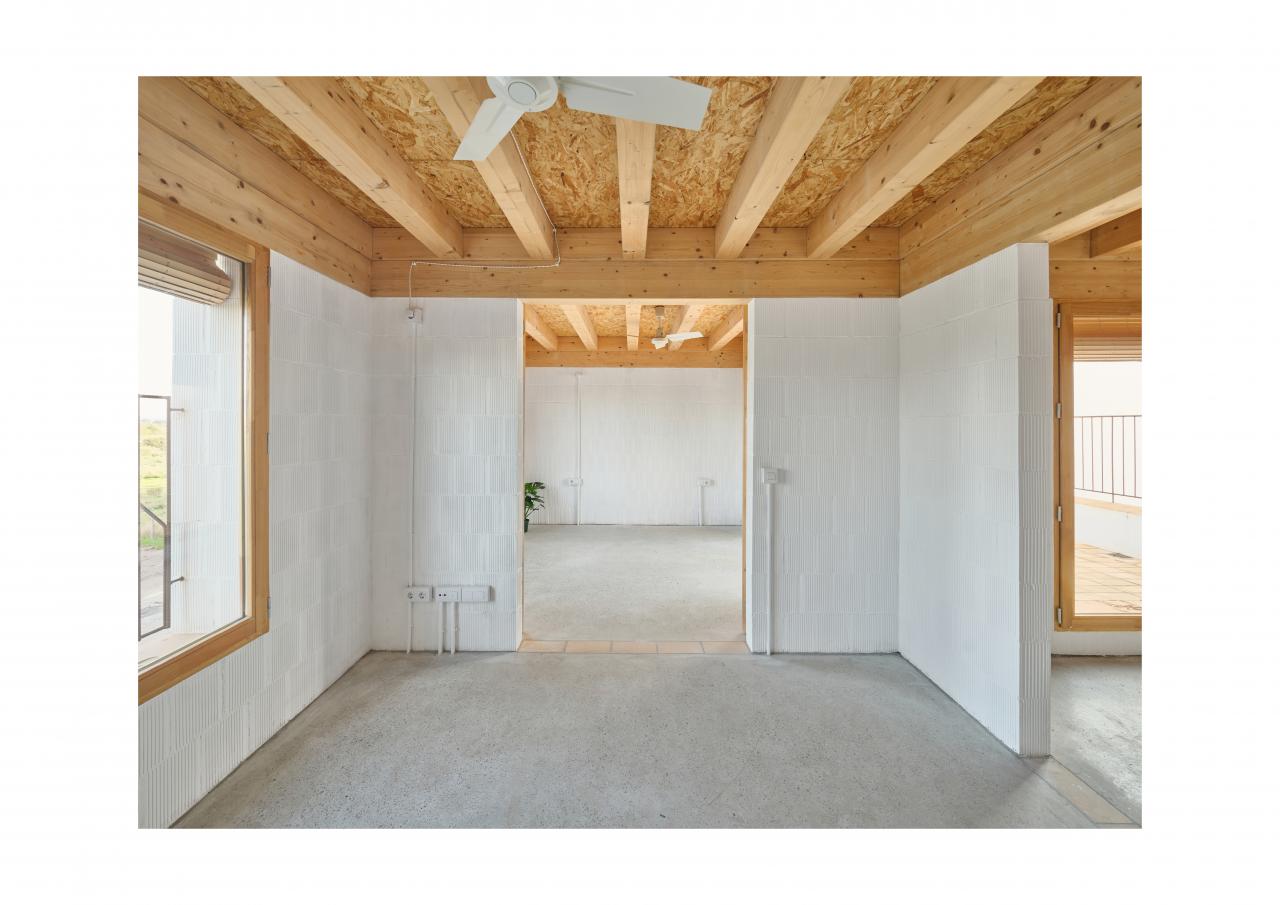
Sustainability is prioritized through various passive design strategies, reducing the ecological footprint of the project. Cross-ventilation is ensured through carefully positioned openings and skylights, reducing the need for artificial cooling. The west-facing façade incorporates setbacks that provide natural shading, while the use of permeable gardens minimizes urban heat island effects. Water-efficient landscaping with native plants reduces irrigation demand. Materials were selected based on proximity, durability, and recyclability, including locally sourced ceramic blocks and laminated timber structures, ensuring high thermal inertia and reducing embodied carbon.
Key objectives for aesthetics and quality
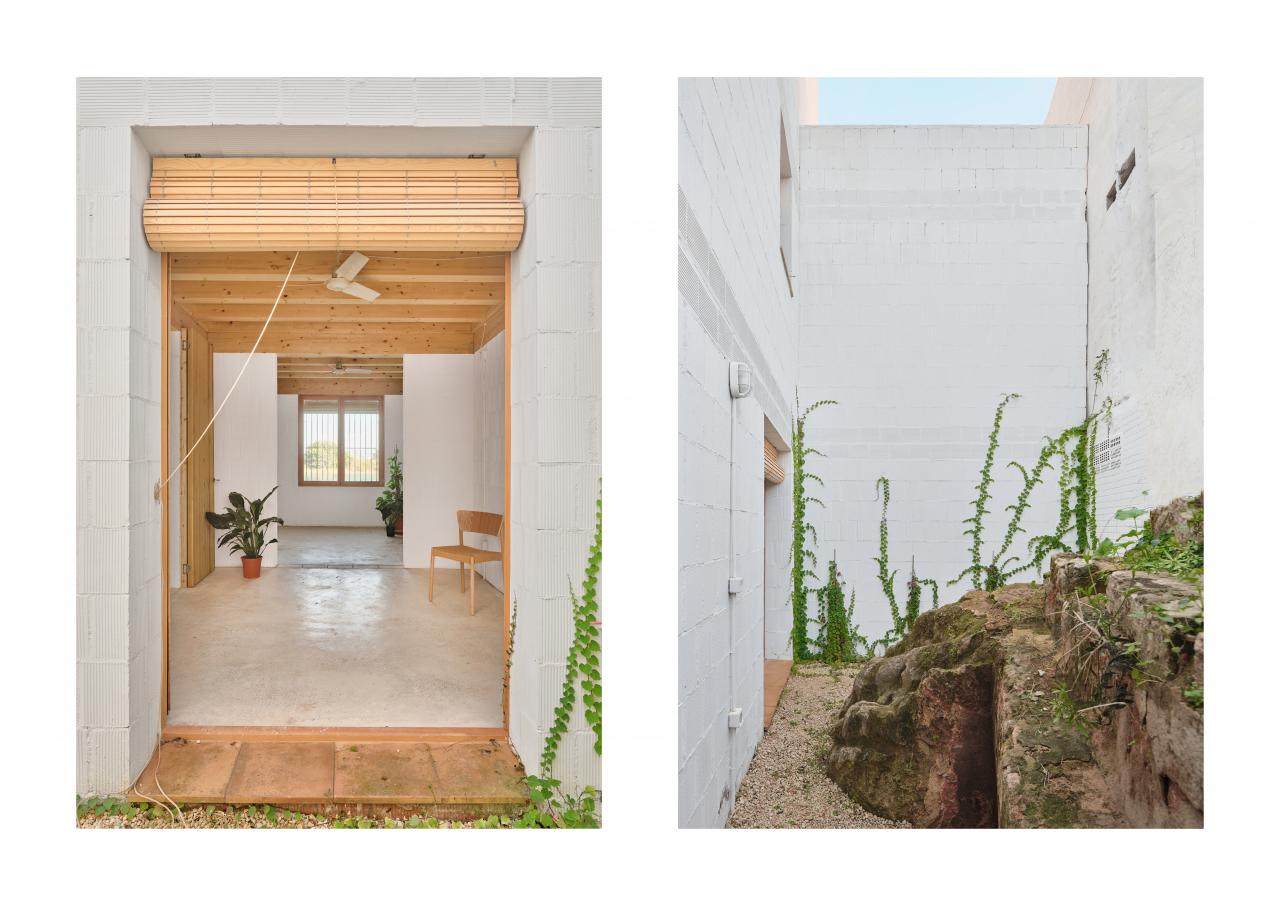
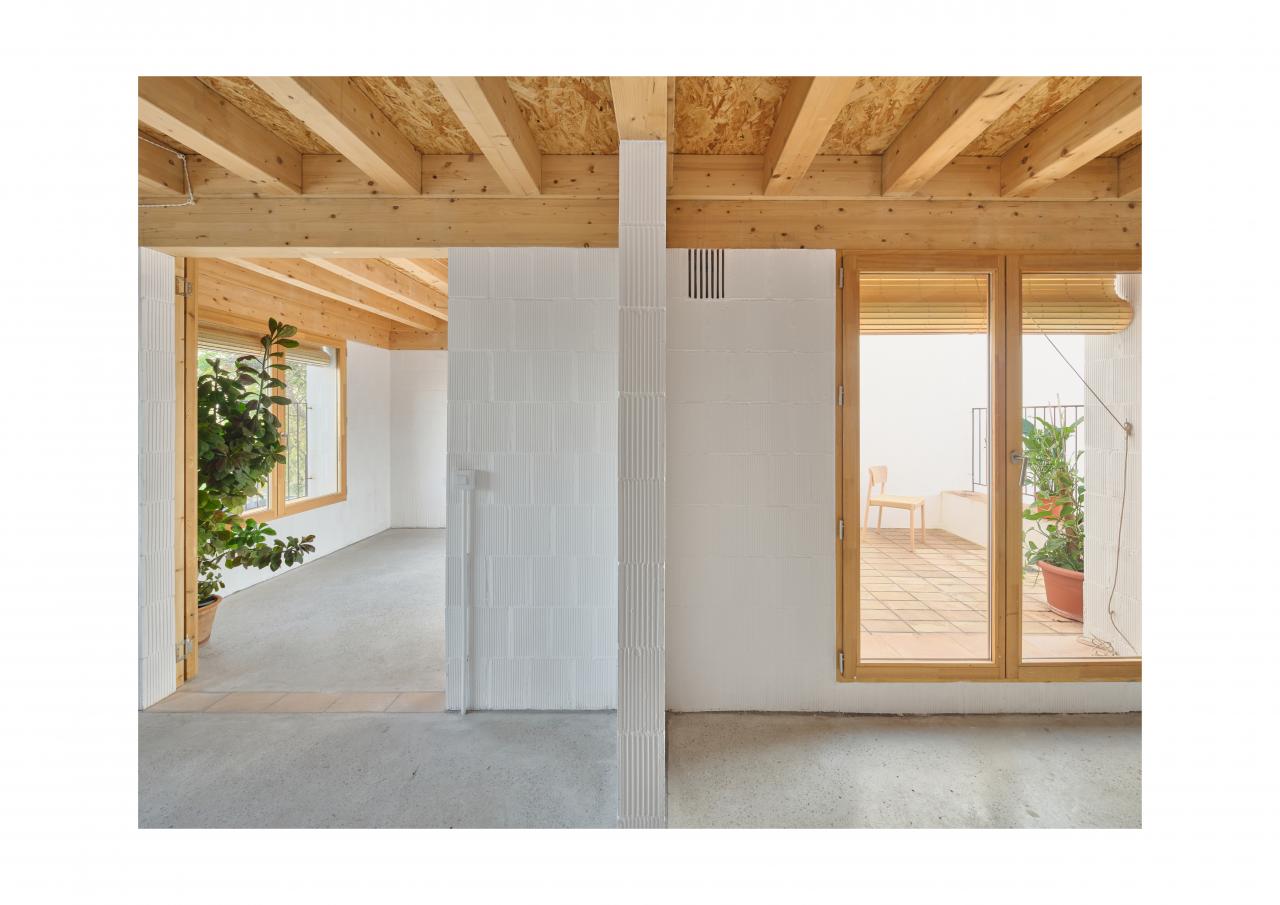
The design enhances the living experience by maximizing natural light, ventilation, and spatial flexibility. The interiors are non-hierarchical, eliminating unnecessary corridors to maximize usable space. The integration of inner courtyards and open terraces provides residents with semi-private outdoor areas, reinforcing a sense of community. The building’s materiality, featuring warm-toned ceramics and timber, creates a harmonious relationship with its Mediterranean surroundings.
Key objectives for inclusion
The different dwellings are designed with inclusivity in mind, offering affordable housing without compromising quality. It ensures accessibility through barrier-free circulation and universal design principles. Social integration is promoted by shared spaces that encourage interaction between residents. The project is also financially inclusive, employing cost-effective construction techniques that optimize resources while maintaining affordability.
Results in relation to category
They have been successfully delivered 11 high-quality social housing units, offering residents improved thermal comfort, lower energy costs, and enhanced living environments. The integration of green spaces and natural ventilation strategies has significantly reduced energy consumption. Additionally, the use of local materials has minimized transportation emissions, reinforcing the project's sustainability objectives.
How Citizens benefit
Community participation is integrated by responding to local housing demands and environmental concerns. By maintaining existing geological elements and respecting the neighbourhood’s urban morphology, the design aligns with residents’ needs and expectations.
Physical or other transformations
It refers to other types of transformations (soft investment)
Innovative character
This proposal challenges conventional social housing approaches by integrating high-performance, low-cost sustainability solutions. The combination of prefabricated wooden slabs and ceramic load-bearing walls allows for quick assembly and future recyclability. The strategy of reusing excavation soil to enhance acoustic and thermal insulation further distinguishes the project from typical housing developments.
Disciplines/knowledge reflected
The project brought together expertise from architecture, engineering, and environmental sciences. The integration of passive strategies required close cooperation between climate specialists and design teams, ensuring optimal thermal performance and long-term sustainability.
Methodology used
The design follows a modular and adaptable strategy, reducing waste through standardized construction elements. The approach is based on maximizing passive climate control techniques while minimizing mechanical interventions. Prefabrication was used to enhance construction efficiency and reduce labour costs, ensuring financial viability.
How stakeholders are engaged
Collaboration between public and private entities played a crucial role. The project was promoted by IBAVI, in partnership with architects, engineers, and construction firms, ensuring a multidisciplinary approach. Regional policies supporting sustainable housing development influenced the project's direction, reinforcing its impact at multiple levels.
Global challenges
It responds to global housing crises by providing affordable, sustainable housing solutions that mitigate climate change impacts. The emphasis on circular economy principles and passive design strategies offers a replicable model that aligns with international environmental goals.
Learning transferred to other parties
Several elements of the project can be adapted to different contexts, including:
• Passive climate adaptation strategies for warm climates.
• Prefabrication techniques to streamline construction and reduce costs.
• Use of local materials to lower embodied carbon.
• Flexible housing layouts that maximize space efficiency.
• Passive climate adaptation strategies for warm climates.
• Prefabrication techniques to streamline construction and reduce costs.
• Use of local materials to lower embodied carbon.
• Flexible housing layouts that maximize space efficiency.
Infrastructure or public space
No
Political support
No
Monetary value awarded
No