Small Municipalities foward into future
Basic information
Project Title
Full project title
Project Description
Current stage development
Project Region
Municipality
EU Programme or fund
Description of the project
Summary
Key objectives for sustainability
Vegetable garden/garden cultivation: the classes involved will take care of soil tillage, fertilizing, sowing, irrigation, thinning, harvesting; the choice of cultivation, sowing or transplanting.
Key objectives for aesthetics and quality
• Raising children’s awareness of the care and protection of the environment in which they live. Strengthen the sense of belonging to the territory of the school, so that children live it in a more respectful and responsible way at all times.
• Systematic observation of a natural habitat: the soil
Understanding the concept of "ecosystem" and the need to preserve its balance
Key objectives for inclusion
This project will continue and be maintained with the classes and future generations and will be enriched by both former students and older generations as witnesses of historical memory.
How Citizens benefit
The initiative in question actively engages citizens in various stages. Initially, there is a consultative phase where public consultations, surveys, and meetings are organized to gather input from local communities. This ensures that the project aligns with the needs and expectations of the people it aims to serve. During this phase, the impact on citizens is mainly about giving them a platform to voice their concerns, suggestions, and ideas, allowing them to shape the direction of the initiative.As the initiative progresses, citizens are invited to participate in workshops and collaborative decision-making sessions. This not only allows for more direct involvement but also builds trust between stakeholders. By including civil society organizations, the initiative gains diverse perspectives, especially those representing marginalized or underrepresented groups. Their involvement ensures that the initiative is inclusive and equitable, addressing the needs of all sectors of society.
The impact of this involvement on the initiative is profound. First, it leads to a more targeted and effective implementation, as citizens and civil society groups are more likely to support a project they helped shape. Moreover, the initiative benefits from local knowledge and grassroots insights, which can improve the relevance and efficiency of actions taken. This collaborative approach also fosters social cohesion, strengthens community bonds, and promotes collective responsibility, ensuring long-term sustainability.
Additionally, involving citizens and civil society in the monitoring and evaluation phases helps in holding the initiative accountable, identifying areas for improv
Innovative character
The innovative aspect of this initiative lies in the combination of traditional practices with contemporary approaches. For example, organic farming, traditionally practiced in Garfagnana, is strengthened through the adoption of innovative techniques for sustainable resource management, which helps preserve biodiversity without compromising agricultural productivity. Additionally, local culinary traditions, such as the production of chestnuts, mushrooms, and cured meats, are reinterpreted in a modern key, aiming to expand the market and promote the region nationally and internationally, with a particular focus on sustainability and product quality. Another example of innovation concerns local craftsmanship. The ancient traditions of woodworking and metalworking, which were once vital to the local economy, are being revitalized through the use of digital technologies for online promotion and the creation of virtual markets. This digitalization process allows Garfagnana artisans to reach new markets without losing their connection to traditional techniques, such as the production of handmade furniture, ceramics, and textiles. Moreover, the integration of local traditions into the tourism sector is another innovative aspect. The initiative not only promotes tourism but also offers immersive experiences that allow visitors to directly engage with Garfagnana traditions, such as participating in local festivals, chestnut harvesting, and cheese making, thus creating an authentic link between the past and the present. In summary, the innovation of the initiative lies in its ability to blend tradition and moder
Disciplines/knowledge reflected
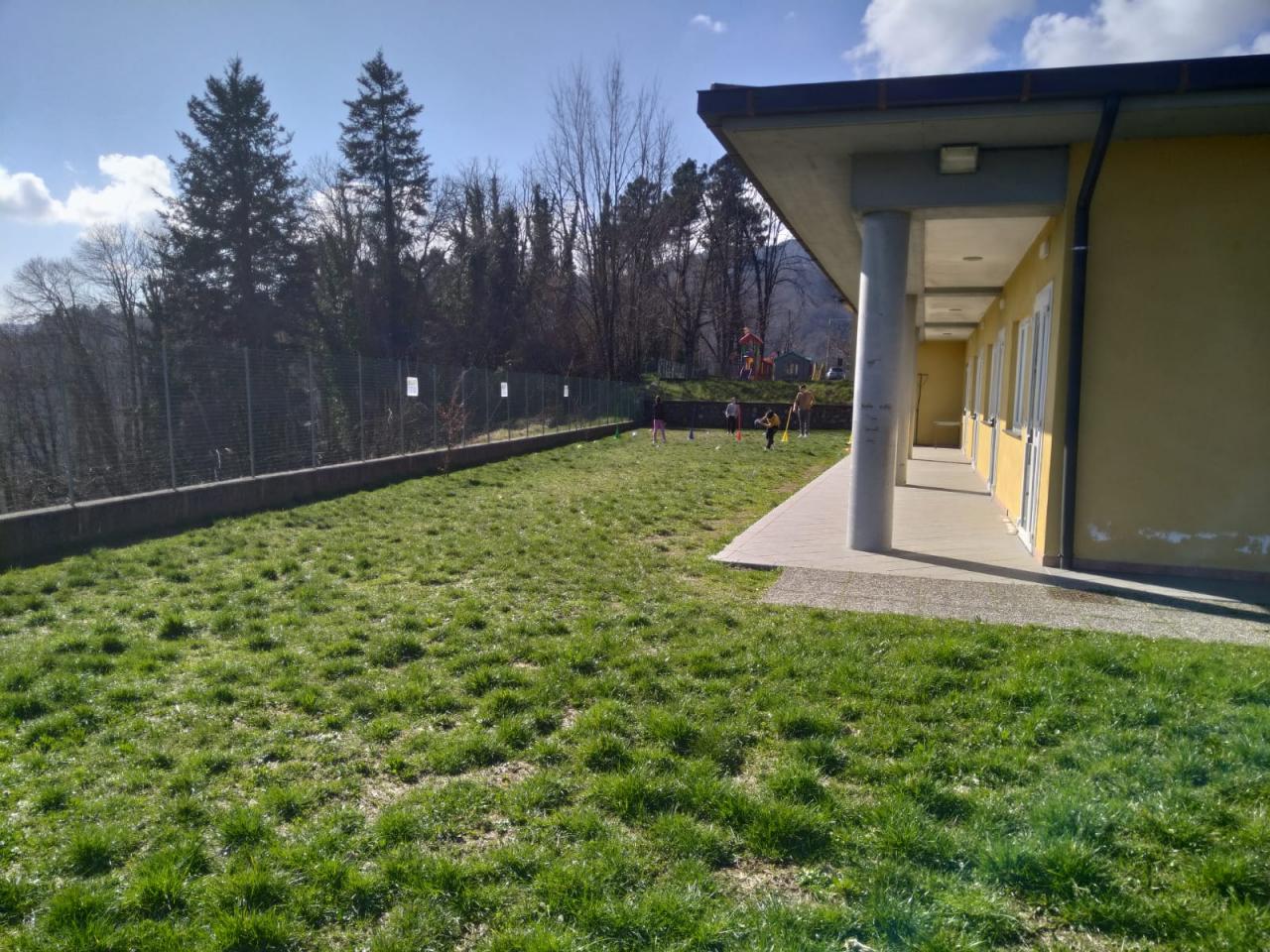
2) Finding the area of the plexus, choosing an already existing area on the territory, owned by the municipality.
3) Analysis of the procedures to be carried out for the architectural/cultural aspect and for the energy saving solutions envisaged.
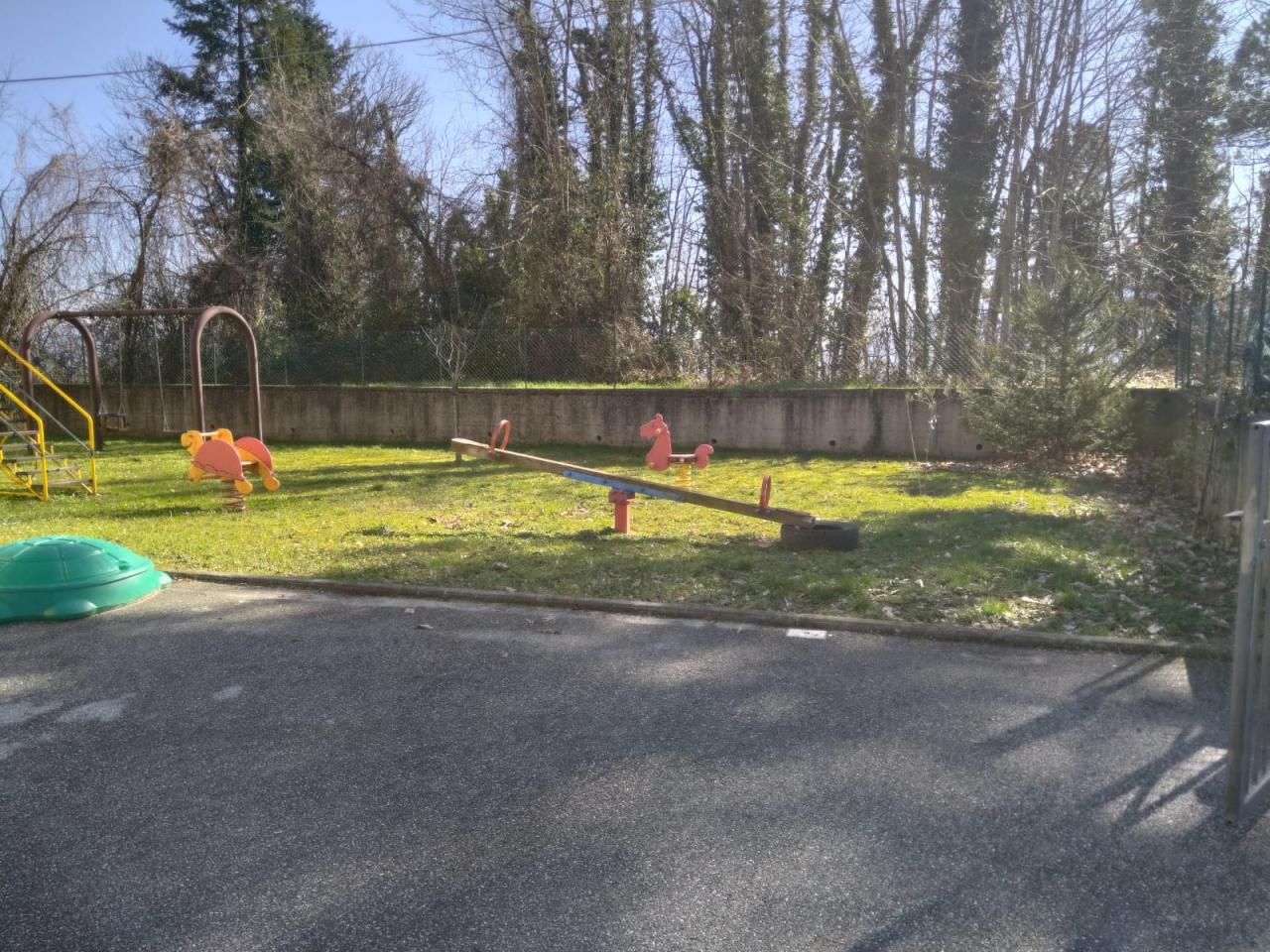
4) Activation of a territorial network participating in the design, construction and maintenance phase of the vegetable garden/garden, through the involvement of parents of local associations and anyone who wants to join in. At the same time, eco-sustainable games will be included and eco-sustainability measures will be taken.
5) Vegetable garden/garden cultivation: the classes involved will take care of soil tillage, fertilizing, sowing, irrigation, thinning, harvesting; the choice of cultivation, sowing or transplanting.
6) Cleaning the area to be cultivated: from leaves in autumn and winter, to herbs in spring and summer.
7) Drawing up of cards enabling children and young people to observe, describe, organize the material and information collected in order to communicate it; collection of information and observations on the plants examined or through trunk sections, branches, roots and relationships with earth, water and light.
8) Data collection and trasmission of the work done, through photographs, posters and school website.
Methodology used
In the tourism sector, the methodology integrates immersive experiences that allow visitors to engage directly with Garfagnana traditions.
How stakeholders are engaged
At the local level, citizens, local authorities, and community organizations play a central role. During the design phase, consultations and participatory workshops are conducted to gather input, ensuring the initiative meets the needs of the community. Local stakeholders are also actively engaged in implementation, offering on-the-ground feedback and ensuring that the initiative reflects the realities of the area.
At the regional level, regional governments and relevant associations contribute to the coordination and scaling of the initiative. They help align the project with regional strategies, provide policy frameworks, and support through funding and logistical coordination. This level ensures the initiative is coherent with other regional efforts and helps expand its impact beyond individual localities.At the national level, national governments and ministries set the legislative and policy frameworks that guide the initiative. They ensure alignment with national priorities, regulations, and funding opportunities. National stakeholders offer resources and expertise to scale the initiative and help coordinate between local and European levels, ensuring smooth communication and integration across all governance layers. At the European level, the European Union and related institutions provide vital support through funding programs, policy guidance, and strategic frameworks. They ensure the initiative aligns with broader EU objectives, such as sustainable development and social inclusion, and offer access to networks and additional resources. Their involvement ensures the initiative contributes to EU strategies and benefits from EU-wide policies. In summary, engaging stakeholders at all levels—local, regional, national, and European—creates a coordinated and effective appr
Global challenges
Another global issue is the **preservation of cultural heritage**. The initiative integrates traditional craftsmanship with digital tools, enabling artisans to reach global markets while maintaining their cultural traditions. This approach supports local economies and ensures that artisanal skills are not lost to globalization.
Finally, the initiative addresses the **need for inclusive and sustainable tourism**. By offering immersive cultural experiences, it promotes eco-friendly tourism that supports local communities and reduces the negative impact of mass tourism. This contributes to the sustainable development of regions, fostering a balance between economic growth and environmental conservation.
Learning transferred to other parties
Next steps
Create activities through which children are encouraged to use their senses to connect with nature and develop or improve different skills such as exploration, observation and manipulation.<br />
• Raising children’s awareness of the care and protection of the environment in which they live. Strengthen the sense of belonging to the territory of the school, so that children live it in a more respectful and responsible way at all times.<br />
• Systematic observation of a natural habitat: the soil<br />
Understanding the concept of "ecosystem" and the need to preserve its balance. <br />
• To disseminate a proper knowledge of the seasonality and origin of the food we eat.• Stimolare i rapporti intergenerazionali. <br />
• Promote "practical" work as a tool for building processes of socialization, integration and exchange.<br />
• Educate to beauty, harmony and order<br />
• PROJECT IMPLEMENTATION This project will continue and be maintained with the classes and future generations and will be enriched by both former students and older generations as witnesses of historical memory.<br />