Boiro: Building Future, Caring the Roots
Basic information
Project Title
Full project title
Project Description
Current stage development
Project Region
Municipality
EU Programme or fund
Description of the project
Summary
Boiro identified that certain young people need stable housing to continue their education or enter the workforce: a) Youth who have been under public care but, upon turning 18, are left without a social, family, or economic safety net, b) Teenagers from unstable family environments who were never officially taken into care but, upon reaching adulthood, seek to leave home for a better life, and c) Minors who, even if not formally eligible for public care, would benefit from an alternative living arrangement.
For these groups, A Casiña provides a temporary home for up to two years, allowing them to study, train, or save money while beginning their careers, as Boiro provides accommodation and basic needs to enable their transition toward independence. This initiative is particularly innovative in both Galicia and Spain, and the European Union, as it addresses the specific segments of young people described above.
Beyond housing, the initiative offers a comprehensive socio-educational program, including dental hygiene, anti-drug education, gender equality awareness, and access to key professionals such as social workers, psychologists, legal advisors, and employment counselors. Additionally, it connects participants with vocational training programs, integrated employment initiatives, and educational resources for job seekers.
With strong local political commitment, the project is designed to be replicable in other municipalities.
Key objectives for sustainability
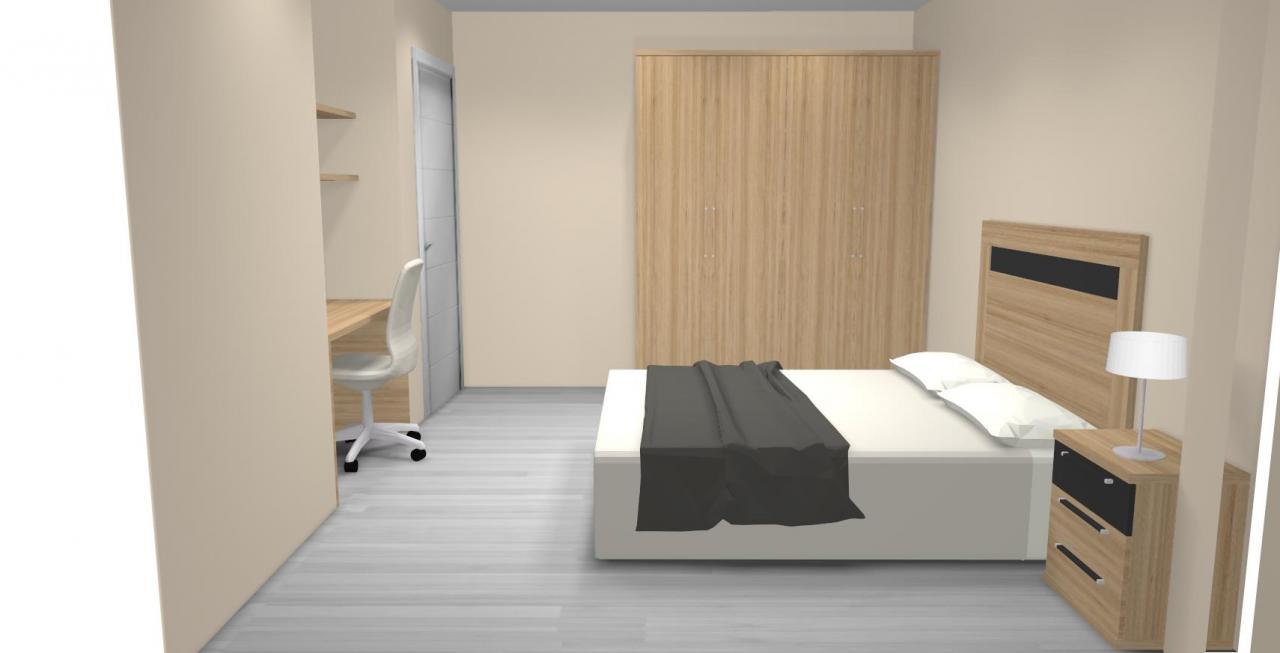
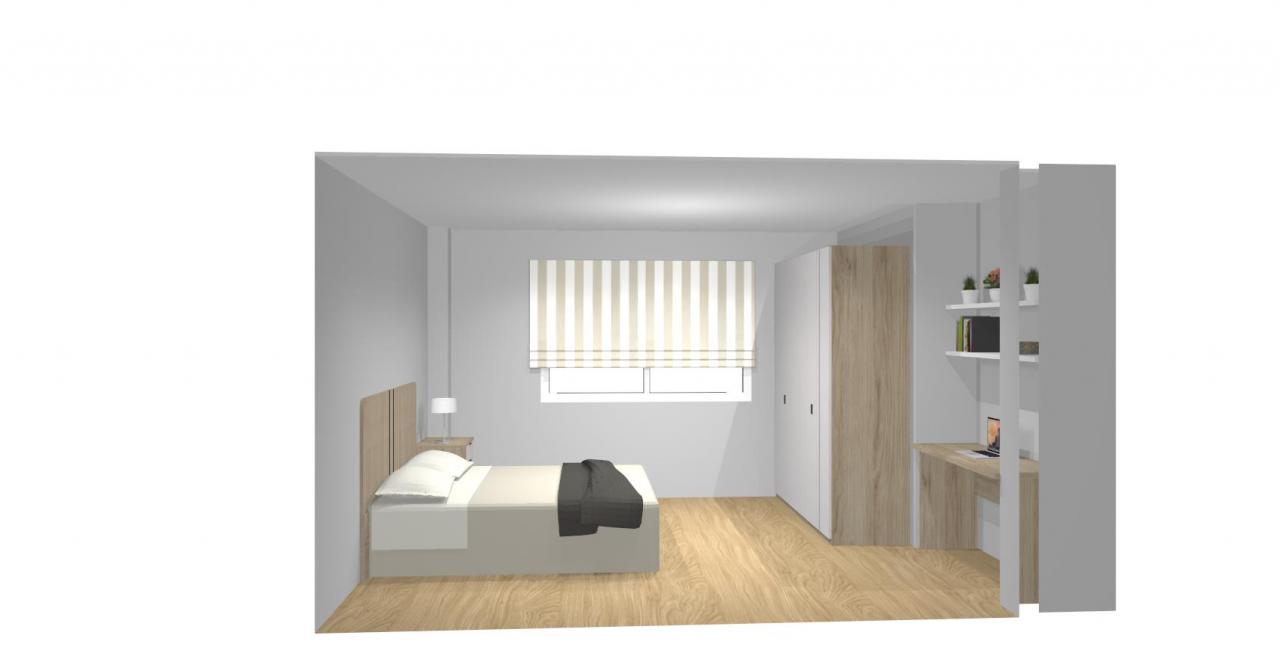
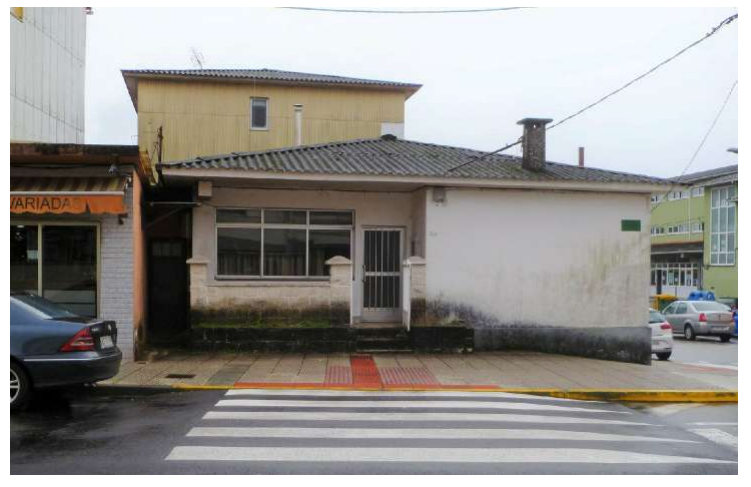
The initiative aims to transform an underutilized building into a sustainable and energy-efficient living space, demonstrating how adaptive reuse can meet pressing social needs while reducing environmental impact. The project integrates energy-efficient retrofitting, minimizes waste, and ensures a local circular approach to urban rehabilitation. This helps support carbon footprints, preserve local identity, and maximize resource efficiency. The restoration focuses on high-performance insulation, renewable energy sources, and sustainable materials, ensuring a low-energy demand household aligned with NEB's sustainability principles.
A Casiña do Benquerer goes beyond conventional urban renewal, demonstrating how heritage conservation, energy efficiency, and circular economy principles can coexist in social housing. Bridging the gap between environmental responsibility and social inclusion provides a replicable model for small municipalities across Europe.
Key objectives for aesthetics and quality
More than a shelter, A Casiña do Benquerer is a culturally meaningful space that connects tradition with innovation. The project respects the historical and architectural character of the building, ensuring that its rehabilitation preserves local identity while adapting it to modern energy standards. The design process embraces community participation, ensuring that the rehabilitated space reflects the needs and aspirations of its future residents. The initiative integrates traditional Galician architectural elements with modern, sustainable materials and energy-efficient solutions, as the project achieves a balance between aesthetic continuity and functional transformation.
Furthermore, it fosters a sense of belonging and well-being by creating an inviting, warm environment that encourages interaction. The initiative humanizes social housing, proving that affordable, inclusive living can also be beautiful, dignified, and emotionally enriching.
A Casiña do Benquerer demonstrates that heritage and sustainability can be integrated into inclusive housing models. It activates public spaces by revitalizing abandoned buildings while strengthening cultural continuity, offering a replicable model for other municipalities looking to preserve identity while addressing housing challenges.
Key objectives for inclusion
A Casiña do Benquerer is a transformative initiative that rethinks the way small municipalities support vulnerable youth. Instead of short-term emergency aid, it provides a structured path to independence through housing, education, employment opportunities, and social integration.
Targeting young people aging out of the child protection system and those from unstable family backgrounds, the initiative ensures equal access to housing, resources, and opportunities. Beyond accommodation, residents receive comprehensive socio-educational support, including vocational training, legal assistance, and psychological counselling.
The project also fosters active participation, empowering young residents to engage in decision-making processes about their living environment. Through partnerships with local businesses, institutions, and civic organizations, it creates bridges to long-term employment and social inclusion.
A Casiña do Benquerer does not just consolidate existing social services—it redefines them. It provides a new model for inclusive housing, where social, economic, and emotional integration are equally prioritized. It breaks cycles of vulnerability and becomes a scalable reference for municipalities seeking sustainable, community-driven solutions for youth at risk.
How Citizens benefit
This collaborative approach ensures that the initiative reflects the community's collective vision, fostering a sense of ownership and empowerment among stakeholders.
By integrating diverse community voices, the initiative not only addresses immediate housing needs but also builds a resilient support network, setting a precedent for community-driven social initiatives.
Innovative character
On the other hand, the initiative fills a critical gap in social policy by supporting young people ageing out of public care or from unstable family backgrounds with structured socio-educational programs, job training, and psychosocial support, while in other context, youth leaving public care often receive limited transitional support and must rely on fragmented welfare services.
It is also important to highlight that most social housing or youth inclusion projects are top-down initiatives designed and implemented by public administrations or NGOs without deep community involvement, while A Casiña do Benquerer has been co-developed with local stakeholders, demonstrating a democratized social innovation, allowing beneficiaries and civil society to actively shape the initiative.
Finally, A Casiña do Benquerer is shaped in a scalable framework (INNOVAR-X) for a replicable sustainable model for Boiro (reutilization, local materials, local workforce), but extensive to other small and medium-sized municipalities across Europe, while many smaller cities and towns struggle to provide housing solutions for vulnerable youth due to budgetary and policy constraints.
Disciplines/knowledge reflected
Besides, the initiative follows a collaborative planning that facilitates regular workshops and meetings where professionals from various sectors co-design project components. Moreover, it continuously refines strategies based on interdisciplinary feedback and evolving community needs. An approach that ensures that the project addresses the complex challenges faced by vulnerable youth through innovative and well-rounded solutions.
By transcending traditional disciplinary boundaries, the initiative fosters innovation and effectiveness, serving as a benchmark for holistic project design.
Methodology used
- Social Innovation program and targeted youth intervention: Identify the needs and dimension the time for a temporary accommodation (up to two years, including the definition of supportive transition programs such as training, employability, psychological, and social support).
- Adaptive Reuse & Sustainable Urban Regeneration: Evaluation of the identification and assessment for the rehabilitation of a historical structure using energy-efficient solutions to balance cultural preservation with environmental sustainability.
- Participatory and Community-Driven Process. It is key to count on the involvement of civil society organizations and local actors in decision-making. Key stakeholders should, at least, be involved in social support, inclusivity, employability, among others.
- Next: Cross-Sector Collaboration and Training: Providing social, legal, and psychological services, that combines expertise from multiple disciplines (architecture, social work, psychology, sustainability).
- Next: Maintenance and Management
How stakeholders are engaged
This multi-tiered engagement ensures coherence between grassroots actions and overarching policy frameworks, enhancing the project's sustainability and impact as A casiña do benquerer’ ability to harmonize local initiatives with municipal and national strategies demonstrates a scalable model of integrated governance and community collaboration.
Global challenges
This initiative provides a local solution to a systemic gap, offering a safe, temporary home where young people can study, train, and transition to independence. By rehabilitating existing buildings instead of building new structures, A Casiña do Benquerer also addresses the global need for sustainable urban regeneration, reducing construction waste and energy consumption while preserving cultural heritage.
At the same time, the project responds to the challenge of declining civic participation and weakened community ties by engaging local NGOs, youth organizations, and educational institutions in its design and implementation. The participatory approach ensures that social solutions are rooted in local realities, while creating a replicable model for other municipalities facing similar challenges.
By bridging social inclusion, sustainability, and participatory governance, A Casiña do Benquerer contributes to global goals such as the 2030 Agenda for Sustainable Development, particularly in reducing inequalities, promoting sustainable cities, and fostering social resilience.
Learning transferred to other parties
A Casiña do Benquerer is a scalable model of social inclusion and sustainable urban regeneration that can be adapted to different locations, vulnerable groups, and policy contexts. The initiative repurposes existing buildings, demonstrating how municipalities can transform underutilized spaces into energy-efficient housing for at-risk youth. Its temporary accommodation model (up to two years), combined with vocational training, employment pathways, and psychosocial support, offers a structured transition to independent living.
Next steps
A Casiña do Benquerer is advancing towards full implementation through a structured, participatory, and multi-stakeholder approach. The next steps will focus on finalizing the energy-efficient rehabilitation of the building, strengthening partnerships, and launching a comprehensive support program for young beneficiaries. According to the municipal declaration of verification of the reform and start of the work (attached), the next steps will include:<br />
- Finalizing Architectural and Energy-Efficient Rehabilitation (started in 27th January 2025 – Expected duration: 6 months). It is planned to implement retrofitting to enhance energy performance while preserving the building’s cultural integrity, as well as the use of low-impact materials and renewable energy solutions to align with NEB sustainability values.<br />
- Ongoing collaboration with the stakeholders to refine support services, and further engagement with local businesses and vocational training centres to establish employment pathways for residents.<br />
- Launch of Social and Educational Programs that provides temporary housing and structured support for vulnerable youth, and includes psychosocial support, career guidance, and legal aid, ensuring a holistic transition to independence.<br />
<br />
Sustainability has been embedded through the adaptive reuse of an existing structure, minimizing environmental impact while promoting efficient energy use. Aesthetics is incorporated by preserving cultural heritage, ensuring the rehabilitation respects Boiro’s architectural identity. Inclusion remains central, with a strong participatory process, engaging local stakeholders in co-designing solutions.