Cantos River Park
Basic information
Project Title
Full project title
Project Description
Current stage development
Project Region
Municipality
EU Programme or fund
Description of the project
Summary
The initiative is driven by the Espinheiro Green Lab, a community-led effort focused on renaturalizing the village, improving public spaces, and promoting environmental awareness. It aligns with the broader a Natural Park Serras de Aire e Candeeiros territorial strategy, reinforcing ecological connectivity and community resilience.
The target groups include residents, families, young people, and the elderly, with a strong connection to the adjacent Social Centre. The project will provide opportunities for intergenerational activities, social inclusion programs, and outdoor learning.
The main objectives are:
• Transforming Cantos River Park into a quality public space with nature-based solutions that enhance biodiversity and climate resilience;
• Revitalizing the existing sports field to support sports, leisure, and cultural activities;
• Improving accessibility, ensuring an inclusive space for all, including people with reduced mobility;
• Fostering social cohesion, encouraging civic participation through community-driven activities.
The expected outcomes include a fully requalified park with biodiversity-friendly landscaping, upgraded sports facilities, and accessible pathways. It will strengthen social interactions, provide spaces for education and recreation, and serve as a model for participatory urban regeneration in small municipalities. By bringing together residents and stakeholders, the project will position Espinheiro as a reference for sustainable and inclusive development.
Key objectives for sustainability
Sustainability is also achieved through sustainable land-use practices, including permeable pavements to reduce runoff, native vegetation to improve soil quality, and the replacement of artificial barriers with green infrastructure. These measures boost climate adaptation, preparing the area to withstand extreme weather events such as floods and droughts while promoting carbon sequestration and air purification.
Beyond environmental sustainability, the initiative also prioritizes social and economic sustainability. The park is designed as a community hub, fostering social cohesion, environmental education, and intergenerational engagement. Its proximity to the Espinheiro Social Centre strengthens civic participation, while its integration with the “Carpintaria” Maker Space promotes circular economy principles and sustainable use of local forest-based materials. By enhancing accessibility, supporting local businesses, and encouraging eco-tourism and nature-based enterprises, the project stimulates a resilient, low-impact rural economy.
Finally, the Requalification of Cantos River Park is exemplary within the New European Bauhaus framework, demonstrating how rural communities can balance environmental conservation with economic and social revitalization, setting a new standard for sustainable rural regeneration.
Key objectives for aesthetics and quality
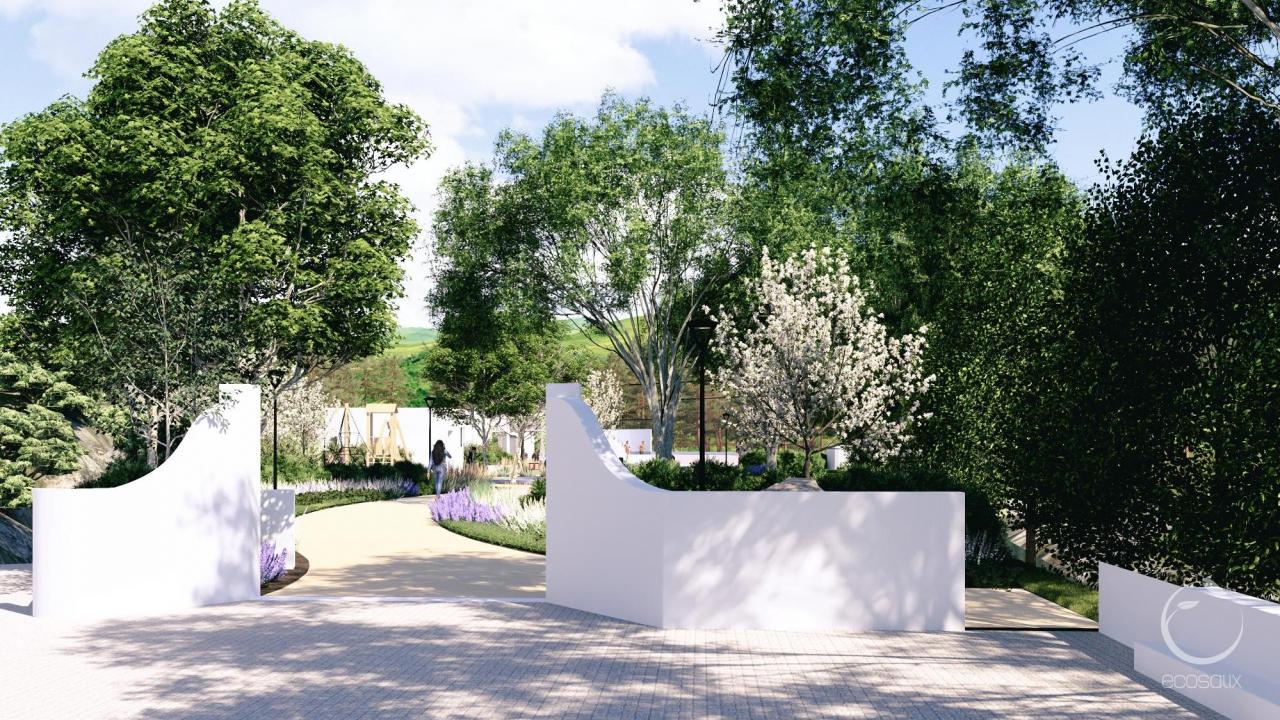
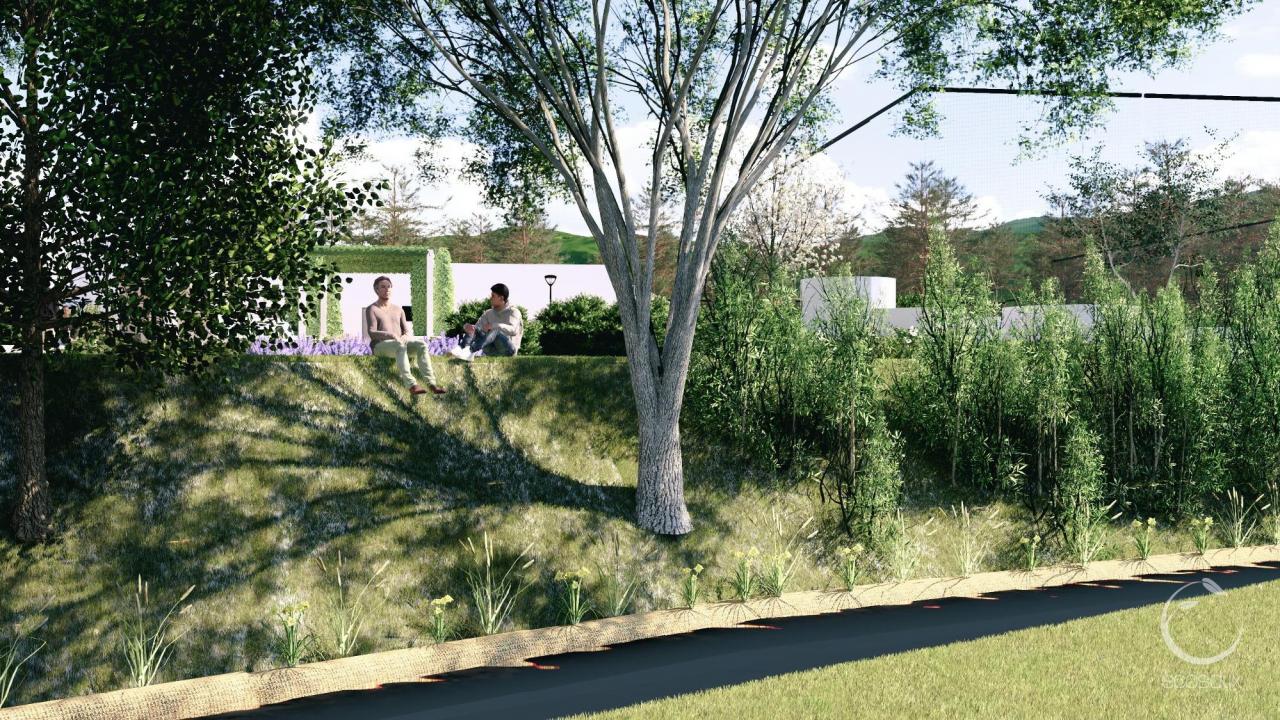
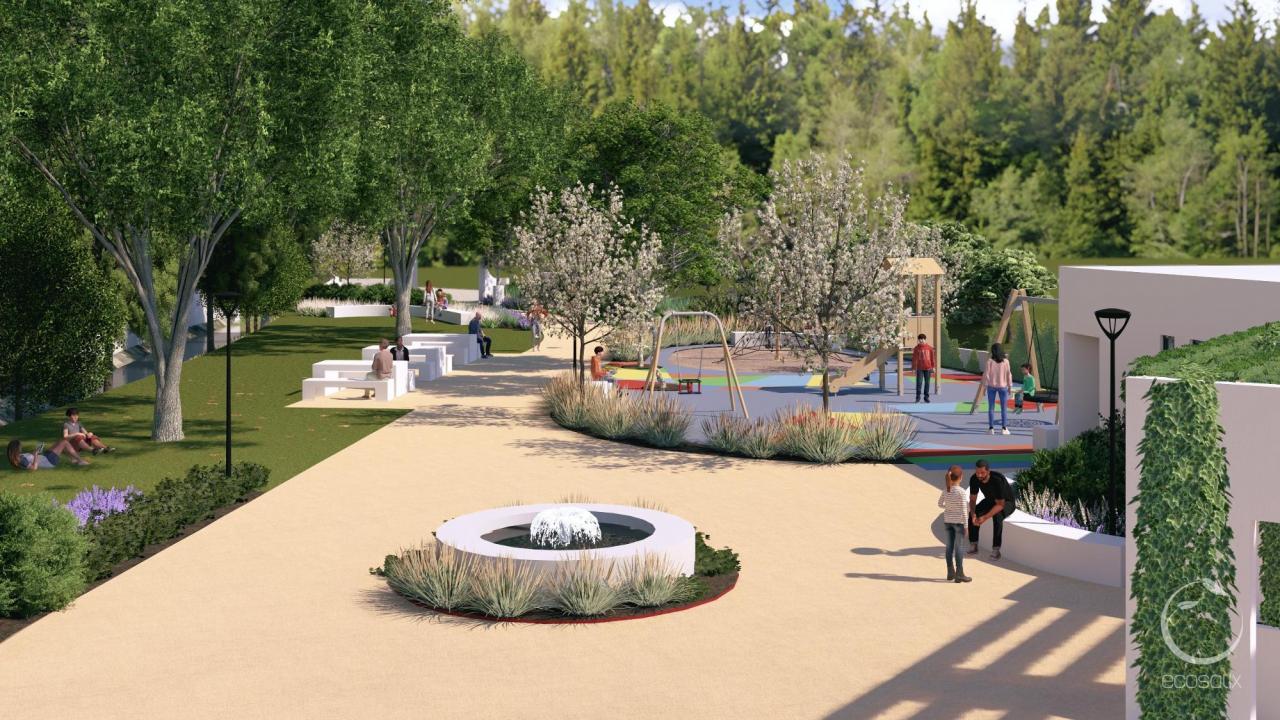
At the core of the project is the renaturalization a water stream and adjacent green area, integrating NbS` to enhance biodiversity and water quality. Complementary to this, the project incorporates key design elements that elevate the quality of experience:
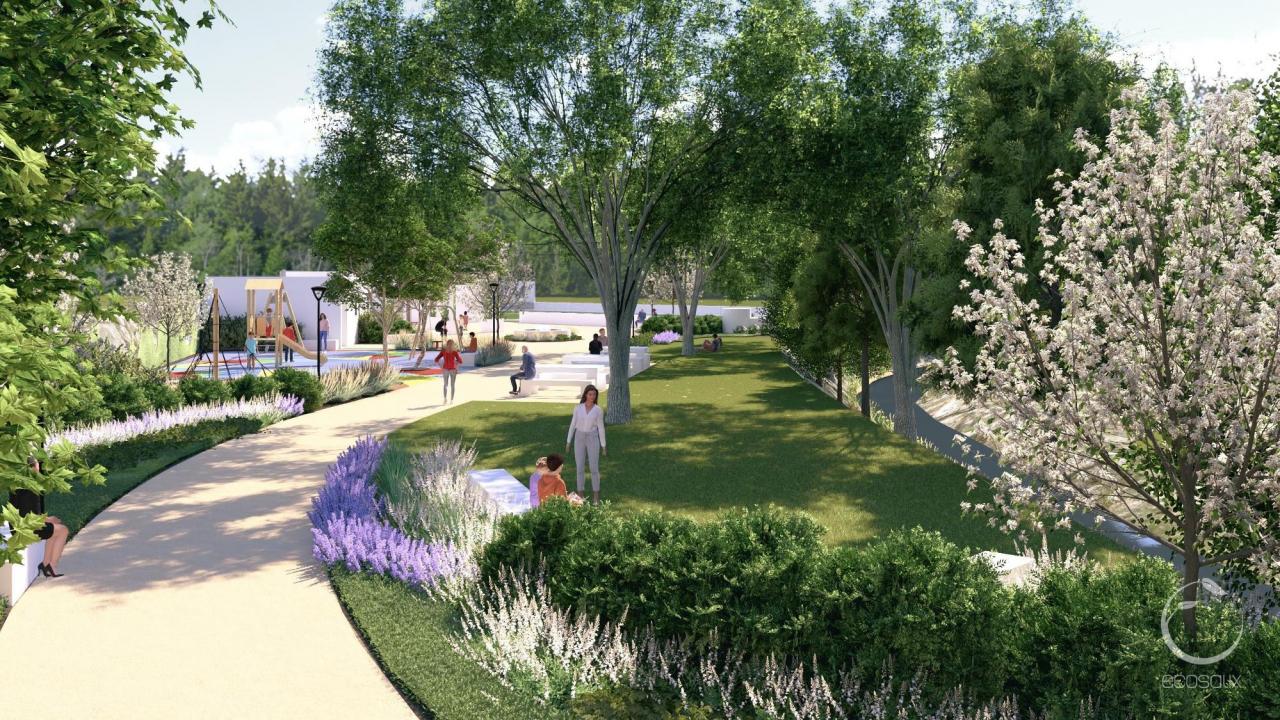
1) Rehabilitation of the sports ring into a modern, versatile facility with safe, high-quality flooring, repaired bleachers, and updated sports equipment, creating an inviting space for community activities;
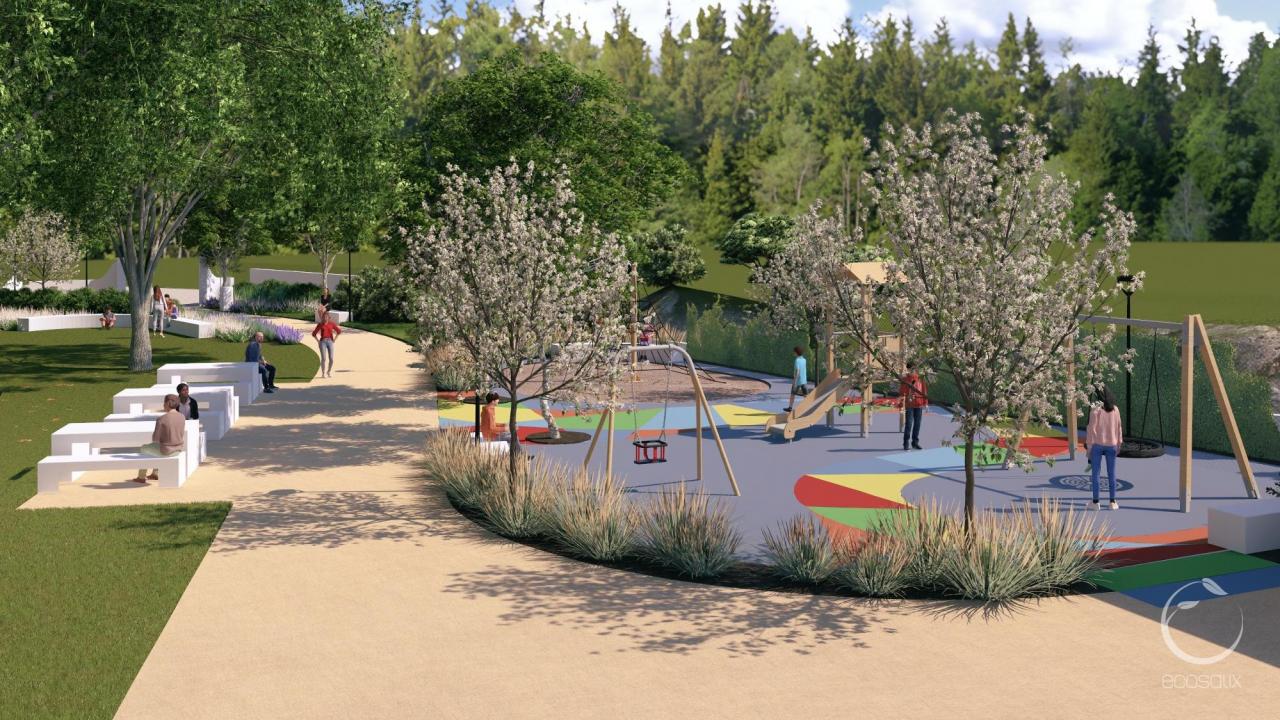
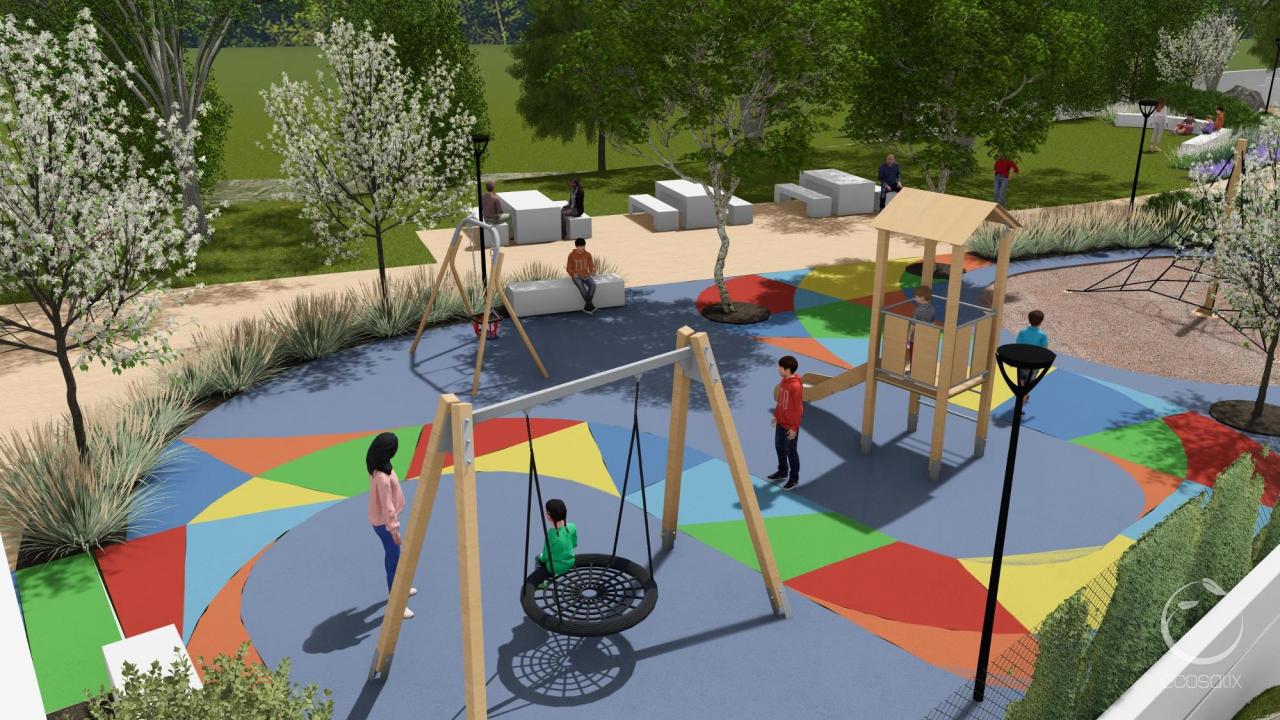
2) Replacement of the outdated playground with modern, inclusive, and aesthetically pleasing equipment that caters to children of different age groups, fostering play, creativity, and social interaction;
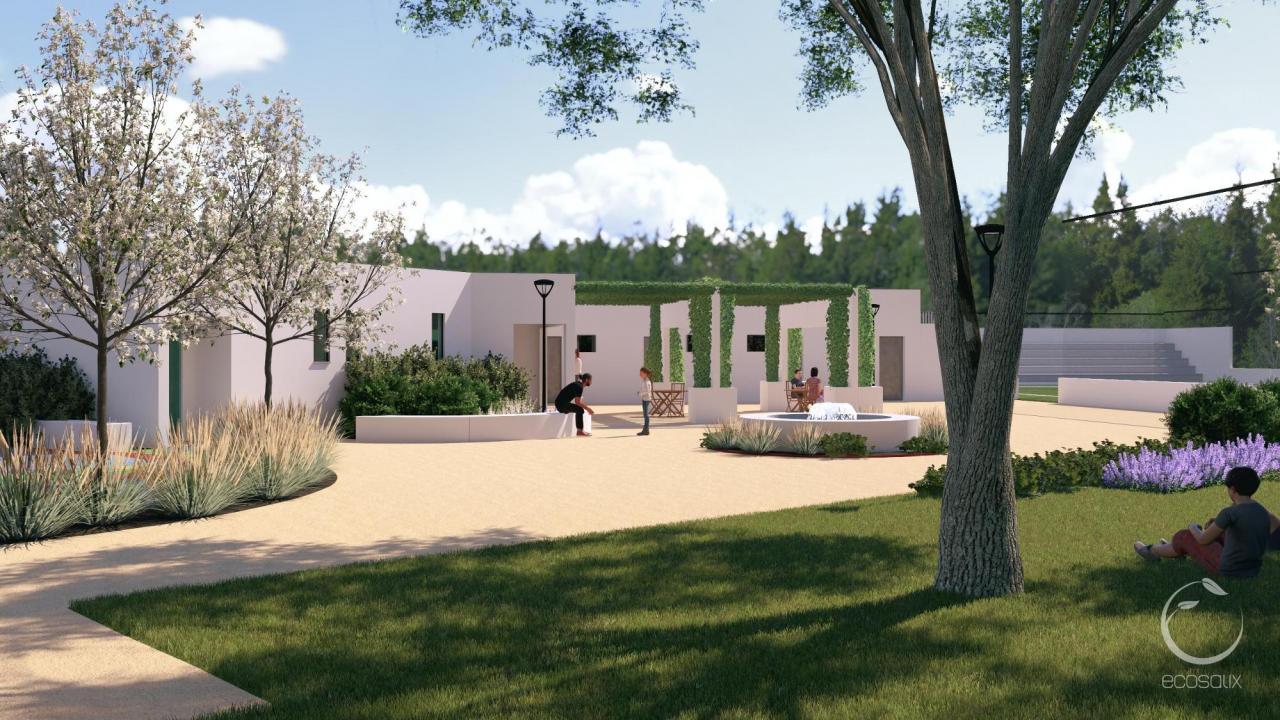
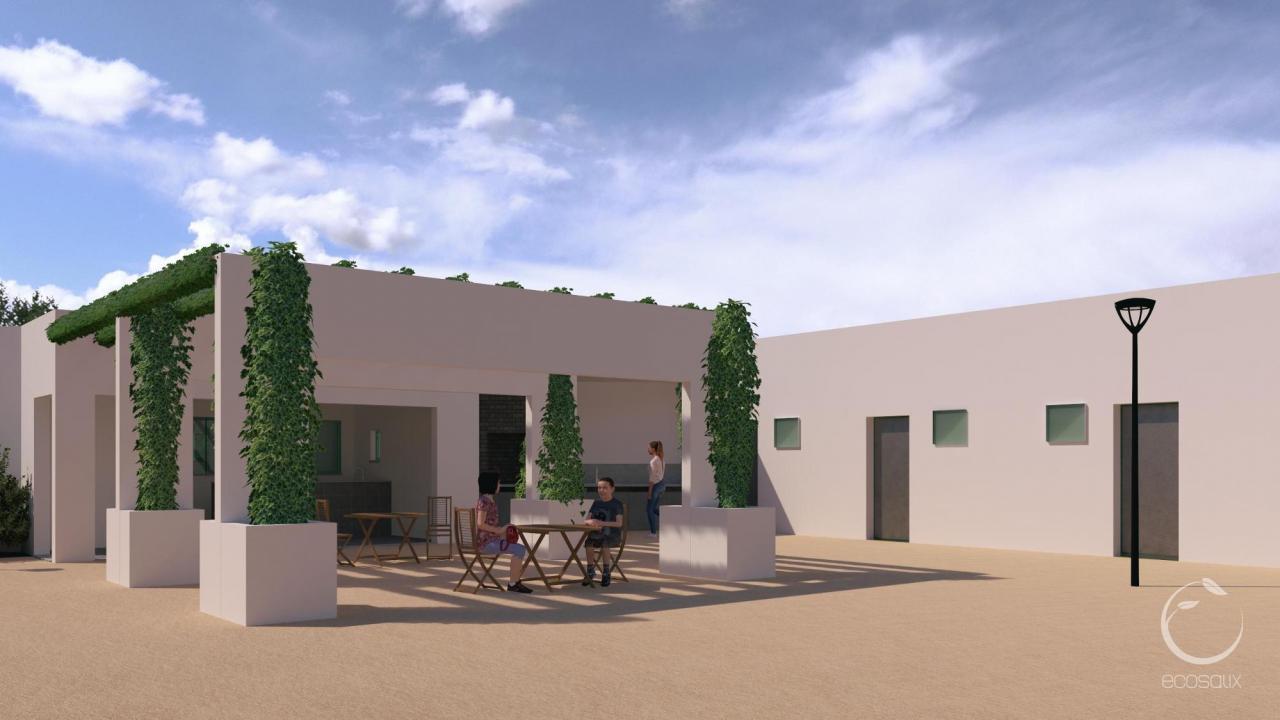
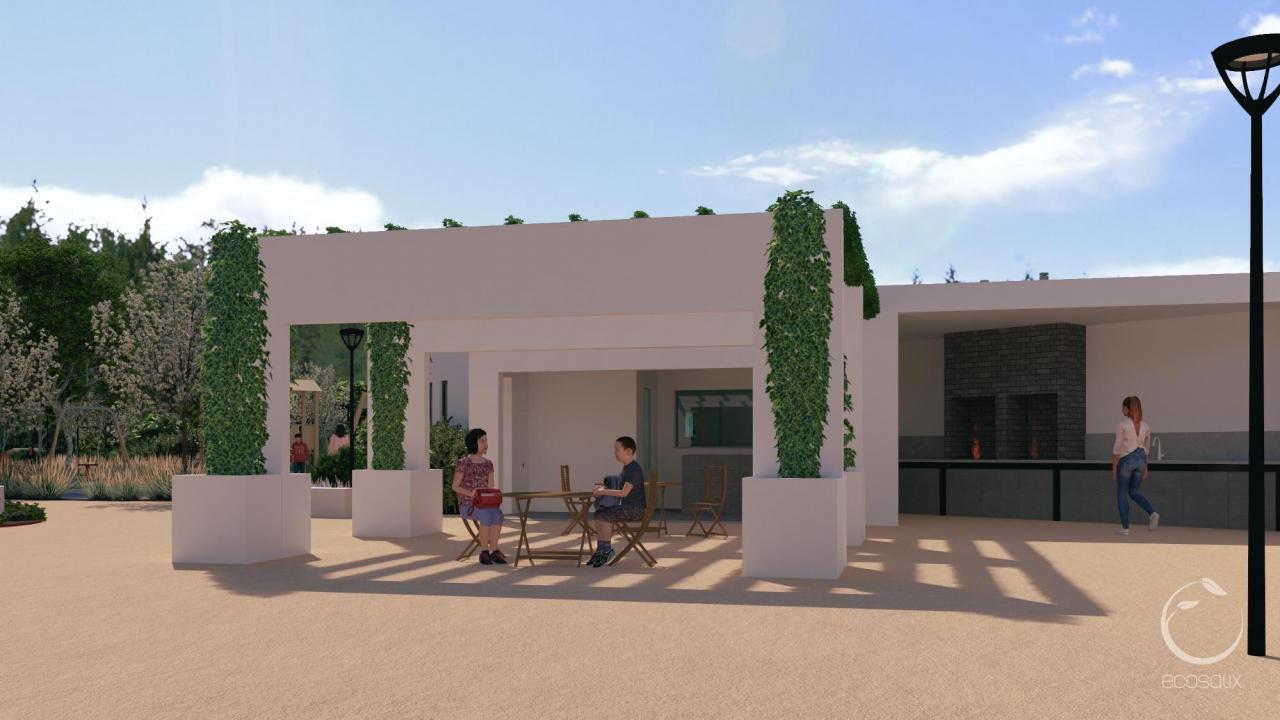
3) Revitalization of an abandoned building into a multi-use facility with a bar, event space, and seating areas, strengthening the social and cultural dimension of the park;
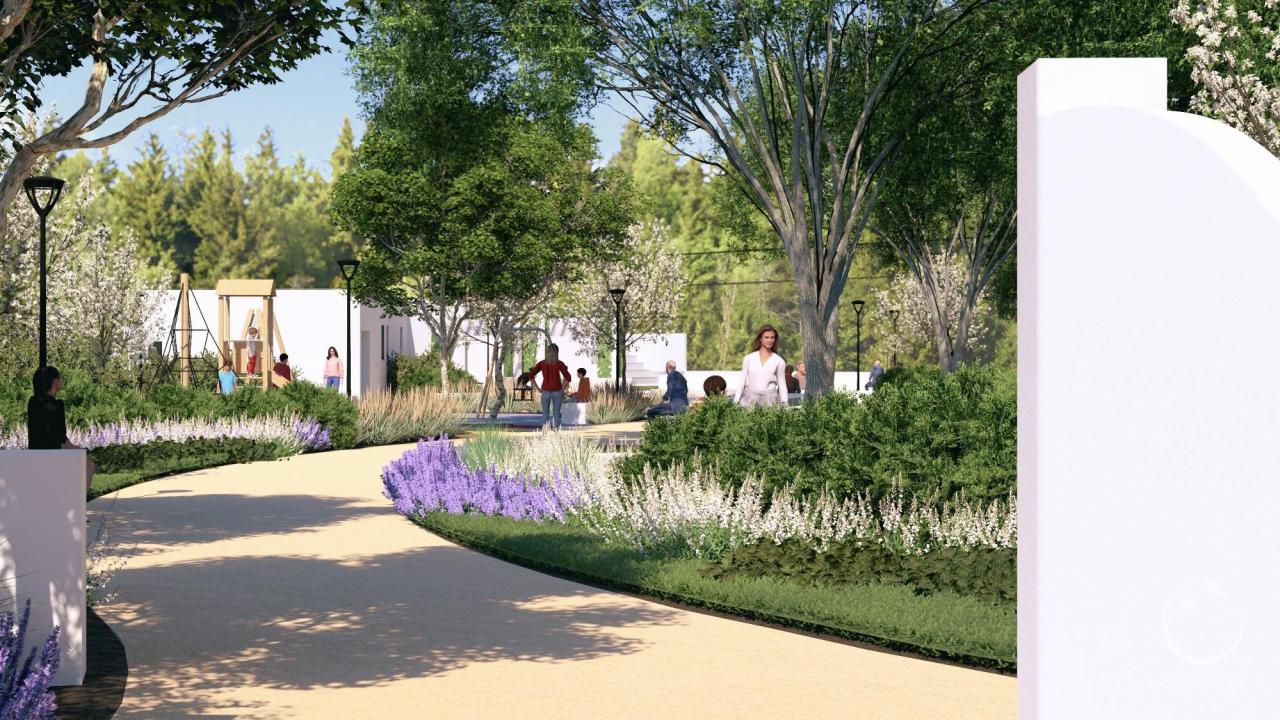
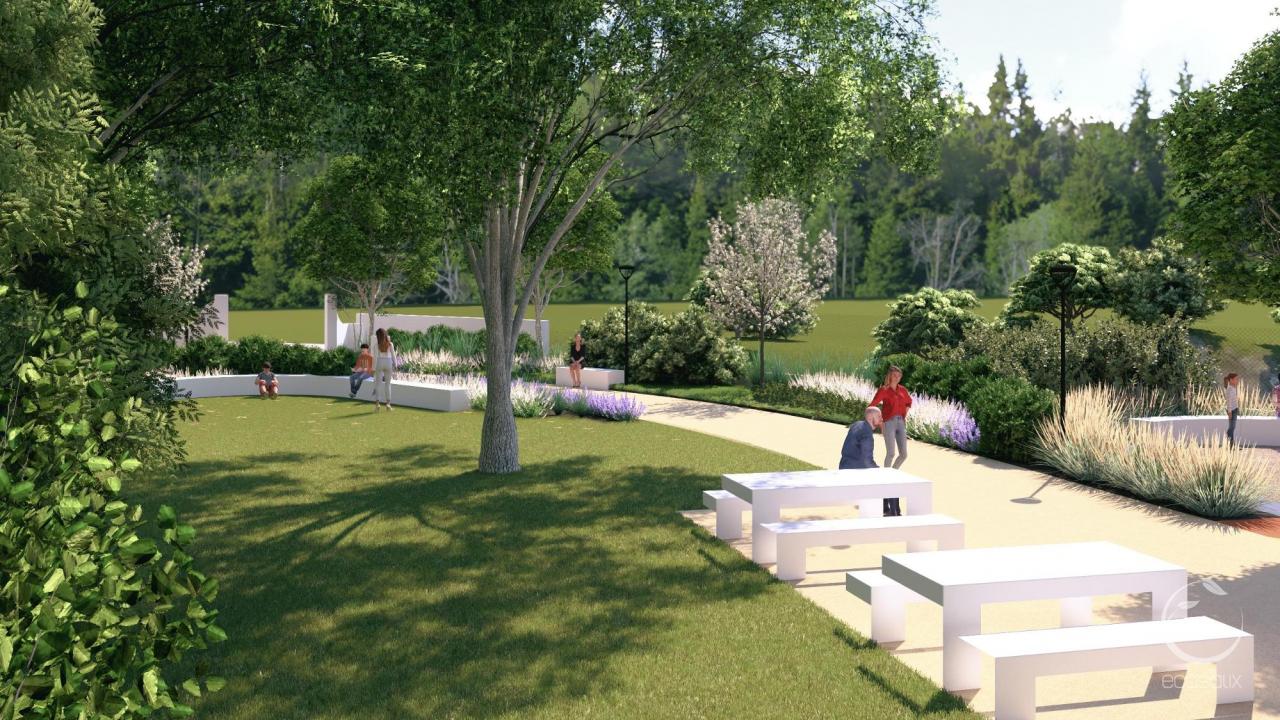
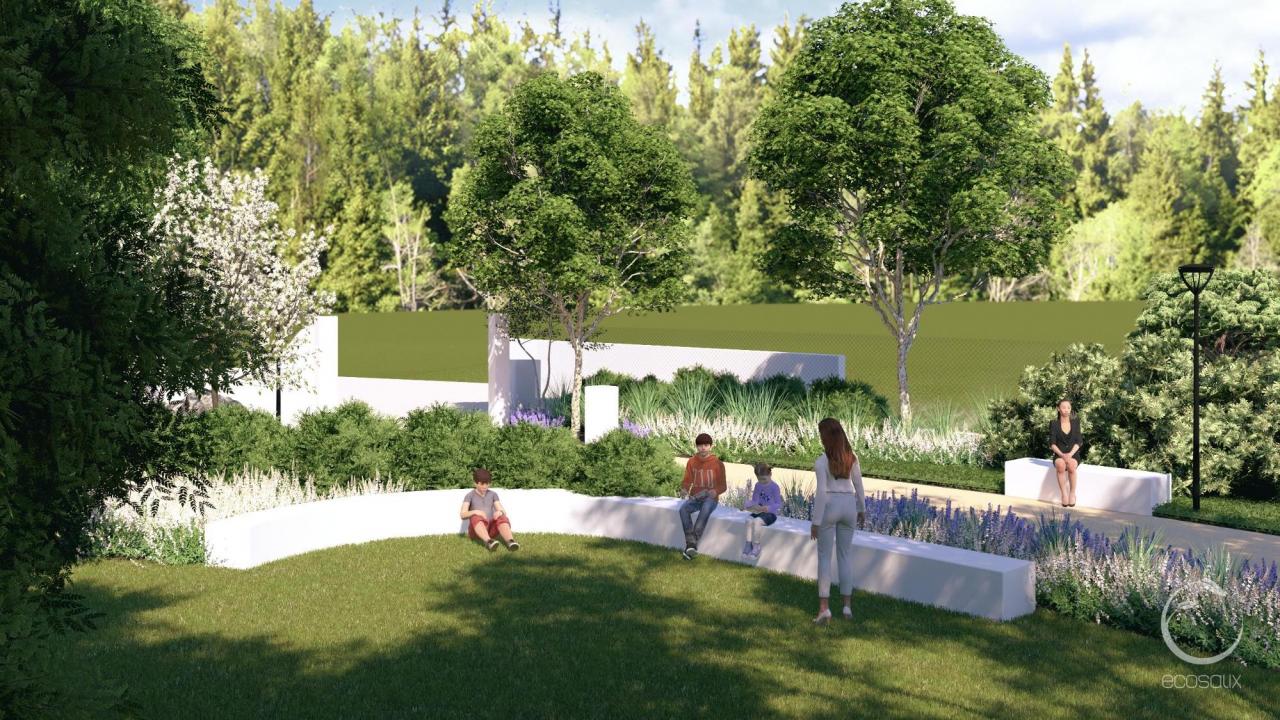
4) Landscaped rest areas with strategically placed benches and shaded pergolas, allowing users to enjoy the space in comfort;
5) Outdoor cooking and dining facilities, including barbecue grills and picnic tables, encouraging communal meals and strengthening social ties;
6) Rehabilitation of a traditional stone water fountain.
The project enhances the physical environment while creating a pleasing experience where people can engage in sports, leisure, and cultural activities in a visually appealing and functionally diverse space. Community input from Espinheiro Green Lab ensures the design reflects local aspirations, making it an exemplary model of participatory and aesthetically enriching rural regeneratio
Key objectives for inclusion
1) Inclusion for All Ages
The park is designed as a multigenerational space, where people of different ages can interact. A modern playground will encourage play and socialization among children, while the revitalized sports field will provide a meeting point for youth and adults to engage in active recreation. Seniors will benefit, adding to the proximity to the Social Centre, from shaded areas, accessible pathways, and gathering spaces, ensuring they remain engaged in community life.
2) Inclusion Across Social Status
By ensuring free and unrestricted access, the project removes economic barriers, making it a democratic space. The park will be valuable for low-income residents or individuals lacking access to quality recreational spaces, fostering inclusive social interaction, while its connection to the Social Centre extends existing community programs. The inclusion of communal areas, such as picnic spaces and an event zone, promotes shared experiences and collective well-being.
3) Inclusion for People of All Physical Abilities
The park has been designed for full accessibility, following universal design principles. Barrier-free pathways, adapted seating, and inclusive recreational facilities ensure that people with reduced mobility can move freely and participate. The sports and event areas feature accessible entry points, allowing equal participation. This ensures that beauty in public space is not just aesthetic but functional, allowing everyone to experience and enjoy it fully.
How Citizens benefit
The engagement process began with brainstorming sessions and ideation workshops, where residents, collectives, and both public and private entities collaborated to identify Espinheiro’s challenges and intervention opportunities. These discussions played a crucial role in shaping the Espinheiro Green Lab strategy, defining the measures that would guide future interventions. Cantos River Park emerged as a key priority, directly influenced by the community’s concerns about accessibility, environmental degradation, and the need for improved public spaces.
Following these workshops, questionnaires were distributed to assess how residents perceived the relevance of the proposals. The results confirmed strong public support for the requalification of Cantos River Park, reinforcing its importance. Co-creative sessions and public hearings then provided additional opportunities for discussion, ensuring the project aligned with the needs and expectations of different community groups.
In parallel, round tables with local stakeholders, including public institutions, businesses, and community organizations, facilitated more targeted discussions on the project’s feasibility and implementation. As the initiative progressed, colloquiums were held to present, discuss, and validate the project, allowing for adjustments based on ongoing feedback.
In the future, local ownership of the park will be fostered, ensuring that local population will both enjoy the park, as well as help towards maintaining it. By engaging the community at every stage, the project ensures that Cantos River Park will be a public space designed with and for the people, balancing ecological resilience, accessibility, and social interaction in direct response to local needs
Innovative character
A key innovation is its participatory process, moving beyond top-down planning by actively involving the community in co-creation sessions, workshops, and consultations. This ensured the park reflects not just ecological priorities but also local needs, cultural identity, and accessibility concerns. Instead of treating residents as passive users, they became active contributors, shaping how the park serves their daily lives.
The project also applies a transdisciplinary approach, integrating expertise from ecology, hydrology, urban planning, landscape architecture, vernacular traditional technologies and other fields of expertise. Rather than relying on standard interventions, it incorporates nature-based solutions such as bio-rolls or like stakes for slope stabilization and erosion control, ensuring biodiversity, climate resilience, and sustainable water management. The use of adaptive ecological design allows the park to evolve with environmental conditions, reducing maintenance costs while enhancing resilience.
Unlike many rural green spaces that remain passive, Cantos River Park promotes interaction with nature, offering educational, recreational, and intergenerational activities. Its multifunctional design blends conservation with community well-being, transforming it into an active, inclusive, and ecologically resilient space. By embedding itself within a larger territorial vision, it ensures long-term impact beyond its immediate boundaries, serving as a scalable model for sustainable rural regeneration.
Disciplines/knowledge reflected
a. Urbanism & Spatial Planning
The project reclaims an underutilized area, integrating it into the village’s public space network. By reorganizing access and circulation, it enhances connectivity within Espinheiro, linking to the Social Centre, a key hub for social activities. This strengthens the park’s role as a shared space, improving walkability and community engagement.
b. Architecture & Landscape Architecture
The project ensures functional, durable, and visually integrated design, upgrading the sports field and playground with modern, inclusive equipment. The transformation of a deteriorated infrastructure into a multiuse facility creates space for cultural events and gatherings, ensuring diverse, welcoming environments.
c. Environmental Sciences & Ecology
The renaturalization of the Cantos stream applies bioengineering techniques such as native planting, erosion control, and soil stabilization to improve biodiversity and climate resilience. Sustainable land management, including permeable pavements, enhances the park’s ecological balance while reducing flood risks.
d. Civil & Structural Engineering
The project involves infrastructure rehabilitation, including sports flooring renewal, improved drainage, and facility renovations, ensuring durability and accessibility. The addition of solar-powered lighting improves safety and energy efficiency.
e. Social Sciences & Community Engagement
Developed through the Espinheiro Green Lab, the project responds to community concerns. Its connection to the Social Centre expands existing programs, fostering cultural exchange and social engagement. Communal areas like barbecue and event spaces encourage interaction and strengthen local identity.
Methodology used
Moreover, it must be noted that the park is in near vicinity with both the local Civic Centre, enhancing fruition and engagement, as well as another space named “Carpintaria” that will be turned into a “maker space” focused on the valorisation of forest resources.
Technical Ecological Approach
The project applies a transdisciplinary approach, integrating ecology, hydrology, and landscape architecture to ensure renaturalization is both functional and sustainable, prioritizing nature-based solutions, and enhancing the Cantos River’s ecological balance.
Key techniques include bioengineering, with systems such as bio-rolls and live stakes for riverbank stabilization, which mitigates erosion and promote vegetation regeneration, and hydrological restoration, improving water retention and flood resilience. Soil stabilization techniques further support biodiversity, creating a self-sustaining ecosystem that requires minimal maintenance.
Strategic Territorial Integration
Rather than an isolated project, the park is embedded in a broader territorial strategy, ensuring it aligns with long-term environmental conservation and public space revitalization. Developed within the Espinheiro Green Lab framework, it links local priorities with sustainable land-use planning, reinforcing ecological and social renewal.
By integrating renaturalization into a wider environmental and social strategy, the project strengthens both biodiversity and public life, making the Cantos River a key element in sustainable rural regeneration.
How stakeholders are engaged
At the local level, the community, local companies, and civic associations shaped the project through co-creative sessions, workshops, and public consultations. Residents contributed to defining priorities for accessibility, sustainability, and public space revitalization, while local entrepreneurs explored partnerships and technical solutions. Civic associations played a role in broadening engagement, ensuring representation. The Parish Council of Malhou, Louriceira, and Espinheiro provided institutional support, integrating the initiative into governance and securing administrative backing.
At the municipal level, the Municipality of Alcanena ensured alignment with urban planning, sustainability, and environmental policies. The municipal water and sanitation provider, AQUANENA, contributed expertise on water management, drainage, and ecological restoration. ADSAICA (Association for the Development of Serras de Aire and Candeeiros) linked the initiative to conservation efforts, reinforcing biodiversity and ecological resilience.
At the regional level, the Intermunicipal Community of Médio Tejo provided strategic oversight, ensuring coherence with sustainability and development strategies while fostering intermunicipal cooperation. Centro Ciência Viva, a national initiative focused on Alcanena and the Alviela River, influenced the environmental strategy for Cantos River Park. Its work in environmental education and renaturalization shaped the restoration of the Cantos River, strengthening the park’s role in biodiversity and ecological connectivity.
Through multi-level engagement, the project ensures a community-driven and technically robust intervention, balancing public space revitalization, ecological restoration, and local development.
Global challenges
The project improves quality of life, creating a functional public space that encourages recreation, social interaction, and local engagement. By enhancing well-being, the project makes Espinheiro attractive for families, young people, and older residents, helping to retain and attract population.
II. Environmental Degradation and Land Abandonment
Through bioengineering, hydrological restoration, and soil stabilization, the project revitalizes the Cantos River and its surroundings, reversing degradation and abandonment.
III. Lack of Public Spaces and Social Isolation
By transforming a neglected area into a multifunctional park, the project provides a central gathering place for social interaction, leisure, and outdoor activities. With accessible pathways, seating, and recreational areas, it promotes inclusivity and cohesion, reducing isolation.
IV. Economic Decline and Limited Opportunities
The park supports economic revitalization by fostering eco-tourism, local entrepreneurship by synergies with the maker space, and outdoor recreation. By enhancing Espinheiro’s natural appeal, it encourages small businesses, nature-based tourism, and local events, contributing to a more dynamic rural economy.
V. Poor Water Management and Climate Vulnerability
The project improves water retention, reduces flood risks, and strengthens climate resilience by restoring the natural function of the Cantos River. Hydrological restoration ensures better water management, protecting local infrastructure and agriculture from extreme climate events.
VI. Weak Civic Engagement and Loss of Local Identity
Developed with the community, the project used workshops and public consultations to shape the park according to local needs. This participatory approach fosters a sense of ownership, civic pride, and stewardship, introducing new models of civic governance of the park that take more responsibility for the management of the park
Learning transferred to other parties
The Requalification of Cantos River Park was developed through the Espinheiro Green Lab engagement strategy, ensuring a structured participatory process. Workshops, ideation sessions, and public consultations allowed residents to define priorities, identifying accessibility, environmental concerns, and underused public space as key issues.
Latter stages of the process confirmed strong public support. It is expected that the park enhances engagement and ownership due to its proximity to the Civic Centre and the new “maker space”. This agglomeration serves to create synergies anchored on traditional ecological knowledge and new innovative approaches towards nature.
b. Ecological design
The project applies a transdisciplinary approach, integrating ecology, hydrology, and landscape architecture to ensure resiliency and functionality. Instead of hard infrastructure, it prioritizes nature-based solutions that restore the Cantos River’s ecological balance while ensuring long-term sustainability.
Key techniques include bioengineering for riverbank stabilization, mitigating erosion while promoting natural regeneration, and hydrological restoration, improving water retention and flood resilience. The project’s adaptive ecological framework allows natural processes to evolve over time, strengthening resilience.
c. Integrated vision
Rather than an isolated effort, Cantos River Park is embedded in a broader territorial strategy, aligning with Alcanena’s sustainability goals and regional efforts by ADSAICA, being developed under the Espinheiro Green Lab, a parish level regeneration strategy.
Beyond conservation, the project transforms the Cantos River into a multifunctional space, integrating biodiversity restoration with accessibility, education, innovation and recreation. As a scalable model for rural municipalities, it shows how community-driven planning, ecological restoration, and public spaces contribute to long-term sustainability.
Next steps
A. Context Analysis and Initial Vision<br />
Core Values:<br />
Beautiful – The project addresses land abandonment and lack of quality public spaces, transforming an underutilized area into an inviting, visually engaging, and functional space.<br />
Working Principles:<br />
Multi-Level Engagement – The vision aligns with municipal, regional, and EU strategies, integrating it into territorial planning and policy goals.<br />
B. Participatory Co-Creation and Design<br />
Core Values:<br />
Together – The participatory process ensures community voices shape the project, making it socially inclusive and reflective of local identity.<br />
Working Principles:<br />
Participatory Process–Developed with residents, local businesses, and experts, fostering local ownership.<br />
Transdisciplinary Approach– Integrates urban planning, ecology, social sciences and local traditional knowledge for a well-rounded design.<br />
C. Ecological and Technical Planning<br />
Core Values:<br />
Sustainable – Focuses on nature-based solutions, climate resilience, and water management.<br />
Beautiful – Harmonizes ecological restoration with aesthetics, making it both functional and visually appealing.<br />
Working Principles:<br />
Transdisciplinary Approach – Experts in hydrology, biodiversity, and landscape architecture ensure a science-backed approach.<br />
D. Implementation and Construction<br />
Core Values:<br />
Sustainable – Uses low-impact methods, resource efficiency, and ecological restoration.<br />
Working Principles:<br />
Multi-Level Engagement – Adheres to local, national, and EU environmental standards, and it aims to become a best practice in interventions in the context of low-density territories.<br />
E. Community Activation and Long-Term Stewardship<br />
Core Values:<br />
Together – The park fosters interaction, recreation, and long-term community engagement.<br />
Working Principles:<br />
Participatory Process – Residents actively participate in maintenance and governance.<br />
Multi-Level Engagement – Partnerships with local groups and sustainability initiatives ensure long-term success.<br />