THE FOREST
Basic information
Project Title
Full project title
Project Description
Current stage development
Project Region
Municipality
EU Programme or fund
Description of the project
Summary
The primary target group for this initiative was young people and action sports enthusiasts, who required better inclusion in Valmiera’s urban environment. The skatepark often became a place for conflicts and even disruptive behavior. Many young people who engaged in action sports struggled to find a place in the city that matched their lifestyle, leading to social isolation and increased time spent in virtual spaces.
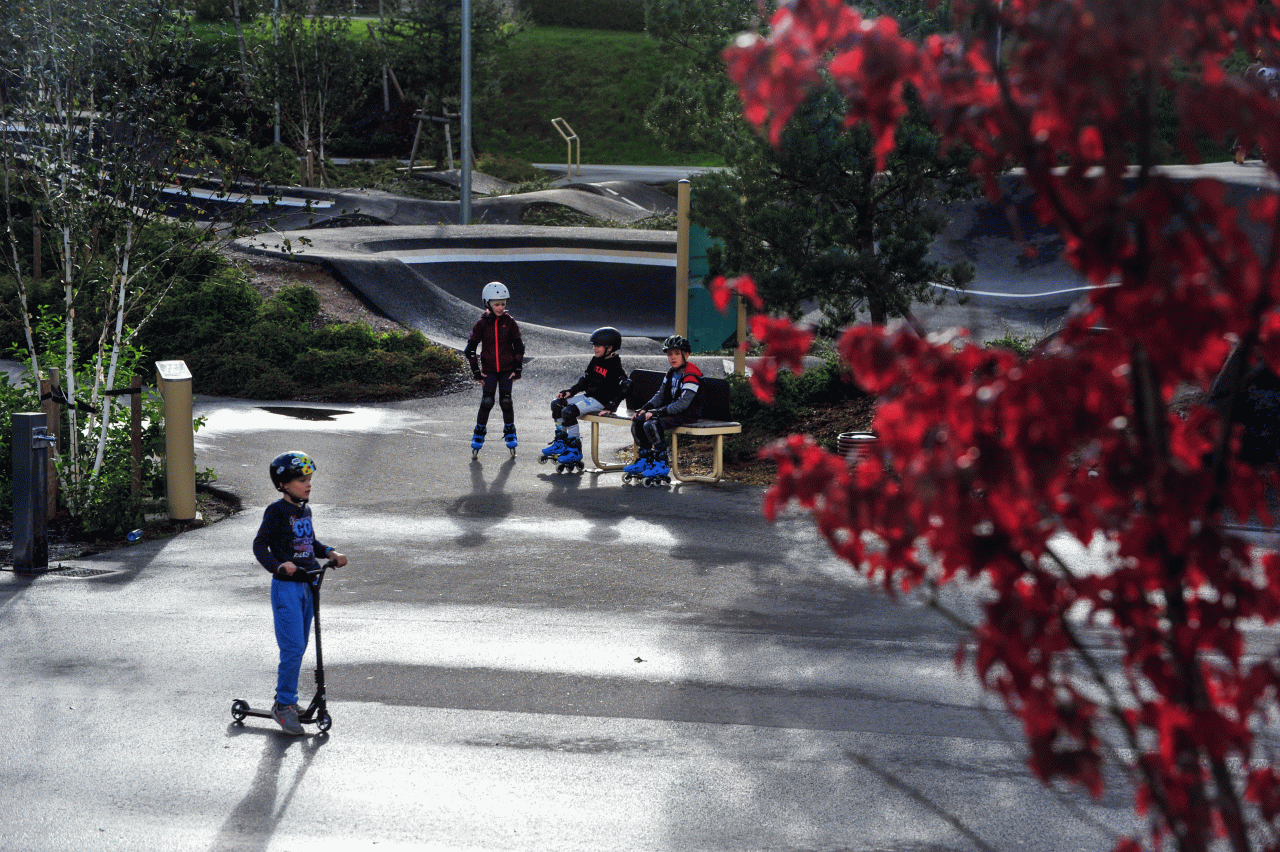
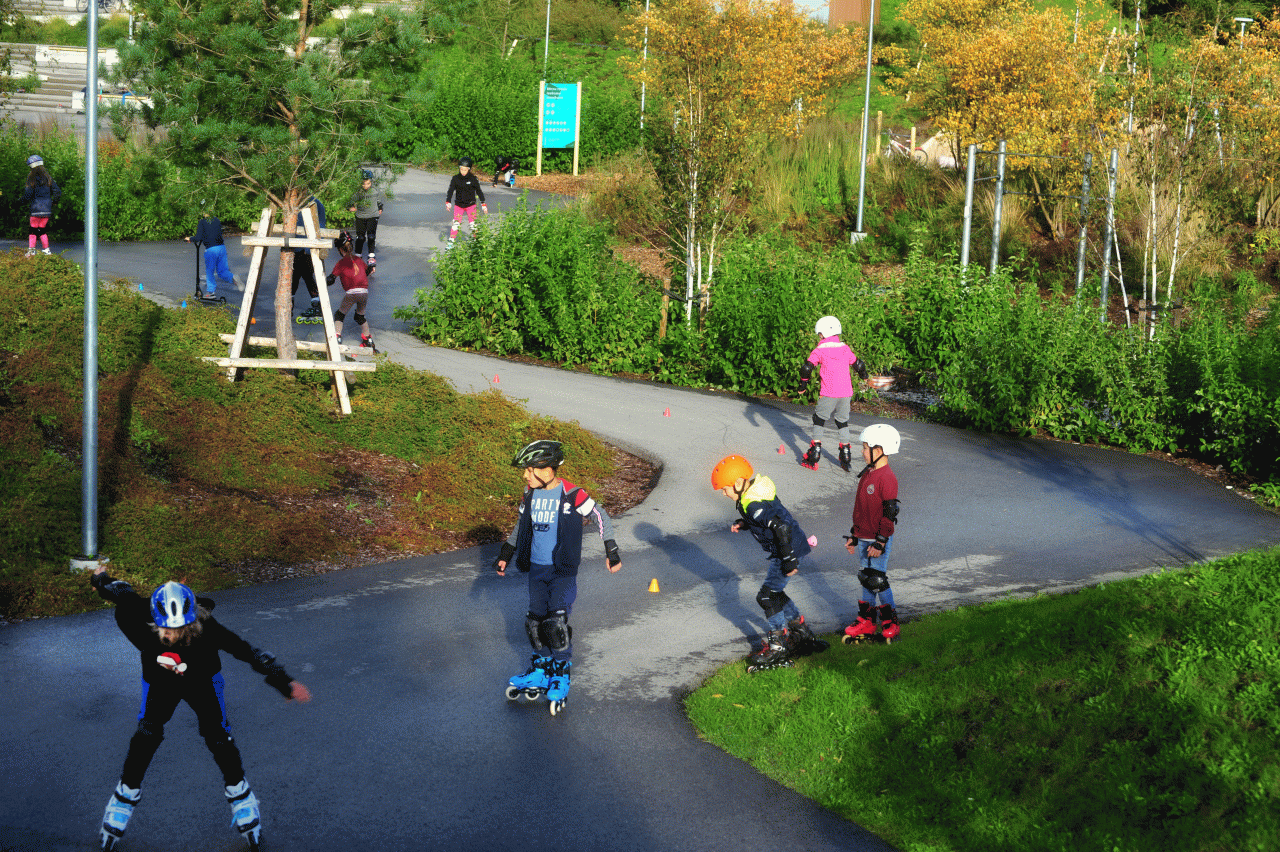
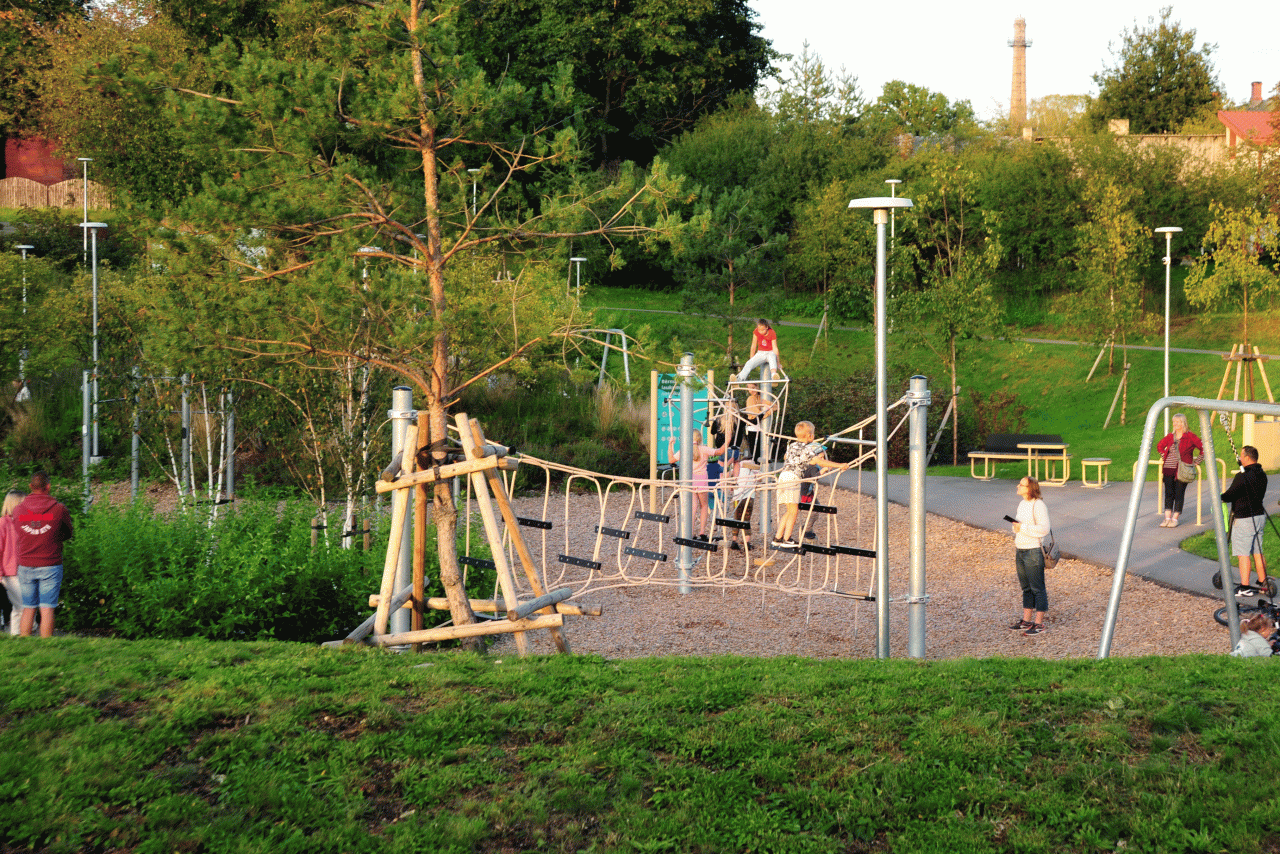
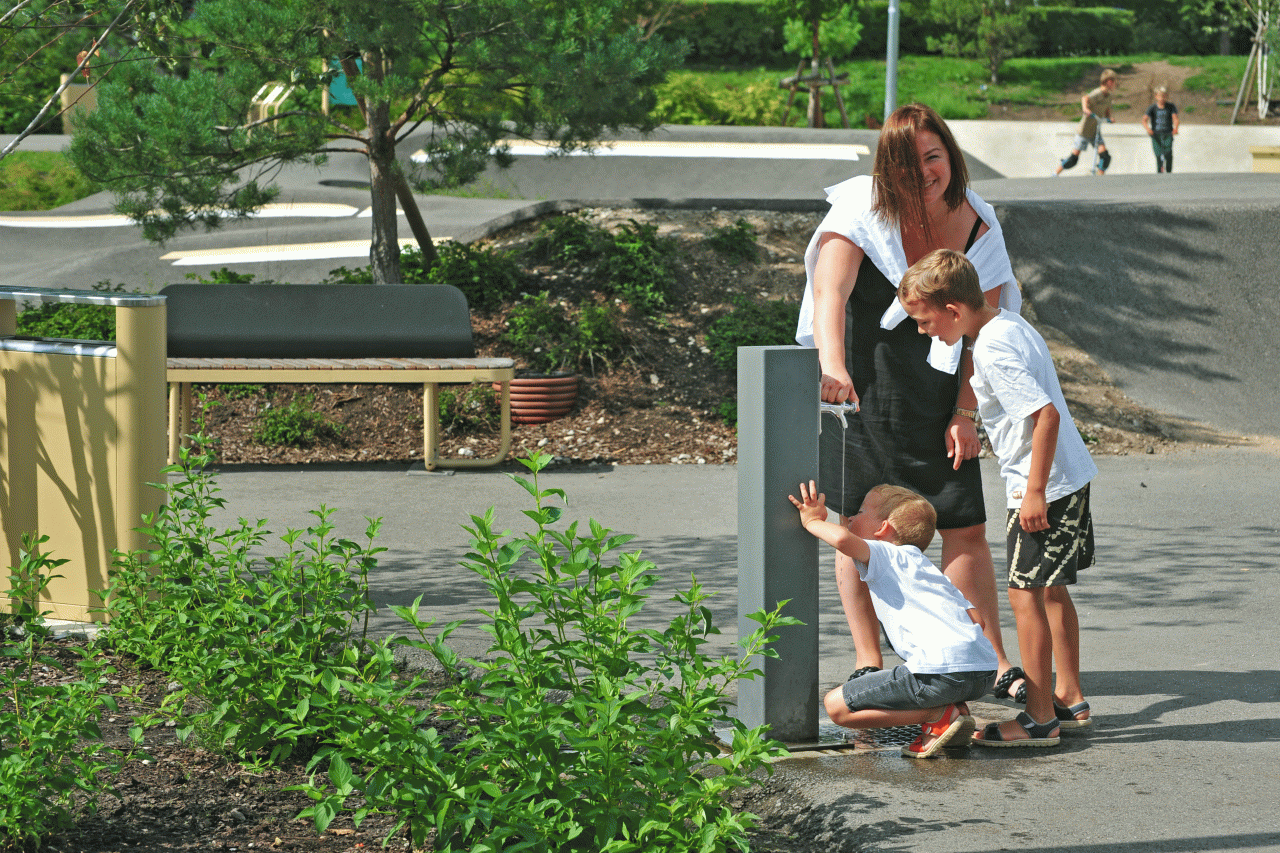
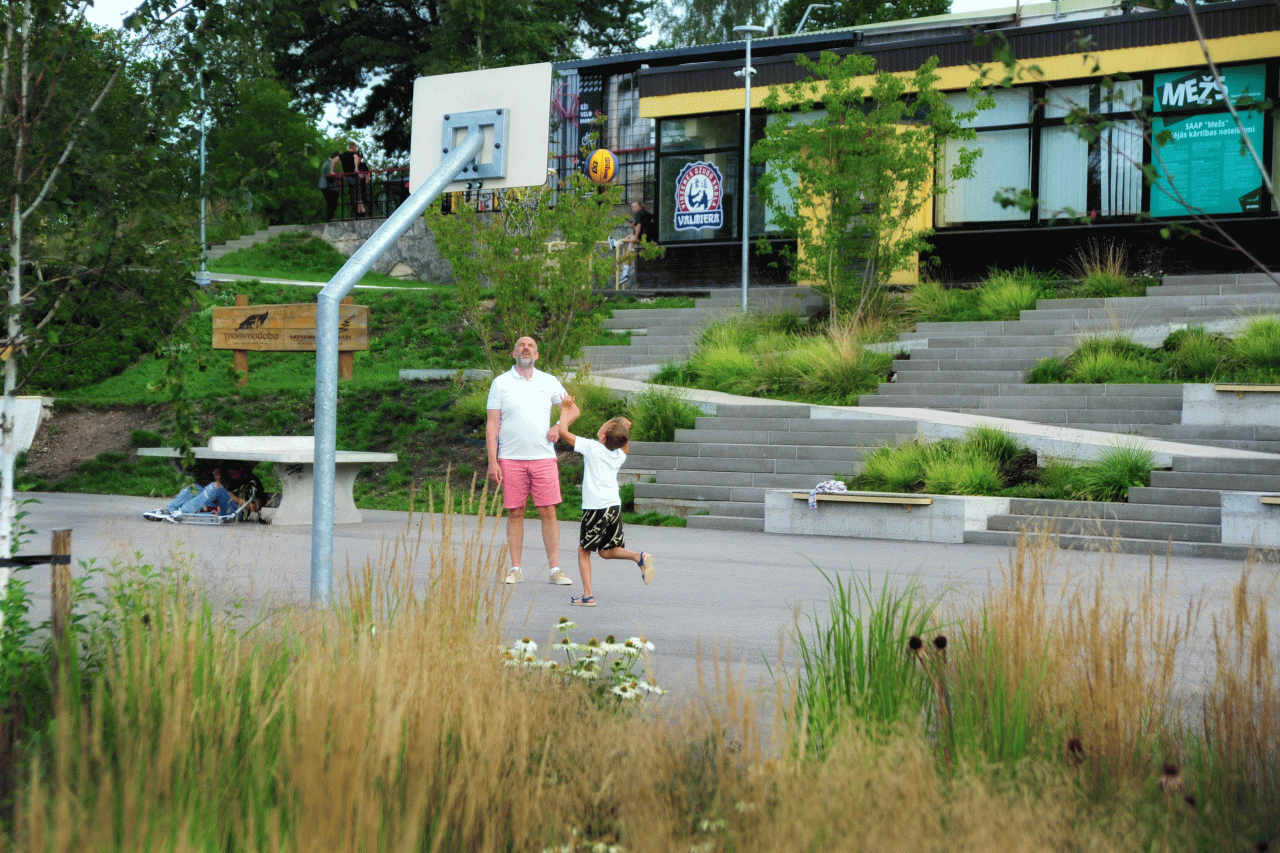
The co-creation initiative resulted in the creation of THE FOREST - a sports and active recreation park designed to combine environmental sustainability with urban functionality. The park contributes to climate resilience by introducing green infrastructure, including large trees that absorb CO2, generate oxygen, and provide shade, fostering a sense of connection with nature. At the same time, it serves as an architecturally integrated urban space that encourages social interaction and physical activity. The territory is designed to successfully accommodate a sense of belonging for diverse social groups, including youth, children, families, individuals with mobility impairments, active sports professionals and beginners, as well as enthusiasts of active leisure.
By 2024, strong public demand has emerged for the park’s further development. In response, and in synergy with the municipality’s prior initiative of testing smart outdoor fitness equipment, efforts are now being made to implement the last phase of the park’s development. This includes installing publicly accessible outdoor training equipment, ensuring that THE FOREST continues to evolve.
Key objectives for sustainability
Key sustainability actions included:
1) Green Park Conversion – Replacing asphalt with vegetation and trees to reduce heat retention and improve biodiversity.
2) Rainwater Management – A rain garden and bio-retention feature naturally absorb rainwater, reducing sewer strain.
3) Eco-Friendly Mobility – No car parking; bicycle stands promote sustainable transport and cut CO2 emissions.
4) Sustainable Materials – Pine bark mulch prevents microplastic pollution.
5) Energy Efficiency – LED lighting conserves energy while ensuring safety.
6) Resource Preservation – The existing soil layer was retained for future use.
7) Waste Management – Segregated bins support responsible disposal.
8) Repurposed Play Equipment – Old playground structures were refurbished and relocated to another public space.
In 2024, public demand for further sustainable development is driving plans to install year-round outdoor fitness equipment, ensuring FOREST remains an exemplary model of eco-conscious urban regeneration.
Key objectives for aesthetics and quality
Designed with community input, THE FOREST fosters a sense of belonging and social interaction, inviting spontaneous encounters and collective activities, from action sports to family gatherings. Seating and gathering spaces support both active and passive recreation, uniting diverse groups. The initiative also honors the site’s heritage by repurposing old playground structures elsewhere in the city.
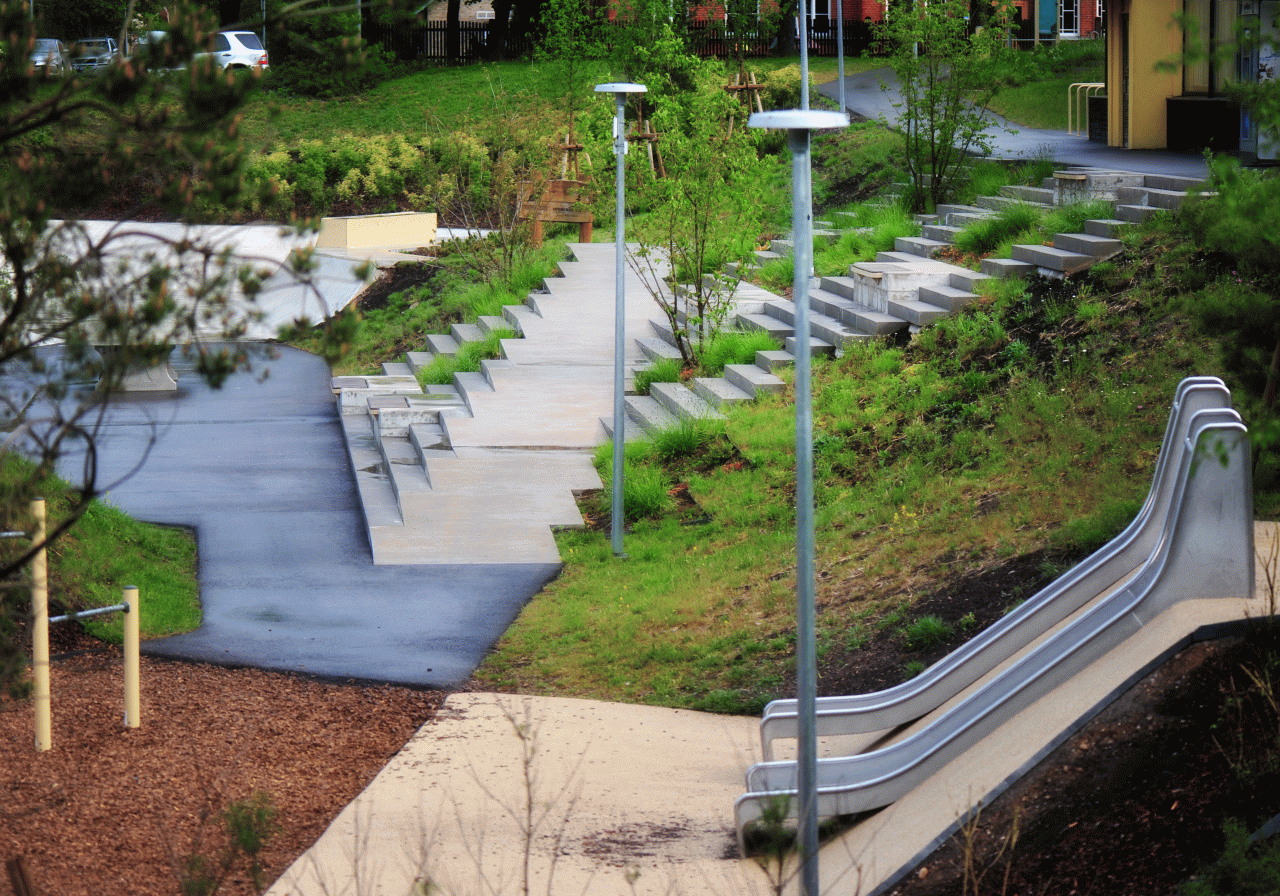
A key aesthetic strategy was the integration of built and natural elements. The park’s green infrastructure - tree clusters and a rain garden - reduces heat, absorbs CO₂, and provides shaded areas. Eco-friendly materials like pine bark mulch minimize environmental impact while complementing the natural aesthetic. Cohesive architectural elements ensure visual harmony throughout the park.
As a living example of “Beautiful” urbanism, THE FOREST continues to evolve. The next phase - a community-driven, all-year outdoor fitness zone - will seamlessly integrate with the park’s green aesthetic, offering accessible fitness options for diverse users. Social interaction and active living will be enriched through thematic events organized by Valmiera Youth Center “Vinda” and the Valmiera Municipality Sports Administration, alongside national-level active lifestyle organizers. This will enhance engagement, fostering movement, well-being, and shared experiences in the park.
Key objectives for inclusion
The park is free and open to all, removing financial barriers to active recreation.
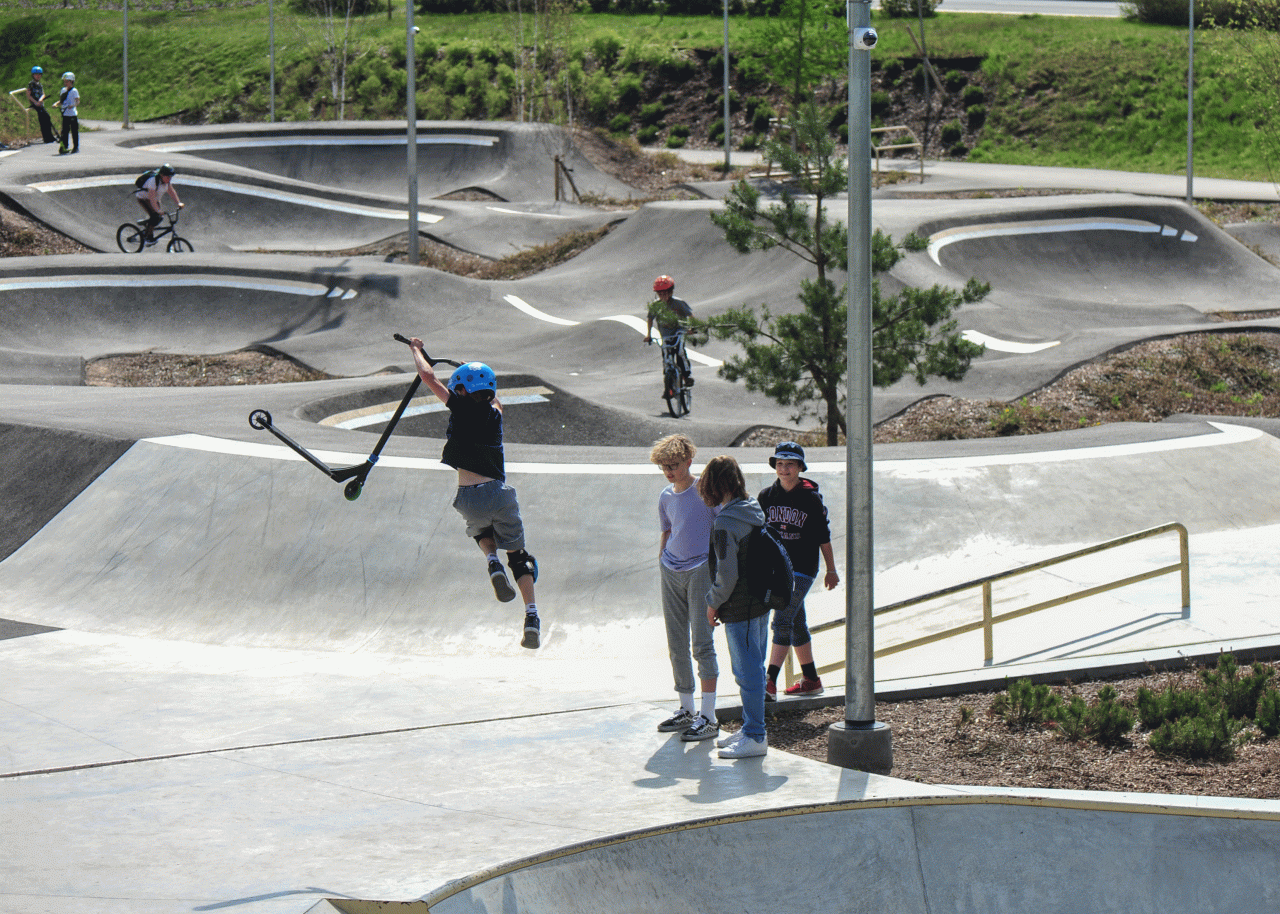
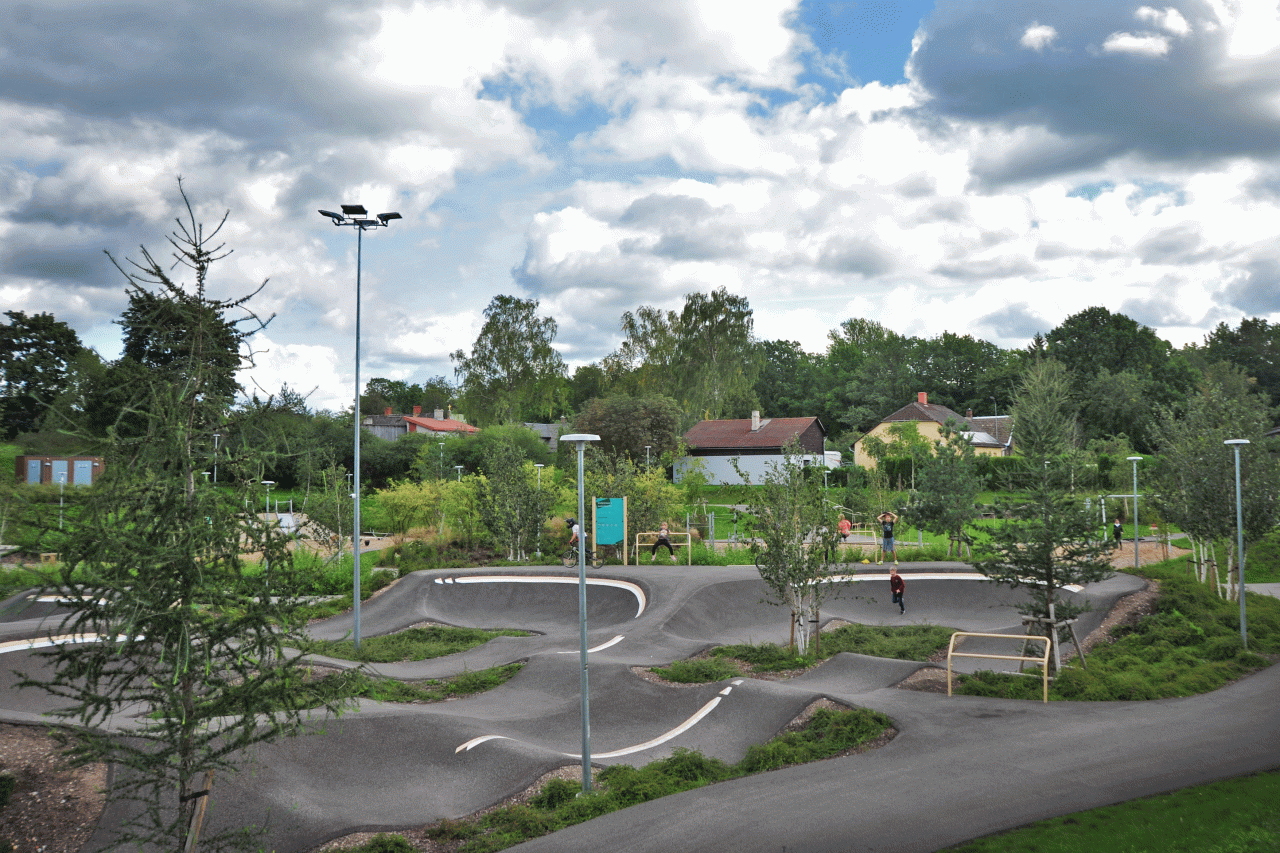
Facilities are designed for different age groups and skill levels, including a multi-level skating park, pump track, streetball court, children's playground, and outdoor exercise elements.
Pathways, seating areas, and activity zones are barrier-free, ensuring access for people with reduced mobility and disabilities.
Strategic landscaping and tree planting provide shaded areas, making the park comfortable and usable throughout the year.
The park was developed with strong community engagement, involving youth, action sports activists, and local residents in the design process.
The initiative reflects the needs and lifestyles of young people, providing a safe, modern urban space where they feel included and valued.
Existing playground equipment was repurposed and relocated, ensuring resource efficiency and intergenerational benefits.
THE FOREST fosters interactions between diverse groups, from sports enthusiasts to families and casual visitors.
The park hosts community-driven activities in collaboration with Valmiera Youth Center "Vinda" and the Valmiera Municipality Sports Administration, promoting inclusivity through public events and national-scale active lifestyle programs.
Future development includes year-round outdoor fitness equipment, expanding accessibility for individuals of different physical abilities and fitness levels.
By integrating universal accessibility, affordability, and co-governance, THE FOREST exemplifies a new model of inclusive urban development, fostering social cohesion, active living, and a shared sense of belonging.
How Citizens benefit
Citizen Participation was crucial during the initial Design and Development phases of the project by:
- Public consultations and idea collection shaped the park’s design, ensuring inclusivity across different age groups and activities.
- Action sports activists and local youth played a key role in defining the features of the skatepark, pump track, and sports facilities, creating a space that reflects their lifestyle and fosters a sense of belonging.
- Repurposing old playground structures demonstrated a circular approach, responding to community input on the need for accessible play areas elsewhere in the city.
Citizen Engagement and Impact is continued by:
- Local organizations and municipal bodies, such as Valmiera Youth Center "Vinda" and Valmiera Municipality Sports Administration, actively organize events that promote social interaction, physical activity, and inclusivity within the park.
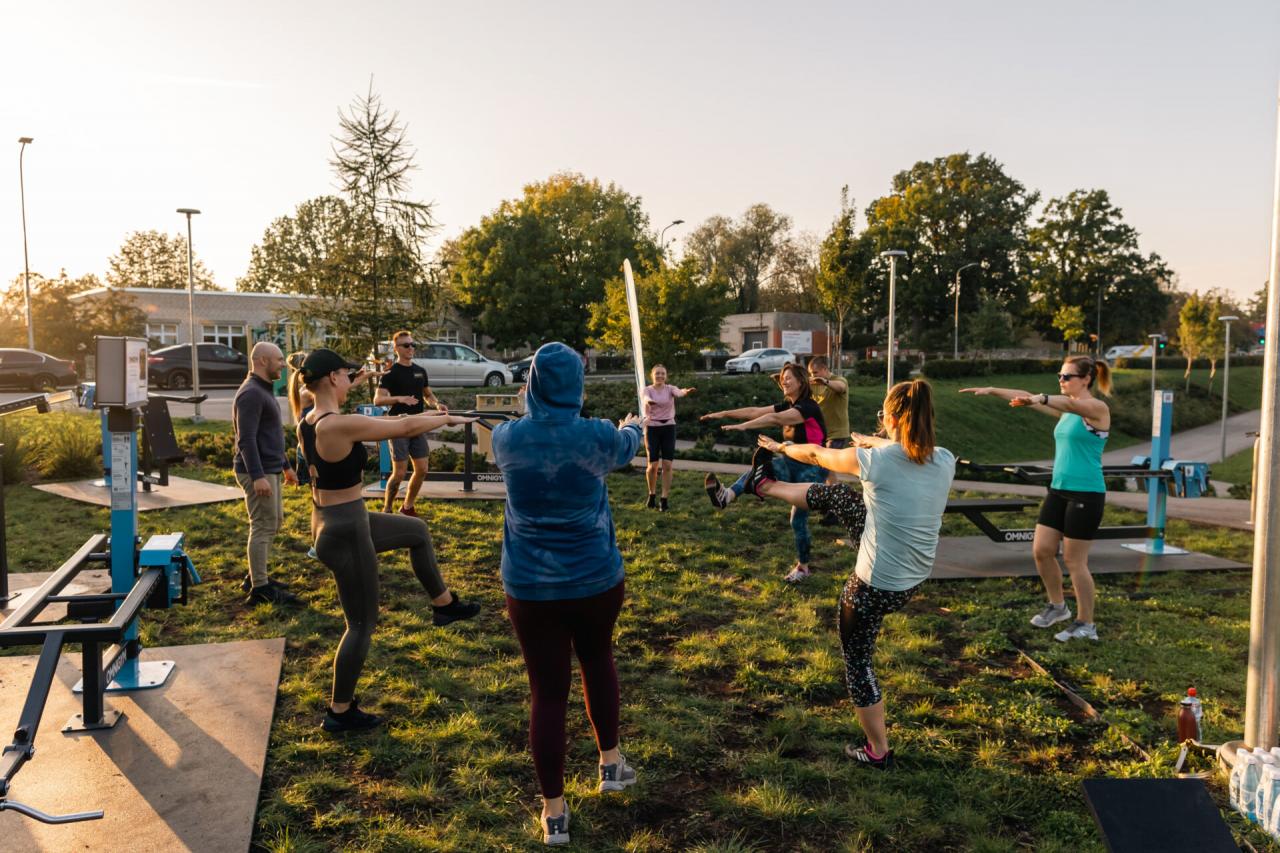
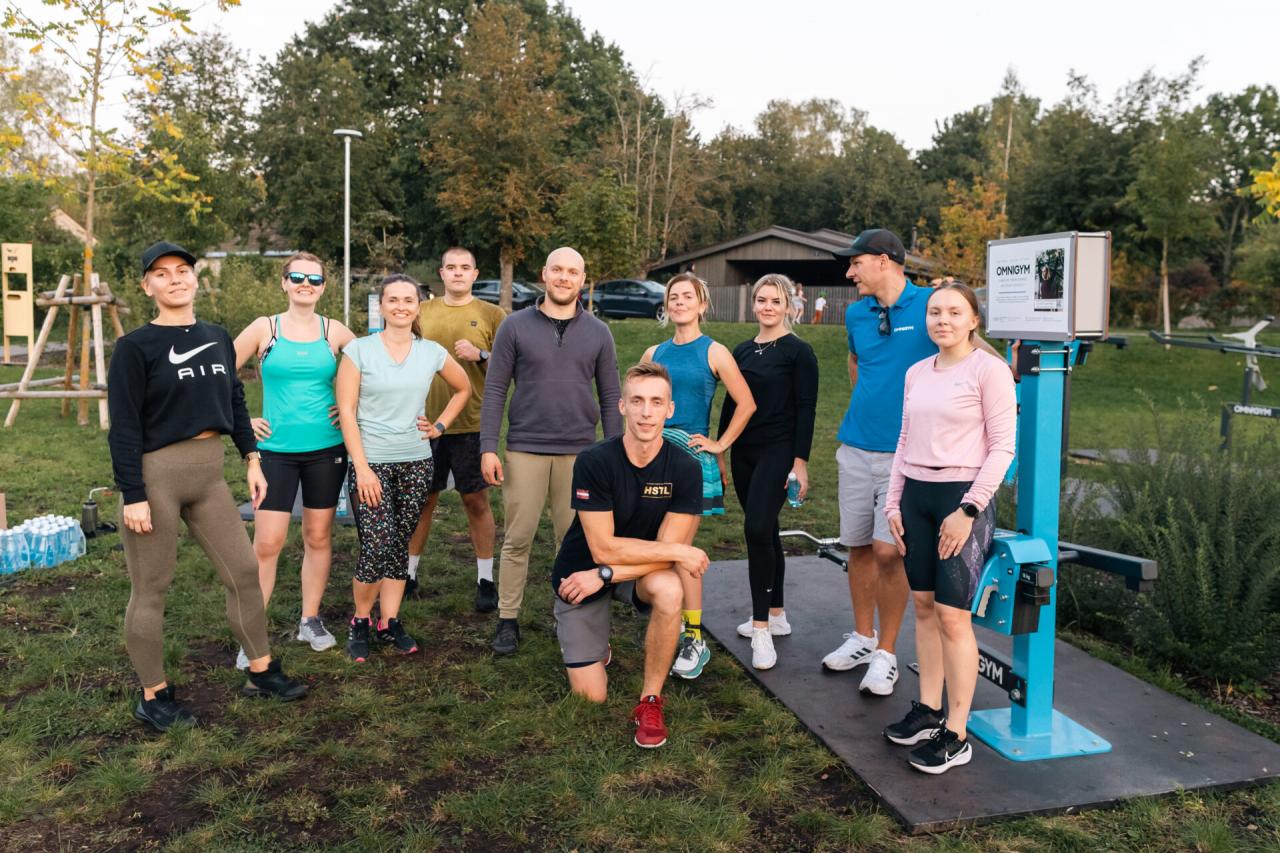
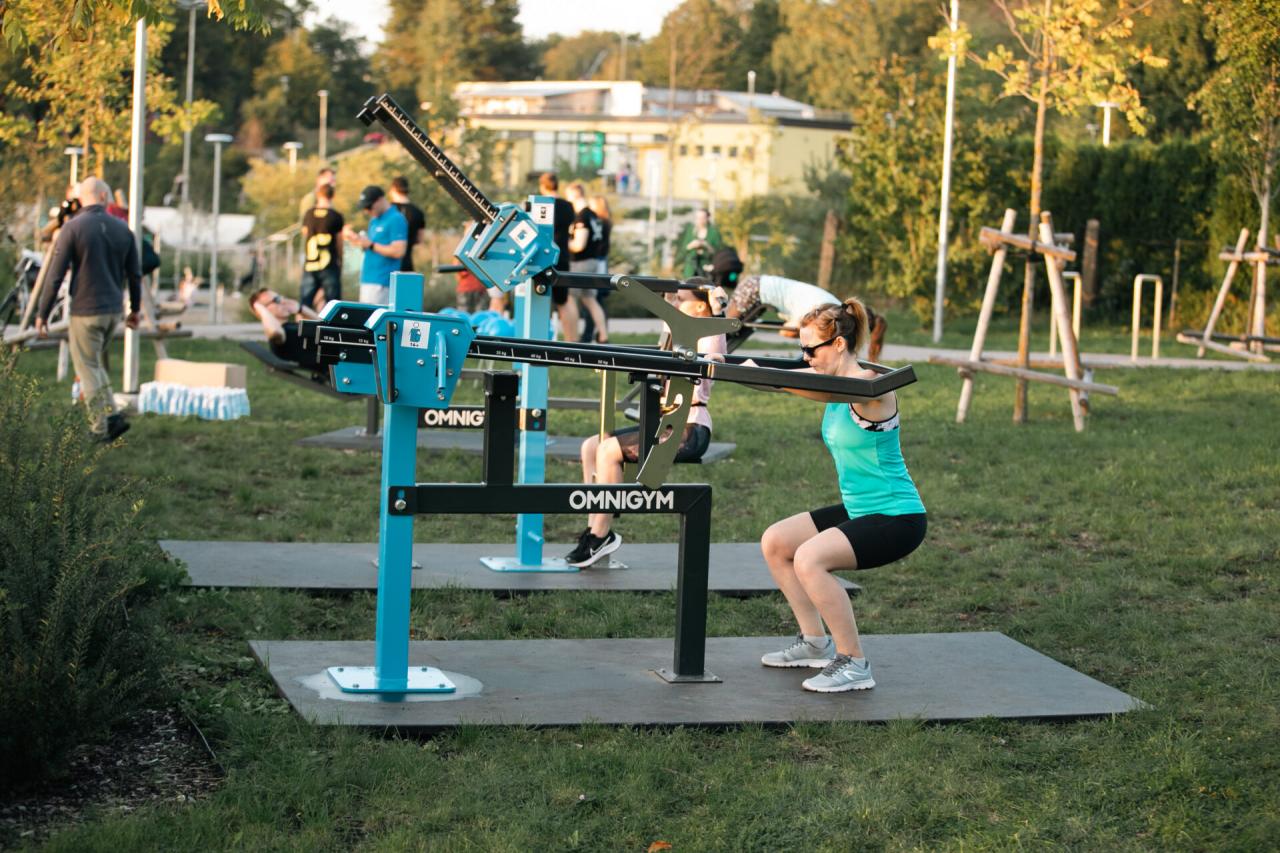
- Pilot testing of outdoor gym equipment was conducted through a month-long public trial as part of European Sports Week, allowing residents to experience and provide feedback. 90% of survey respondents rated the equipment as "Good" or "Excellent", and insights from the pilot are shaping future installations.
- The 2024 participatory budget initiative, proposed by Valmiera sports club "Burkānciems & Co", reflects strong public demand for further development, particularly for all-year outdoor fitness equipment.
A Model for Co-Creation and Civic Engagement
THE FOREST park serves as an exemplary model of participatory urban development, where continuous citizen involvement ensures the space remains relevant, dynamic, and responsive to evolving community needs.
Innovative character
Key Innovations
1. Co-Creation and Participatory Design:
- THE FOREST was developed with strong citizen involvement, including residents of Valmiera, sports enthusiasts, and local organizations.
- The 2024 participatory budget initiative showcases a bottom-up approach, allowing the public to shape the park’s future through direct engagement.
2. Multifunctionality and Inclusivity:
- Unlike typical parks with separate areas for different activities, THE FOREST creates a shared space where action sports coexist with leisure and fitness.
- The integration of outdoor gym equipment with other sports elements promotes cross-generational and multi-skill-level interaction.
3. Sustainability-Driven Design:
- While many urban parks rely on traditional infrastructure, THE FOREST incorporates rain gardens, CO₂-absorbing vegetation, and eco-friendly materials to reduce its environmental impact.
- The adaptive use of existing playground structures, relocated and refurbished elsewhere in the city, follows circular economy principles.
4. Data-Driven Approach to Outdoor Fitness:
- The pilot testing of outdoor gym equipment during European Sports Week, combined with smart usage data analysis, allows evidence-based decision-making for future improvements.
- Sensor-based tracking of usage patterns helps optimize equipment placement and park accessibility.
By merging sustainability, community-driven development, and smart urban planning, THE FOREST represents a new model of urban public space, setting an example for future city regeneration projects.
Disciplines/knowledge reflected
Disciplines and Knowledge Fields Involved:
- Urban Planning & Landscape Architecture – Designed to harmonize built and natural elements, ensuring functional zoning for sports, recreation, and relaxation while integrating green infrastructure. Knowing Environmental Sustainability they developed rainwater management solutions, selected native trees and plants, and introduced eco-friendly materials to enhance biodiversity and mitigate the heat island effect.
- Active Sports professionals – consulted on the best and most functional design of safe and ergonomic sports facilities, including the skatepark, pump track, and outdoor gym, making them accessible to users of all skill levels and different kinds.
- Community Engagement – Involvement of citizens, and NGOs through consultations and a survey ensured the park meets diverse user needs.
Interdisciplinary Collaboration and Its Impact:
- Municipal planners, landscape architects and active sports professionals balanced aesthetics with functionality, creating a scenic yet practical urban asset. In collaboration they contributed to a climate-adaptive and sustainable design.
- Sports activists and sports equipment producers contributed to the 2024 participatory budget initiative for outdoor fitness equipment, promoting accessibility and wellness.
- Community organizations and residents played a key role in shaping the park’s evolution, integrating technical expertise with real-life needs.
This collaborative approach resulted in a high-quality, inclusive, and environmentally responsible public space, setting a model for future transformations.
Methodology used
1. Participatory and Co-Creation Approach:
- The park was developed through citizen involvement, with public surveying and stakeholder engagement guiding the design.
- Action sports enthusiasts, Valmiera residents, and local NGO co-designed the skatepark, pump track, and fitness areas, ensuring alignment with user needs.
- The 2024 participatory budget initiative further reflects community-led decision-making, shaping the next development phase.
2. Sustainable and Nature-Based Solutions:
- The project prioritized green infrastructure, integrating rain gardens, CO₂-absorbing trees, and native plants to reduce heat and enhance biodiversity.
- Repurposing old playground structures for use in other areas of the city aligned with circular economy principles, reducing waste and maximizing resource efficiency.
3. Smart and Data-Driven Urban Planning:
- A pilot study of outdoor gym equipment, conducted in collaboration with European Sports Week, provided valuable user feedback on functionality and demand.
- Sensor-based data collection analyzed usage patterns, optimizing equipment placement, park accessibility, and future investments.
- Real-world testing of outdoor fitness facilities allowed evidence-based decision-making before final implementation.
By integrating citizen-driven design, sustainability, and data-backed urban planning, THE FOREST serves as an adaptive, inclusive, and environmentally responsible model, setting a benchmark for future public space development.
How stakeholders are engaged
Local Level - Community and Municipal Involvement:
- Valmiera Municipality played a key role in planning, funding, and implementing the initiative, ensuring alignment with urban development and sustainability goals.
- Local citizens and action sports activists actively participated in design consultations, shaping the park’s features, including the skatepark, pump track, and outdoor sports areas.
- Valmiera Youth Center "Vinda" and Valmiera Municipality Sports Administration contributed by organizing events and community activities, fostering engagement and active use of the space.
- The 2024 participatory budget initiative, led by Valmieras sporta klubs "Burkānciems & Co", highlighted strong public demand for expanding the park with all-year outdoor fitness equipment.
Regional and National Collaboration:
- Latvian sports organizations and event organizers supported the initiative by integrating THE FOREST into national-level active lifestyle campaigns, encouraging broader participation.
- Omnigym outdoor fitness equipment pilot project, tested in collaboration with municipal bodies and national health promotion initiatives, provided valuable user insights for future installations.
European Level - Aligning with NEB and EU Initiatives
- THE FOREST aligns with NEB principles, focusing on sustainability, inclusion, and aesthetics.
- The park has gained international recognition, being featured in the EU "Living Spaces" catalog, showcasing best practices in urban public space transformation.
- Engagement in European Sports Week enabled public trials of fitness equipment, fostering cross-border knowledge exchange on outdoor sports infrastructure.
Through multi-level stakeholder collaboration, THE FOREST exemplifies a co-created, community-centered, and future-proof public space that continues to evolve.
Global challenges
1. Climate Change and Urban Heat Reduction:
- The project transforms a former asphalt heat island into a green, biodiverse space, mitigating urban overheating.
- Tree planting, rain gardens, and eco-friendly materials reduce CO₂ emissions, enhance air quality, and improve urban resilience.
- Sustainable drainage solutions prevent excessive runoff and reduce flood risks, making the park climate-adaptive.
2. Public Health and Active Lifestyles:
- THE FOREST addresses the global rise in physical inactivity, a key factor in non-communicable diseases such as obesity, cardiovascular issues, and mental health disorders.
- The multi-functional park design, including a skatepark, pump track, and outdoor fitness zone, promotes active lifestyles for all age groups.
- The participatory budgeting process led to the initiative of a planned expansion of outdoor fitness equipment, ensuring accessible year-round exercise opportunities.
3. Social Inclusion and Community Engagement:
- The initiative empowers local residents, making them active contributors to urban development.
- By incorporating co-creation workshops and participatory decision-making, THE FOREST promotes inclusive governance that strengthens civic engagement.
- Multi-generational design ensures that the park is a shared space for youth, families, and elderly residents, fostering social cohesion and intergenerational exchange.
By integrating sustainability, public health, and social inclusion, THE FOREST provides a replicable model for cities worldwide, offering local solutions to global urban challenges.
Learning transferred to other parties
1. Community-Driven and Participatory Design:
The co-creation approach, in which citizens, sports activists, and municipal planners collaborate, can be applied in other cities to ensure alignment with local needs.
- The participatory budgeting model, allowing residents to propose and vote for new developments, fosters civic engagement and can be adapted to different governance frameworks.
2. Sustainable and Multifunctional Urban Spaces:
- The integration of sports, leisure, and green infrastructure into a single public space is applicable in various urban and suburban settings.
- Rain gardens, native tree planting, and eco-friendly materials can be replicated in cities aiming to reduce heat islands and improve biodiversity.
- Repurposing old playground structures instead of disposing of them follows circular economy principles that can be applied in any municipality.
3. Smart and Data-Driven Urban Planning:
- The pilot testing of outdoor gym equipment, combined with smart sensors monitoring usage patterns, offers a data-backed approach that other cities can use to optimize public sports infrastructure.
- Adapting fitness equipment for different user groups, including seniors and people with disabilities, enhances inclusivity and can be replicated in diverse demographic contexts.
By combining participatory governance, sustainability, and data-driven planning, THE FOREST sets a blueprint for urban regeneration. It offers a flexible, inclusive, and environmentally responsible model that can be adapted to different cities across Europe.
Next steps
The next phase of THE FOREST park will focus on expanding outdoor fitness facilities and enhancing community-driven improvements, ensuring alignment with New European Bauhaus (NEB) values -sustainability, inclusion, and aesthetics - as well as its working principles of participatory design, transdisciplinarity, and a real-life impact approach.<br />
Planned Activities:<br />
1. Installation of Outdoor Fitness Equipment:<br />
- Based on community demand, the park’s unbuilt picnic area will be transformed into an inclusive, all-year fitness zone, making outdoor exercise accessible to individuals of all fitness levels and abilities.<br />
- Following the 2023 pilot testing of Omnigym fitness equipment, smart data insights will guide optimal placement and equipment selection.<br />
2. Enhancing Green Infrastructure:<br />
- Additional native trees and vegetation will provide shade and biodiversity, reinforcing NEB’s sustainability goals and addressing climate adaptation.<br />
- The use of natural and recycled materials will further reduce environmental impact.<br />
3. Strengthening Community Engagement:<br />
- Public workshops and co-design sessions will ensure that all developments reflect local needs and aspirations.<br />
- Collaboration with Valmiera Youth Center "Vinda" and Valmiera Municipality Sports Administration will expand sports and cultural events, promoting active community participation.<br />
Implementation Steps Aligned with NEB Values: <br />
- Sustainability: A climate-conscious design integrating rainwater management, eco-friendly materials, and green spaces.<br />
- Inclusion: The outdoor gym will be accessible to various age groups, physical conditions, and backgrounds, ensuring equitable use.<br />
- Aesthetics: The fitness zone will seamlessly blend with the park’s natural landscape, maintaining a cohesive and inviting public space.<br />