NETWORK OF TREES IN NATURAL AREAS
Basic information
Project Title
NETWORK OF TREES IN NATURAL AREAS
Full project title
NETWORK OF TREES IN NATURAL AREAS IN CASTRIL(GRANADA), HUMUS PROJECT
Project Description
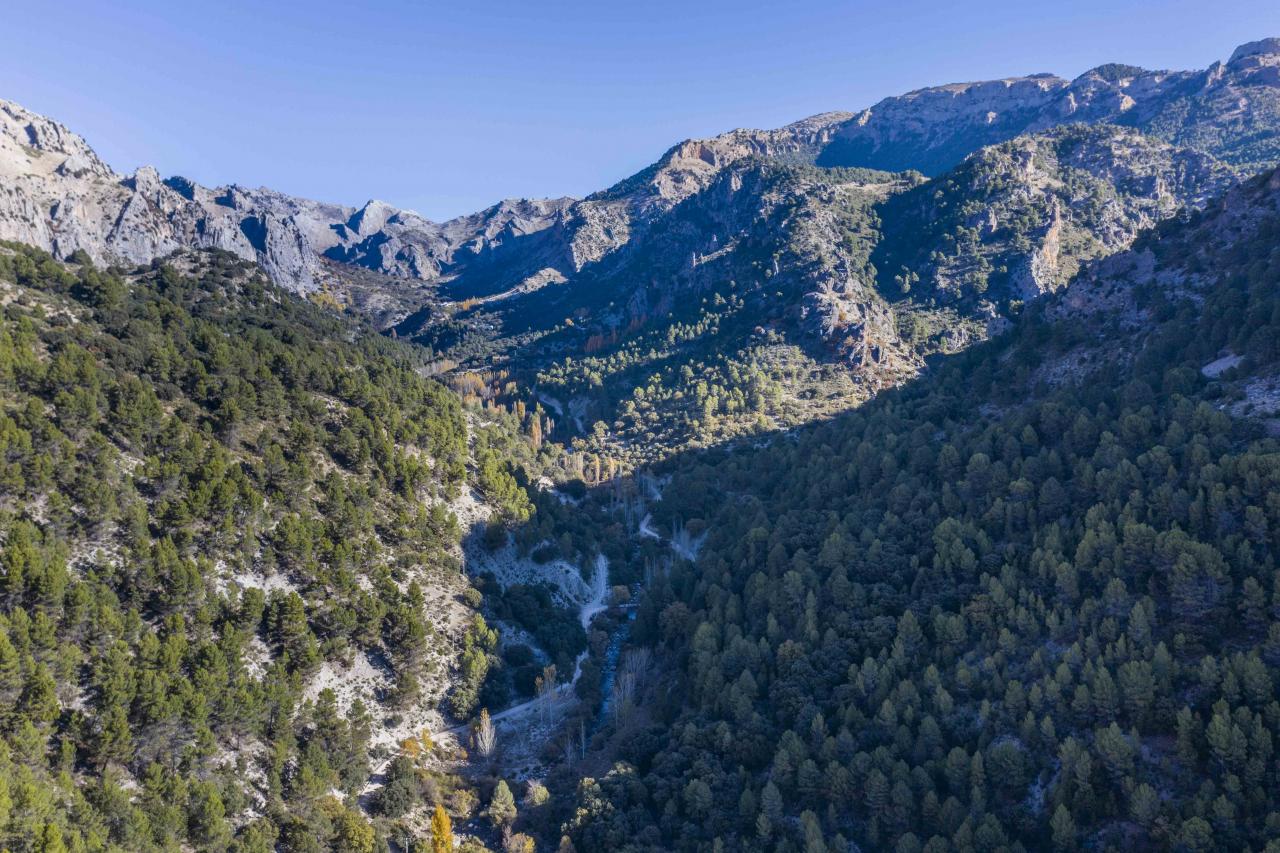
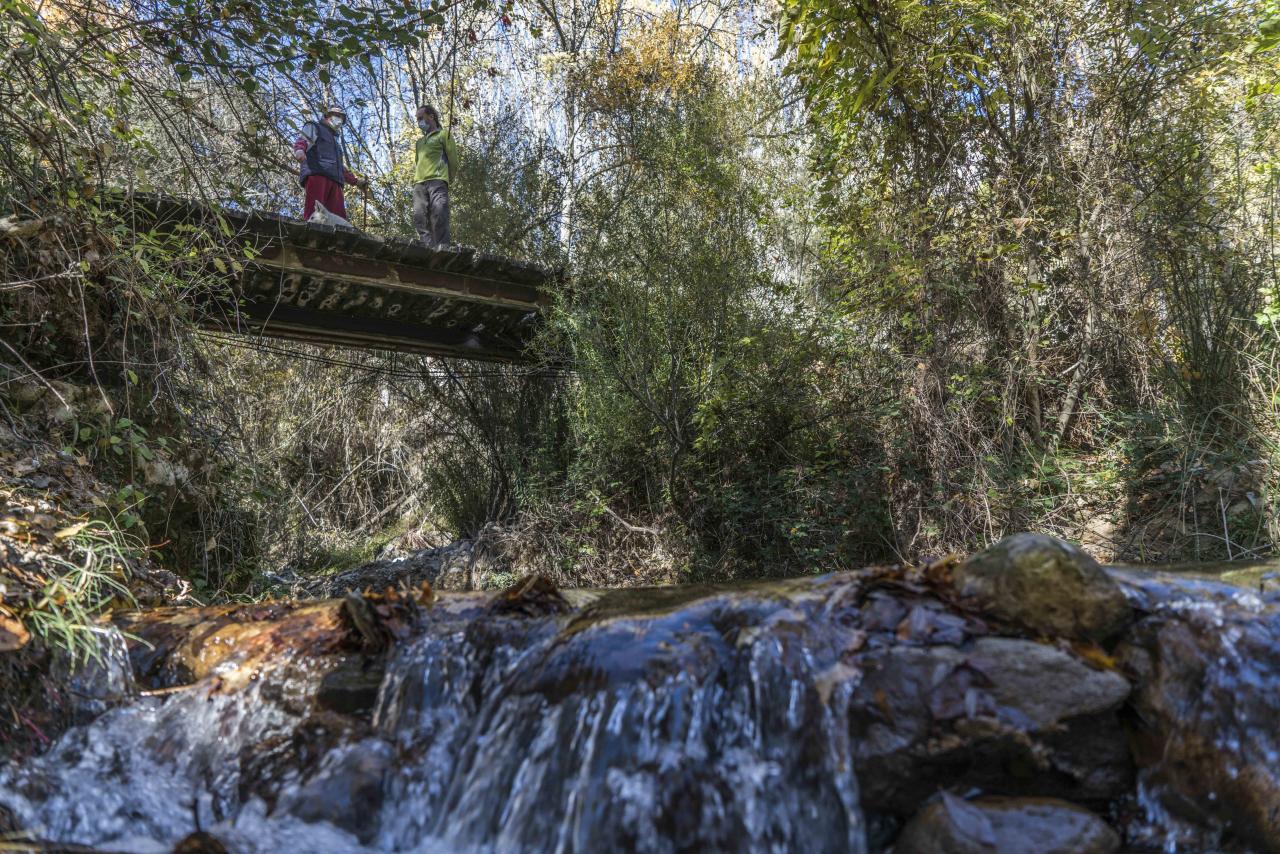
The project responds to the problem of high temperatures by means of actions that favour climatic comfort in the transit areas, while at the same time reorganising the tourist flows and the parking network around the footbridge of the Castril River and its surroundings, functioning as deterrent spaces. In this way, a new urban-rural scene will be promoted at the destination, more welcoming, walkable, reorganised and sustainable.
Current stage development
Prototype level
Project Region
Spain
Municipality
18046: Castril (ES)
EU Programme or fund
No
Description of the project
Summary
The initiative aims to improve soil health in the Altiplano de Granada through sustainable land management. It focuses on soil regeneration, sustainable agriculture and strengthening the local farming community. Its implementation aims to curb desertification, improve agro-food productivity and encourage community participation in land conservation.
The project responds to the problem of high temperatures by means of actions that favour climatic comfort in the transit areas, while at the same time reorganising the tourist flows and parking network around the footbridge of the Castril River and its surroundings, functioning as deterrent spaces. In this way, a new urban-rural scene is promoted to the destination, more welcoming, walkable, reorganised and sustainable.
Overall objective:
To promote sustainable land management that improves soil health and ensures a resilient agri-food system.
Target groups:
Farmers and livestock farmers.
Public and private institutions
Community associations
General public
Specific objectives:
Implement sustainable agricultural practices.
Promote environmental education and awareness raising.
Strengthen the local economy based on sustainable production.
Promote soil regeneration with scientific and technical approaches.
Integrate the community in decision making about the territory.
Expected results:
Reduction of soil degradation.
Increased sustainable agricultural productivity.
Increased citizen participation in land conservation.
Development of a replicable model in other regions affected by desertification.
The project responds to the problem of high temperatures by means of actions that favour climatic comfort in the transit areas, while at the same time reorganising the tourist flows and parking network around the footbridge of the Castril River and its surroundings, functioning as deterrent spaces. In this way, a new urban-rural scene is promoted to the destination, more welcoming, walkable, reorganised and sustainable.
Overall objective:
To promote sustainable land management that improves soil health and ensures a resilient agri-food system.
Target groups:
Farmers and livestock farmers.
Public and private institutions
Community associations
General public
Specific objectives:
Implement sustainable agricultural practices.
Promote environmental education and awareness raising.
Strengthen the local economy based on sustainable production.
Promote soil regeneration with scientific and technical approaches.
Integrate the community in decision making about the territory.
Expected results:
Reduction of soil degradation.
Increased sustainable agricultural productivity.
Increased citizen participation in land conservation.
Development of a replicable model in other regions affected by desertification.
Key objectives for sustainability
The initiative seeks to regenerate degraded soils through sustainable agricultural practices such as regenerative soil management, agroecology and reforestation with native species. Circular economy and water conservation strategies have been developed to ensure long-term sustainability.
Key objectives for aesthetics and quality
The initiative promotes the beautification of the agricultural landscape through the conservation of traditional crops, the recovery of meadows and the diversification of crops with adapted species. In addition, ecotourism and agri-food routes are promoted to improve the experience of visitors and inhabitants.
Key objectives for inclusion
Measures have been developed to ensure accessibility to information and participation of all stakeholders, including:
- Training in regenerative agriculture for women and youth.
- Support to small farmers and agricultural cooperatives.
- Creation of participatory governance systems for decision-making.
- Training in regenerative agriculture for women and youth.
- Support to small farmers and agricultural cooperatives.
- Creation of participatory governance systems for decision-making.
How Citizens benefit
The community has been involved through participatory workshops, surveys and meetings with farmers, associations and public administrations. Environmental education in schools and training in sustainable practices is encouraged.
Impact:
- Increased awareness of the importance of soil.
- Creation of community networks for land conservation.
- Implementation of good agricultural practices with local support.
Impact:
- Increased awareness of the importance of soil.
- Creation of community networks for land conservation.
- Implementation of good agricultural practices with local support.
Innovative character
Compared to other common actions in the region, this initiative stands out:
- Holistic approach: It integrates soil health with the economy, tourism and citizen participation.
- Sustainable land management: It is based on innovative land restoration practices.
- Active community participation: Public-private agreements on soil health have been generated.
- Holistic approach: It integrates soil health with the economy, tourism and citizen participation.
- Sustainable land management: It is based on innovative land restoration practices.
- Active community participation: Public-private agreements on soil health have been generated.
Disciplines/knowledge reflected
Disciplines and fields of knowledge reflected
- Sustainable agriculture and livestock (regenerative soil management).
- Environmental sciences (mitigation of desertification).
- Rural economy (strengthening local production).
- Sociology and citizen participation (governance and community empowerment).
- Sustainable tourism (ecotourism linked to agri-food production).
- Sustainable agriculture and livestock (regenerative soil management).
- Environmental sciences (mitigation of desertification).
- Rural economy (strengthening local production).
- Sociology and citizen participation (governance and community empowerment).
- Sustainable tourism (ecotourism linked to agri-food production).
Methodology used
Methodology or approach used
- Participatory territorial diagnosis: Identification of problems and opportunities.
- Implementation of good practices: Regenerative agriculture and soil conservation techniques.
- Monitoring and evaluation: Soil health and agricultural productivity indicators.
- Participatory territorial diagnosis: Identification of problems and opportunities.
- Implementation of good practices: Regenerative agriculture and soil conservation techniques.
- Monitoring and evaluation: Soil health and agricultural productivity indicators.
How stakeholders are engaged
The design and implementation of the initiative has involved multiple stakeholders:
At the local level: farmers, town councils, community associations.
At regional level: Junta de Andalucía, Diputación de Granada, AGAPA.
At national and European level: HuMUS project within the Horizon Europe programme.
.
This collaboration has allowed the development of public policies adapted to the needs of the territory.
At the local level: farmers, town councils, community associations.
At regional level: Junta de Andalucía, Diputación de Granada, AGAPA.
At national and European level: HuMUS project within the Horizon Europe programme.
.
This collaboration has allowed the development of public policies adapted to the needs of the territory.
Global challenges
Global challenges addressed with local solutions
- Climate change: Carbon sequestration and drought resilience.
- Desertification: Reforestation and sustainable water management.
- Food security: Sustainable and diversified local production.
- Climate change: Carbon sequestration and drought resilience.
- Desertification: Reforestation and sustainable water management.
- Food security: Sustainable and diversified local production.
Learning transferred to other parties
Replicable or transferable elements
- Participatory methodology for soil governance.
- Regenerative agriculture strategies adapted to semi-arid areas.
- Ecotourism models linked to local production.
- Participatory methodology for soil governance.
- Regenerative agriculture strategies adapted to semi-arid areas.
- Ecotourism models linked to local production.
Next steps
Planned activities and alignment with ONE's values<br />
- Awareness raising actions in schools and communities.<br />
- Implementation of pilot projects with scientific monitoring.<br />
- Strengthening of community networks to ensure the sustainability of the model.<br />
.<br />
Next steps:<br />
<br />
- Expansion of the network of actors involved.<br />
- Evaluation of impacts and improvements in the strategy.<br />
- Expansion of the model to other regions with similar characteristics.
Infrastructure or public space
Yes
Political support
Yes
Monetary value awarded
No