Secure house and cultural meeting place
Basic information
Project Title
Full project title
Project Description
Current stage development
Project Region
Municipality
EU Programme or fund
Description of the project
Summary
Creating a positive relocation chain within the municipality was another goal. For older adults to sell their house or farm to new families when the space is too large for one or two people, and have the opportunity to move into a modern, centrally located new home. In this way, we can offer people the opportunity to move into the municipality and make daily life easier for older adults. We also contribute to reducing the amount of square meters per person.
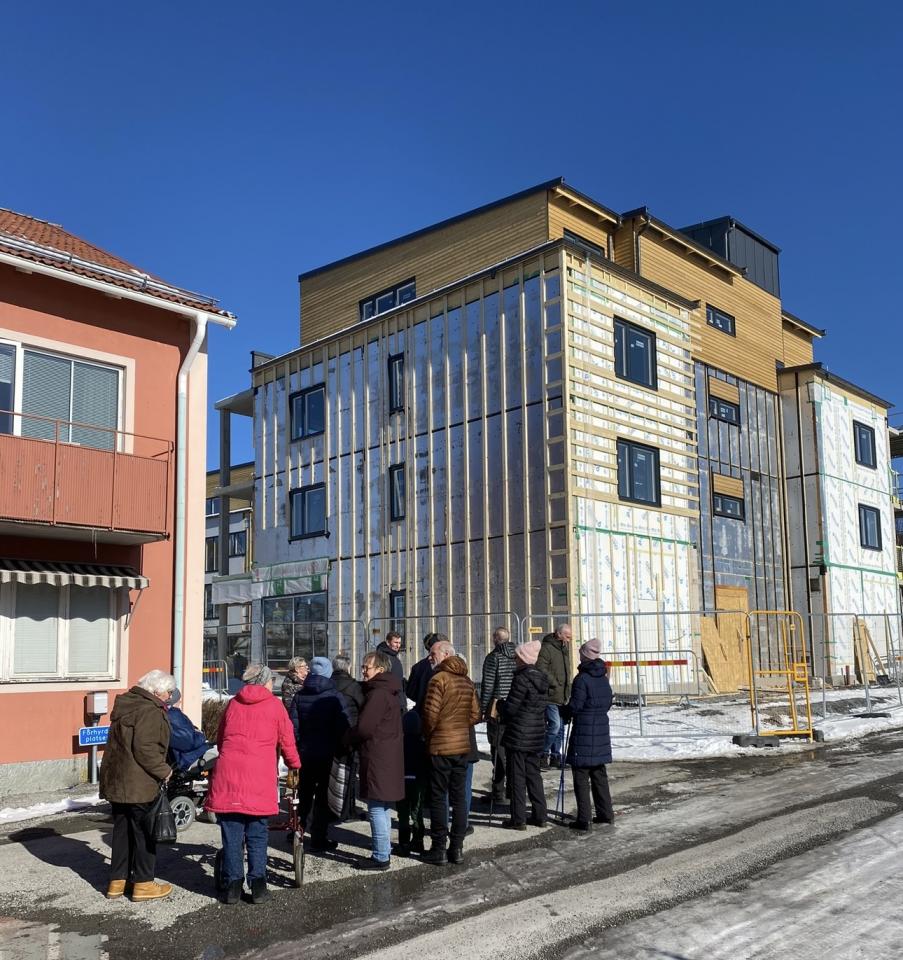
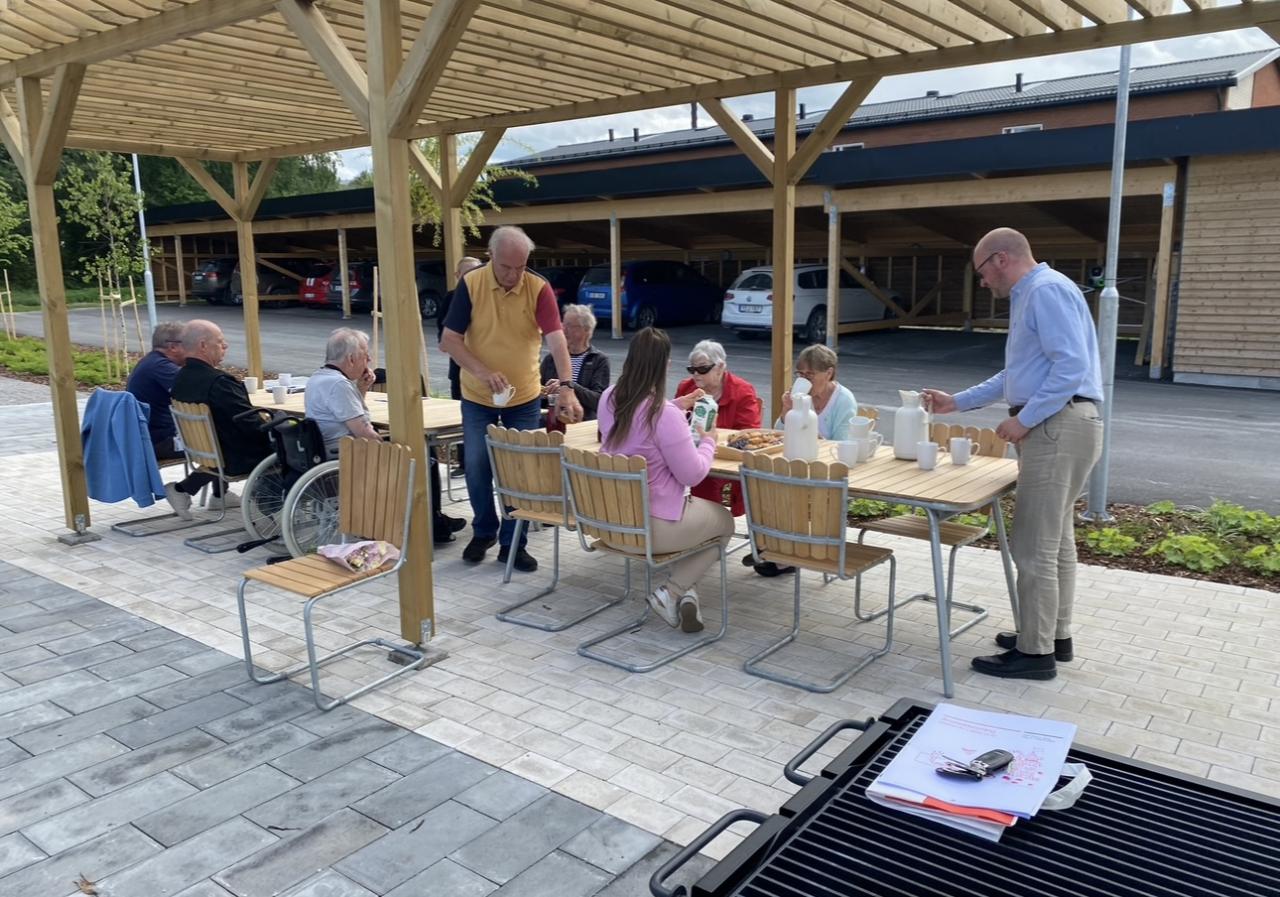
Riksbyggen and Bergs Municipality have collaborated on a joint project aimed at creating senior housing in the form of cooperative rental apartments and a cultural meeting place for all the municipality's residents and visitors. The municipality wants to create conditions for a relocation chain and immigration to the municipality, more life and movement in the town center, the possibility of staying longer in one's apartment, coordinated home care, a centerpiece for the square, and a cultural meeting place. The property is built according to sustainability requirements in Sweden. The design of the building has been shaped by the experiences of those involved, building standards, aesthetic architecture, and the needs and opinions of the residents.
Key objectives for sustainability
Key objectives for aesthetics and quality
Key objectives for inclusion
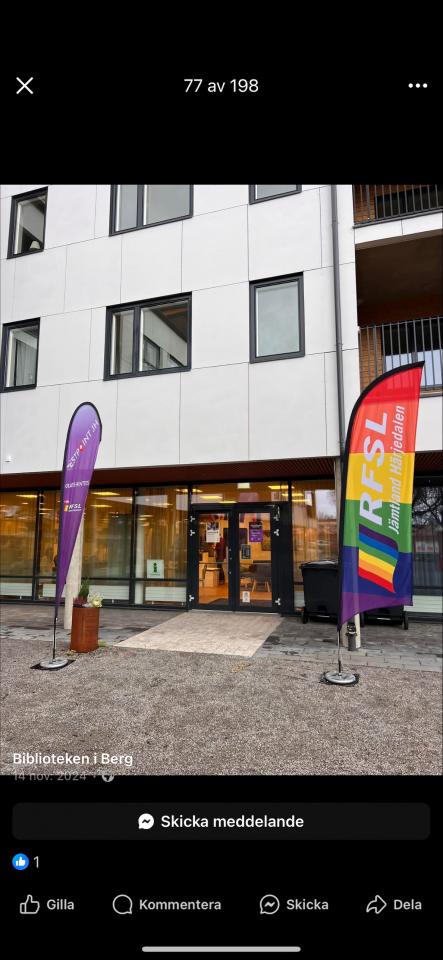
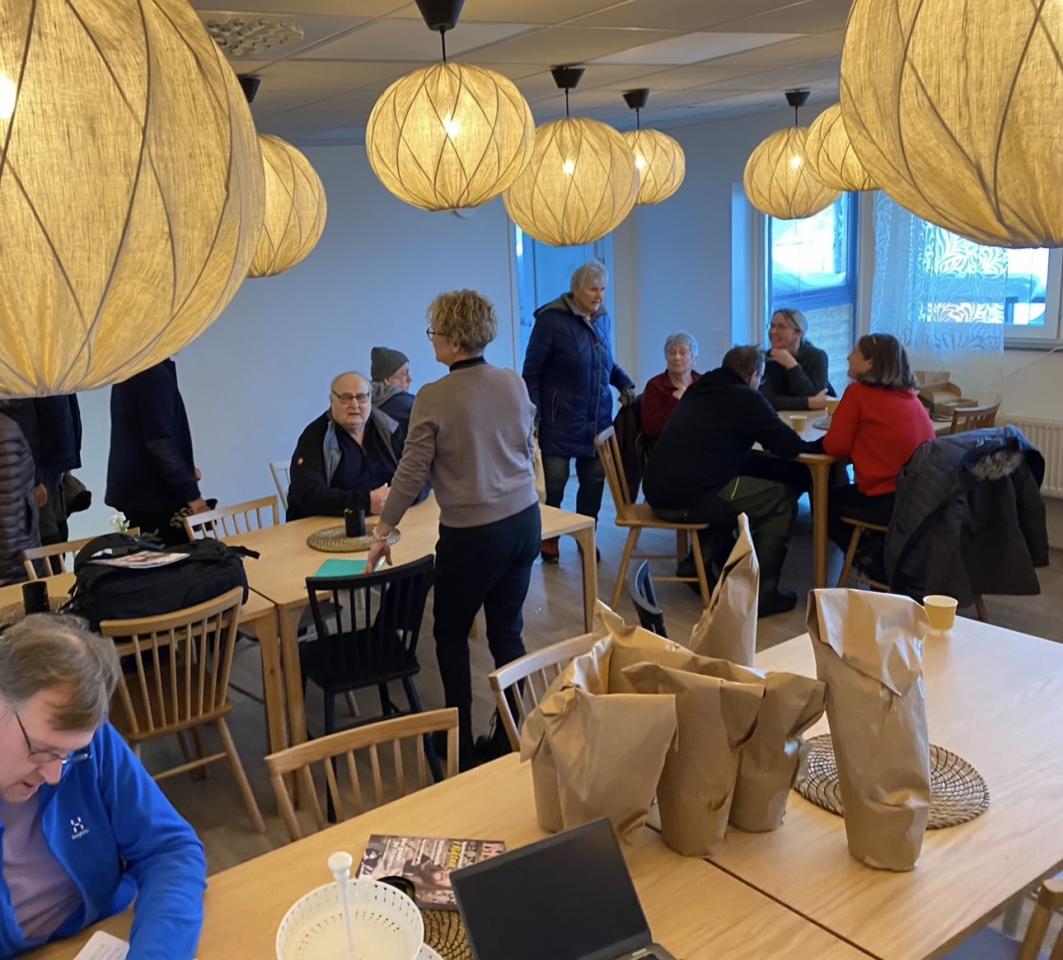
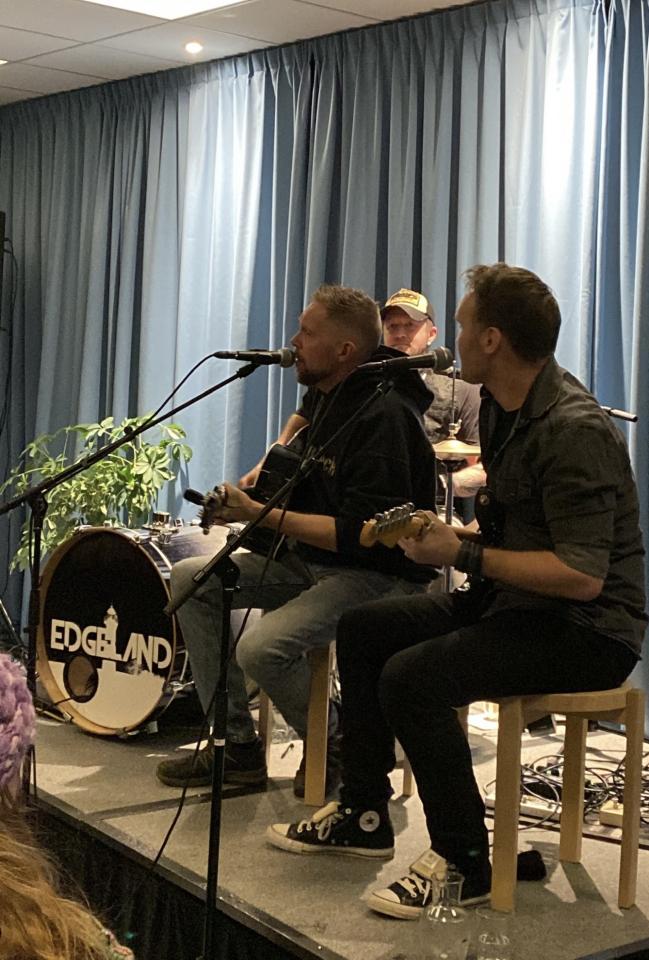
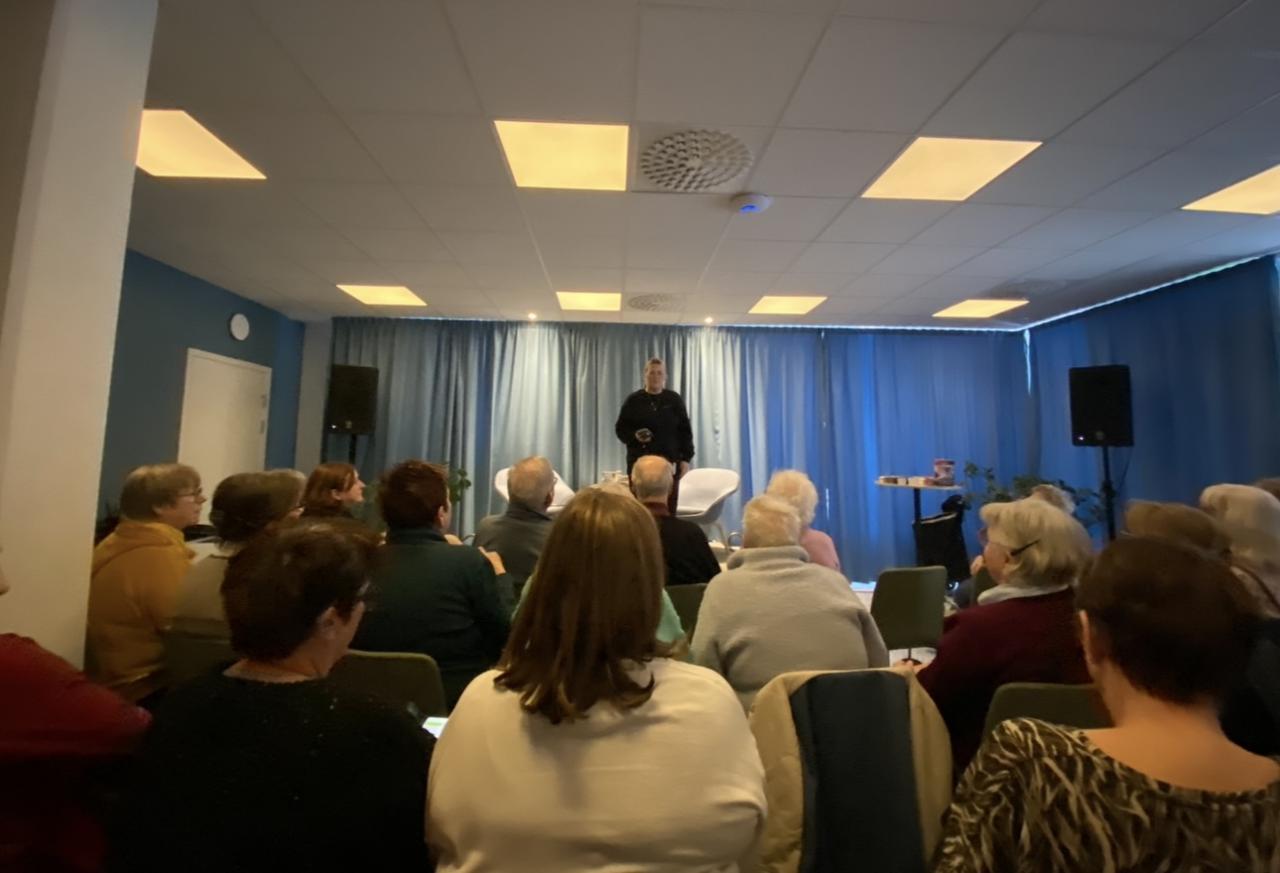
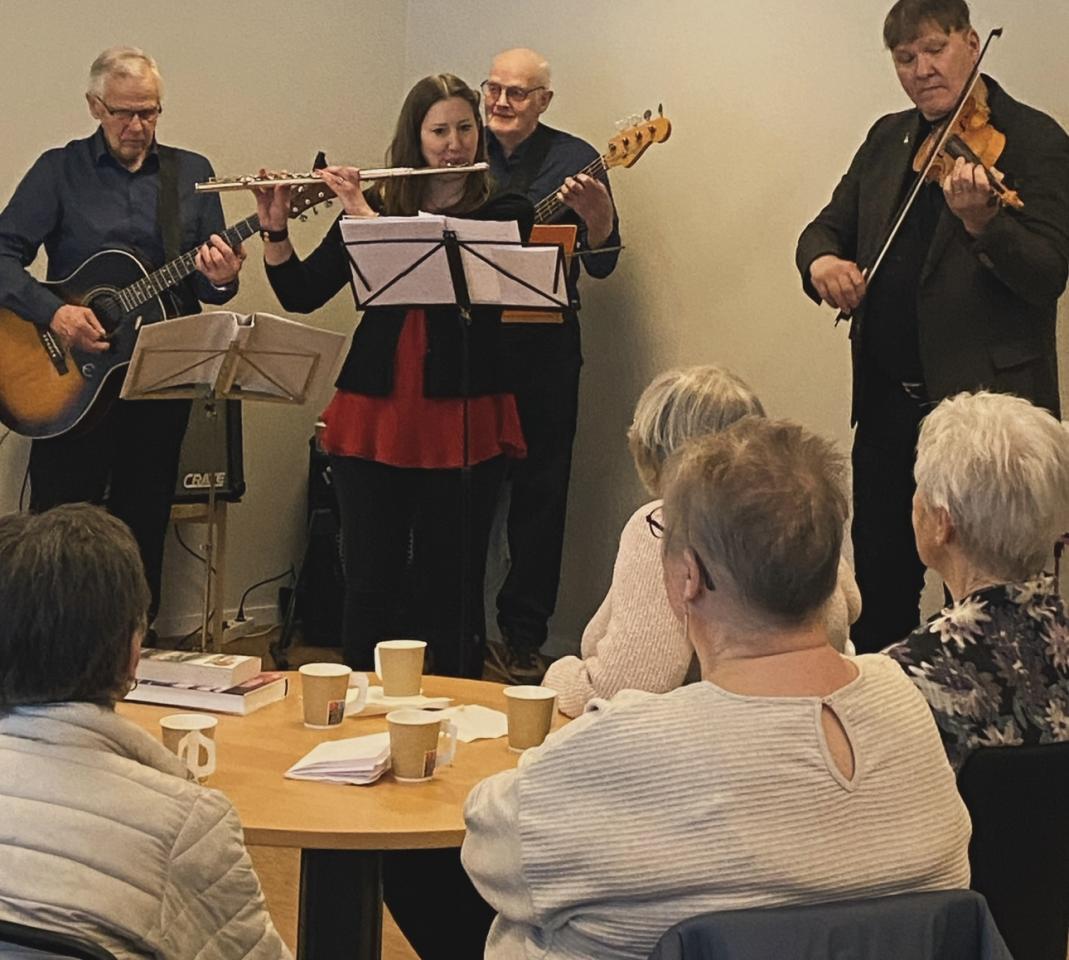
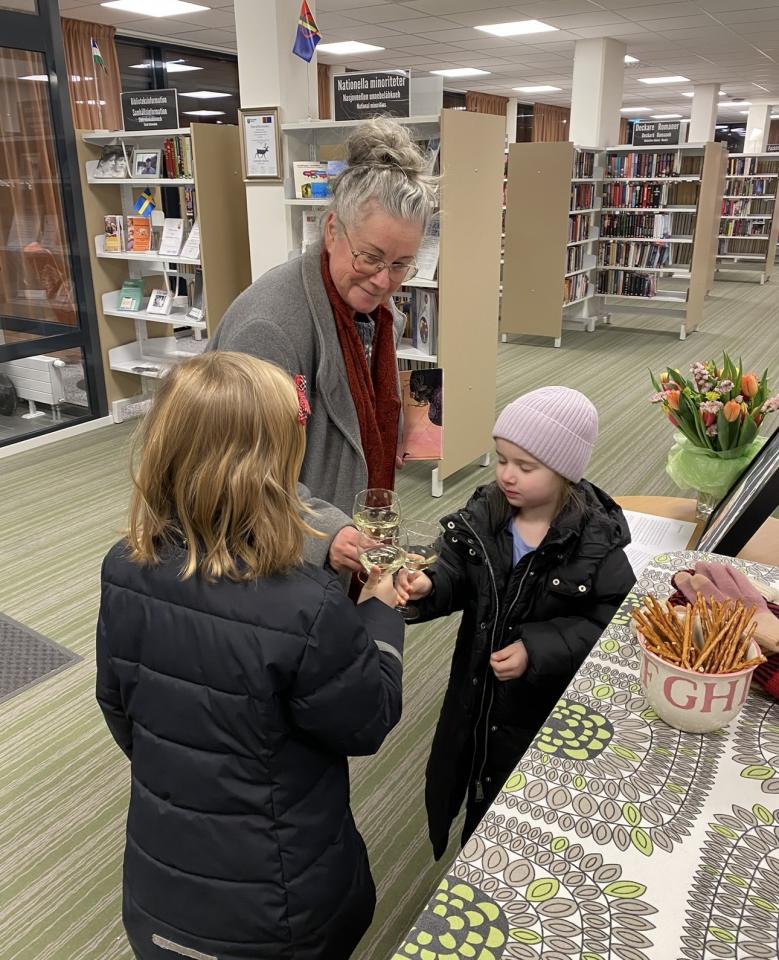
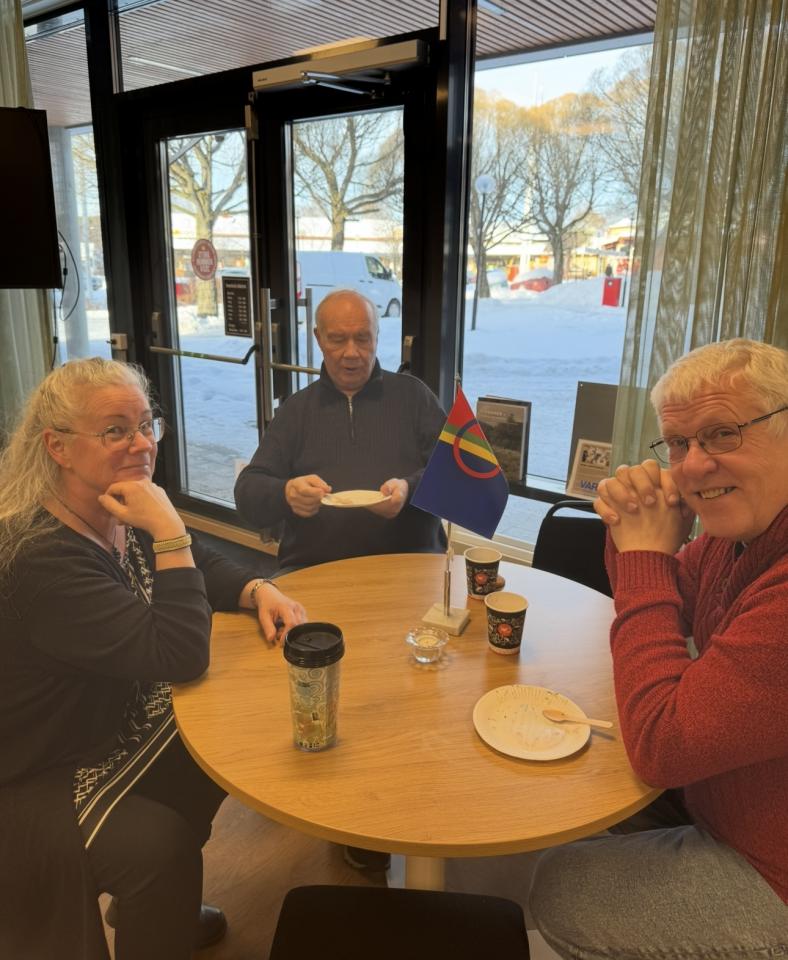
The shared cultural meeting place can become a hub for the entire community. The library encourages a love of reading, while exhibitions—such as one on the Great Lake Monster—preserve local history for future generations. Municipal council meetings are held in the facility, reinforcing its role as the highest democratic institution in the municipality.
How Citizens benefit
Innovative character
The comprehensive report submitted to the municipality includes:
Future needs for special housing, LSS housing, senior housing, and potential additional operational facilities
Formation of a cooperative rental housing association
Sketches of proposed buildings developed in collaboration with working, steering, and reference groups
Financial calculations for the association, long-term financial projections, and economic implications for the municipality
Proposed statutes for the association
The municipality and Riksbyggen then establish a fully independent cooperative rental housing association, which is a separate legal entity that owns the property. The association is responsible for managing and renting out the apartments. Residents become members of the association, granting them voting rights at the annual general meeting and ensuring significant influence over the property and the association's operations.
The municipality does not invest its own capital in the construction but instead provides a municipal guarantee, enabling the association to secure loans for financing. This means the municipality's own investment capacity remains available for other priorities within municipal operations.
Disciplines/knowledge reflected
Representatives from the target group aged 63 and older.
Representatives from the municipality's cultural department.
Representatives from pensioners' organizations.
Representatives from the local business community.
Architects and landscape architects.
Project managers and experts in construction.
Decision-makers at the local level.
The BoBra association in Berg.
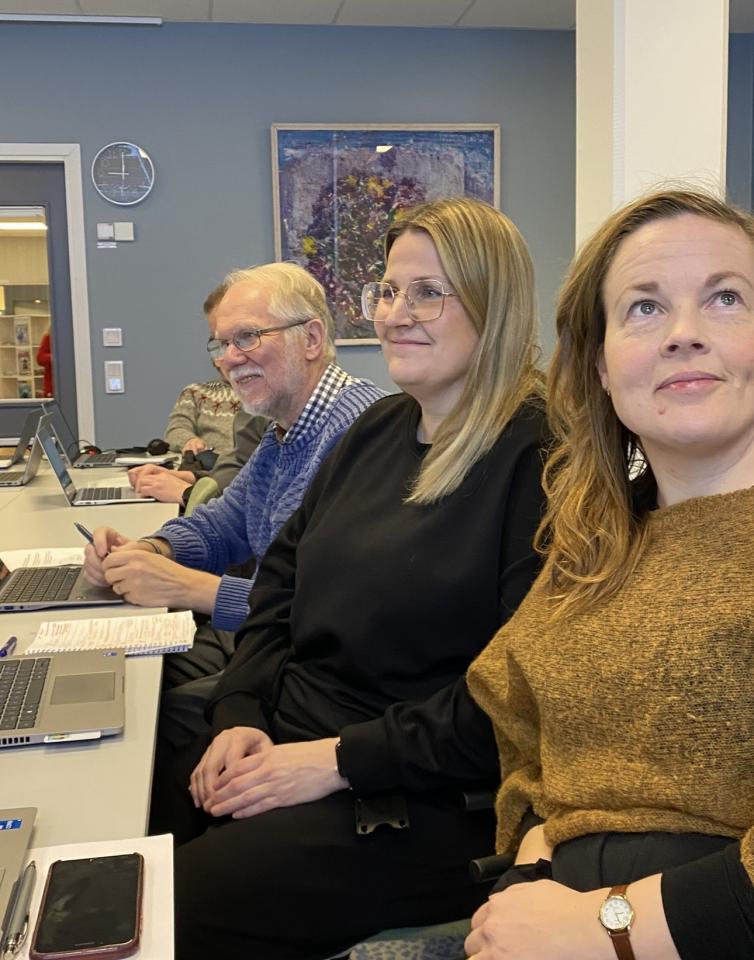
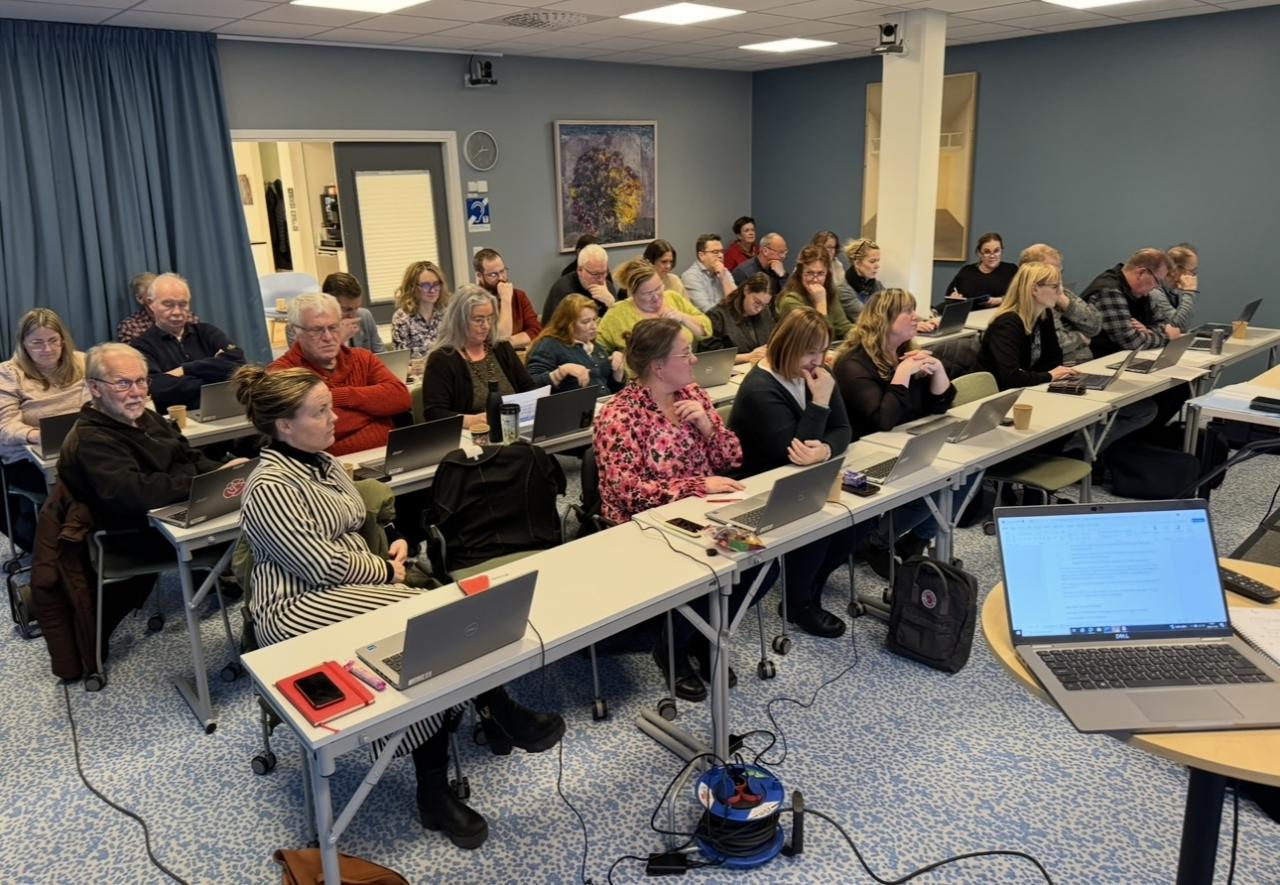
We have systematically worked with a steering group, project group, and reference group.
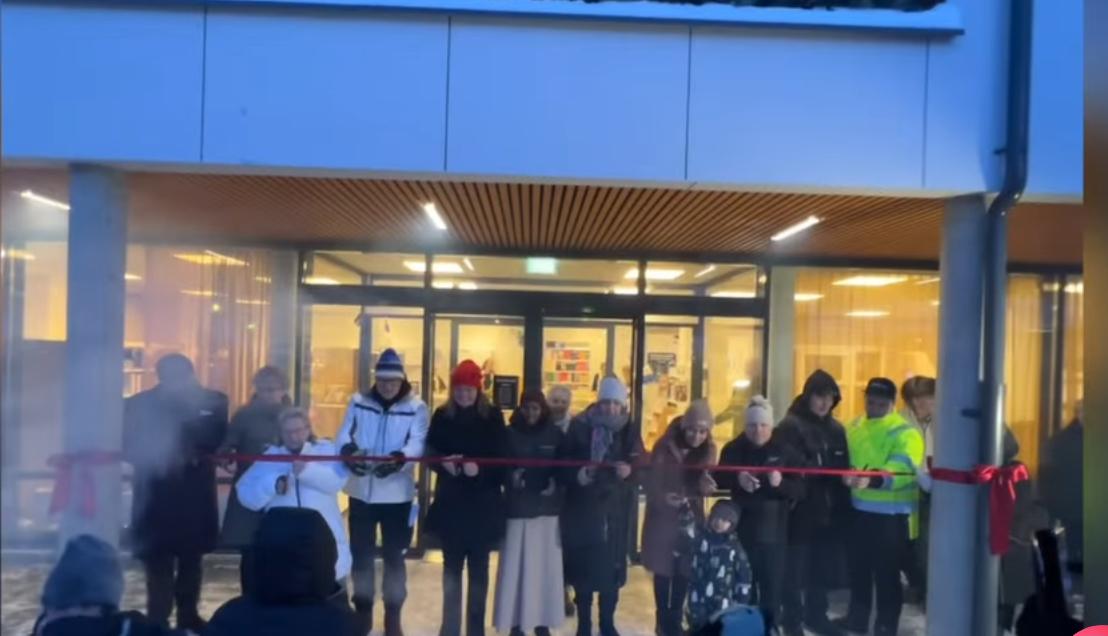
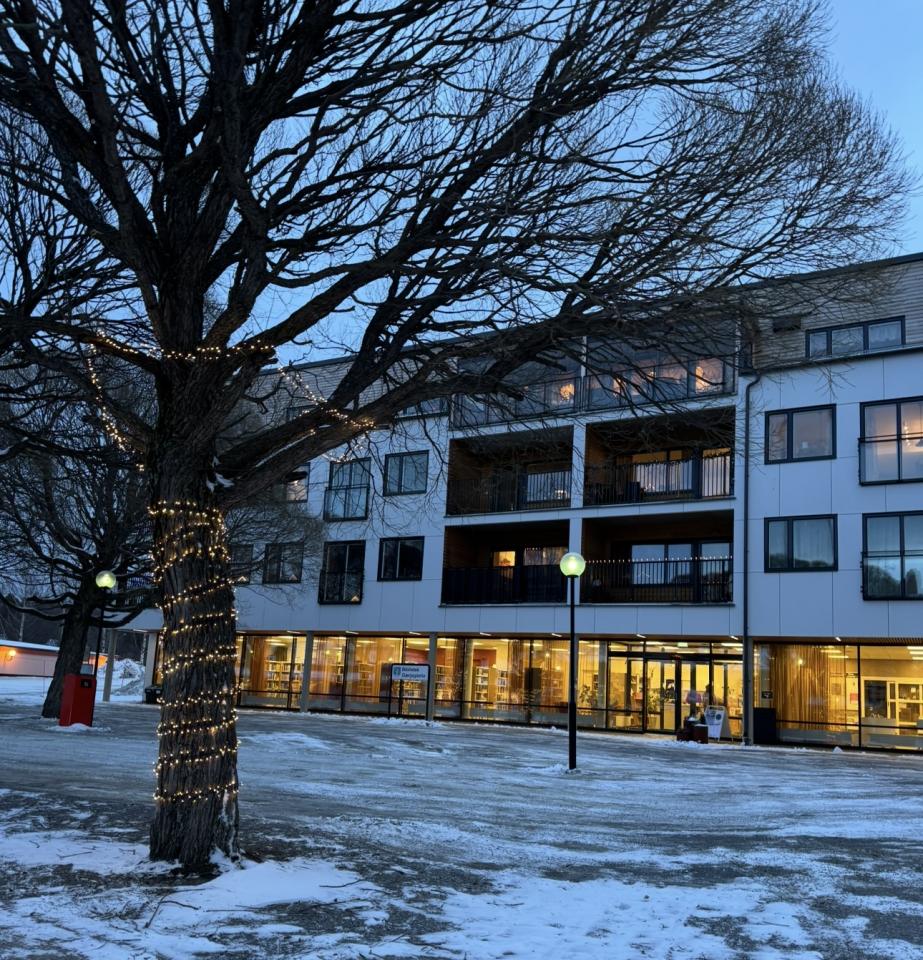
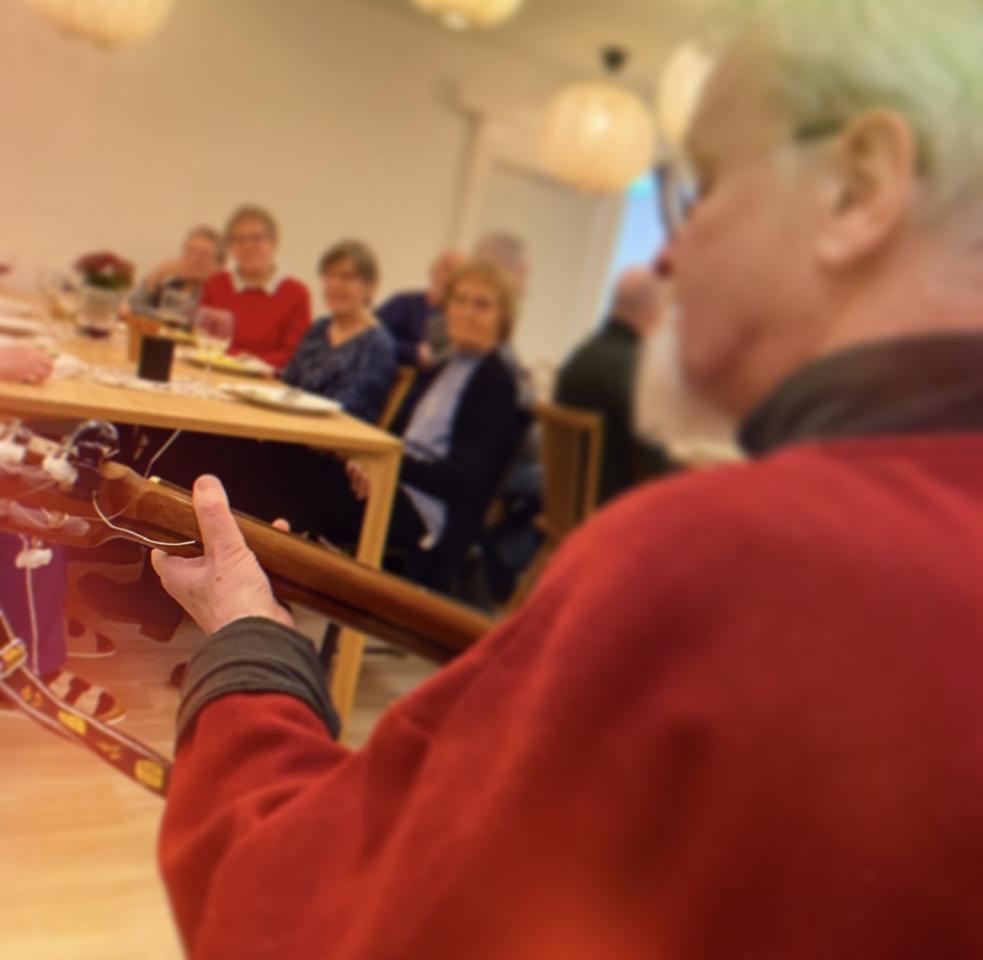
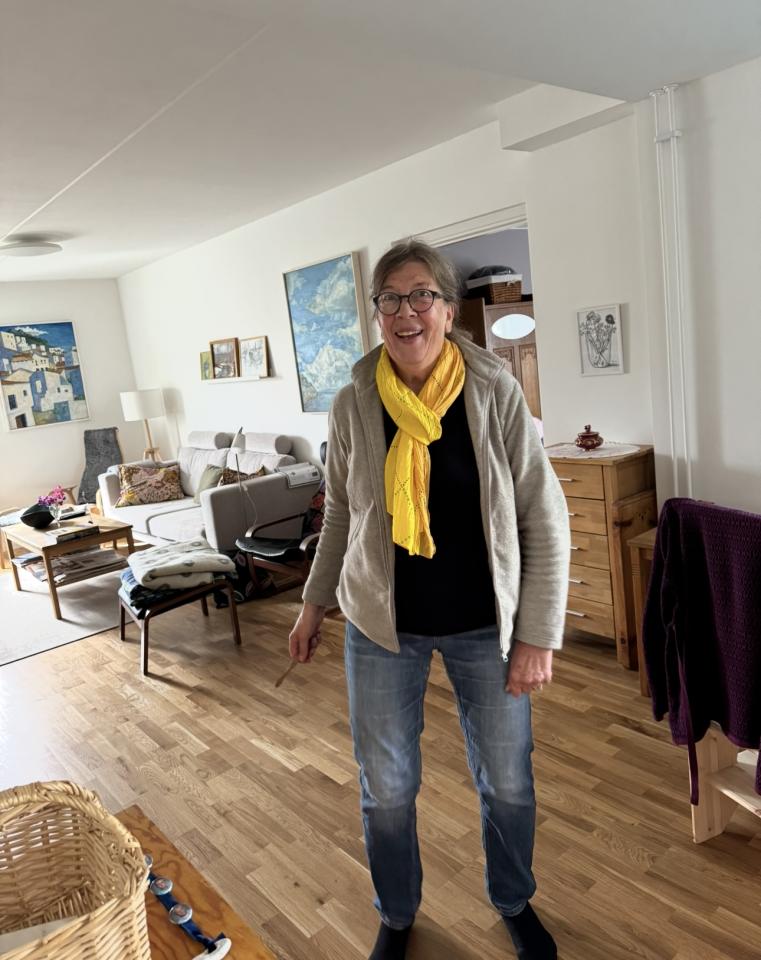
The combined result is the fantastic building we now have in the heart of the town center, a cultural meeting place, library, apartments for people aged 65 and older, and their shared spaces for socializing.
Methodology used
Feasibility Study – Needs Analysis
During the feasibility study phase, the future demand for different types of housing and the potential need for operational facilities are analyzed and determined.
Design & Planning
In the design phase, the details of the planned buildings are finalized in consultation with experts in relevant fields.
Construction
The buildings are constructed in dialogue with the association’s board.
Management
During the management phase, both the building and the association are maintained, divided into three key areas:
Financial management
Technical management
Property maintenance
Each phase is based on the principles of a high-quality living environment, a good working environment, and cost efficiency for the municipality.
Advantages of a Cooperative Rental Housing Association:
Defined financial framework – surplus remains within the association
Flexible rent-setting within the association
Maintenance plan and fund without tax complications
Operational responsibility assigned to the board
Significant municipal influence
Strong influence for residents and operational activities
Non-profit model – cost-based principle
Releases municipal investment capacity
Frees up budget capital for the municipality
Can own multiple units and balance rents across them
Stable, knowledgeable, and long-term collaboration partner
How stakeholders are engaged
Global challenges
Goal 11 – Sustainable Cities and Communities: In a society where people live close to one another and feel a sense of belonging, inclusion naturally occurs. Inclusion, in turn, contributes to a safer and more resilient community.
Goal 12 – Responsible Consumption and Production: Most residents move from a larger house or farm to a smaller apartment. This transition reduces living space and frees up larger homes for families in need of housing.
Learning transferred to other parties
Next steps
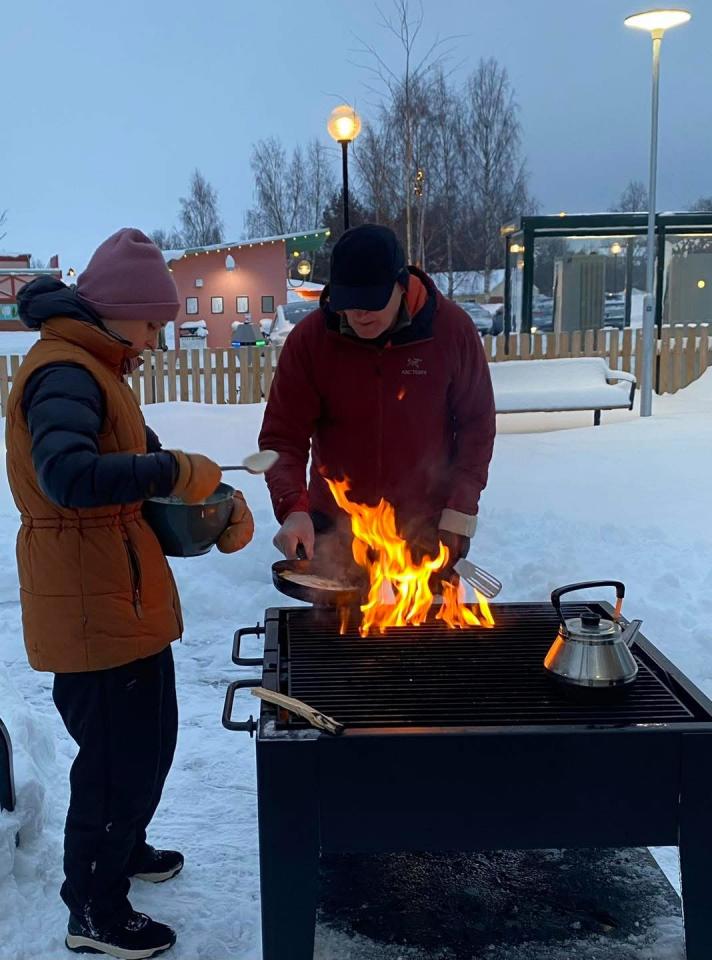
Riksbyggen and Bergs Municipality have collaborated on a joint project aimed at creating secure housing for seniors in the form of cooperative rental apartments. The municipality seeks bring more life and activity to the town center, enable seniors to remain in their apartments longer, centralize home care services, establish a landmark in the town square, and create a cultural meeting place. We have conducted a needs analysis, defined the design of the building and its surroundings, developed sketches, and calculated investment costs and rental levels. A key aspect has been assessing interest among municipal residents aged 63 and older. The project organization consisted of a decision-making steering group, an investigative project group, and a reference group responsible for information dissemination and securing support for planned measures. Participants in these groups included politicians, municipal experts, representatives from Riksbyggen, architects, and members from the senior and accessibility councils, senior groups, the cultural meeting place, and the business community in Svenstavik. The building’s design has been shaped by the collective experiences of those involved, building regulations, aesthetic architecture, and the needs and opinions of future residents. The objective was to establishing a cooperative rental association. As a community developer, Riksbyggen leads the way in promoting ecological, social, and economic sustainability. Residents have now moved in, the cultural meeting place has been inaugurated, and the work continues. Together with the safety coordinator, residents are shaping the shared spaces—both indoors and outdoors—and organizing security-enhancing activities. The property is managed with a focus on sustainability and will be monitored for aspects such as energy consumption. During the first five years, a warranty ensures that any necessary adjustments are made before the project is fully completed.