ALFARO LOCAL ACTION PLAN
Basic information
Project Title
Full project title
Project Description
Current stage development
Project Region
Municipality
EU Programme or fund
Which funds
Other Funds
NEXT GENERATION EU
Description of the project
Summary
Key objectives for sustainability
Thus, the ALFARO LOCAL ACTION PLAN and all its projects are based on sustainability criteria, not only environmental, but also economic and social, and have an integrated and transversal nature. From an environmental perspective, the projects respond to energy efficiency criteria; decarbonisation, not causing harm to the environment, recycling waste and using renewable energy, among other aspects linked to the quality of the architecture and its aesthetics. From an economic perspective, they aim to reactivate the municipality's economy, generating employment opportunities that also allow opportunities especially for the young population and women. Finally, from a social perspective, they have a participatory nature that, in a small municipality, with an ageing population, a high rate of female unemployment and a significant immigrant population, guarantees inclusion and social and territorial cohesion, through the creation of spaces for coexistence, accessible and designed for everyone. Mention that the project has received, from the Minister for Ecological Transition and the Demographic Challenge, a sustainability award that recognizes innovative and transformative projects at the National Environmental Congress, CONAMA 2024 (https://alfaro.es/agendaurbana/el-plan-de-accion-local-de-alfaro-recibe-un-premio-conama-a-la-sostenibilidad/)
Key objectives for aesthetics and quality
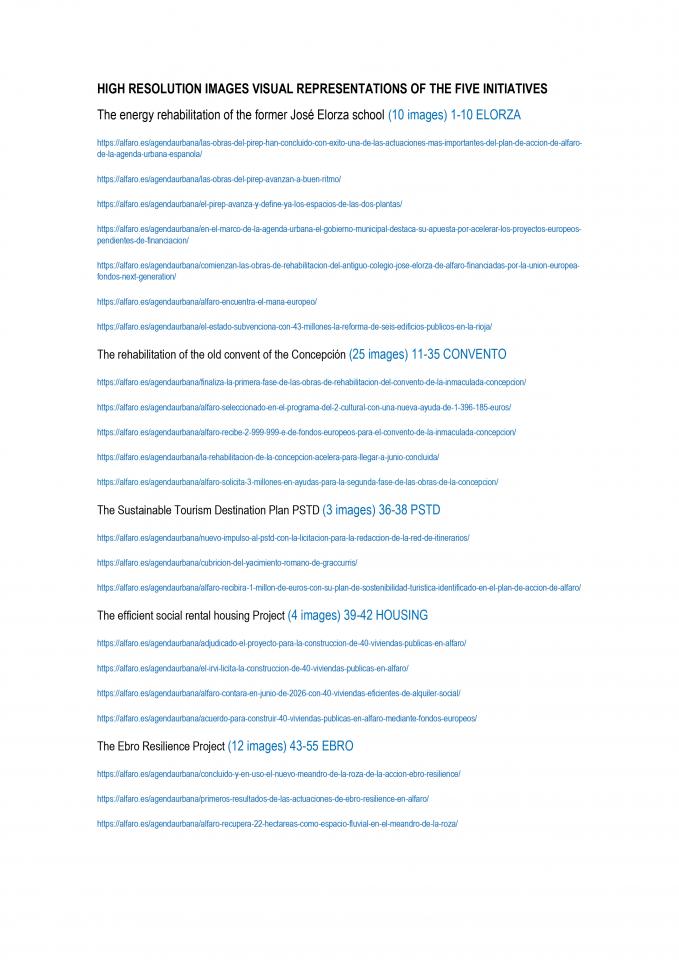
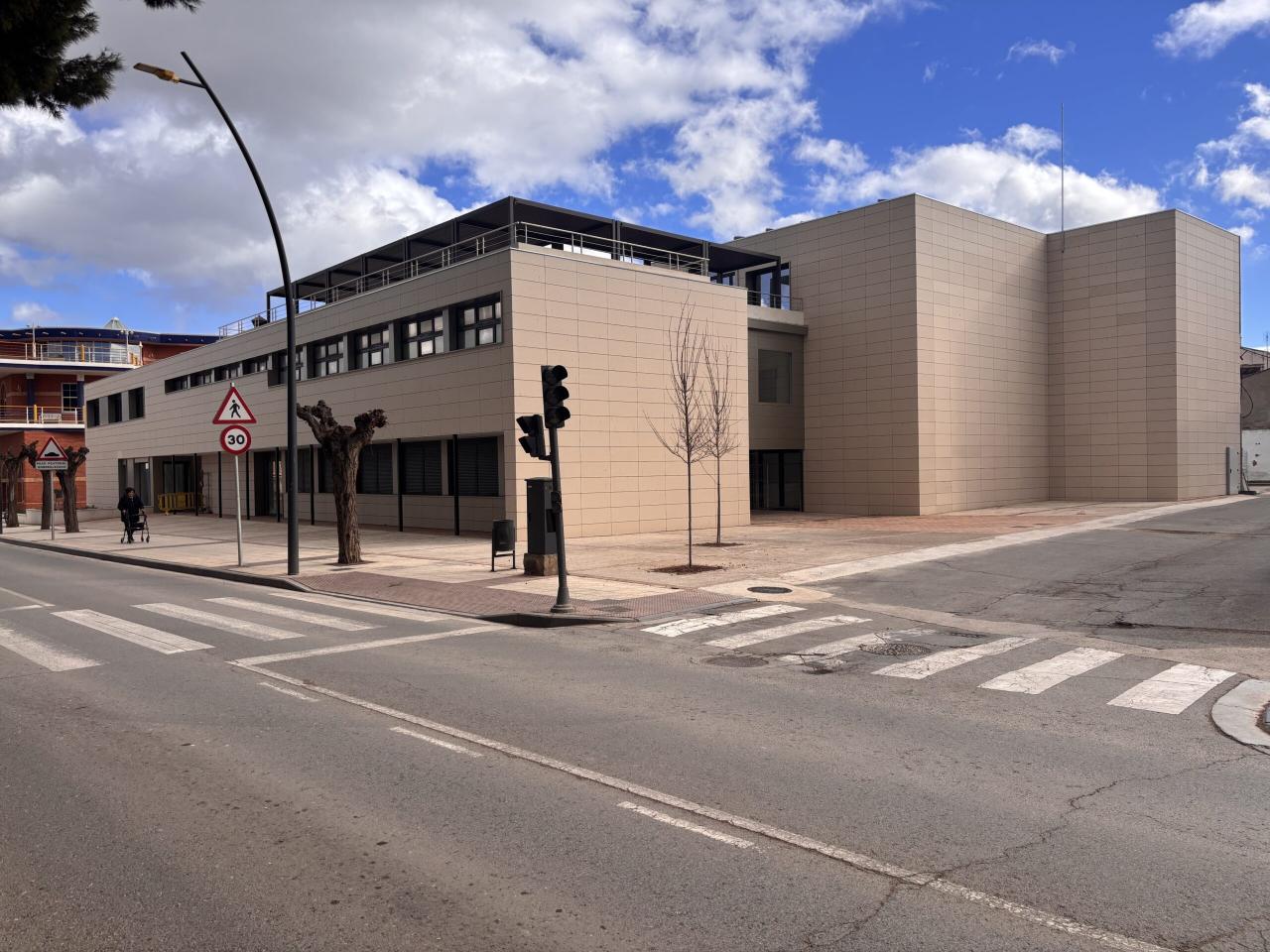
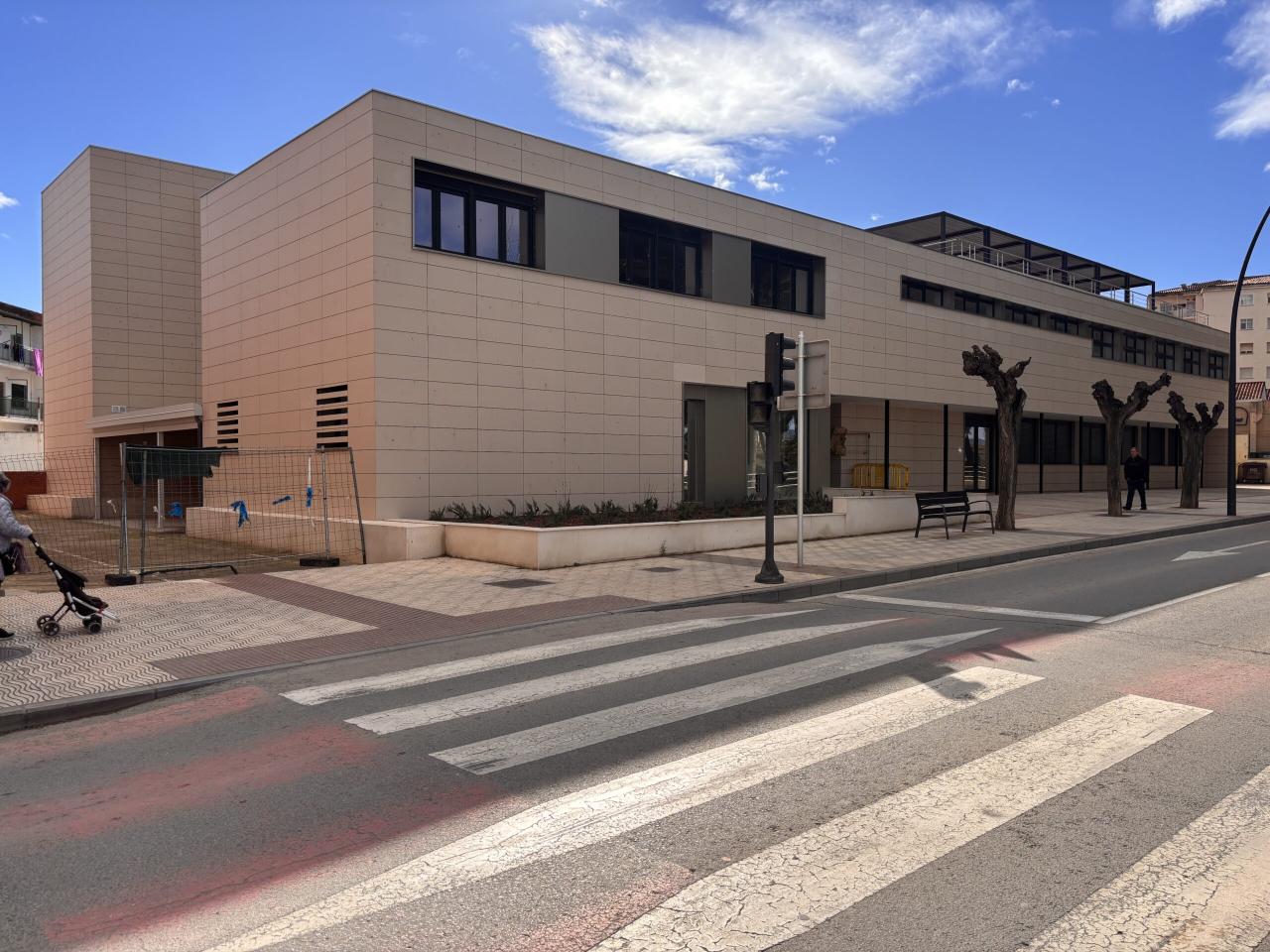
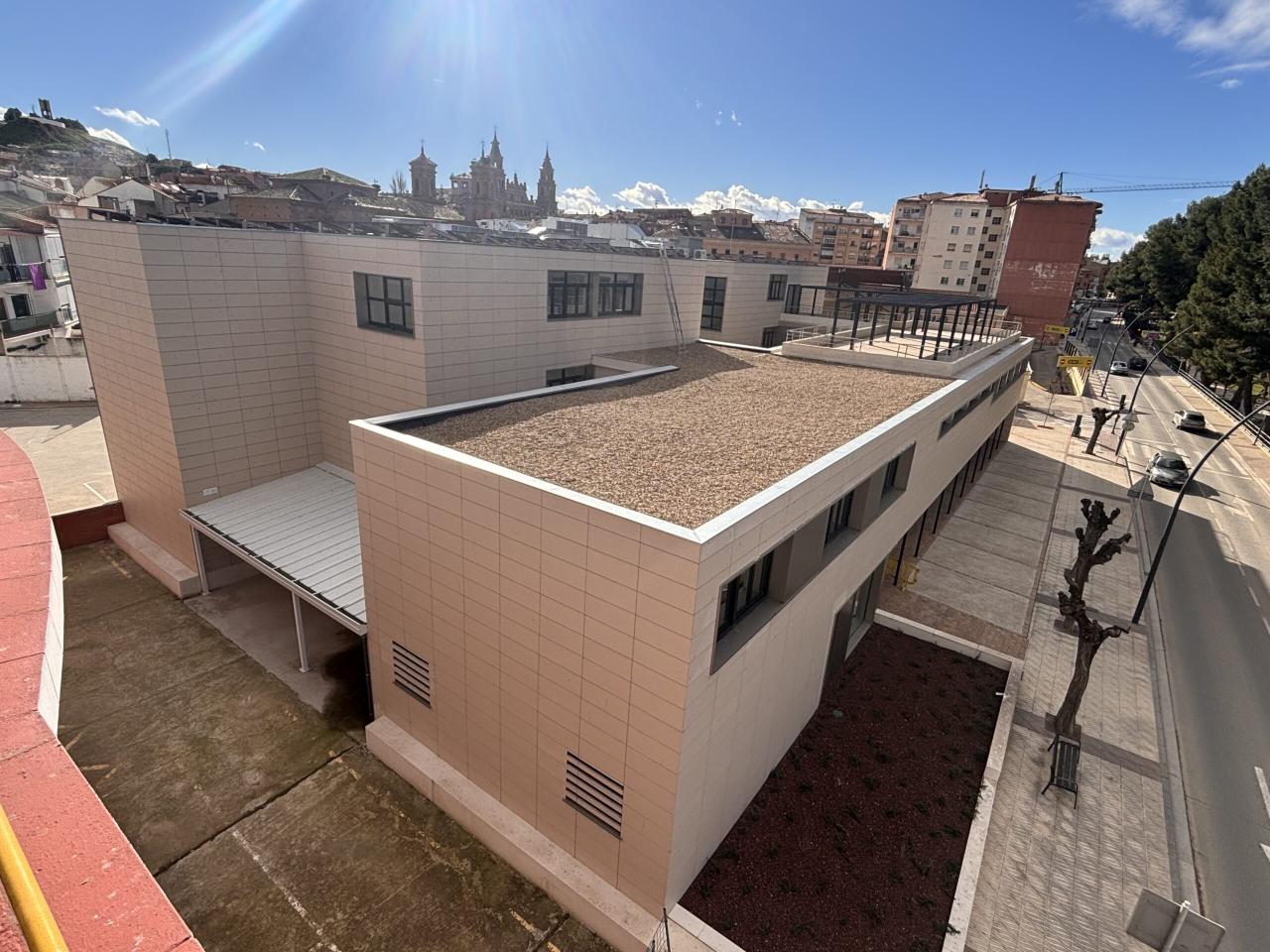
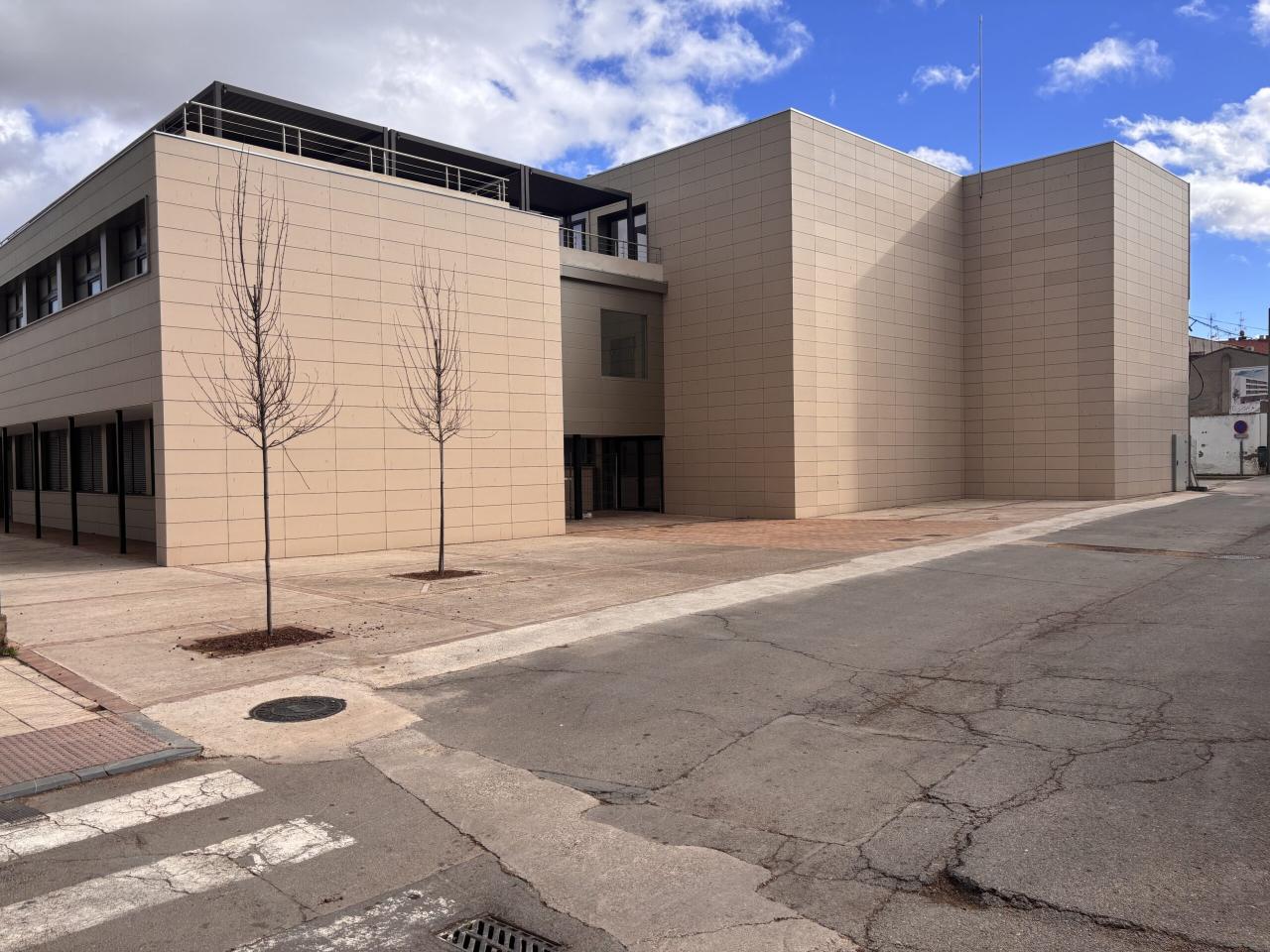
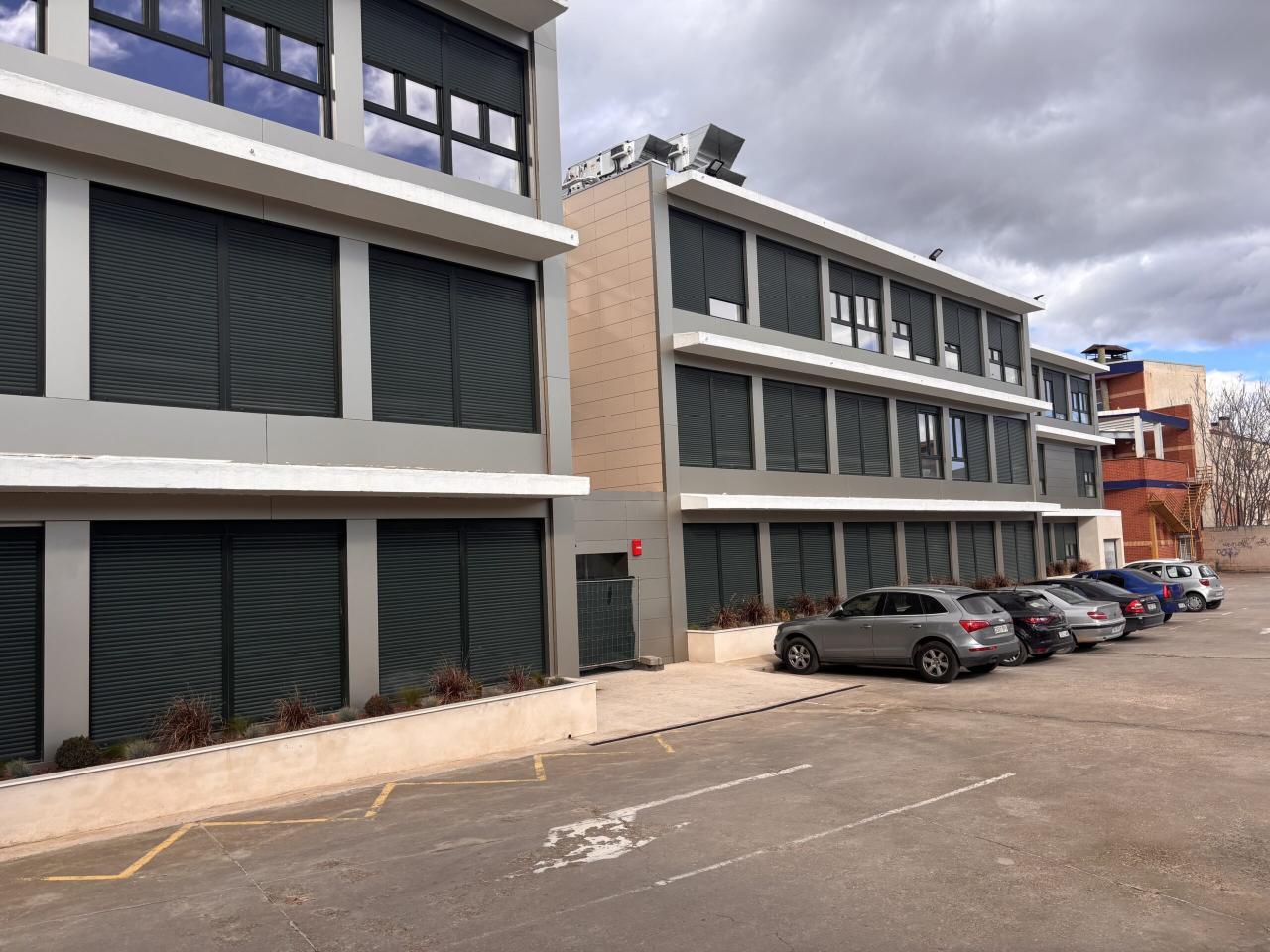
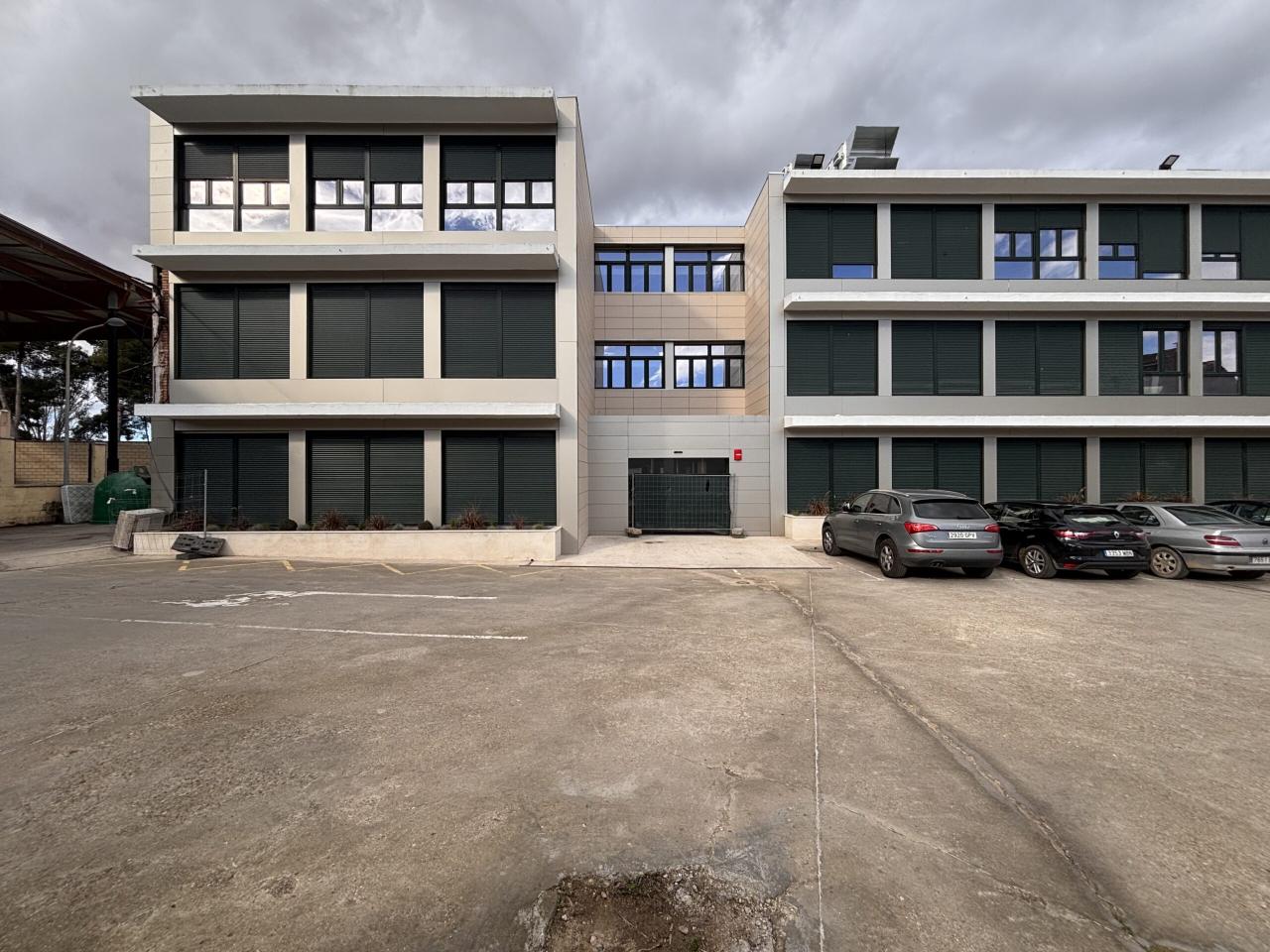
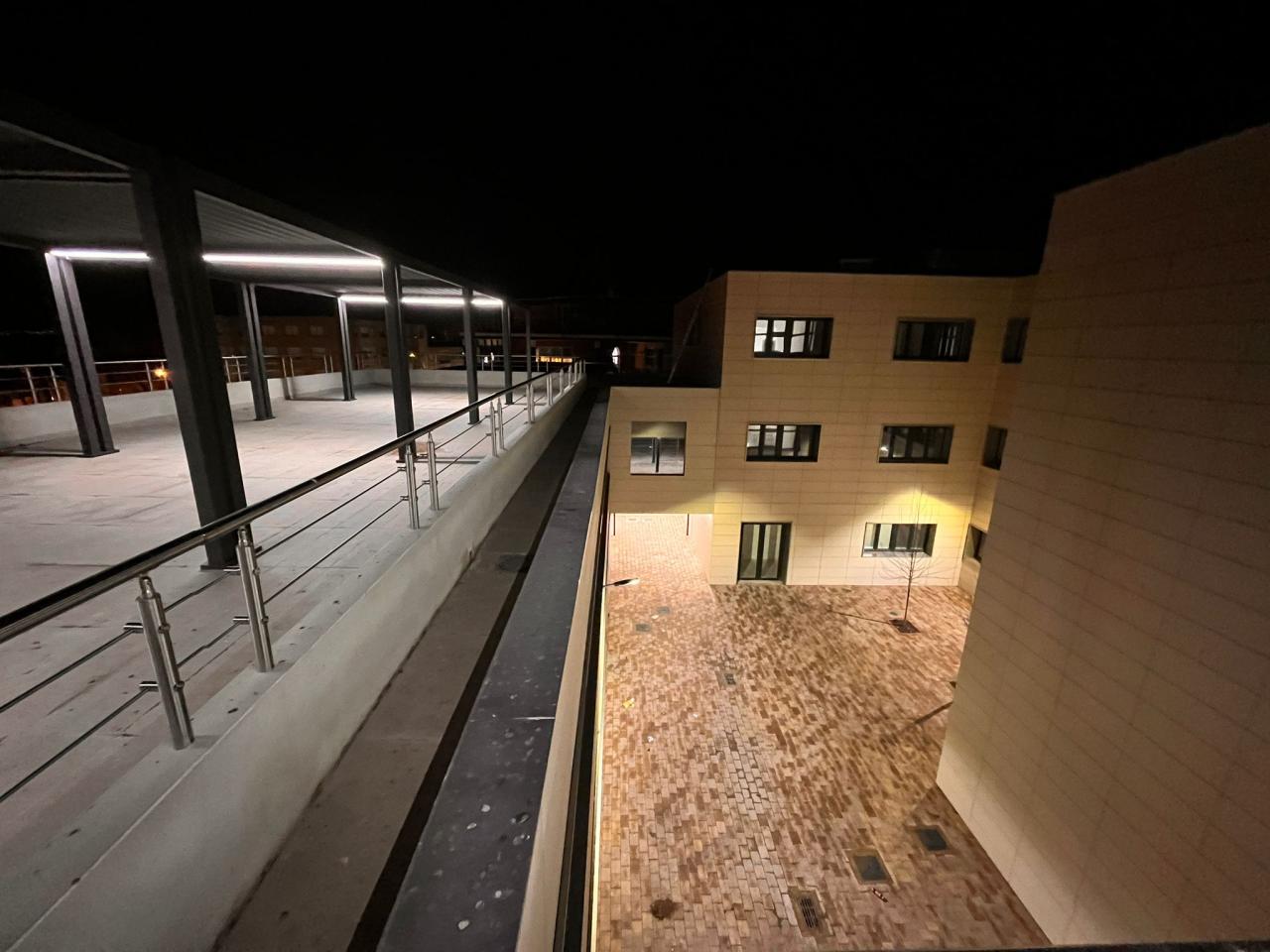
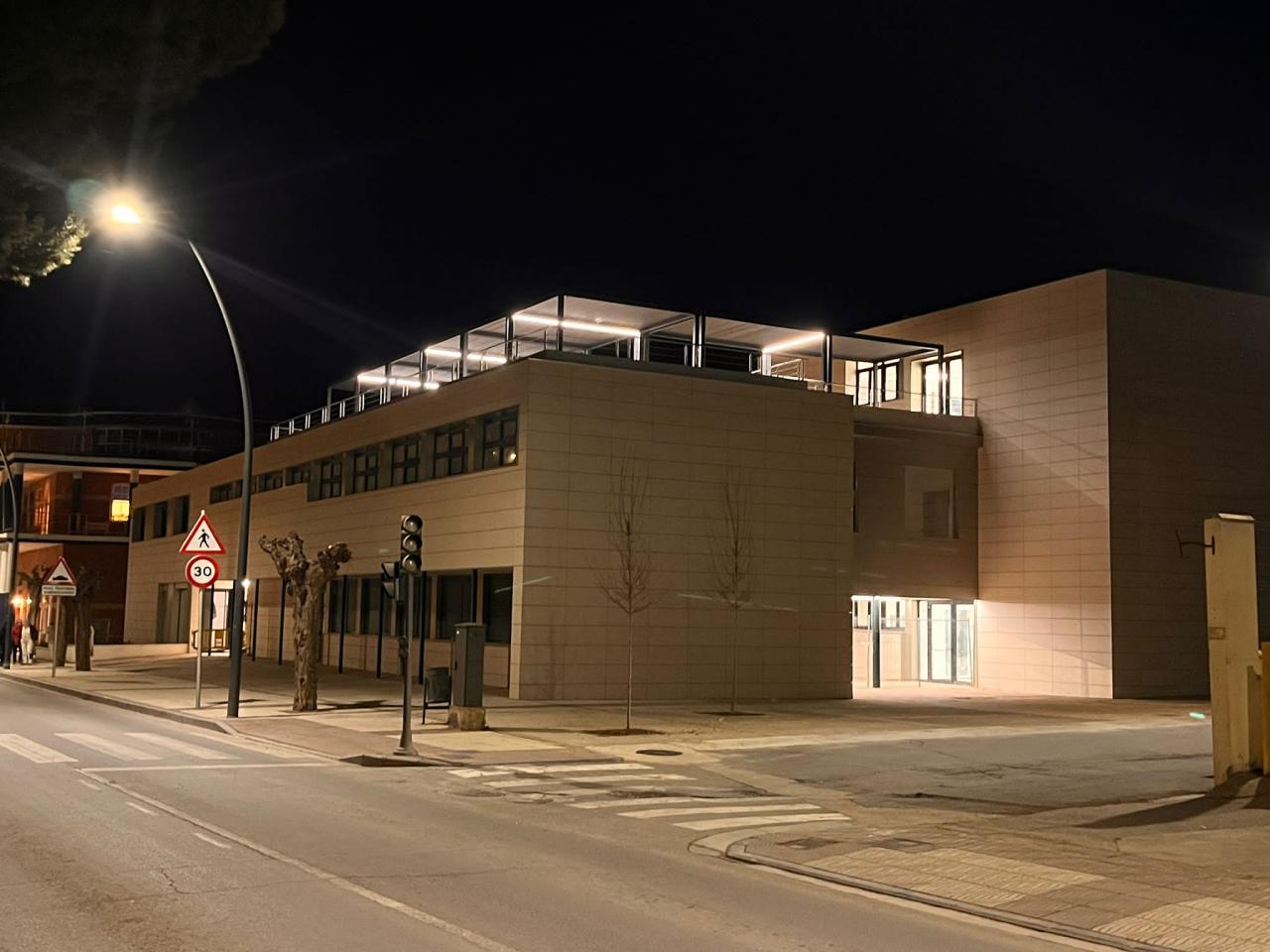
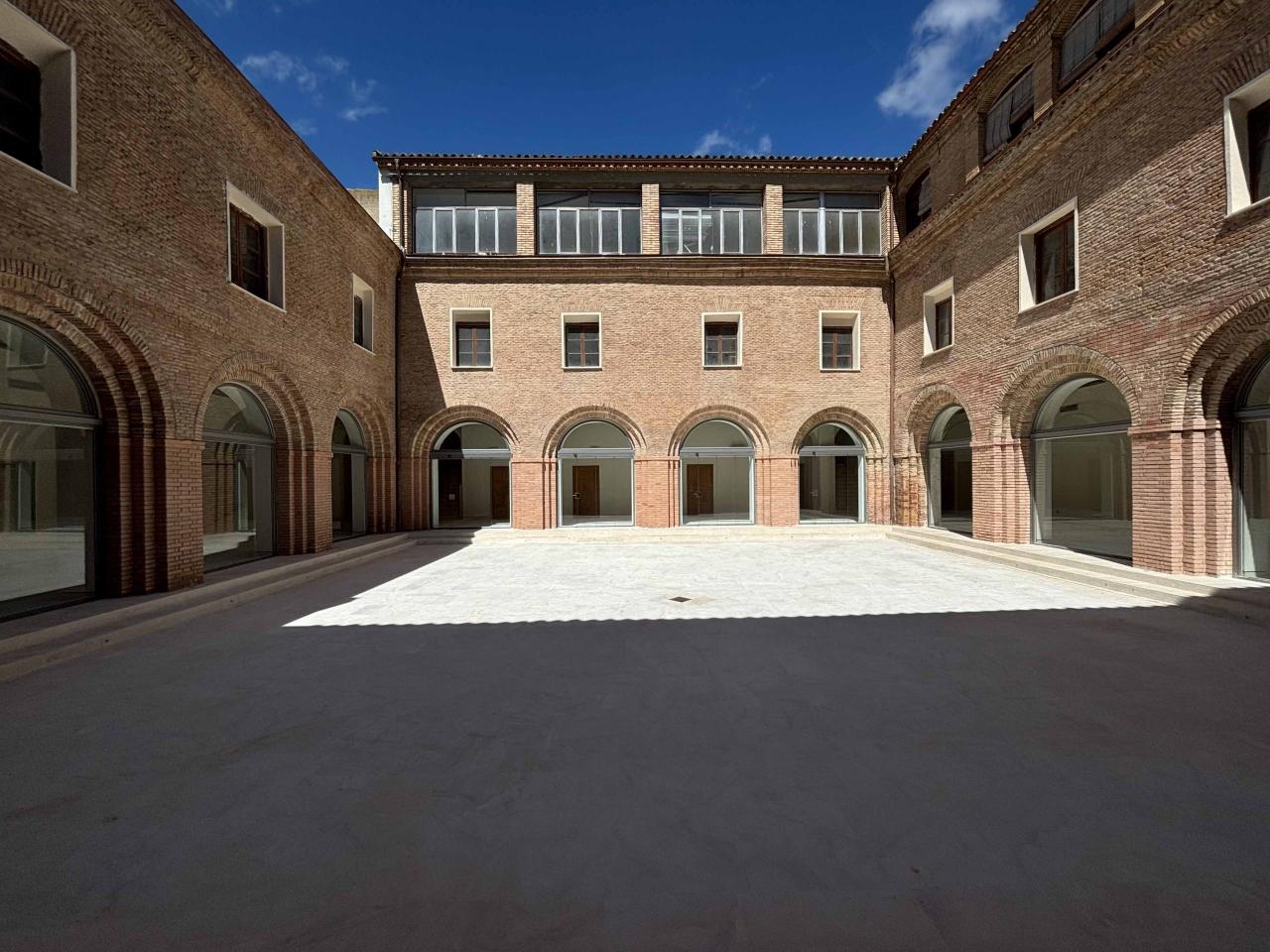
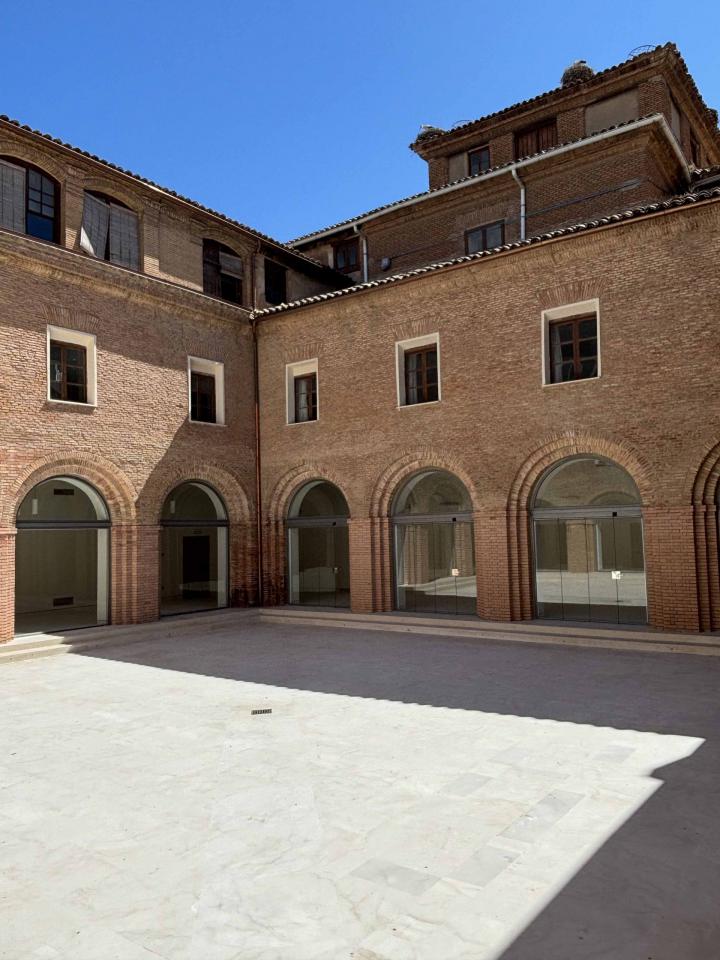
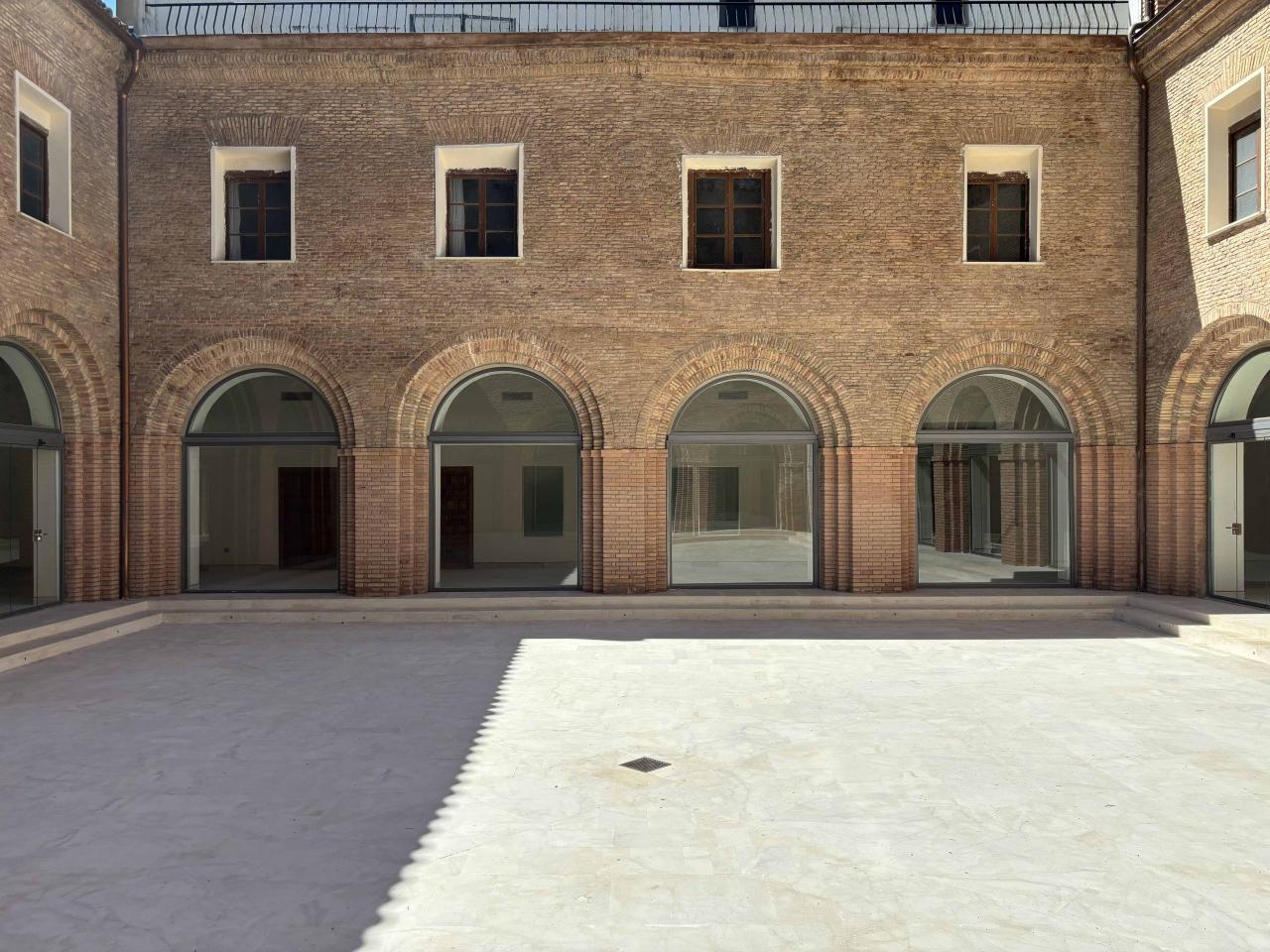
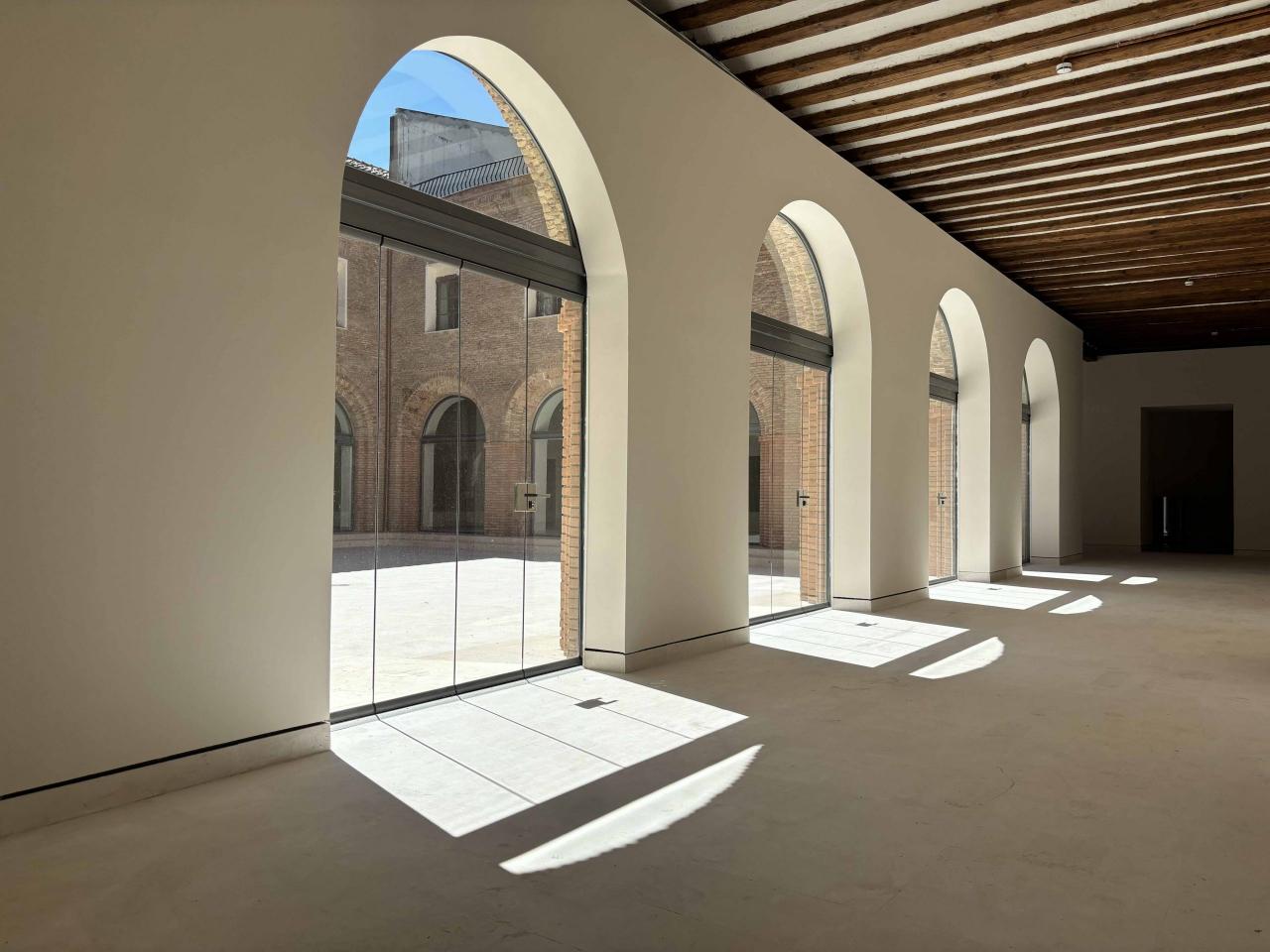
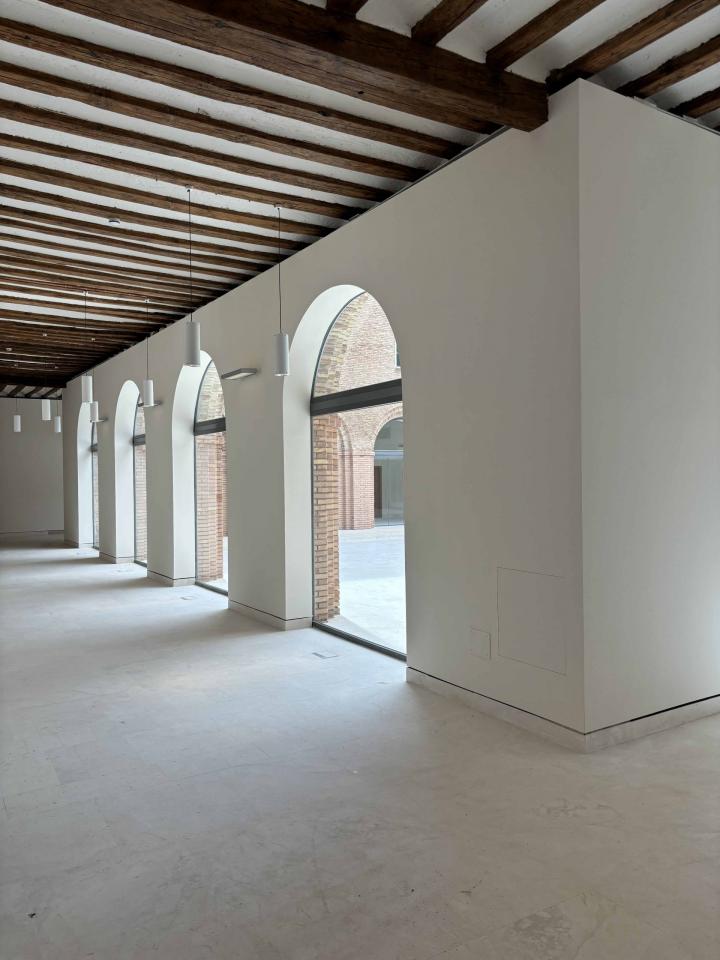
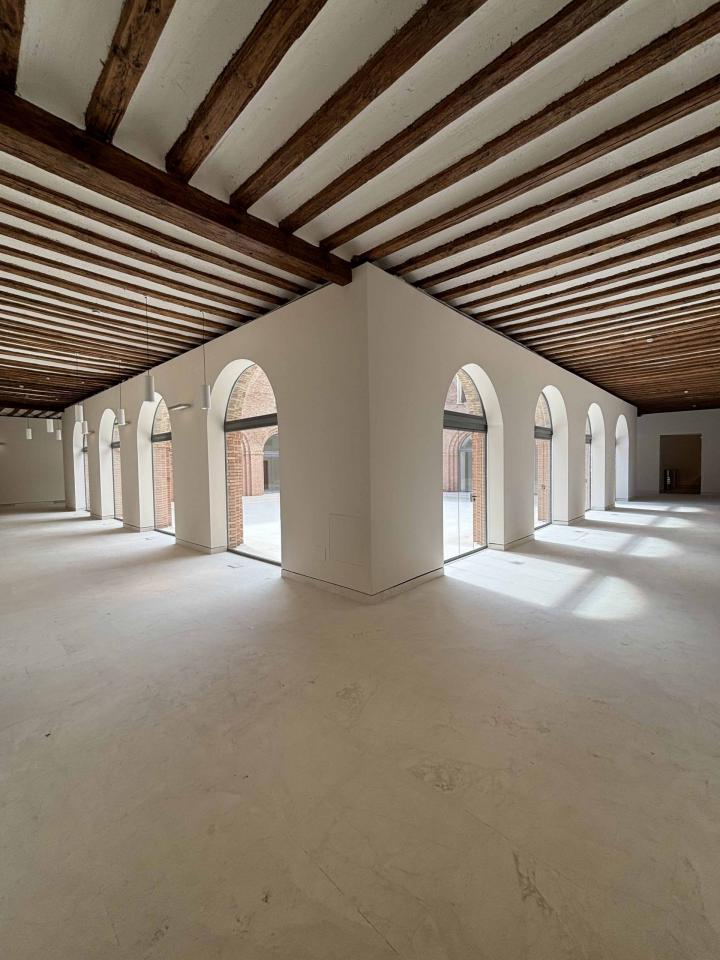
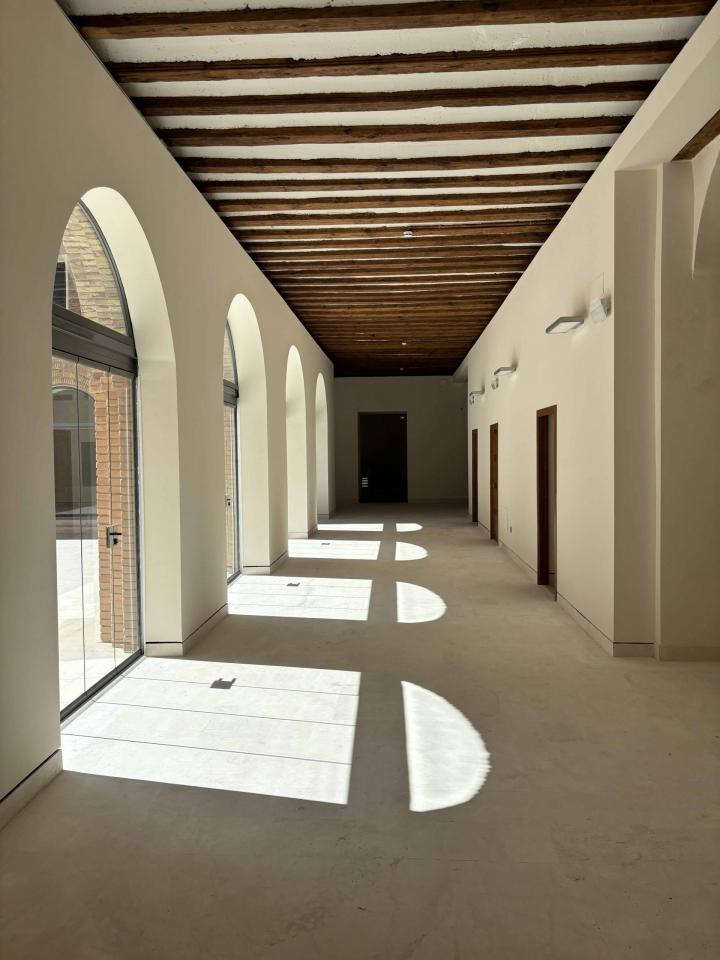
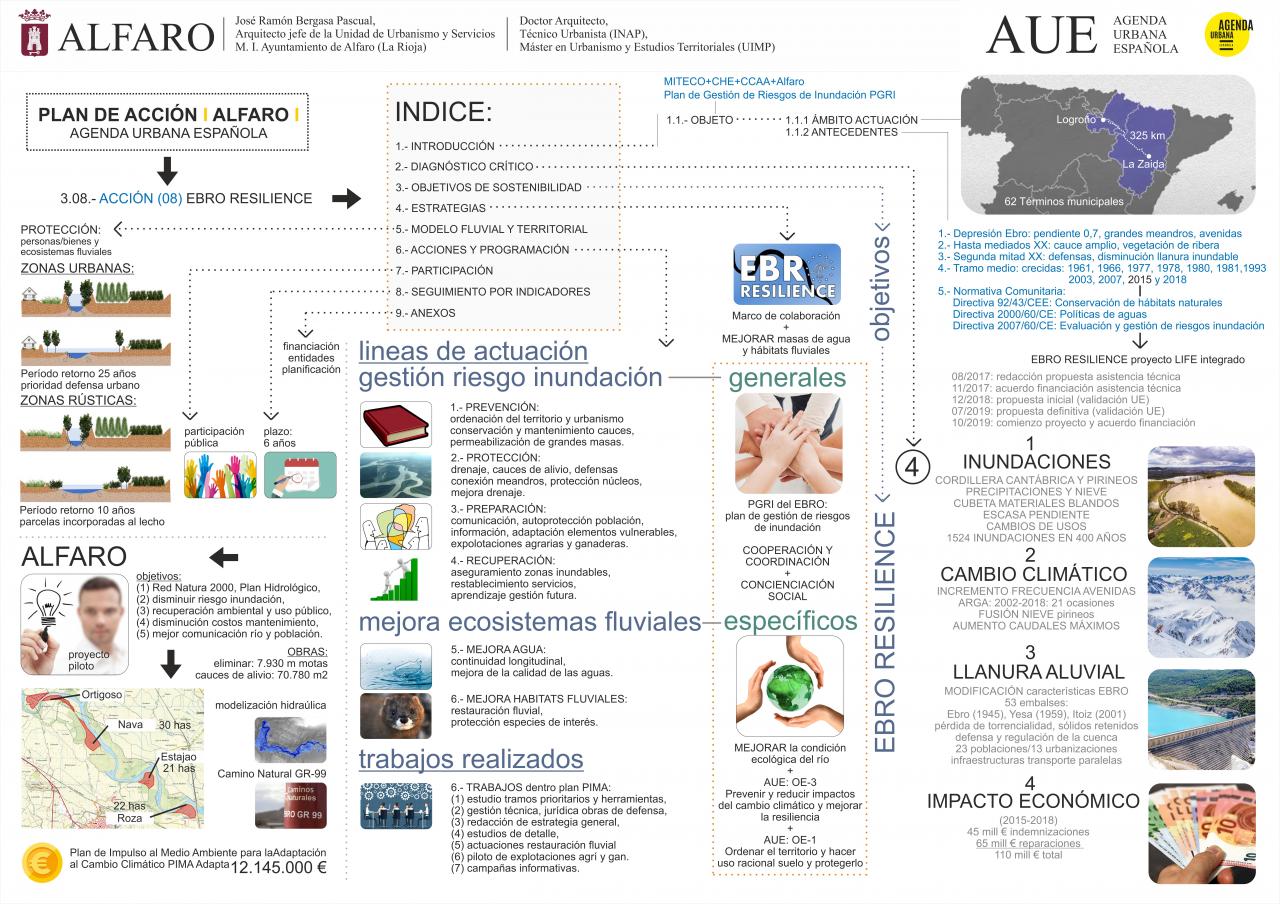
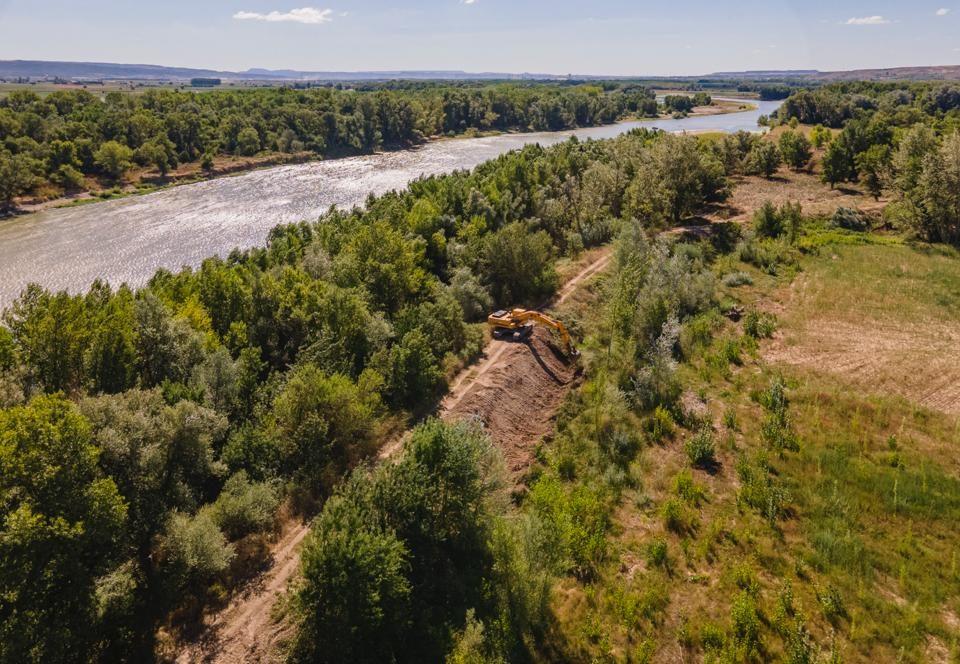
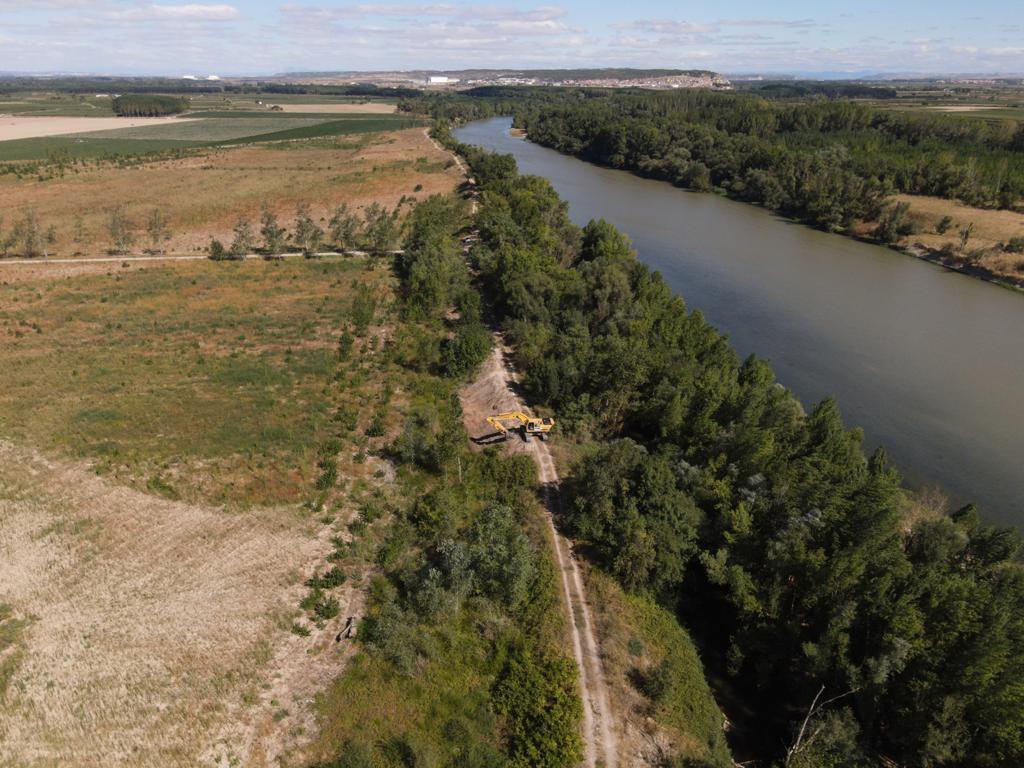
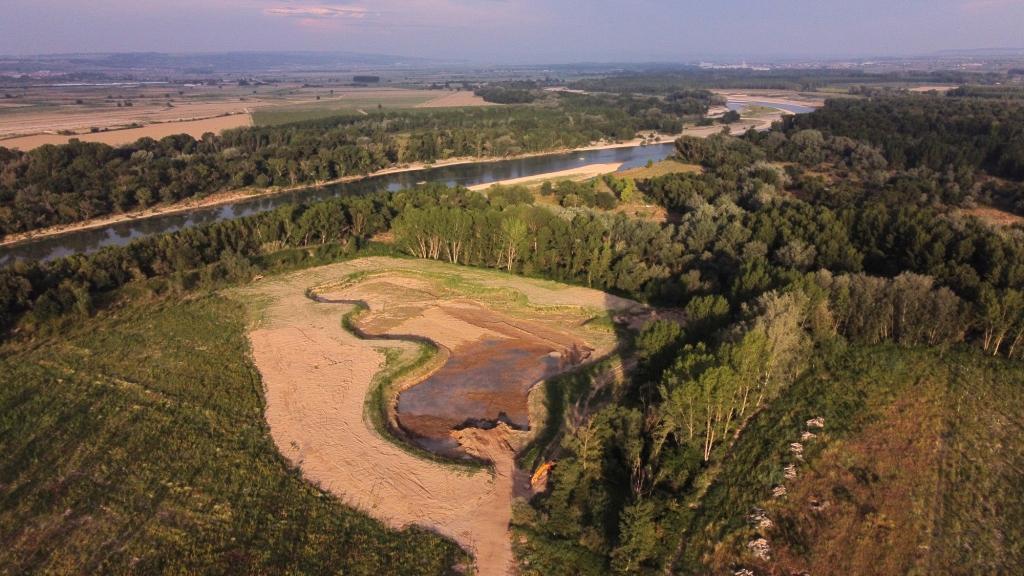
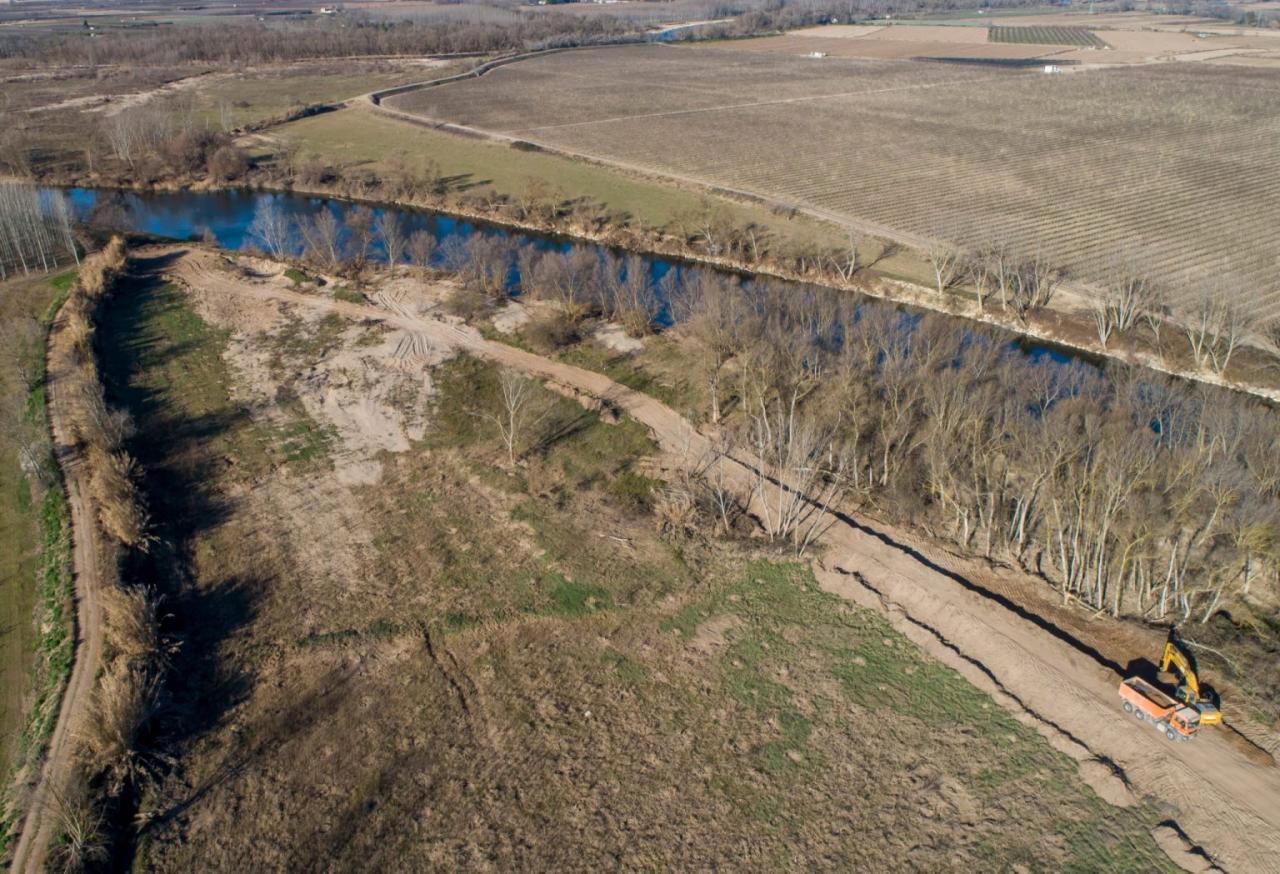
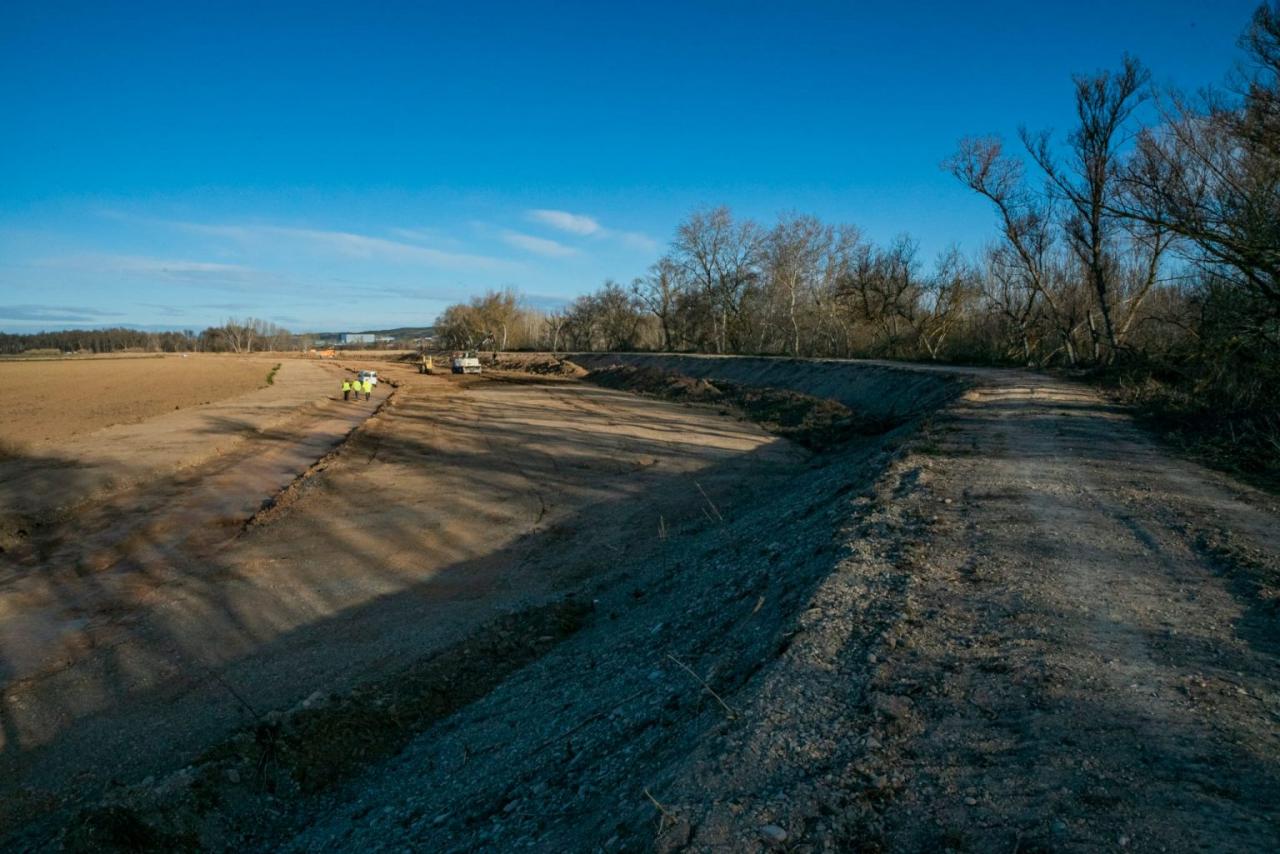
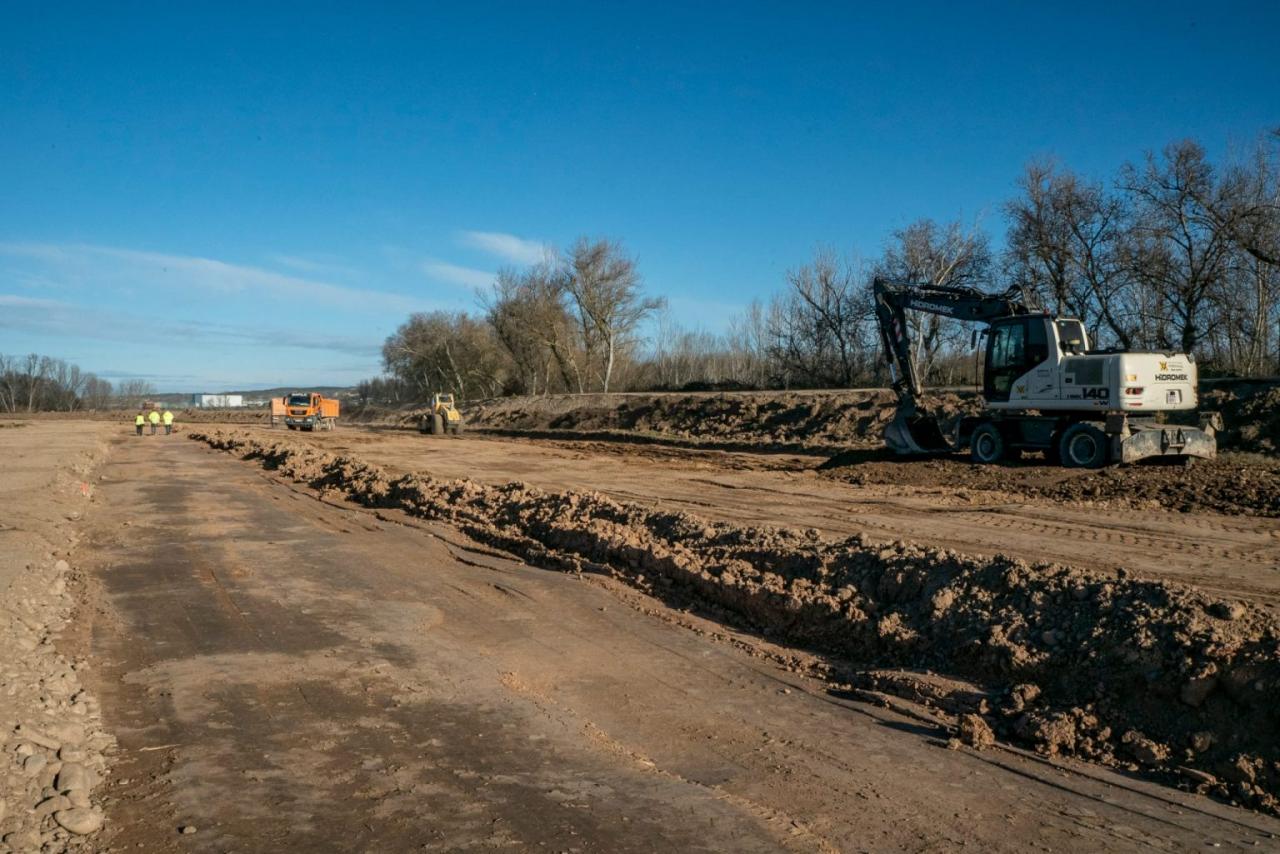
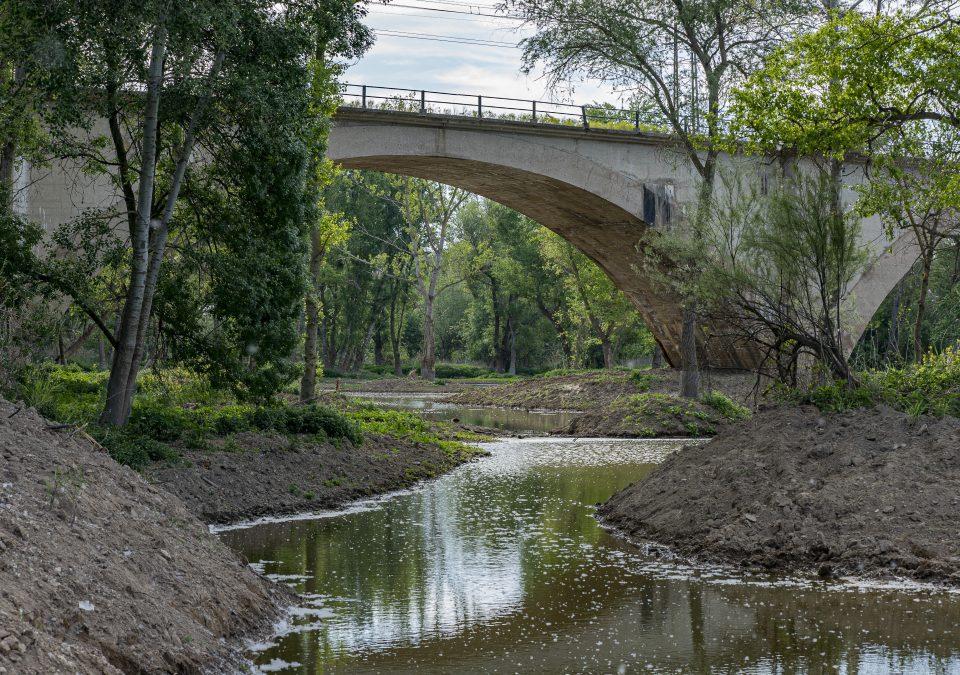
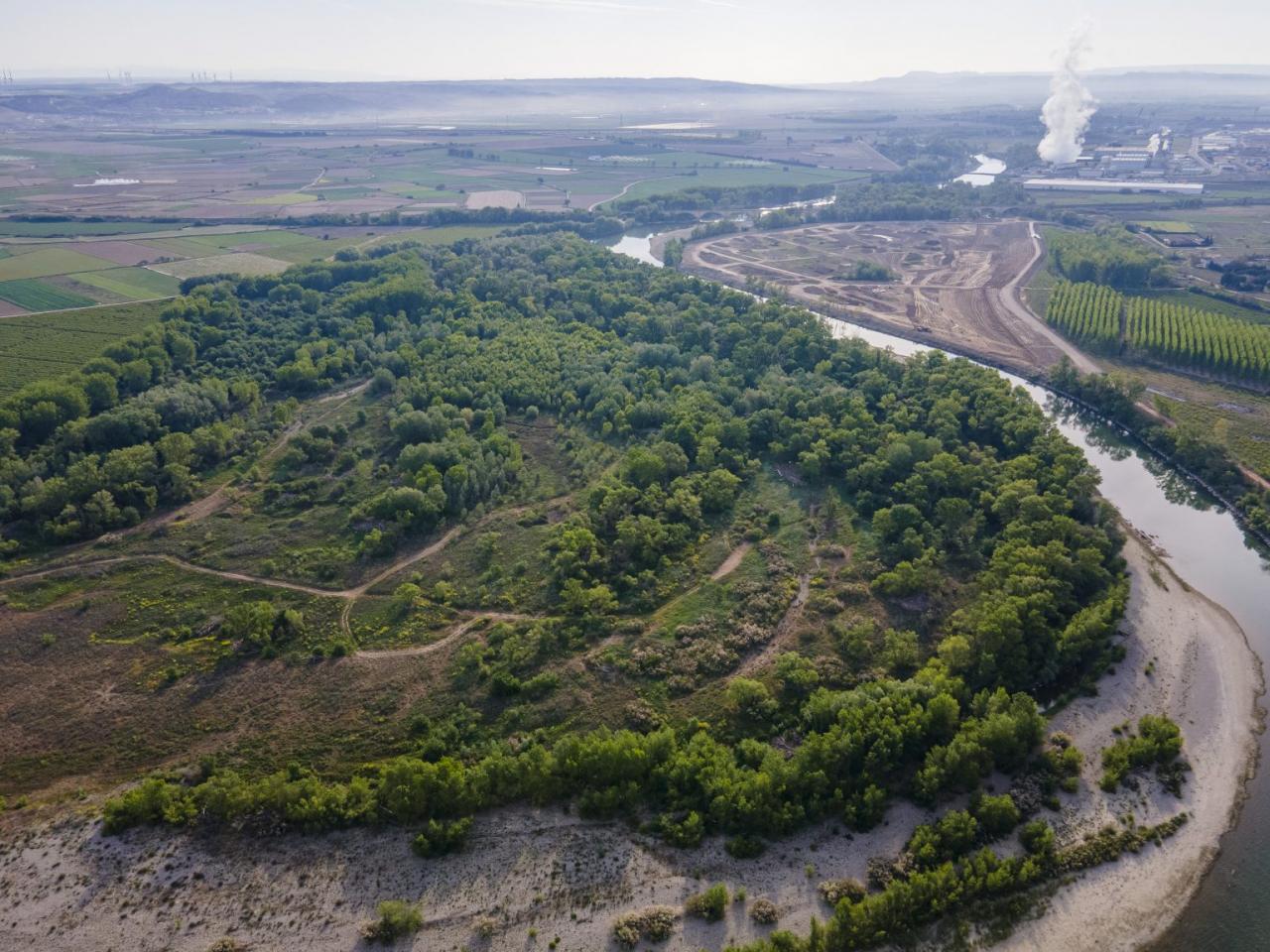
(1) The energy rehabilitation of the former José Elorza school corresponds to a project selected in a national call called PIREP (Impulso a la Rehabilitación de los Edificios Públicos) dependent on the Recovery, Transformation and Resilience Plan. (2) The rehabilitation of the former convent of the Concepción from a Ministry aid program aimed at the rehabilitation of Cultural heritage (1.5% Cultural). (3) The Sustainable Tourism Plan in Destinations entitled “the wine of always”, was selected in a call belonging to the Sustainable Tourism Strategy in Destinations of the Spanish Ministry of Industry, Commerce and Tourism. (4) The efficient rental social housing project is a residential project in collaboration with the regional government and the Ministry of Housing and Urban Agenda. (5) And finally, the Ebro Resilience project is an ambitious renaturalization project promoted by the Spanish Ministry of Ecological Transition in collaboration with several autonomous communities where the Alfaro City Council has been a key player.
Key objectives for inclusion
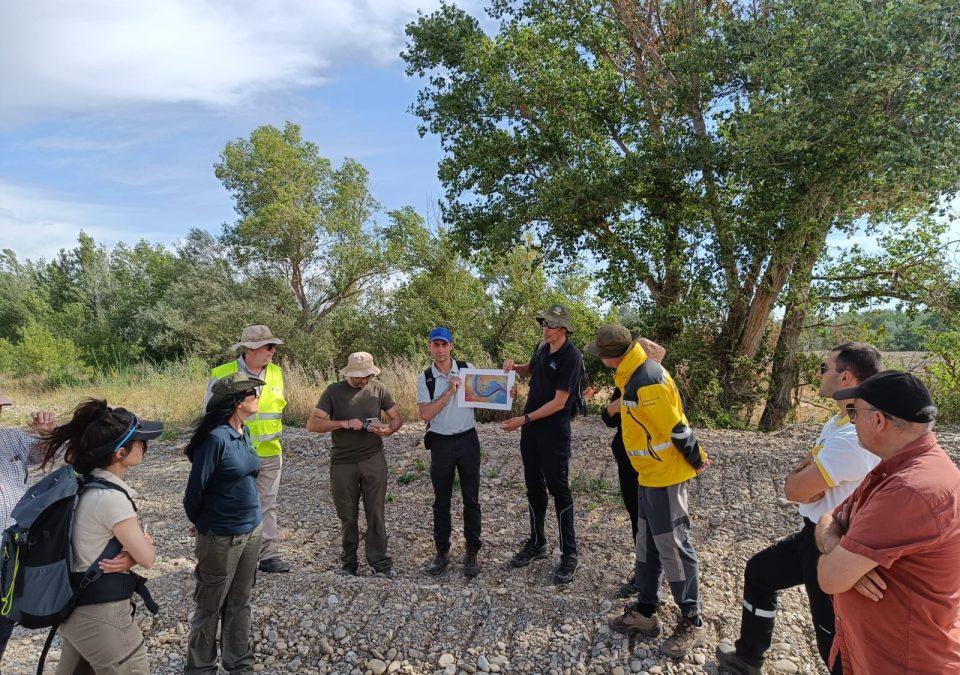
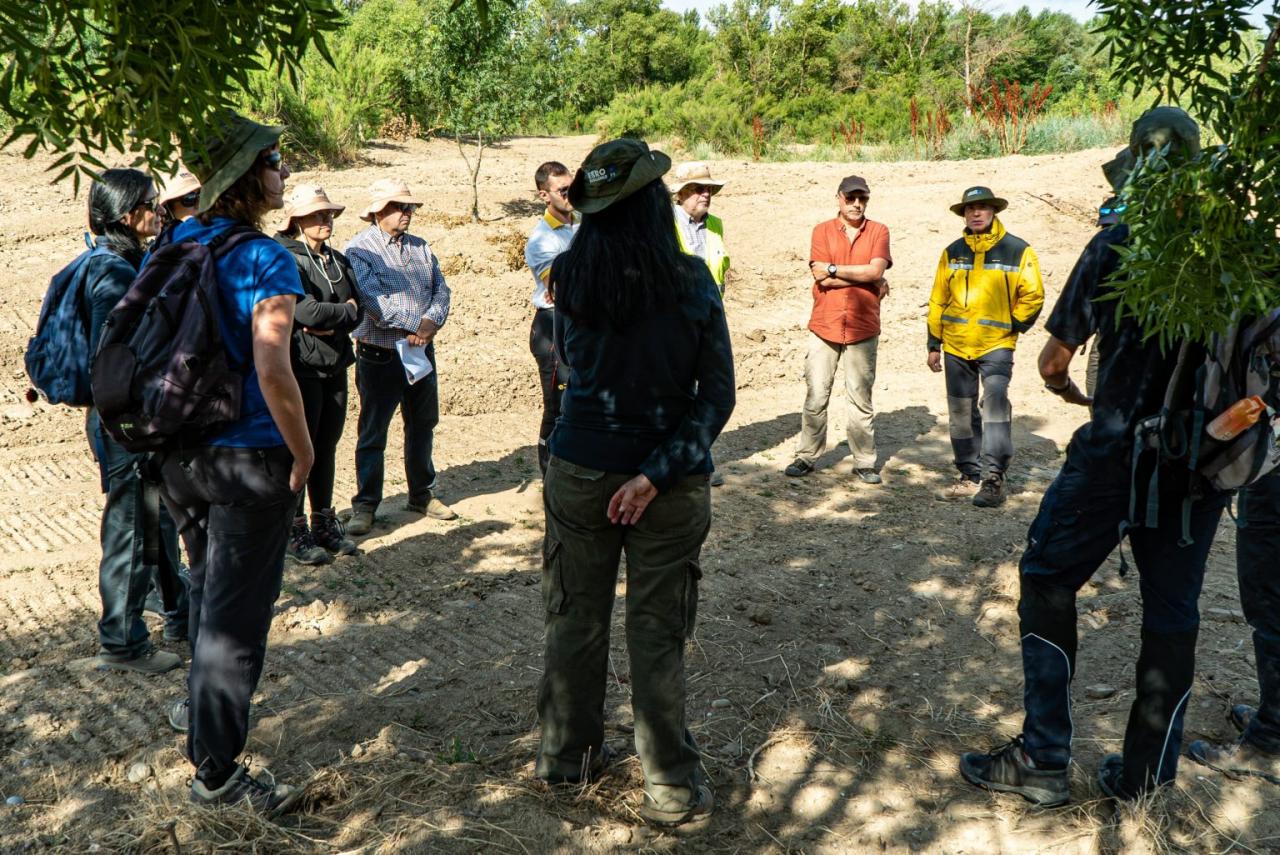
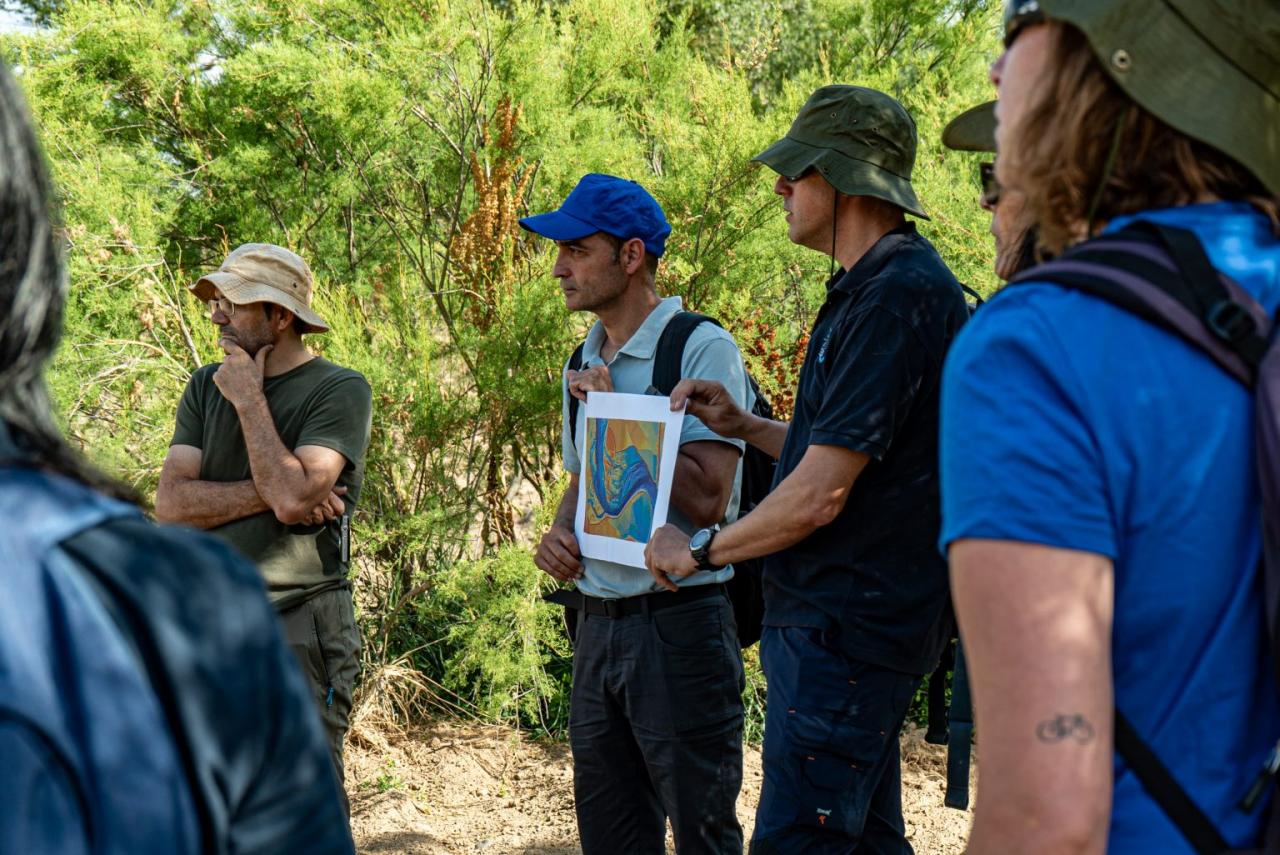
As can be seen in the participation section of the Alfaro Local Action Plan website (https://alfaro.es/agendaurbana/participa/), all the selected projects are the result of a complete participatory process developed according to different workshops and completed with surveys directed to the entire citizenry. The first workshop entitled “The city for all people”, was held on 6/7/2022 and included the rehabilitation project of the Convent of the Conception and the energy rehabilitation of the old José Elorza school and was aimed at all citizens regardless of their age or interests. The second workshop entitled “The renaturalized city”, was held on 6/18/2022, dealt with renaturalization projects in rivers where the Ebro Resilience project was discussed and was aimed at people interested in nature and included river reconnaissance tours. The third workshop, entitled “The city of childhood”, was held on 6/21/2022 aimed at children (students from Alfaro) with enjoyable and fluid dynamics where, among other things, the Tourist Destination Plan in Destinations was discussed. And finally, the workshop entitled “The accessible city”, held on 5/7/2022, was aimed at elderly and dependent people and covered topics such as Cohousing and support for dependents, which was very useful for our efficient rental social housing project (https://alfaro.es/agendaurbana/jornadas-de-participacion-sesion-de-devolucion/).
How Citizens benefit
The participation processes can be consulted on the Local Action Plan website (https://alfaro.es/agendaurbana/participa/), where the place and date of the event, participants and the projects worked on in each of the sessions are detailed. In addition, a report of each workshop with its results is included. These were the following: (1) “The city for all people” (https://alfaro.es/agendaurbana/taller-de-participacion-la-ciudad-para-todas-las-personas/); (2) “The renaturalized city” (https://alfaro.es/agendaurbana/taller-de-participacion-la-ciudad-renaturalizada/); “The city of childhood” (https://alfaro.es/agendaurbana/taller-de-participacion-la-ciudad-de-la-infancia/); (4) “The accessible city” (https://alfaro.es/agendaurbana/taller-de-participacion-la-ciudad-accesible/). There is also access to the participation surveys where the projects presented were discussed (https://alfaro.es/agendaurbana/jornadas-de-participacion-encuestas/) and a final participation day called “Feedback session” (https://alfaro.es/agendaurbana/jornadas-de-participacion-sesion-de-devolucion/). In addition, there are additional participation processes for the project of the “Energy rehabilitation of the former José Elorza school”, for the “Sustainable Tourism Destination Plan PSTD” and for the “Ebro Resilience” Project. All the documentation of these processes is available in the corresponding files.
Innovative character
This Action Plan is presented as an open and living process destined to be a roadmap that not only identifies the values of a new way of working in which citizen participation and administrative collaboration become the achievement of general interests, but is also a true path to follow for future generations. Today's Alfaro is the result of the people who have lived there over time. What we propose is a path to the future based on the challenges of the 21st century and oriented towards the sustainable, competitive and cohesive development advocated by the Urban Agenda. It is up to us and our work to ensure that this tool meets its objectives and contributes to improving Alfaro and the lives of the people of Alfaro.
Disciplines/knowledge reflected
Methodology used
Firstly, a rigorous diagnosis and strategic framework were drawn up, with the precise assessment of Alfaro's descriptive data. Then a "SWOT" analysis was carried out for each of the thematic axes proposed by the AUE, in which the list of actions that will constitute our Local Action Plan is deduced in an orderly manner. These actions are specified and corrected with the contributions of the participatory process. Then each of the proposed actions was described, identifying for each of them the object, scope of action, objectives, strategies and deadlines and also pointing out possible financing methods. In addition to all this, there was a complete communication (https://alfaro.es/agendaurbana/novedades/) and citizen participation, through the website. Participation has been very complete and dynamic, with the call for dynamic workshops aimed at all groups in the city and generating a lot of interest because they are novel governance formulas for the town. Finally, the Alfaro Action Plan includes an observatory of evaluation and monitoring indicators that allows checking the degree of compliance with the objectives pursued (http://82.223.81.68/dashboard/60b06a20-9c7e-11ed-891a-594ecd1ba172?publicId=a490e0c0-0da0-11ed-b4a7-c108224ba12a). It is very important to highlight that the Local Action Plan has been led by the different mayors of different political groups and was approved unanimously. Furthermore, the five projects submitted to this call correspond to some of the actions included in our Action Plan.
How stakeholders are engaged
In all the projects, the agents involved have participated both in the financing, as well as in the design and implementation of the initiative. In short, these projects are the result of the commitment made between different administrations and different agents.
Global challenges
These local solutions also respond to global challenges such as sustainability, social inclusion, rehabilitation and improvement of urban quality or the resilience of natural spaces. Our projects presented have been previously selected by calls for aid intended to address, precisely, these challenges.
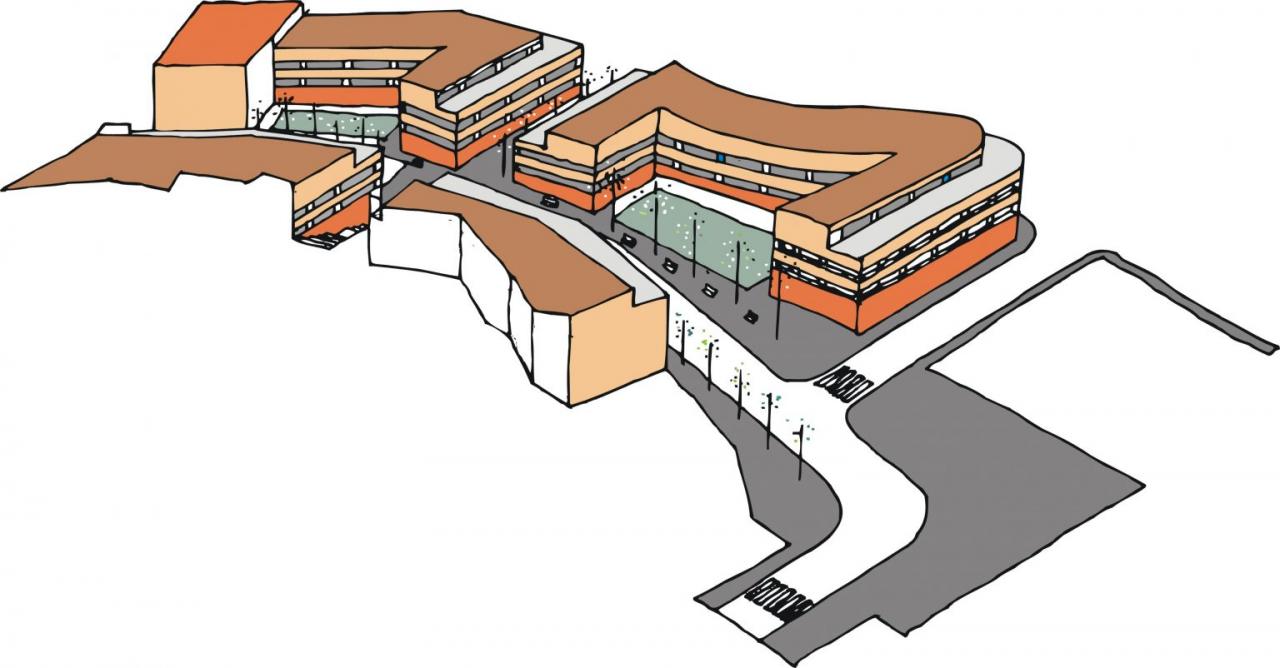
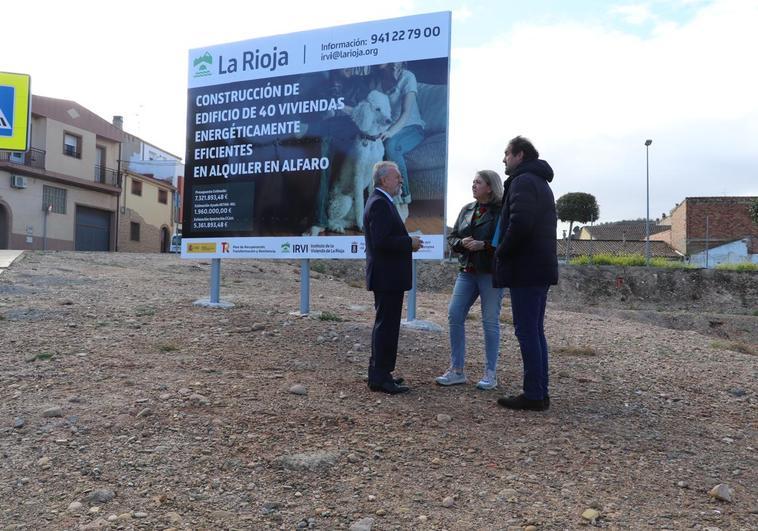
Thus, the “Energy rehabilitation of the former José Elorza school” addresses the challenge of energy saving and rehabilitation of unused public buildings. The “Rehabilitation of the old convent of the Concepción”, the rehabilitation of heritage and economic activity. The “Tourist Destination Plan in Destinations”, raising awareness among the population about cultural and natural resources through tourism. The new 40 homes of the “efficient social rental housing” project, social inclusion. And the “Ebro Resilience” project, resilience against the consequences of climate change and the conservation of natural spaces.
In short, we consider that our projects are part of the first results of many others that are yet to come and which are reported to the public through the news section of the Local Action Plan website: (https://alfaro.es/agendaurbana/novedades/).
Learning transferred to other parties
Next steps
In our case, it is not a single project, but five projects selected from the Alfaro Local Action Plan of the Spanish Urban Agenda and all the projects are completed or in the process of being executed. In addition, they are all projects of the Alfaro Local Action Plan, which was approved UNANIMALLY by all political groups in 2022 (https://alfaro.es/agendaurbana/alfaro-respalda-por-unanimidad/).<br />
From the beginning in 2018 and during the last three legislative periods, the different mayors of different political parties have supported all these initiatives, taking the lead from the mayor's office and promoting the projects. A lot of technical and economic effort has been necessary with the involvement of all municipal areas. They are completed projects, in execution or in tender, so the implementation activities consist of disseminating the results through COMMUNICATION highlighting the values of sustainability, inclusion and aesthetics and quality of the NEW EUROPEAN BAUHAUS experience. Furthermore, the principles of the NEW EUROPEAN BAUHAUS have been fundamental for the design of these projects from the beginning, because they are required by the methodology of the Spanish Urban Agenda, where it is an essential requirement that the projects have been the result of participatory processes, that they are integrated with multi-level interaction between the participating agents and that they have a transdisciplinary approach.<br />
In our case, if we manage to be one of the 20 selected projects, we will use the COMMUNICATION PACKAGE to implement the communication of the values and principles of the New European Bauhaus. We believe that Alfaro and its projects can be a good platform for the dissemination of the New European Bauhaus