Revitalizing Spercheiada
Basic information
Project Title
Full project title
Project Description
Current stage development
Project Region
Municipality
EU Programme or fund
Which funds
Other Funds
Inclusion of the project 'Revitalization of the Historic Center of Spercheiada' in the Regional Program of Central Greece 2021-2025. The project is funded by the National Development Program.The inclusion decision was communicated to the Municipality of Makrakomi on 10.09.2024
Description of the project
Summary
Cultural Heritage Preservation: Highlight local history and culture through the restoration and integration of cultural elements.
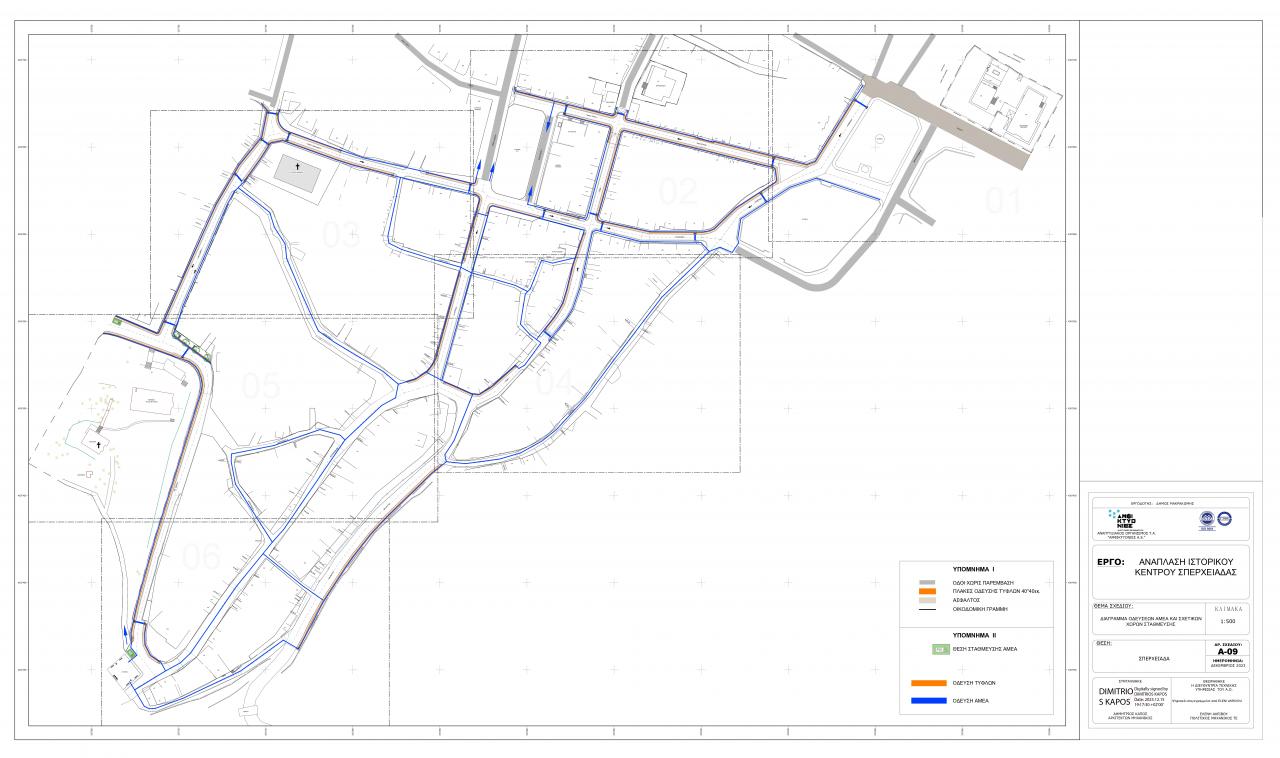
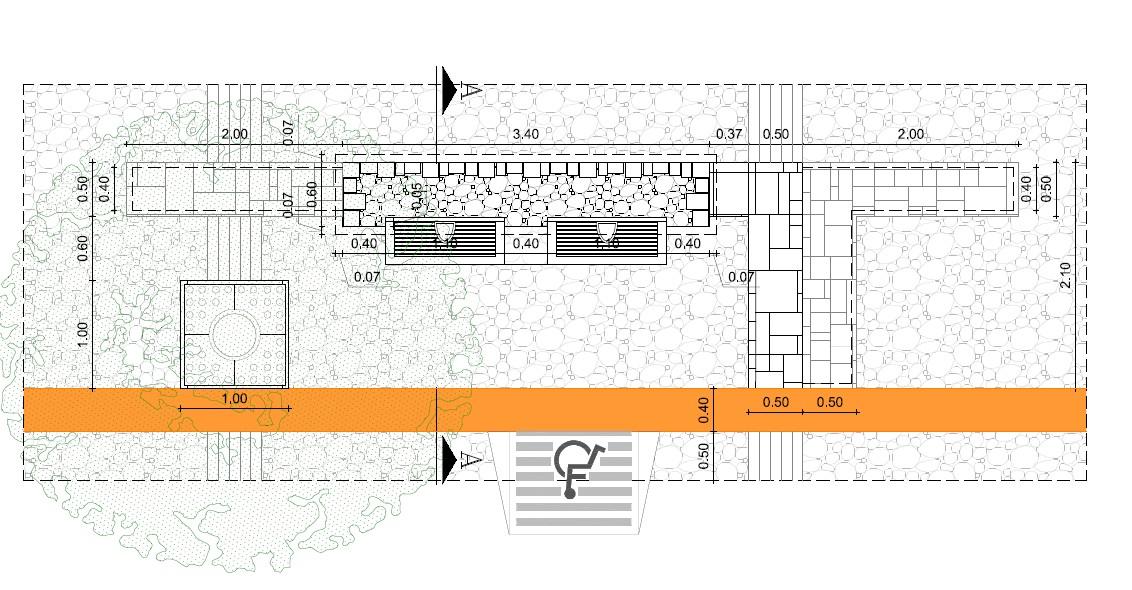
Social Inclusion: Create accessible and inclusive spaces for all, including people with disabilities and the elderly.
Economic Development: Boost tourism and local businesses through the enhancement of public spaces.
Community Engagement: Actively involve residents in the project’s implementation.
Expected Outcomes:
Revitalized public spaces that improve aesthetics and functionality.
Reduced environmental footprint through sustainable design solutions.
Strengthened cultural identity and social cohesion.
Growth in tourism and local economic development.
Key objectives for sustainability
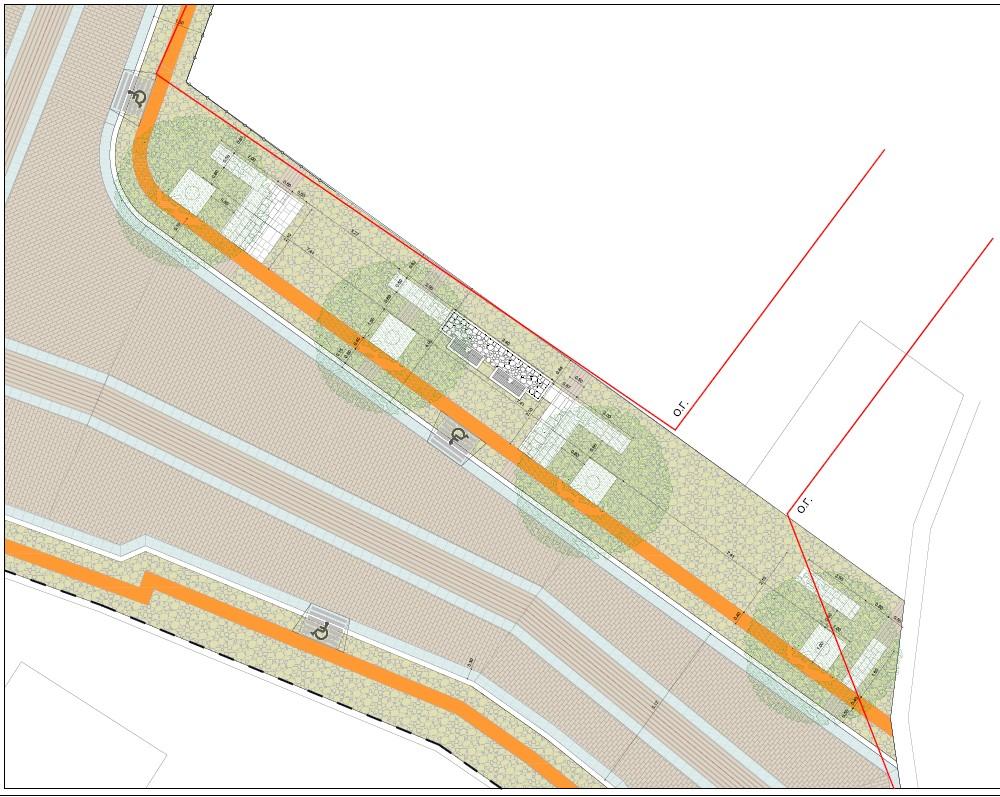
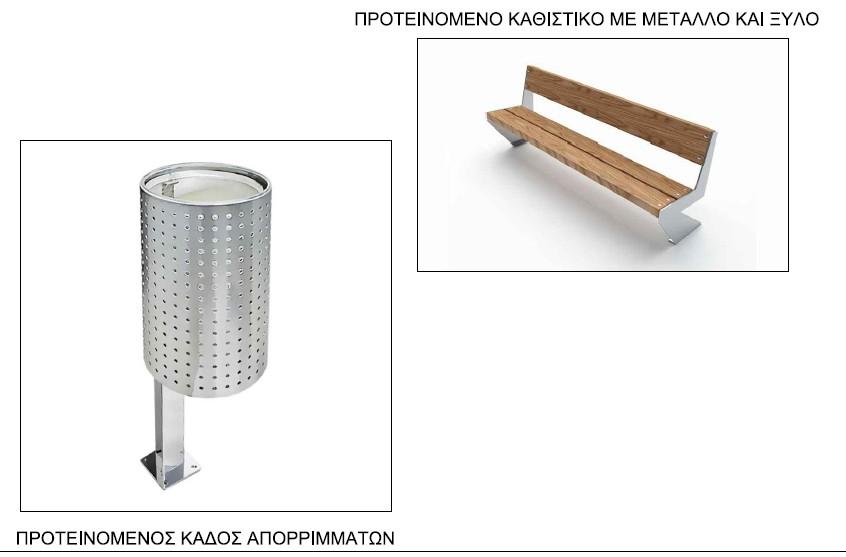
Social Sustainability: Creation of accessible and functional spaces for everyone, with the installation of seating, lighting, and signage, enhancing the quality of life for residents and visitors.
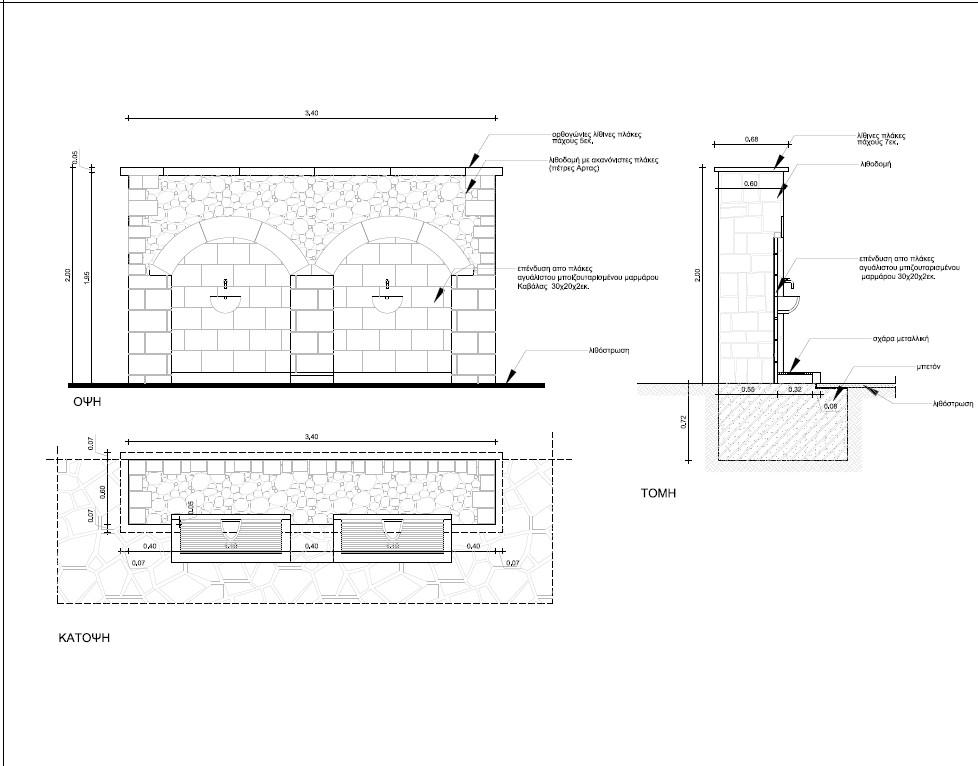
Aesthetic Sustainability: Preservation of cultural heritage and upgrading of public spaces, respecting local traditions and the natural environment.
This initiative integrates modern elements with traditional preservation, serving as an example of sustainable urban development.
Key objectives for aesthetics and quality
Aesthetic Appeal: It preserves the village’s heritage while integrating modern, sustainable elements that harmonize with nature, creating visually pleasing spaces.
Design and Functionality: Well-designed pathways and public spaces improve accessibility and flow, with seating, lighting, and signage that encourage social interaction and cultural engagement.
Positive Emotional Impact: The inclusion of greenery and open spaces fosters relaxation, well-being, and a welcoming atmosphere for both locals and visitors.
Cultural Benefits: The project promotes local identity and offers spaces for cultural events, deepening the connection to the community’s heritage.
Overall, the regeneration of Sperchiada offers a harmonious blend of aesthetics, design, and cultural enrichment, creating a space that encourages positive emotions, community interaction, and an enhanced connection to the region's heritage..
Key objectives for inclusion
Accessibility: The design follows universal principles to ensure easy access for people of all abilities, with smooth pathways, ramps, and clear signage.
Affordability and Equity: Public spaces are free and open to everyone, with amenities accessible to all, regardless of socioeconomic status.
Inclusive Governance: The project involves local communities in decision-making through consultations and workshops, ensuring their needs and voices are heard.
Design for All: The spaces cater to diverse social and cultural groups, promoting social cohesion and shared identity. Overall, the project is an exemplary model of how urban regeneration can be inclusive, accessible, and socially equitable, offering a space where all individuals, regardless of background or ability, can engage, interact, and thrive.
How Citizens benefit
Community Engagement: Public consultations, surveys, and workshops allow residents to share ideas and feedback, ensuring the project reflects their needs.
Local Empowerment: Citizens are encouraged to actively participate in shaping the spaces, fostering a sense of ownership and responsibility.
Impact: Their involvement leads to better, more relevant designs, stronger community ties, and long-term sustainability, as locals take pride in maintaining the spaces.
Civil Society Collaboration: Local organizations contribute to the project, enhancing its cultural and social relevance.he involvement of citizens and civil society in the regeneration of Sperchias ensures that the project is deeply connected to the needs, values, and aspirations of the local population. This collaborative process not only leads to better outcomes in terms of design and functionality but also contributes to social cohesion, a sense of ownership, and the long-term sustainability of the project. By fostering a participatory approach, the initiative can serve as a model for inclusive urban regeneration
Innovative character
Cultural Heritage with Modern Design: It preserves the village’s historical identity while incorporating modern elements, blending tradition with innovation.
Deep Sustainability: The project integrates eco-friendly materials, green spaces, and energy-efficient solutions, making sustainability central to both development and heritage preservation.
Community-Centered Approach: Active citizen engagement ensures that the design reflects local needs and fosters a sense of ownership, unlike many projects that impose top-down solutions.
Smart Infrastructure: It introduces smart technologies like digital signage and efficient waste management, enhancing both functionality and the user experience.
Interdisciplinary Collaboration: The project combines urban planning, architecture, environmental science, and sociology to create a holistic, well-rounded design. The innovative character of Sperchiada's regeneration initiative lies in its comprehensive approach, where cultural heritage, sustainability, community involvement, and modern technology intersect. By integrating these aspects, it aims to set a new standard in urban regeneration projects, making it a model for future initiatives that prioritize not only development but also cultural respect, environmental responsibility, and social inclusion.
Disciplines/knowledge reflected
Architecture and Heritage Preservation: Architects will preserve historical elements while incorporating modern features, working with urban planners to ensure cultural integrity.
Environmental Design: Environmental specialists will focus on sustainability, collaborating with designers to integrate eco-friendly materials and green spaces.
Civil Engineering: Engineers will ensure the technical aspects (infrastructure, drainage, accessibility), working with urban planners to ensure functionality and safety.
Community Engagement: Sociologists will involve local residents, ensuring the design reflects their needs and fosters community cohesion, working with urban planners and architects.
Economics and Tourism: Economists will assess the economic and tourism impact, collaborating with designers to create spaces that attract visitors and stimulate the local economy.
Cultural Studies: Experts will ensure cultural identity is preserved, collaborating with architects and urban planners to highlight key heritage elements in the design.
This multidisciplinary approach ensures a balanced design, blending cultural preservation with modern needs, sustainability, and community involvement, creating a project that benefits both residents and visitors in the long term.
Methodology used
Community Engagement: Involving local residents and stakeholders through consultations to ensure the design meets their needs and fosters a sense of ownership.
Interdisciplinary Collaboration: Experts from urban planning, architecture, heritage conservation, environmental design, and engineering work together to create a holistic and integrated approach.
Cultural and Environmental Integration: Preserving the village's cultural identity while incorporating sustainable, eco-friendly materials, green spaces, and modern infrastructure.
Data-Driven Planning: Using data analysis to guide decisions and implement smart technologies like digital signage and waste management to enhance functionality and sustainability.
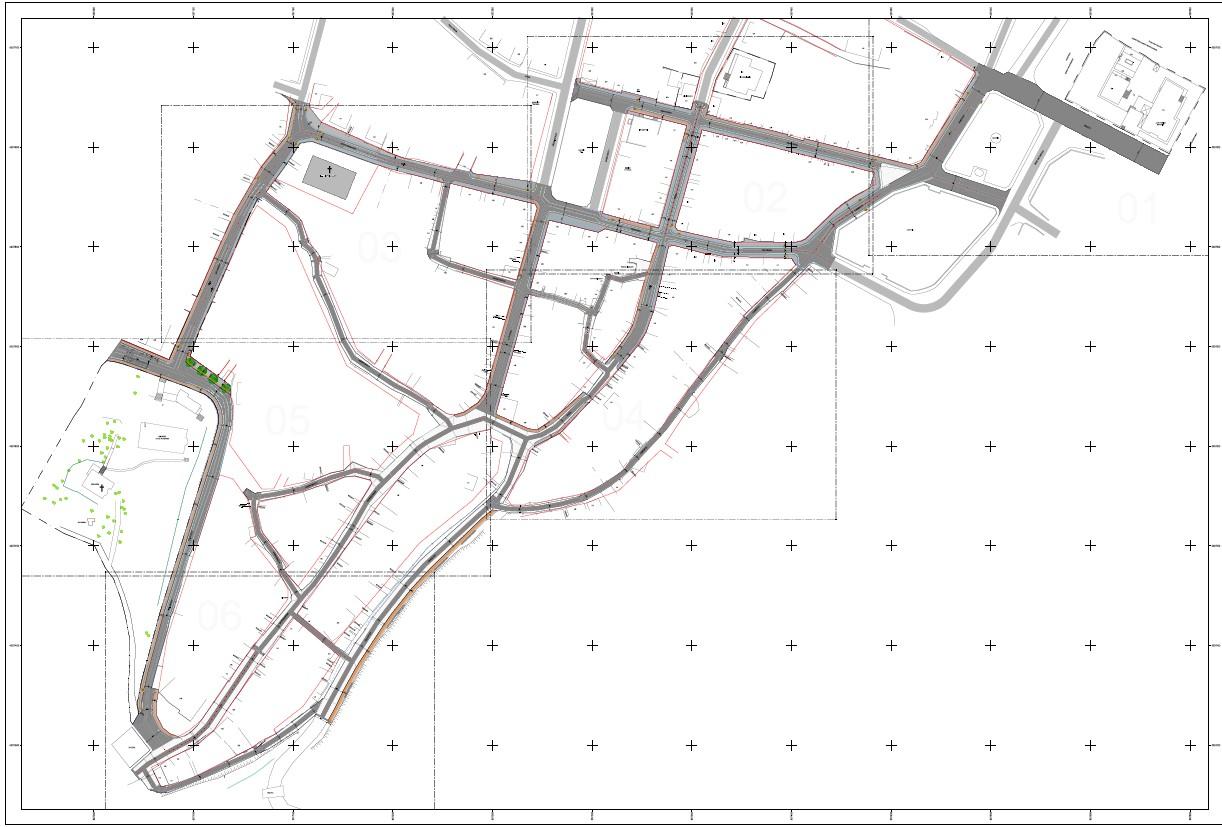
Phased Implementation: The project will be carried out in stages, with ongoing feedback to adjust and refine the design as needed.
Monitoring and Evaluation: Continuous monitoring and post-implementation assessment to evaluate the social, environmental, and economic impact, ensuring long-term success. This methodology ensures that the project is rooted in community involvement, sustainability, and cultural preservation, using a data-driven, phased approach with continuous feedback. The integration of multiple disciplines and smart technologies positions it as a model for future urban regeneration projects.
How stakeholders are engaged
Regional Level: Regional authorities can support the project by providing funding, technical guidance, and aligning it with regional development plans and policies on sustainable development and cultural heritage preservation.
National Level: Involvement of the national government and relevant ministries is crucial to secure necessary resources, ensure legal compliance, and oversee proper implementation, ensuring the project aligns with national strategies on sustainability and cultural protection.
European Level: If the project qualifies for EU funding, cooperation with European authorities can be enhanced by seeking financial support from EU programs focused on cultural heritage, sustainable development, and revitalizing historic areas. Implementing EU policies and strategies will help ensure the project aligns with broader European objectives.
This coordinated approach will ensure the project's success, with involvement from all levels and the exchange of knowledge and resources.
Global challenges
Sustainable Urban Development: The use of eco-friendly materials and integration of green spaces supports sustainable urban growth.
Climate Change: Sustainable design and green spaces help mitigate environmental impact and support climate action.
Cultural Heritage Preservation: The project preserves the historical identity of Sperchias while modernizing its infrastructure.
Social Inclusion: Accessible public spaces ensure equal opportunities for all citizens and visitors.
Economic Growth: By enhancing public spaces, the project promotes sustainable tourism and benefits the local economy.
Urban Resilience: The project strengthens infrastructure to withstand environmental challenges, improving the town's resilience.
The project provides solutions to urban sustainability, climate change, heritage preservation, inclusion, and economic growth.
Learning transferred to other parties
Community Engagement: Involving local residents in the design process ensures the project meets their needs and fosters ownership, applicable to other urban regeneration projects.
Interdisciplinary Collaboration: Bringing together experts from various fields (urban planning, architecture, engineering, etc.) ensures a holistic approach, transferable to other development projects.
Cultural and Environmental Integration: Blending heritage preservation with sustainable design can be applied in other historic towns aiming for modernization while respecting cultural values.
Data-Driven Planning & Smart Technologies: Using data and integrating smart technologies (e.g., digital signage, energy-efficient systems) can enhance functionality in other urban areas.
Phased Implementation with Feedback: A flexible, phased approach with ongoing feedback ensures adaptability, suitable for large-scale or long-term projects.
Monitoring and Evaluation: Continuous monitoring and assessment of impact ensure long-term success, applicable to other initiatives with social, environmental, or economic goals.
Next steps
The further development and implementation of the project follows the values and principles of the New European Bauhaus (NEB)—sustainability, inclusivity, and aesthetics—through the following activities:<br />
Planned Activities:<br />
Completion of Infrastructure & Public Space Enhancements<br />
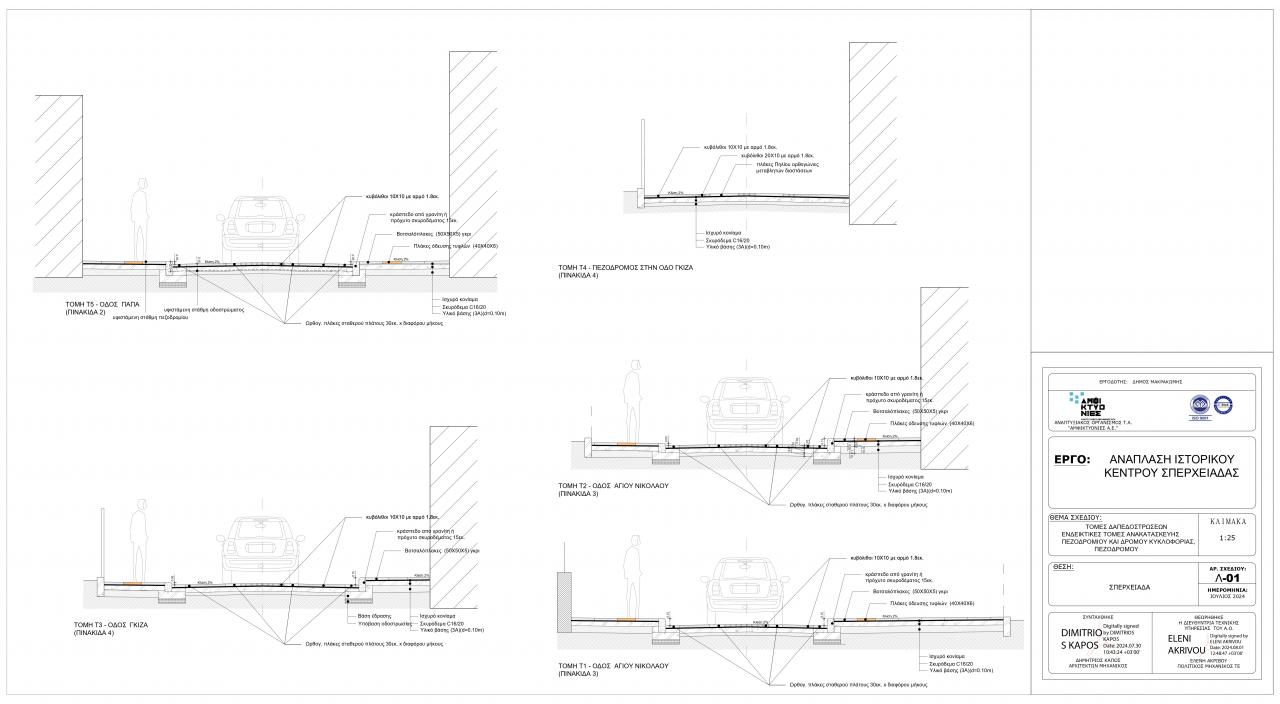
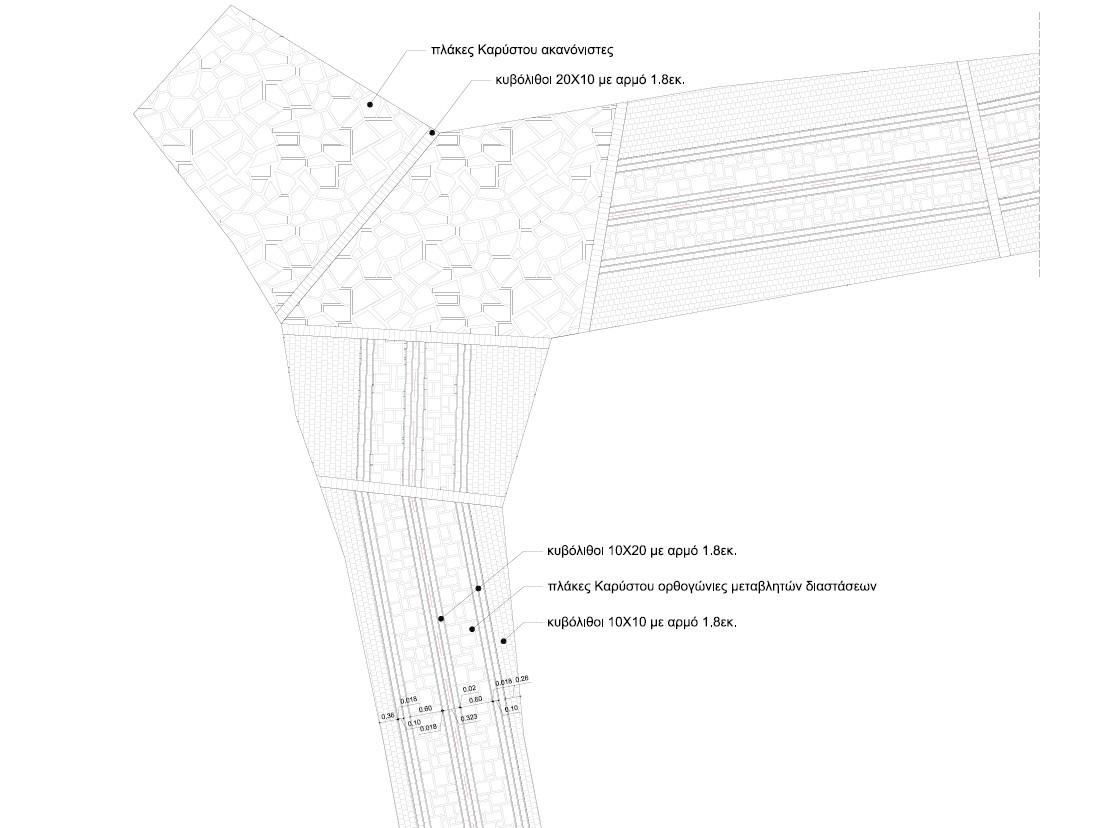
Sustainable paving and eco-friendly materials in streets and squares.<br />
Installation of energy-efficient lighting and smart urban furniture.<br />
Green Integration & Environmental Sustainability<br />
Expansion of green spaces and preservation of natural elements.<br />
Erosion control and landscape stabilization to enhance resilience.<br />
Cultural & Social Activation<br />
Development of pedestrian-friendly routes highlighting cultural landmarks.<br />
Information panels and wayfinding systems to enrich visitor experience.<br />
Community Engagement & Accessibility<br />
Involvement of residents and local stakeholders in decision-making.<br />
Ensuring accessible pathways and inclusive public spaces for all.<br />
Next Steps According to NEB Principles:<br />
Sustainability: Implement eco-conscious design, minimize environmental impact, and use renewable materials.<br />
Inclusivity: Foster active citizen participation and ensure accessibility for all.<br />
Aesthetics: Enhance urban identity by blending modern infrastructure with cultural heritage.<br />
By aligning with NEB values, the initiative aims to create a resilient, beautiful, and inclusive urban environment that serves both residents and visitors.