Climate resistance in a nature-friendly
Basic information
Project Title
Full project title
Project Description
Current stage development
Project Region
Municipality
EU Programme or fund
Which funds
Other Funds
LIFE Programme<br />
<br />
Project number: LIFE21-CCA-EE-LIFE LATESTadapt/101074438<br />
<br />
Project duration: 5 years (09.2022 – 08.2027)<br />
Description of the project
Summary
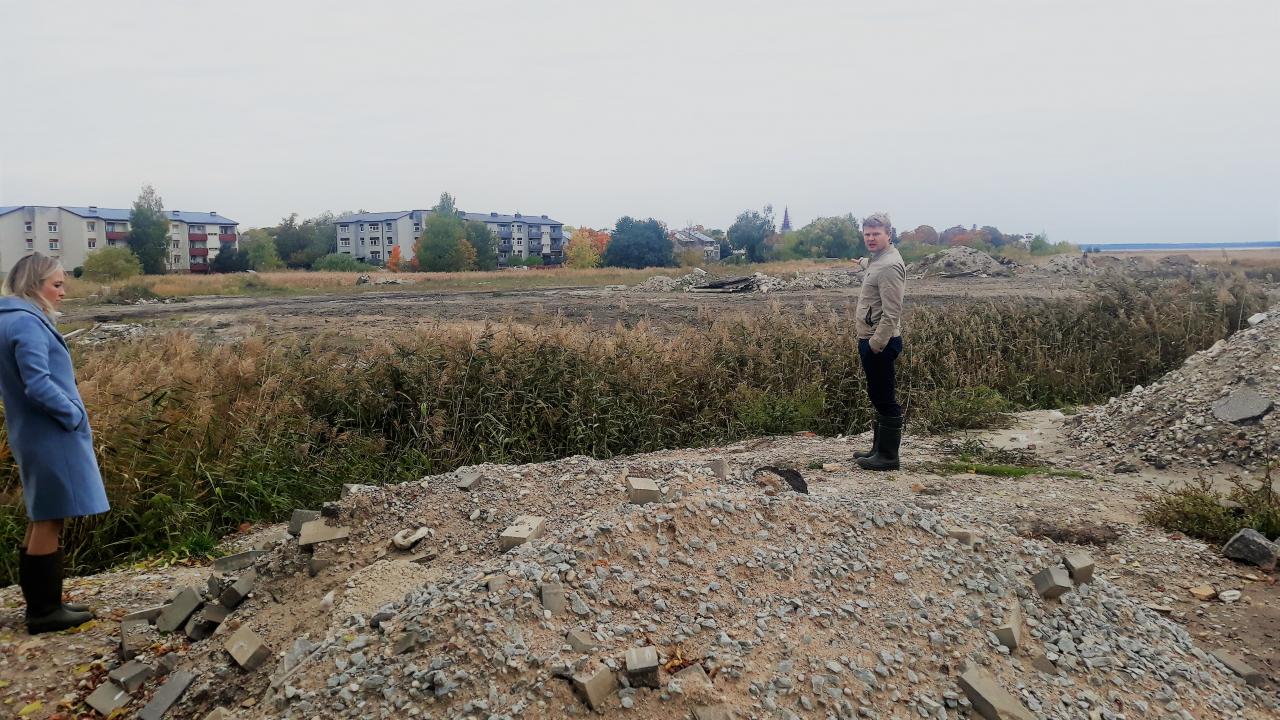
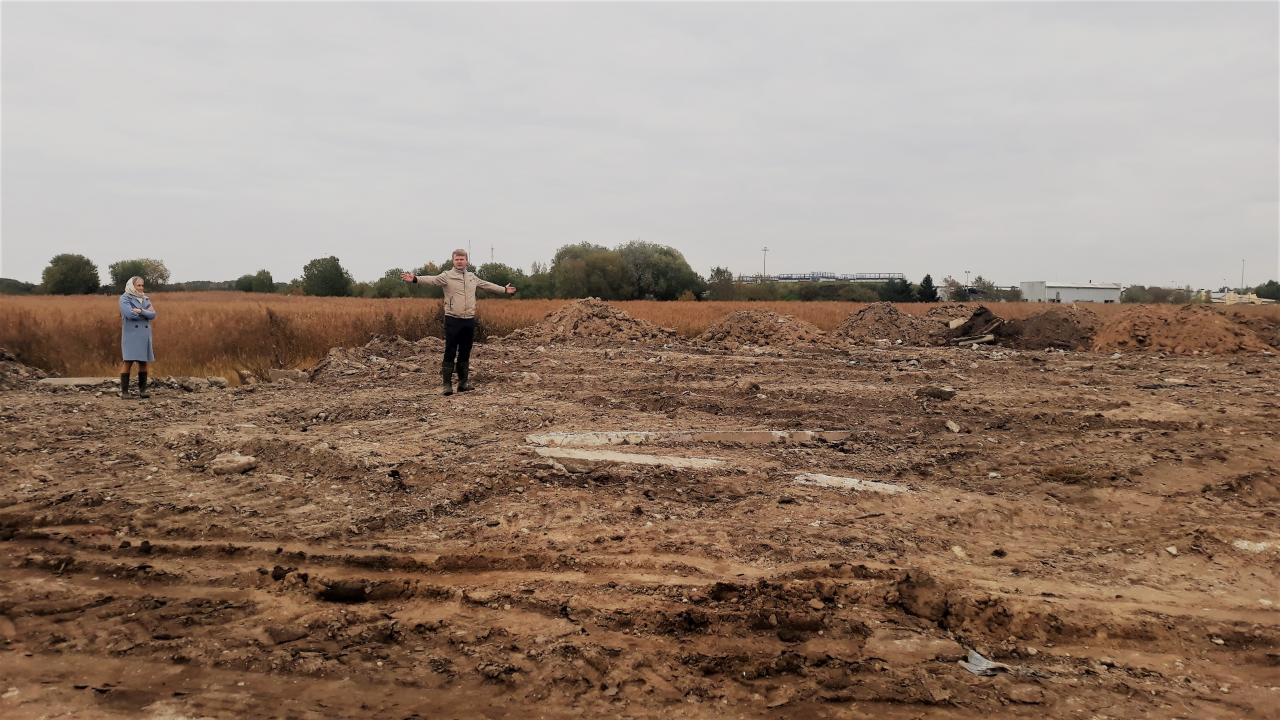
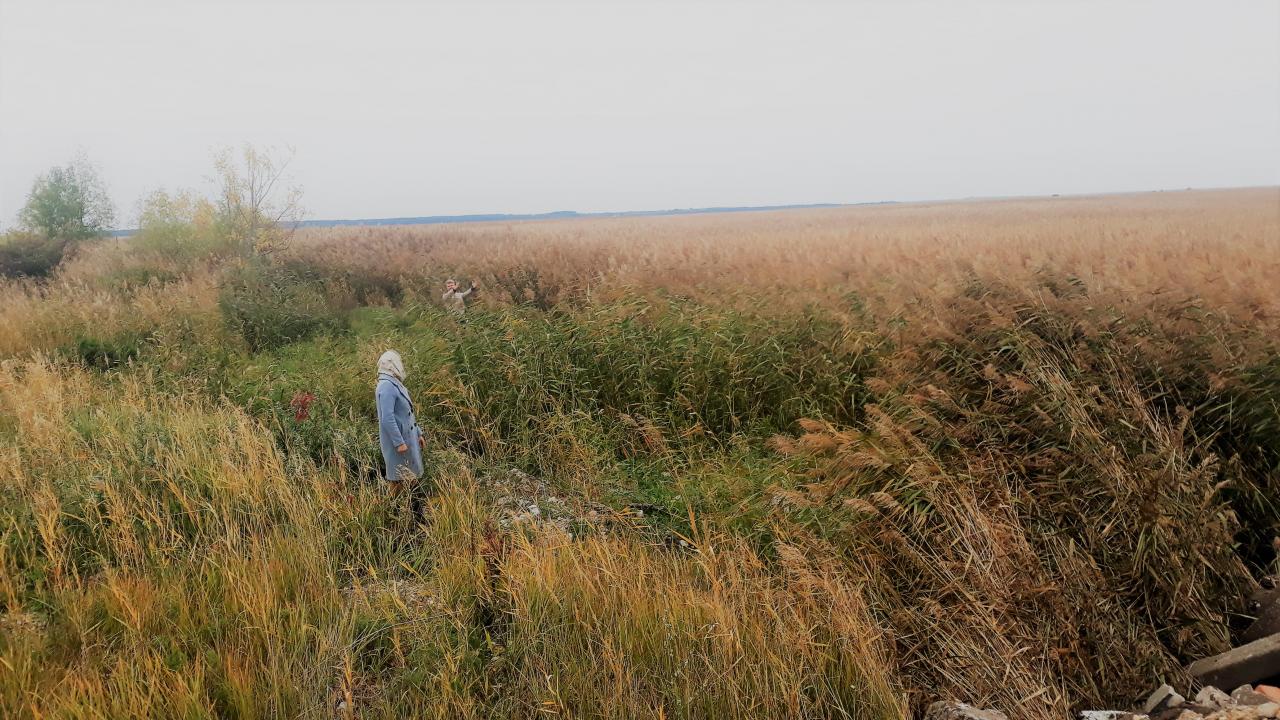
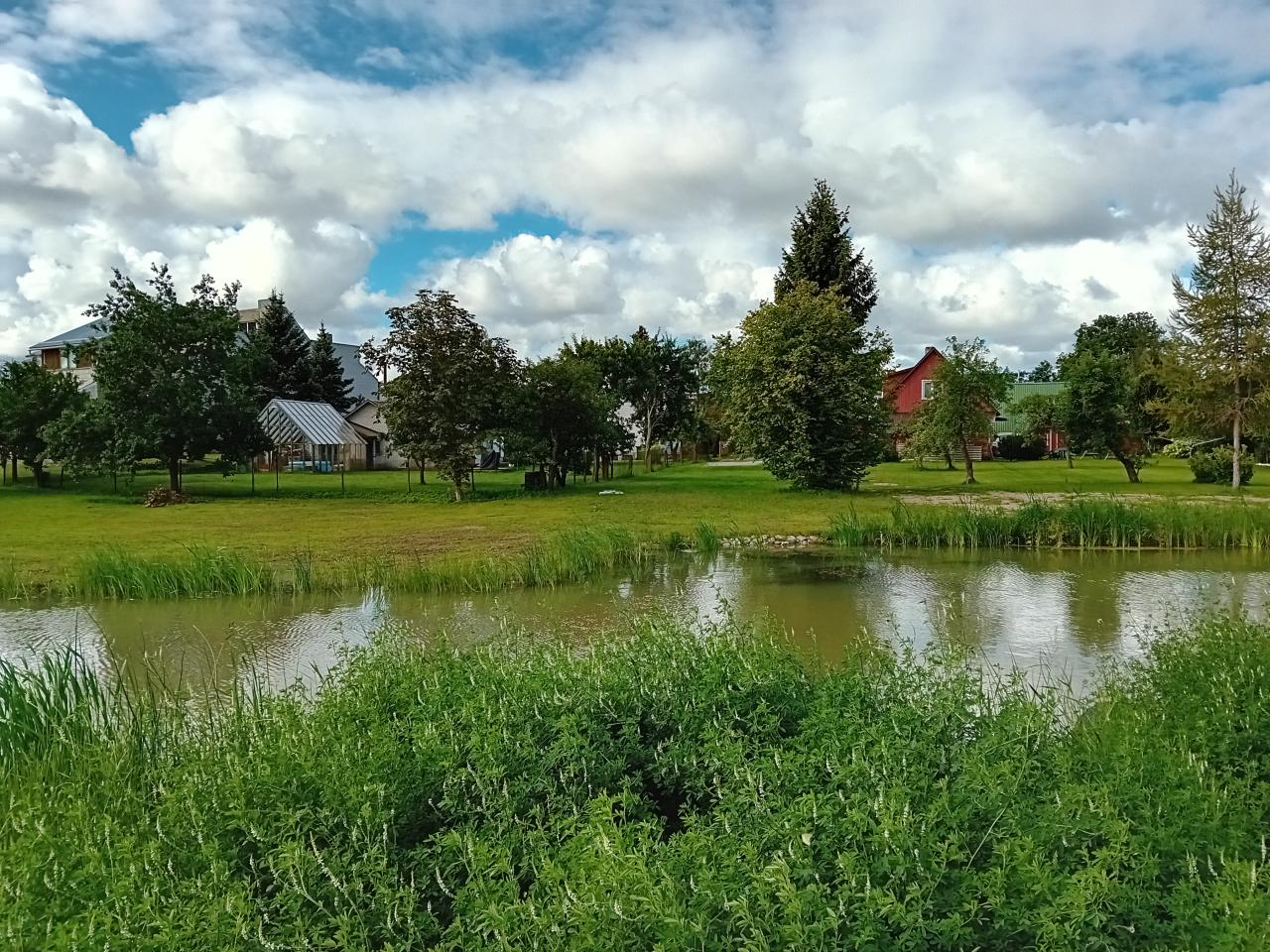
In the town of Haapsalu, a model area with nature-based solutions (NBS-nature based solutions) will be established in the Tagalahe region in order to improve the environmental condition there and reduce the risk of flooding and increase local people's awareness of the surrounding natural environment.
Target groups:
• People living by Haapsalu Tagalaht
• Haapsalu kindergartens and schools
Specific objectives:
• The embankment of the southwest coast will be filled and a natural sediment area will be created for the city's stormwater. As a result of the activity, the amount of low-quality rainwater flowing into Tagalahti decreases, the ability to naturally clean rainwater caused by sudden rains increases, and securing the shoreline creates an obstacle to floods.
• Together with the local community, beach meadow vegetation is selected and planted in the demo area, resulting in a green area that restores natural diversity and requires little maintenance.
• A light traffic road will be built on the protective embankment on the sea side, built from the soil of the rainwater channel. Rest areas and playgrounds will be built in the demo area together with the community. Information boards introducing the natural environment will be installed. The demo area will become a sustainable public space valued by local people.
• The nearby modern water treatment plant and the natural communities of the demo area will become outdoor learning destinations for educational institutions. Together with TalTech researchers, a special study program will be created there. People's environmental awareness and knowledge of the natural diversity of the coastal area increases.
Expected results:
In the demo area:
• no more flooding
• is a natural coastal area with diverse vegetation
• a popular community hangout and outdoor learning area
Key objectives for sustainability
• Nature-based solution. Does not require electricity to operate. Prepared soil and planted plants can absorb large amounts of rainwater.
• Involvement. Involvement of the community in the preparation of initial tasks for the demo area, in the selection and planting of plants in the demo area during the project, ensures that the community values the designed coastal area and its future environmental protection.
• Environmental awareness. Together with researchers, the creation of educational materials in the field of demo ensures the environmental awareness of young people.
Key objectives for aesthetics and quality
• Land planning, landform design.
• Recreation area and children's playground.
• A protective embankment and a light traffic road on it. Connecting the light traffic road to the city light traffic road network.
• Natural diversity.
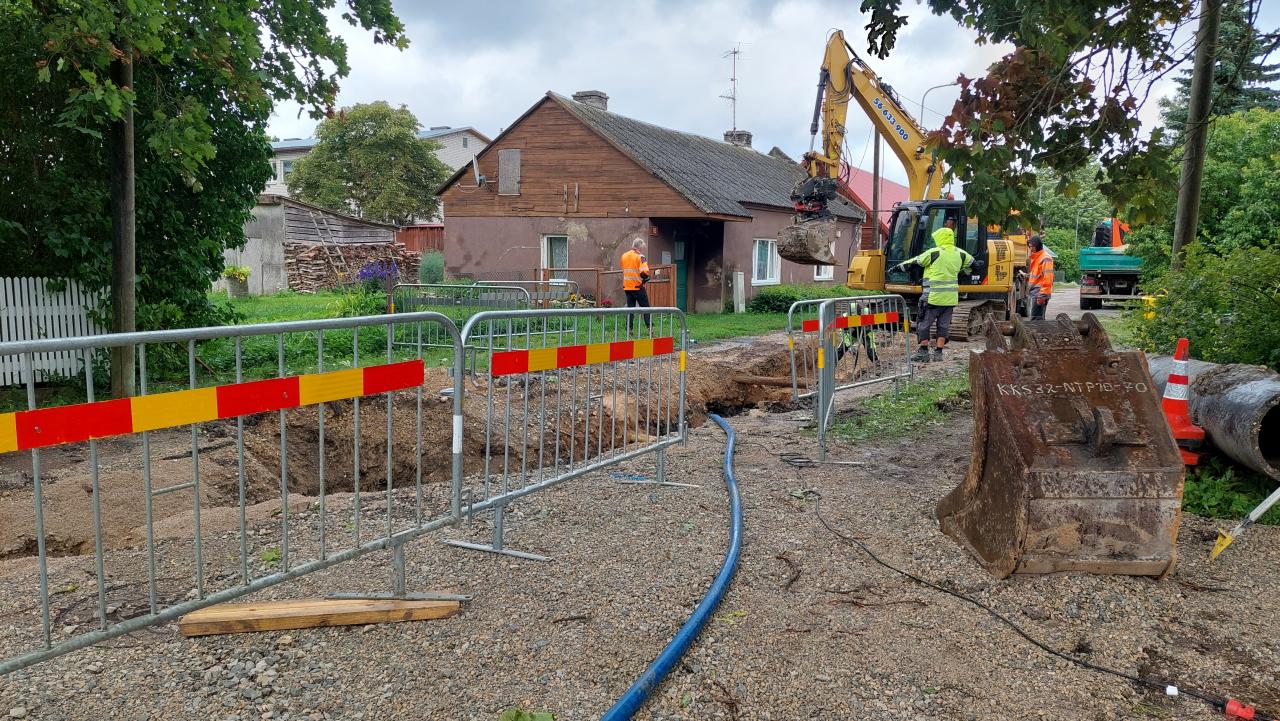
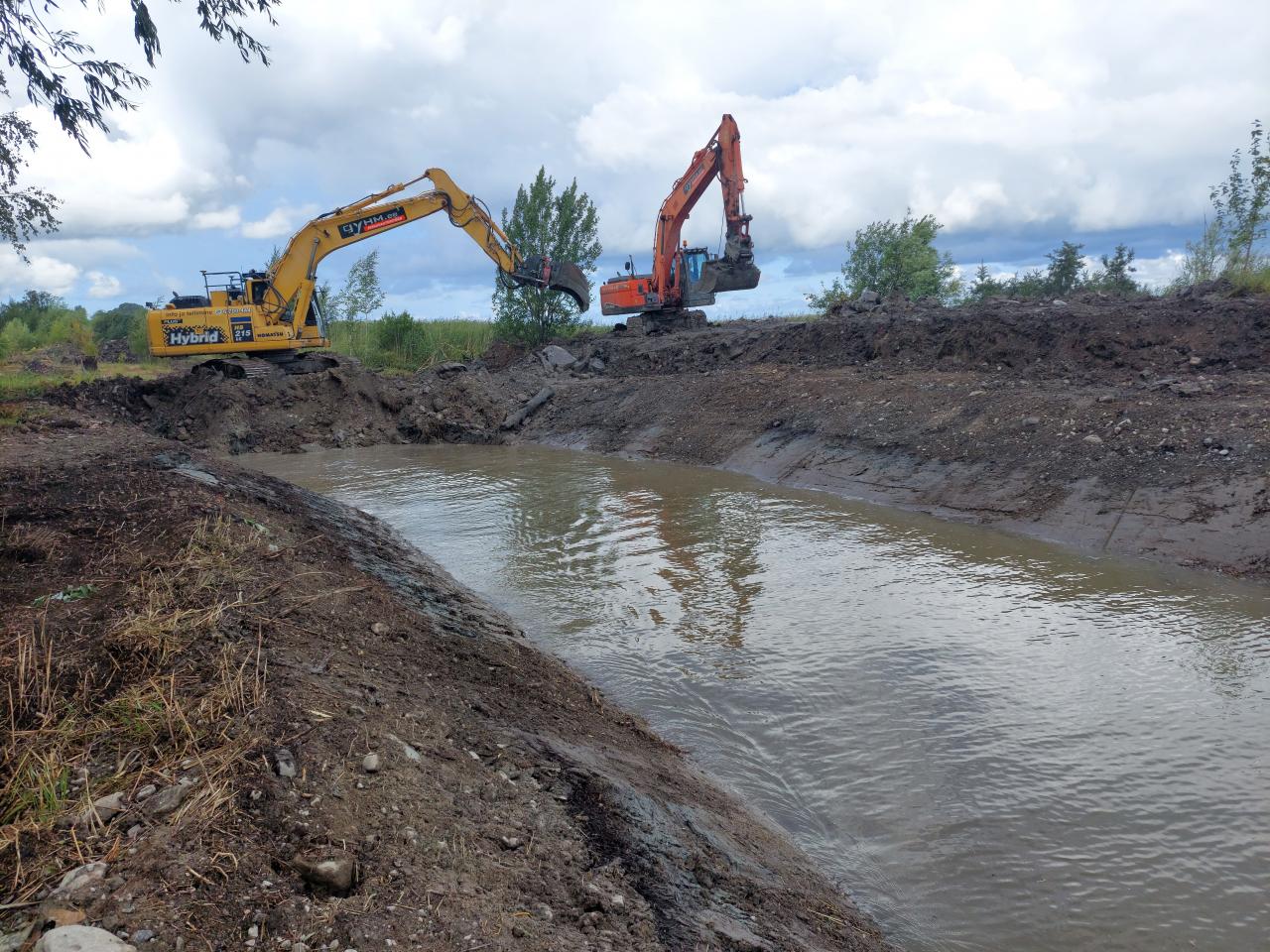
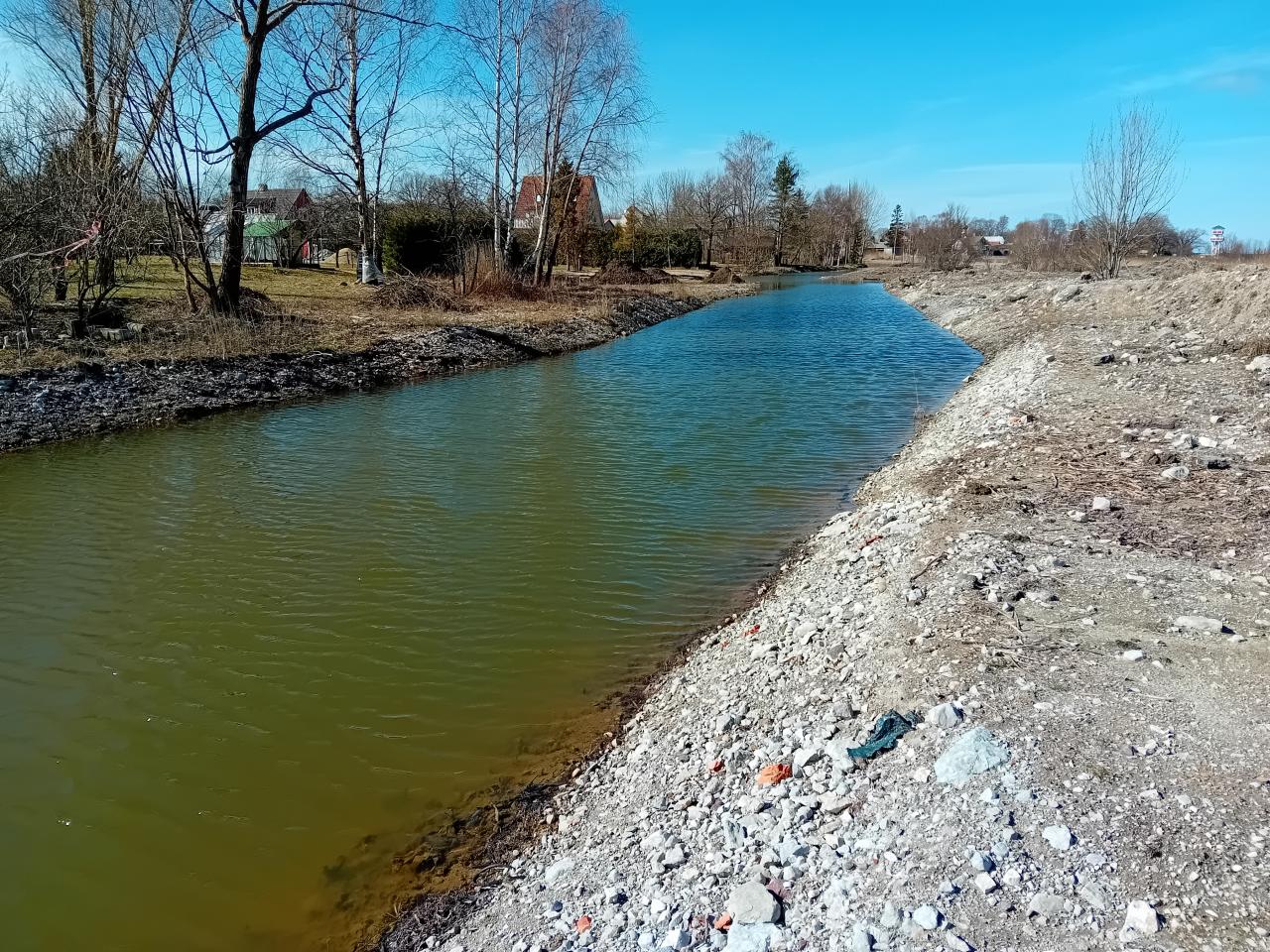
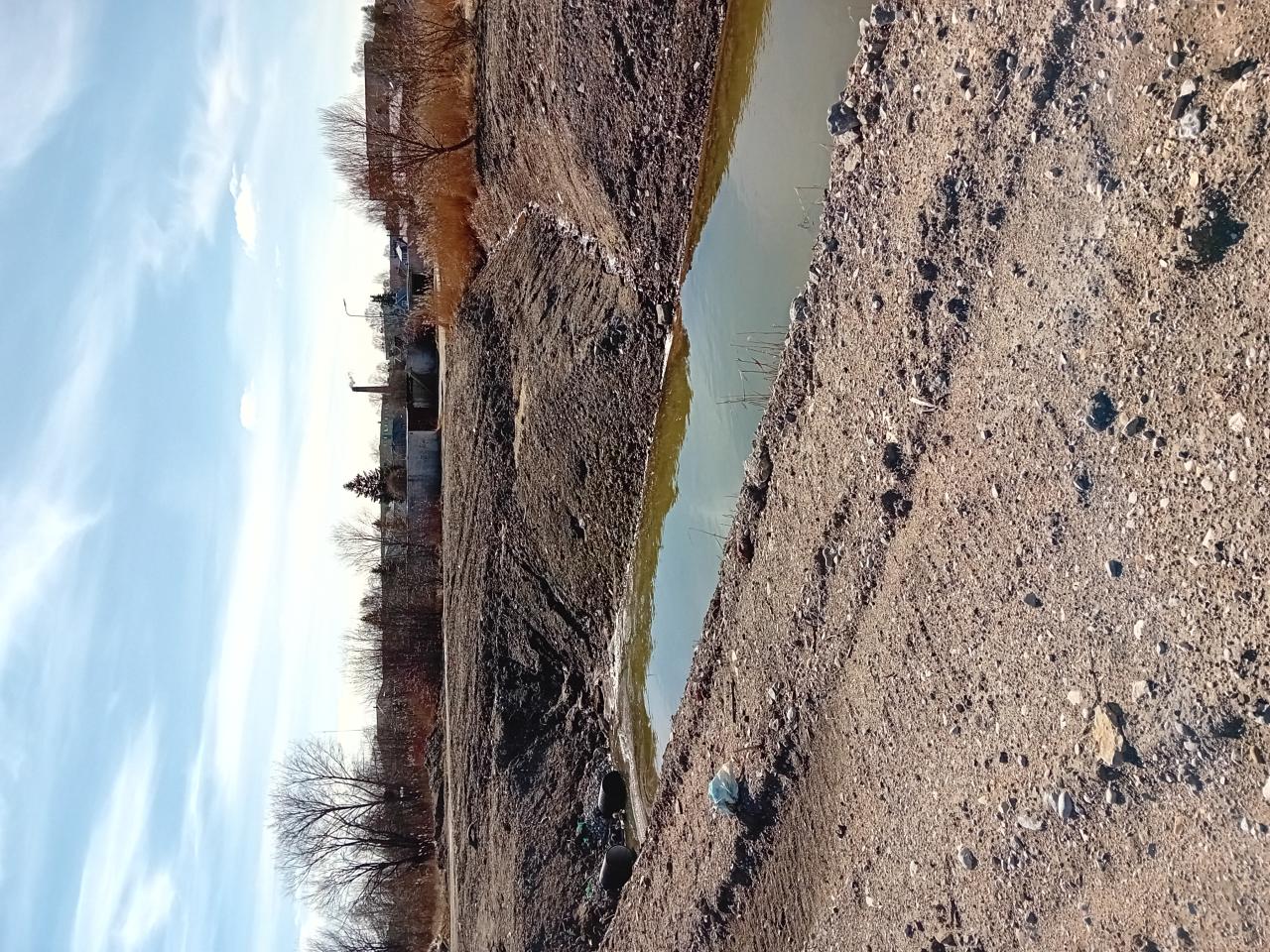
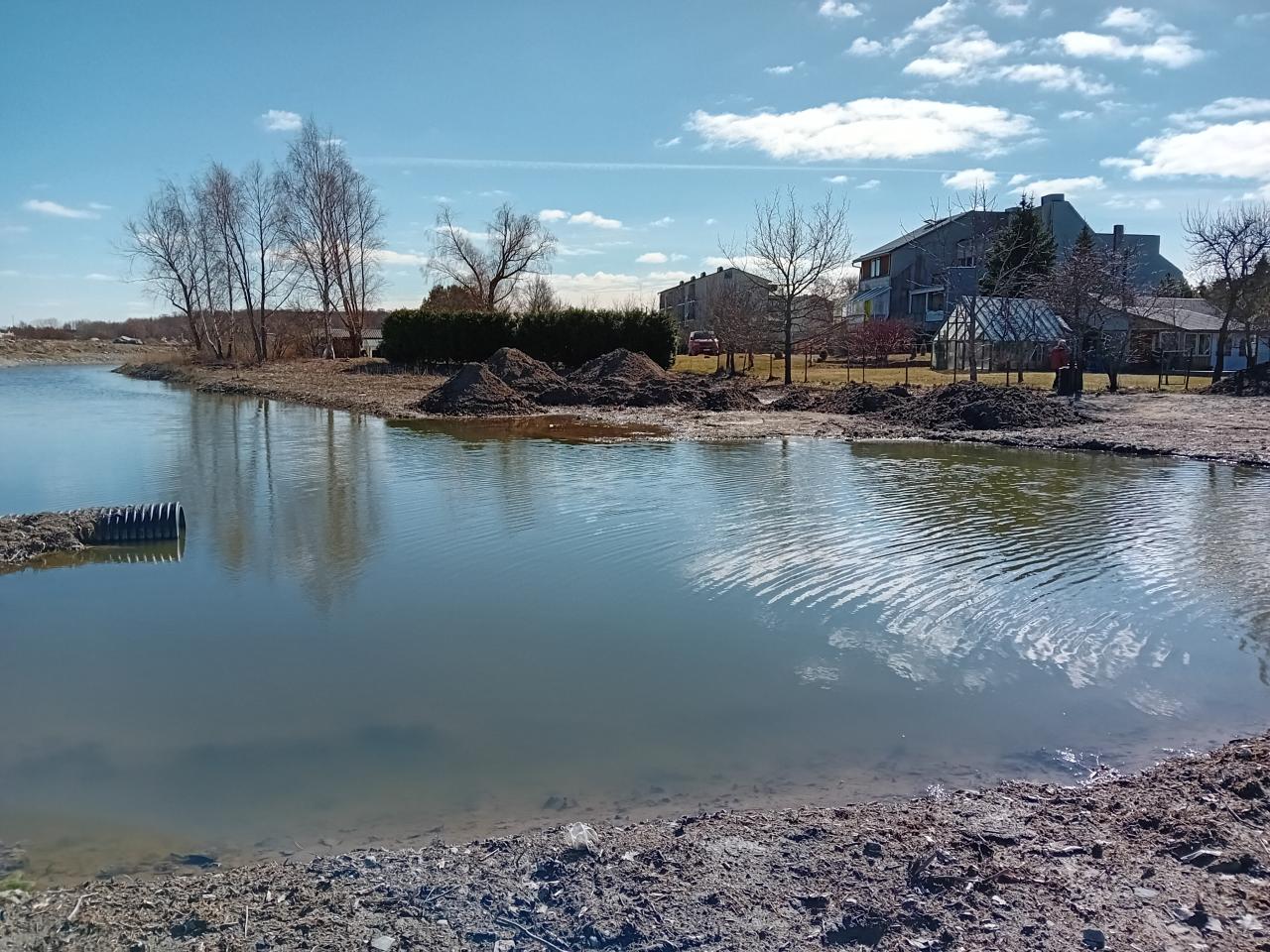
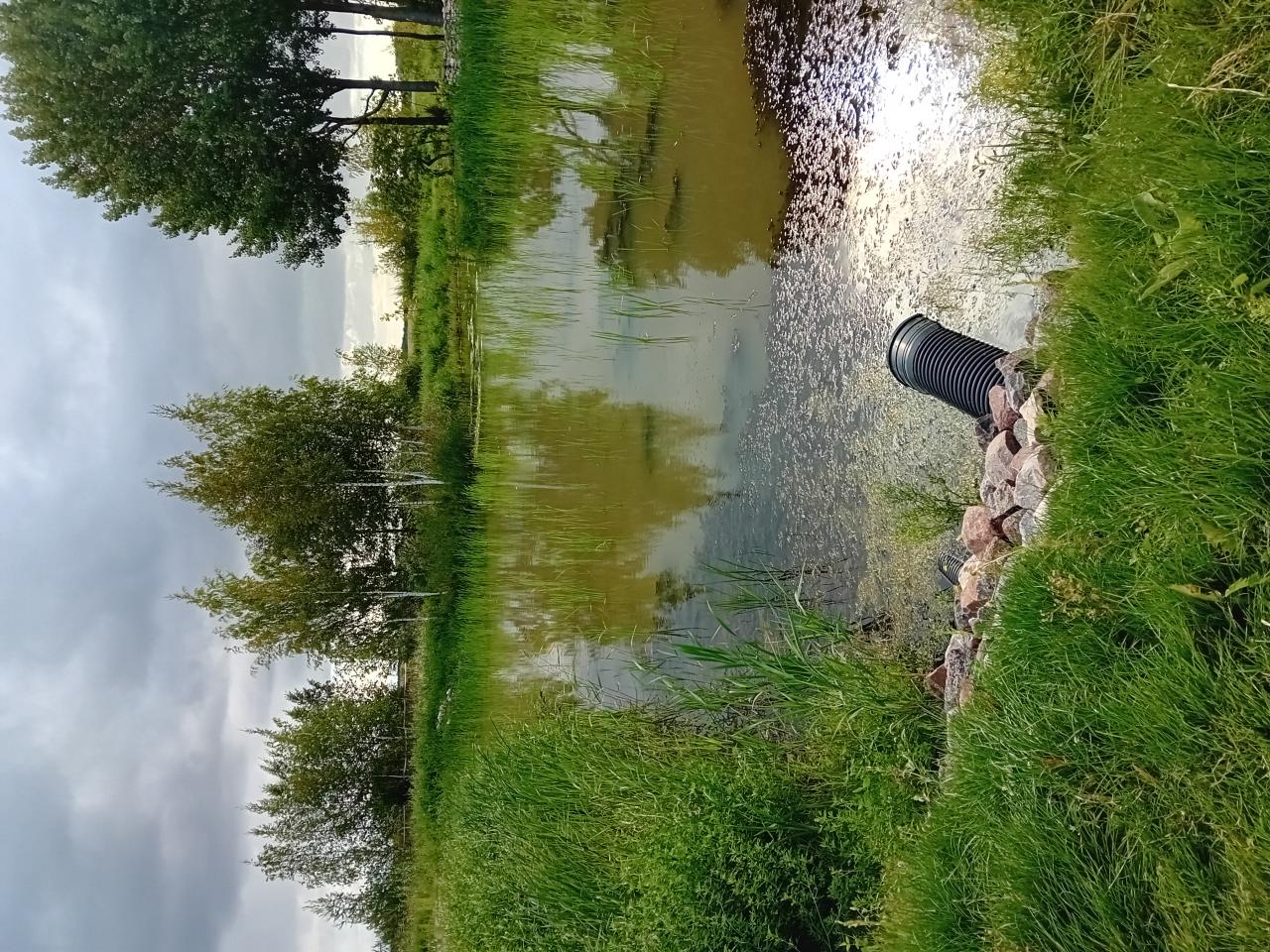
By this time, surveys have been carried out, storm water lines have been installed, storm water channels have been dug. Further work: shaping the soil, creating a light traffic road and recreation areas, planting plants, creating outdoor learning material.
Key objectives for inclusion
If a recreation area and a children's playground and a toboggan hill are built, local residents will be able to enjoy joint activities there all year round.
How Citizens benefit
2. The Konnaküla society cooperates with the selection of plants and their planting.
3. Cooperation is carried out with kindergartens and schools by creating materials for outdoor education
Innovative character
Disciplines/knowledge reflected
• Project „HAAPSALU LIFE PILOOTALA“ compiled „K-Projekt“. The areas involved in the project are: hydrology, rainwater, sea level, stormwater treatment, geology, nature conservation, vegetation, artificial environment: light traffic road, recreation areas, inputs from the community.
• The result is a well-designed project that takes into account scientific research and the wishes of the community. This ensures that the set goals are met during the implementation of the project.
Methodology used
It has been important to actively communicate with the partners of the LiFE project, exchange experiences, get to know each other's objects.
How stakeholders are engaged
1) national and international level: 2 countries and 16 partners
1.1. Estonian partners: Viimsi municipality, Haapsalu town, Rakvere town, Võru town, Narva town, Tallinn University of Technology, Nordic Botanical OÜ, Baltic Environmental Forum Estonia, Ministry of Environmental Protection and Regional Development
1.2. Latvian partners: Riga City Council, Cēsis Municipality, Valmiera Municipality, Riga University of Technology, Baltic Coasts Association, Environmental Solutions Institute, Baltic Environmental Forum Latvia.
The cooperation of the project partners has taken place since the preparation of the project application in 2021 and continues. The general manager of the project is the municipality of Viimsi.
Project duration: 5 years (09.2022 – 08.2027)
2) Local level: local community
2.1. Haapsalu’s kindergartens and schools
Cooperation with kindergartens and schools
Creation of practical learning materials in cooperation with TalTech University. Educational materials are tested during creation together with kindergartens and schools.
The topics of the study materials are rainwater, plants, stones, clay, soil, clouds, etc. By the end of the project, educational materials and information stands have been completed.
2.1. local residents association „Konnaküla NGO“
Cooperation with Konnaküla NGO
(Konnaküla in translation „frog village“. A low area where many frogs have lived)
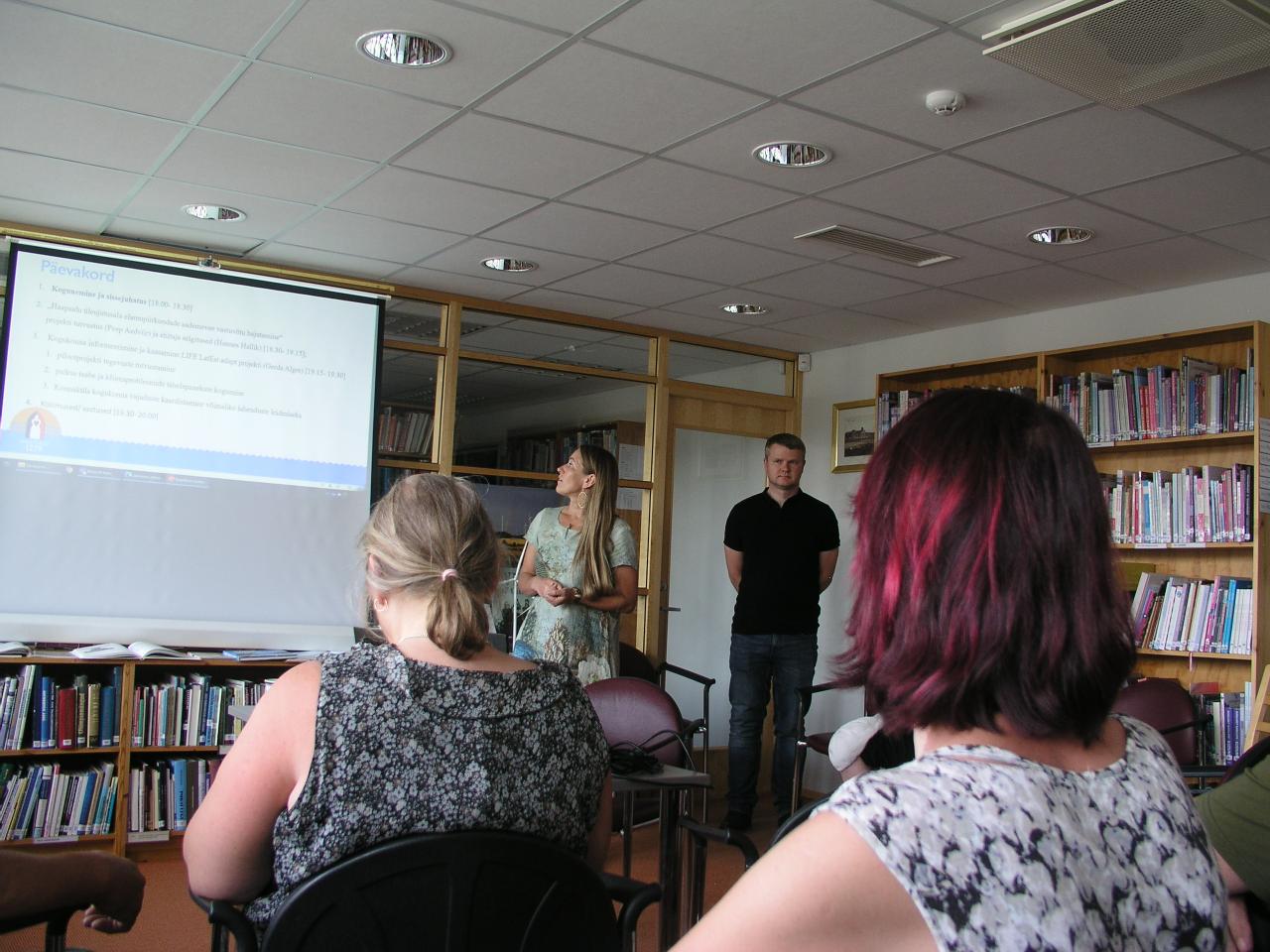
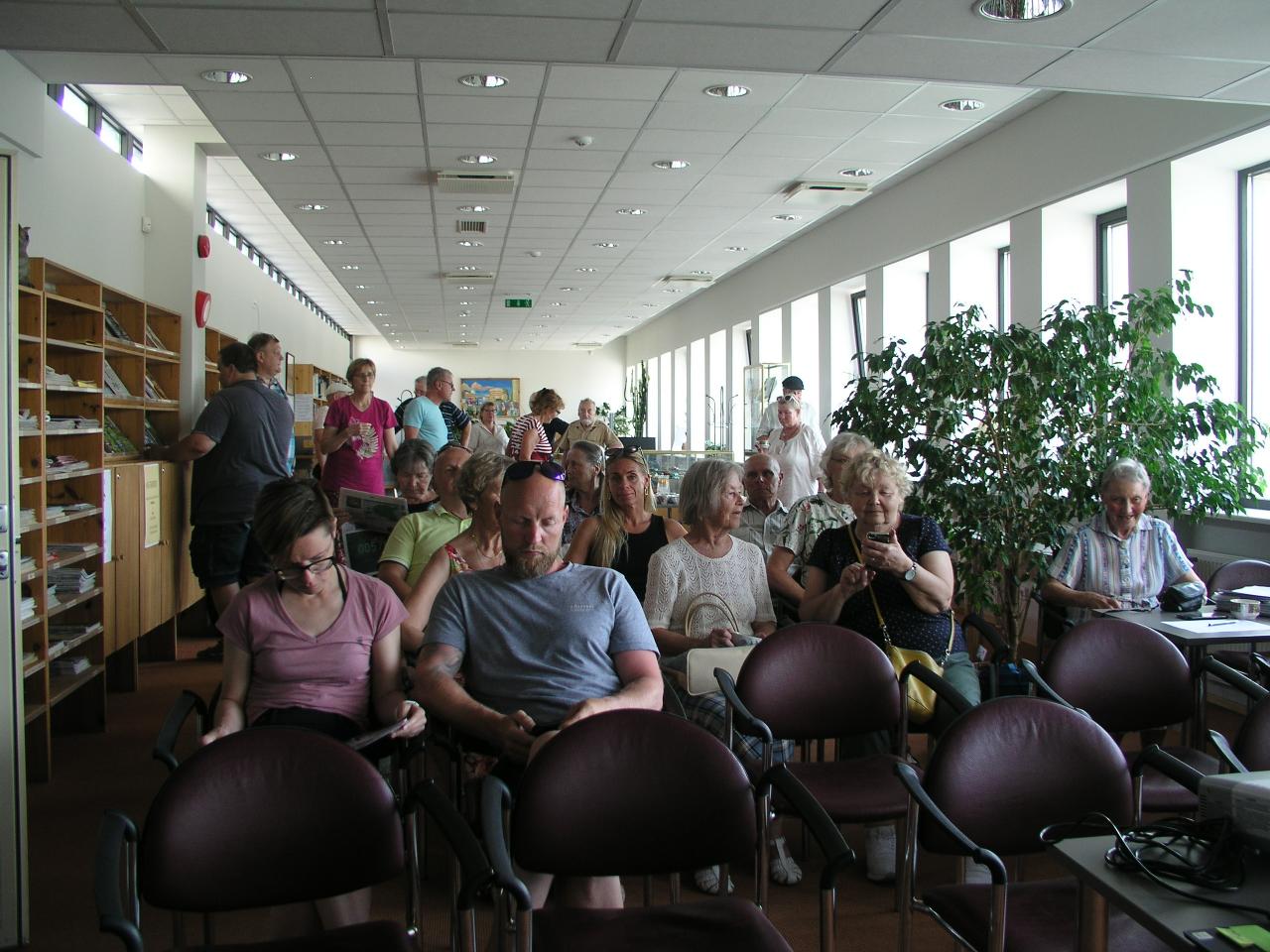
Haapsalu's project manager is in constant contact with local residents. The official community engagement meeting was on 6/20/2023. 35 people attended the meeting. Project managers Gerda Algre and Peep Aedviir introduced the project and proposed to participate in the next activities of the project:
• Mapping the needs of the Konnaküla community to find possible solutions.
• Collecting local information and observations of climate problems.
• gathering observations about the fountaines.
• collecting local observations on vegetation
Global challenges
Learning transferred to other parties
• Community involvement throughout the project.
• Preparation of outdoor education material introducing the sample area.
Next steps
Planned activities in the Haapsalu's demo area:<br />
Vertical planning Land planning and construction of the area: Area planning and construction: a 2-meter-high shore protection embankment will be created, on which an illuminated pedestrian walkway can later be built. In addition, the necessary slopes will be provided to store and direct rainwater. At the request of the community, a sledding hill for children and a community square will be created from the existing soil.<br />
Establishing a bank protection with stormwater outlets to border the filled area. Building a light traffic road on top of the bank protection (in the city's general plan: Hommiku shore light traffic road connecting Uuemõisa and Promenade). This section of the light traffic road will be connected to the city's network of light traffic roads.<br />
Creating recreational areas between the mouth of the stormwater pipes and the bank protection in cooperation with TalTech (Tallinn Univercity of Technology).<br />
Installation of a measuring system that monitors water levels, etc. Water regulator. Construction of a water regulator for water flowing into the sea. The water regulator keeps the water moving even from the sea. The automatic device informs about the danger of high water.<br />
General landscaping of the demo area. In cooperation with the community, plant species, trees and shrubs are selected to create a species-rich coastal area in the region. Preparing soil suitable for meadow plants on the land between the recreational areas and sowing meadow plants. Natural purification of rainwater. The slopes of the rainwater collector are made flat. Various plants are planted at the bottom and sides of the slope, which promote the purification of rainwater.<br />