Grazie Path: A Jubilee Journey
Basic information
Project Title
Full project title
Project Description
Current stage development
Project Region
Municipality
EU Programme or fund
Description of the project
Summary
Key objectives for sustainability
1 Sustainable Tourism Model: it promotes slow tourism through walking or cycling minimizing environmental impact and fostering a deeper connection to nature & local culture. This eco-friendly approach encourages responsible travel and aligns with sustainability principles.
2 Environmental and Social Sustainability: The path’s interventions respect both the environment & the communities that live within it. By focusing on maintaining a balance with nature & local life the project avoids high-impact construction; instead improves the living environment for residents, such as through the renovation of historic buildings and the enhancement of local pathways.
3 Revitalization of Abandoned Spaces: it repurposes unused and abandoned buildings for tourism services such as hospitality and visitor centers, minimizing urban sprawl and environmental costs. These spaces also benefit local communities by providing venues for social and economic activities.
4 Enhanced Visitor Experience with Sustainability: Visitors enjoy a rich, immersive experience with seasonal offerings tailored to the environment, such as eco-friendly accommodations and locally sourced food. The path is accessible year-round, offering diverse activities that reduce pressure during peak seasons.
5 Community Benefits: by improving the physical environment and creating sustainable tourism opportunities the project provides long-term economic and social benefits for local residents. Businesses can offer higher-quality services, contributing to the region’s growth without compromising its ecological or cultural integrity.
Through these efforts it examplifies how tourism can contribute to environmental preservation economic vitality & social wellbeing
Key objectives for aesthetics and quality
Key objectives for inclusion
1 Accessibility for All: It ensures year-round access by improving physical infrastructure such as accessible pathways and rest areas. Critical points along the route are secured and obstacles are removed to ensure safety for all visitors, including those with limited mobility. Accessible hospitality spaces, information points & structural upgrades in Ardesio & Vertova follow modern accessibility standards making the path fully navigable for tourists with disabilities. Digital tools and immersive experiences like the sensory-based room in Vertova, further enhance accessibility.
2 Promoting Gender Equality: Grazie Path is the only Italian pilgrimage route coordinated by a woman, offering visibility to a female-led initiative. With 57% of slow tourism participants being women, the project supports female participation and leadership, fostering empowerment, self-awareness & personal growth particularly for solo or female group travelers. By encouraging women’s involvement boosting self-esteem.
3 Inclusive Governance: it encourages inclusive governance by involving local municipalities, residents, tourism operators & more in planning and decision-making process. This ensures diverse voices are heard promoting collaboration and fostering a sense of community ownership.
4 Affordability & Community Engagement: it emphasizes affordability by repurposing local historical buildings into accessible spaces for lodging and cultural experiences, providing low-cost accommodation options. Local communities are actively engaged, ensuring the benefits are shared and residents contribute to shaping project’s future.
5 Design for All: it incorporates local culture and traditions, fostering cultural inclusivity. By allowing locals to showcase their culinary & artisanal traditions it creates a space for appreciation.
How Citizens benefit
1 Local Governance & Partnerships: initiative is developed in collaboration with municipalities, parishes, and local organizations, ensuring diverse representation in decision-making. This inclusive governance structure allows citizens to directly influence the project’s direction.
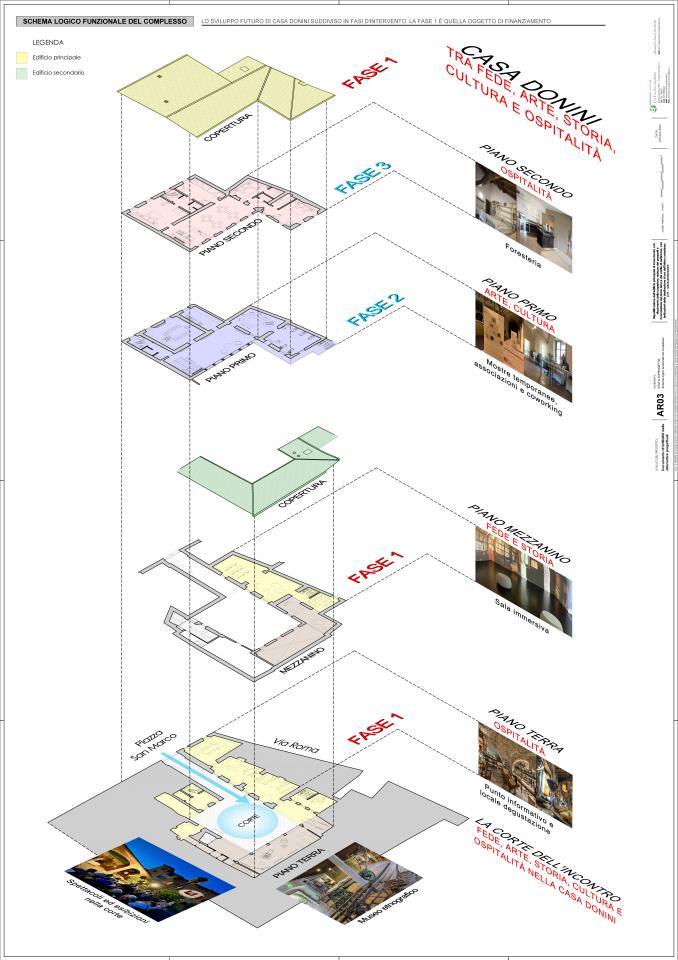
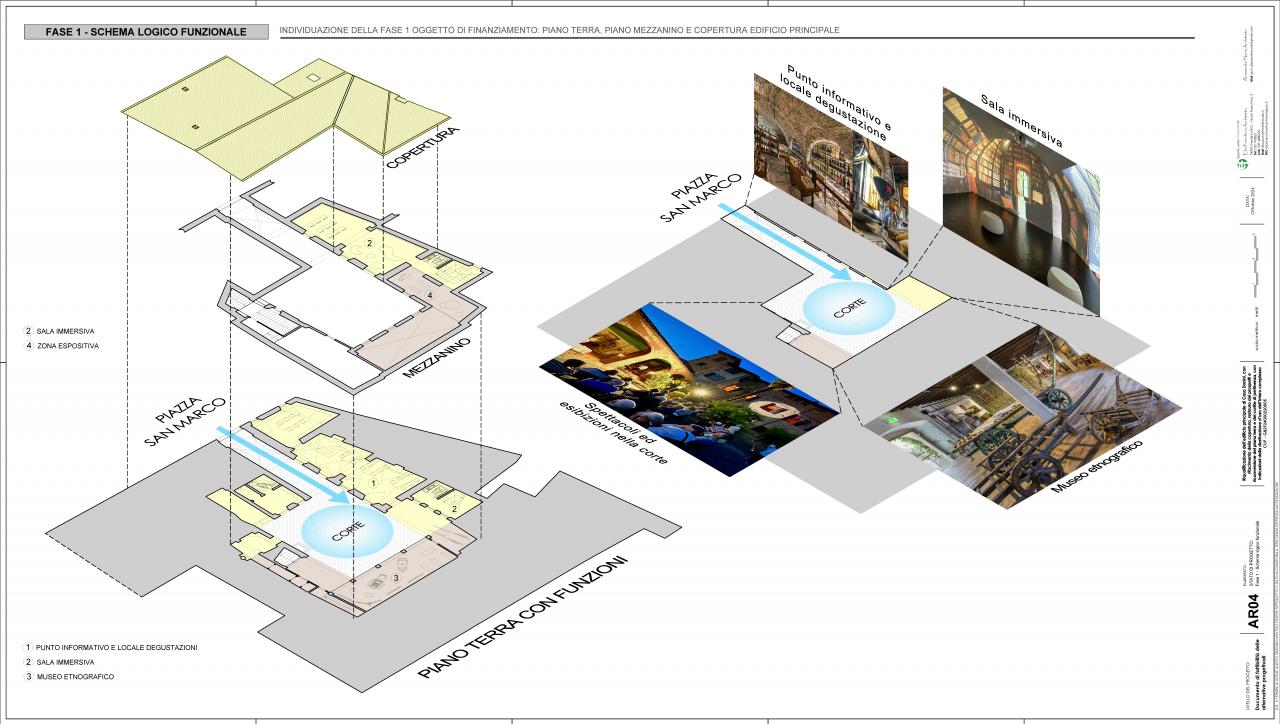
2Volunteering & Cultural Promotion: Local associations and volunteers play a key role in maintaining the pathways, organizing events, and promoting cultural heritage. The ethnographic museum in Casa Donini, for example, will showcase artifacts collected with community input, preserving local traditions.
3Participatory Design Process: The project includes a structured participatory planning process, led by DestinAction, to ensure community engagement in shaping the initiative and it will cosist of:
-Mapping Workshop: A collaborative analysis of local actors, services, and tourist attractions to assess strengths and weaknesses of the area. This participatory mapping will result in a digital resource.
-SWOT Analysis & Vision Development: workshop involving tourism operators and local associations to define a shared vision for the development of Vertova’s tourism sector, producing an interim report.
3Final Presentation & “Give and Gain” Workshop: The executive plan will be presented in end2025/early2026 during a public session highlighting benefits of collaborative efforts. The final report will be shared through the municipal platform.
Economic & Social Benefits: By converting historical buildings into tourism facilities the project generates local employment and entrepreneurship opportunities. Residents benefit from increased visitor flow, revitalizing small businesses, agritourism, artisanal craft.
Innovative character
1 Inclusion though:
- Multisensory Experiences: The immersive room in Vertova incorporates sound and scent-based storytelling, making natural and cultural heritage accessible to fragile people
- Interventions to make more accessible infrastructures and pathway (e.g. elevator installation, arrangement of some sections of pathway)
- Women’s leadership in community-driven tourism in order to offer a safe, welcoming space for female travelers
2 Community-Centered Design:
- Participatory Mapping & SWOT Analysis (Led by DestinAction): Local residents, businesses, and cultural organizations actively map assets, identify challenges, and co-develop solutions.
- Local Ownership & Economic Sustainability: The path revitalizes abandoned spaces, repurposing them into affordable lodging, cultural centers and more. This ensures economic benefits remain local rather than being dominated by external tourism operators, it increases the region's competitiveness and attractivity diversifying tourism offer at the same time.
3 Sustainability-Driven Cultural Tourism through Year-Round Tourism Strategy: Seasonal programming ensures that the path remains economically viable beyond peak seasons, reducing over-tourism while promoting slow, mindful travel.
4 Digital innovation through Augmented & Immersive Reality: The immersive storytelling room in Vertova uses multi-sensory technology to bring local, less known cultural and natural heritage to life.
Unlike conventional models that often prioritize mainstream historical landmarks and seasonal influxes, this project leverages digital storytelling and multi-sensory engagement to democratize access to heritage. By empowering local communities, revitalizing neglected spaces, and ensuring economic sustainability beyond peak tourist seasons, it creates a forward-thinking model.
Disciplines/knowledge reflected
Methodology used
1 Context Analysis & Strategic Planning
The project originated from two core needs:
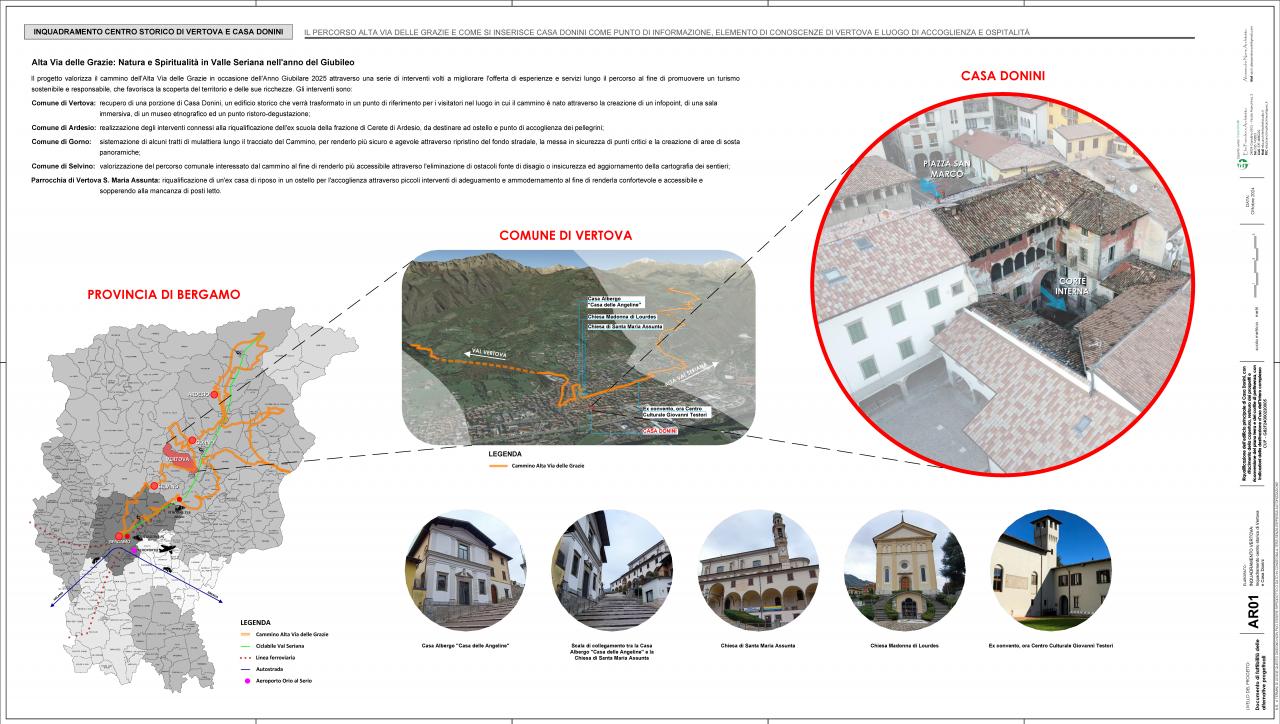
Redistributing tourist flows away from the overvisited Valle Vertova by promoting the Alta Via delle Grazie as a sustainable alternative. It does it by revitalizing a historic building in Vertova’s town center to create a community and hospitality hub for pilgrims and visitors. A technical feasibility study was conducted with an architect to assess infrastructure potential and align the intervention with both pilgrimage route and territory needs.
2 Participatory & Collaborative Approach
A participatory design process is being developed in collaboration with DestinAction, ensuring that local stakeholders are directly involved in shaping the initiative. Engagement Activities Include:
-Participatory Mapping: Identification of key tourist assets, services, and challenges with local stakeholders.
-SWOT Analysis & Visioning Workshops: Defining strengths, weaknesses, and a shared development vision for sustainable tourism in Vertova.
-Final Co-Design Session & Public Presentation: results will be consolidated into an actionable executive plan shared with the community.
3 Multi-Level Governance & Institutional Engagement
The project is built on strong inter and supra-municipal collaboration with formal letters of commitment and strategic meetings involving local municipalities, LAG and parish institutions.
Public Funding Strategy: Submission to the National Ministry of Tourism’s funding program, currently under evaluation, to secure resources for implementation + Application to Eu-level funding.
4 Sustainable Development & Adaptive Reuse: it adapts existing historic landmarks into a functional space for pilgrims and locals.
How stakeholders are engaged
Design Phase:
-Gabriella Castelli’s Leadership: As the ideator and volunteer manager of the path, Gabriella Castelli played a pivotal role in conceptualizing and coordinating the project, supporting Vertova municipality in project's idea development. Her grassroots involvement ensured that the initiative remained deeply connected to the local community's needs and aspirations.
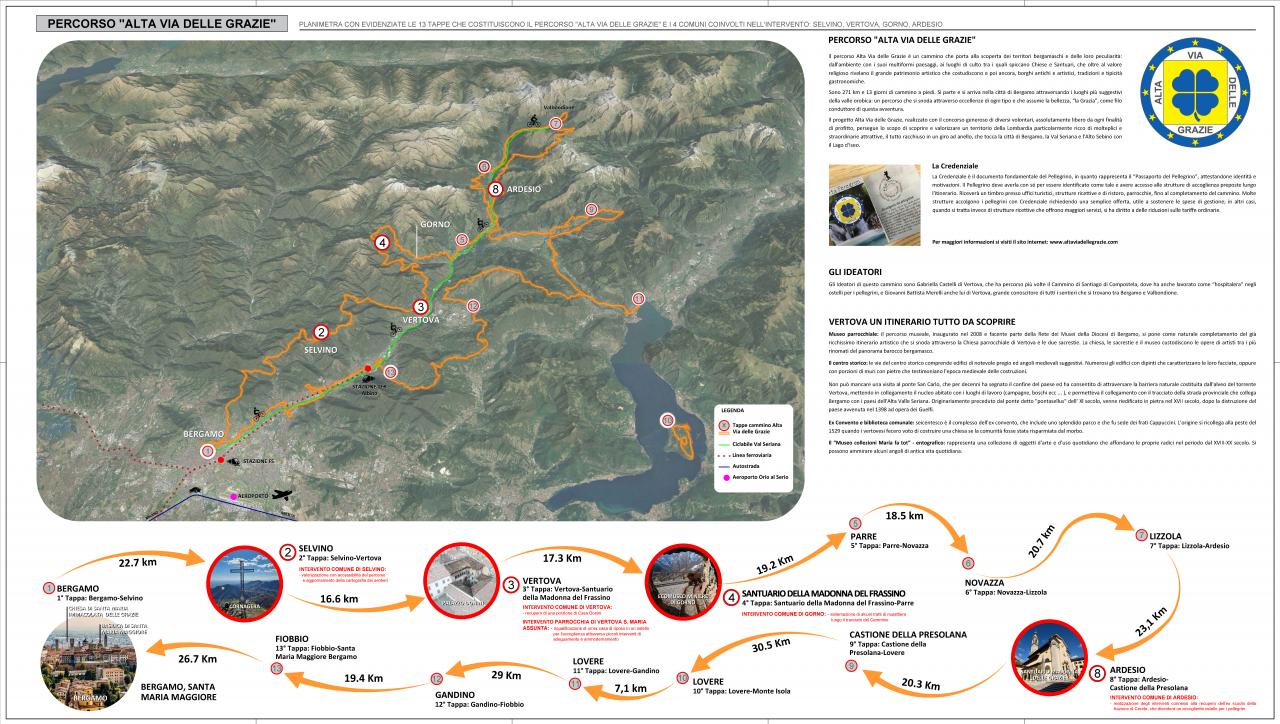
-Municipalities, Parishes and LAG: Local municipalities and parishes were engaged early in the process through formal letters of commitment and multiple brainstorming meetings. LAG Presolana e laghi bergamaschi supported in project design and writing. These meetings facilitated discussions on infrastructure improvements, accessibility enhancements, and cultural programming. The municipalities of Vertova, Ardesio, Selvino and Gorno played key roles in shaping and widening the project’s scope and securing local support.
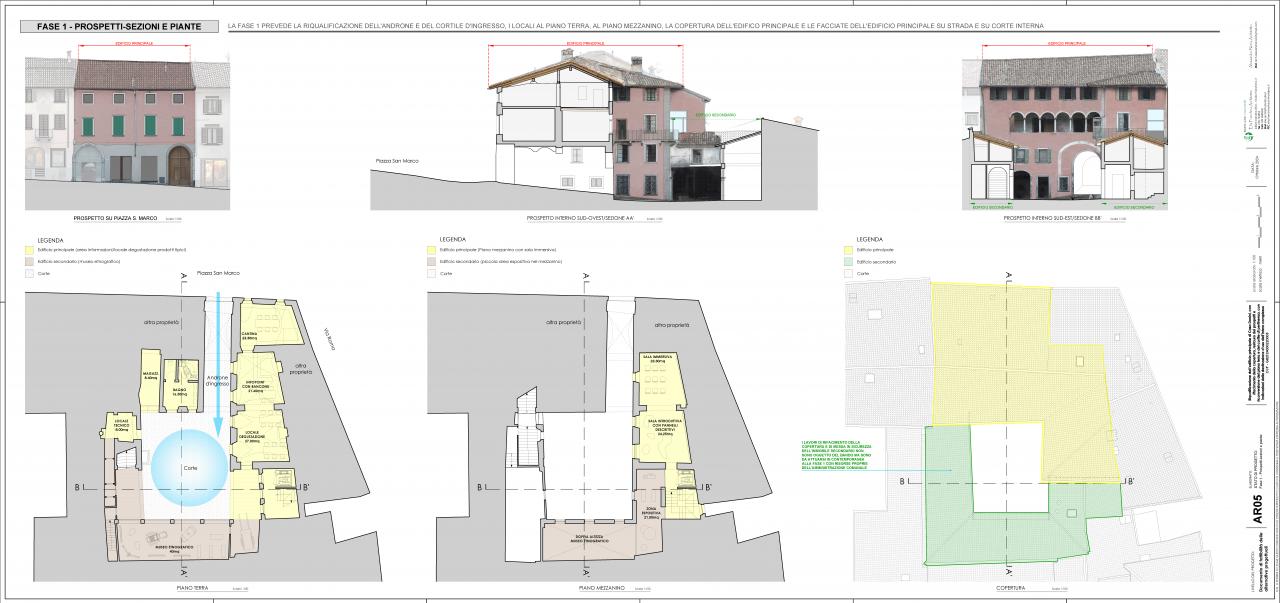
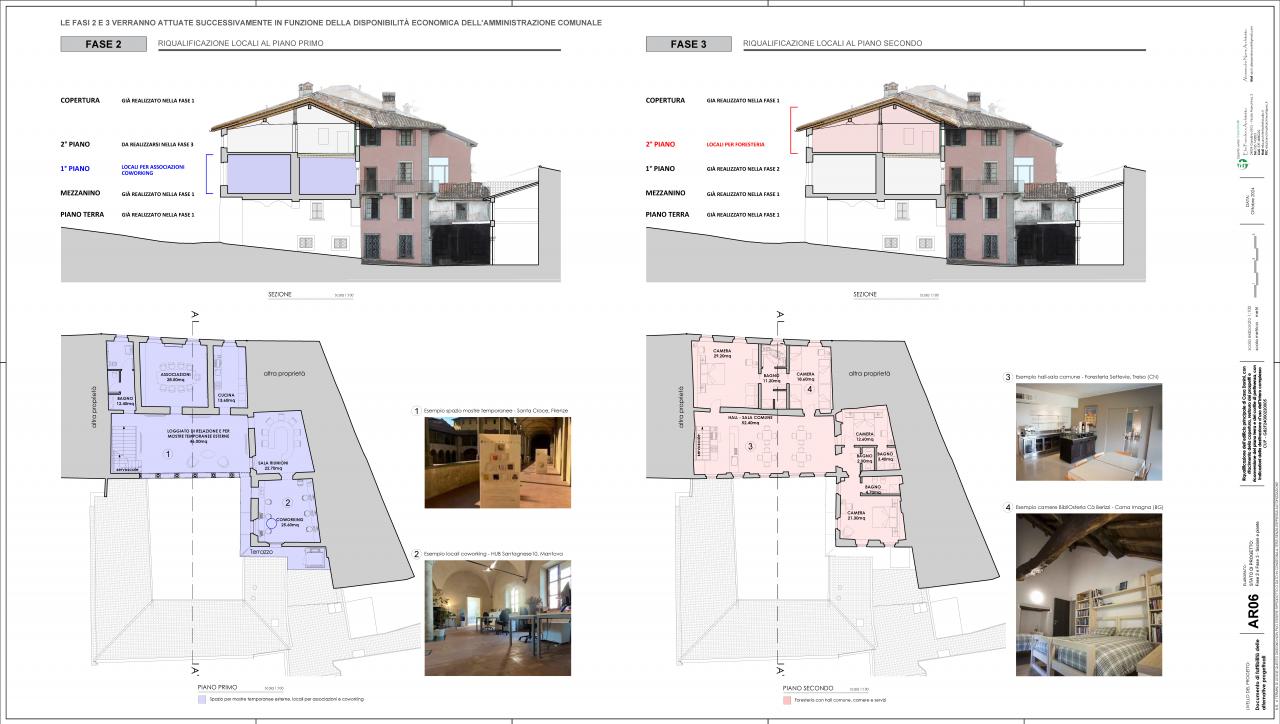
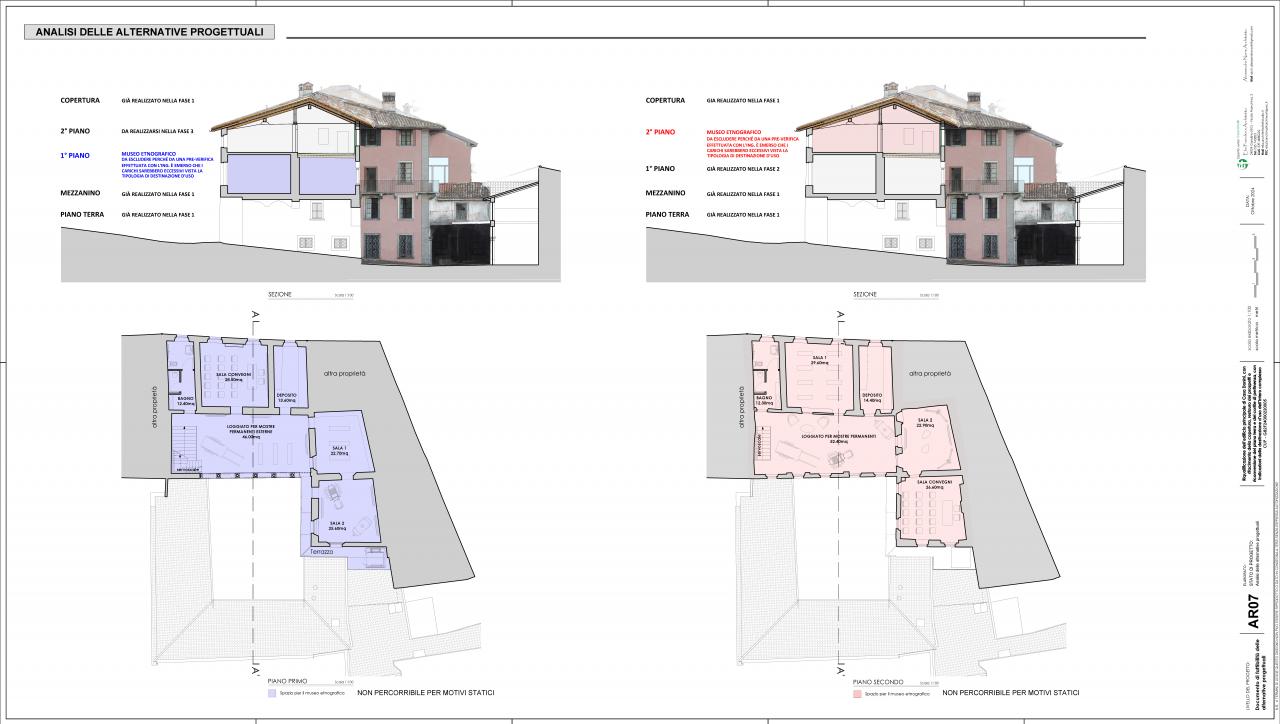
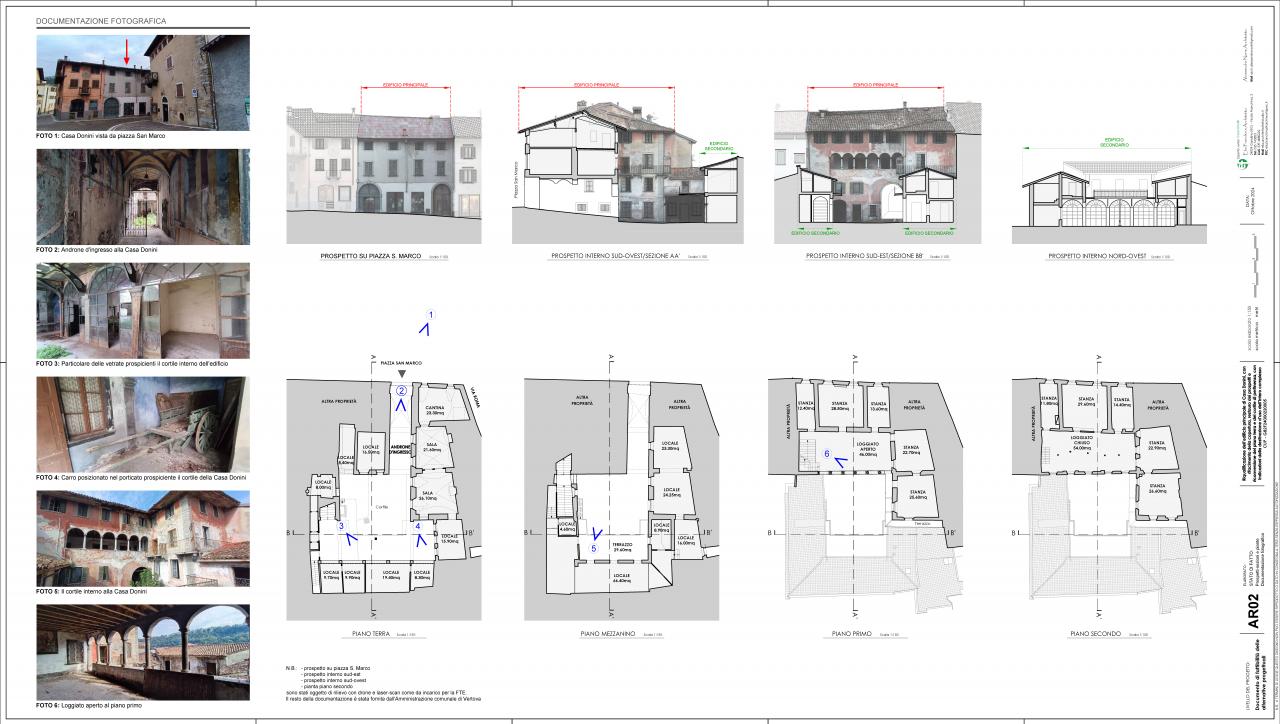
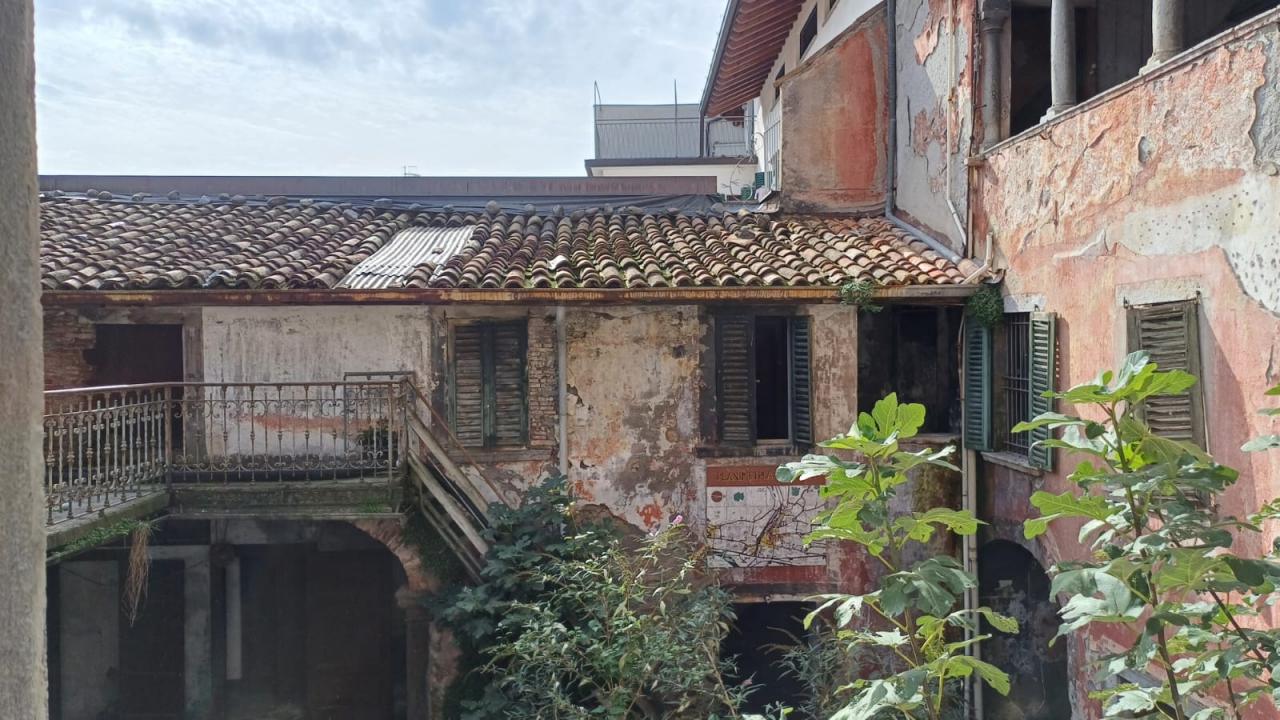
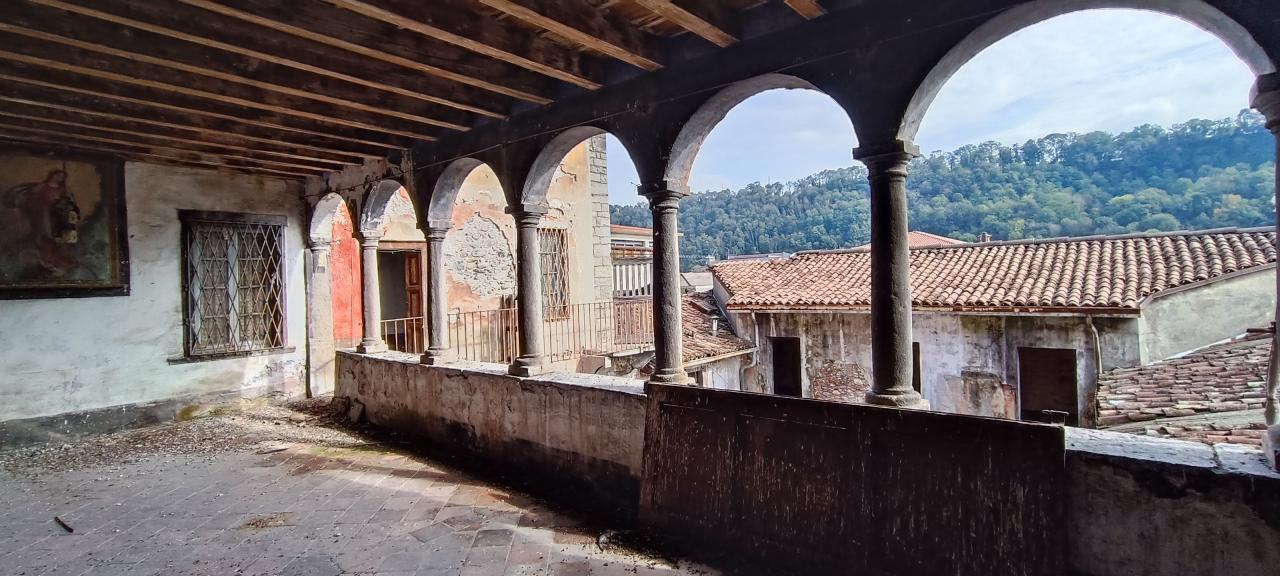
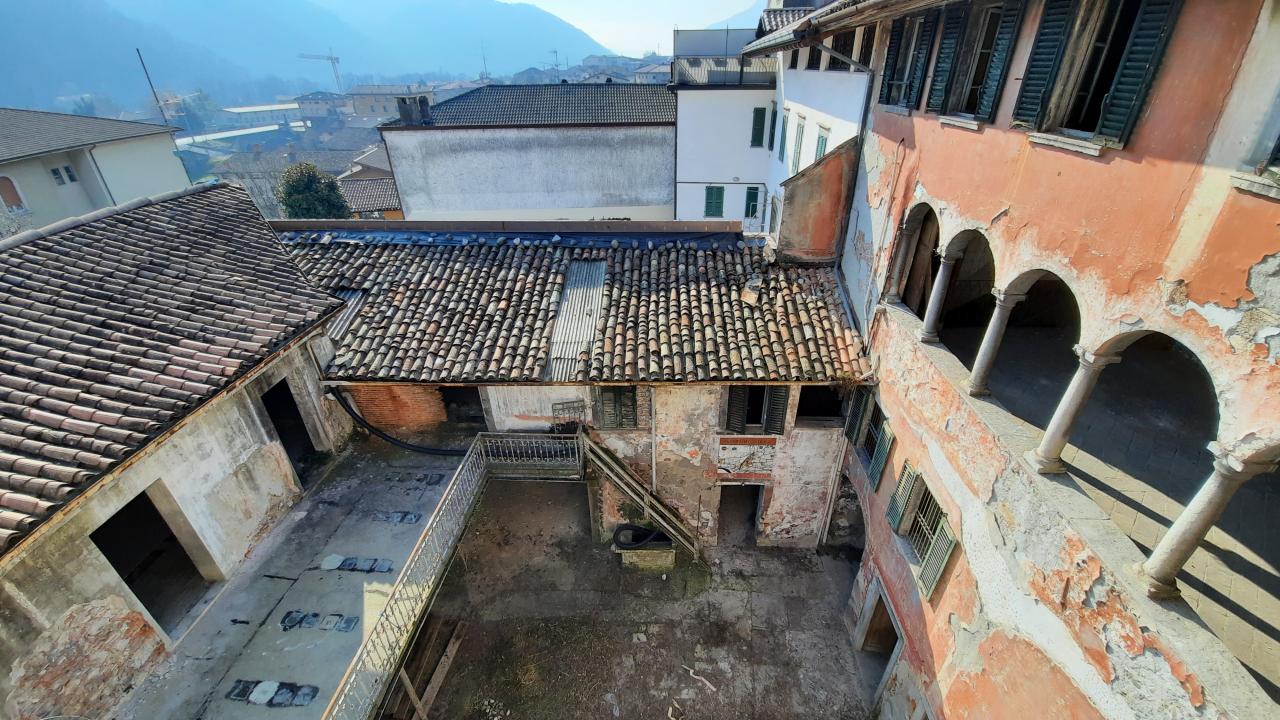
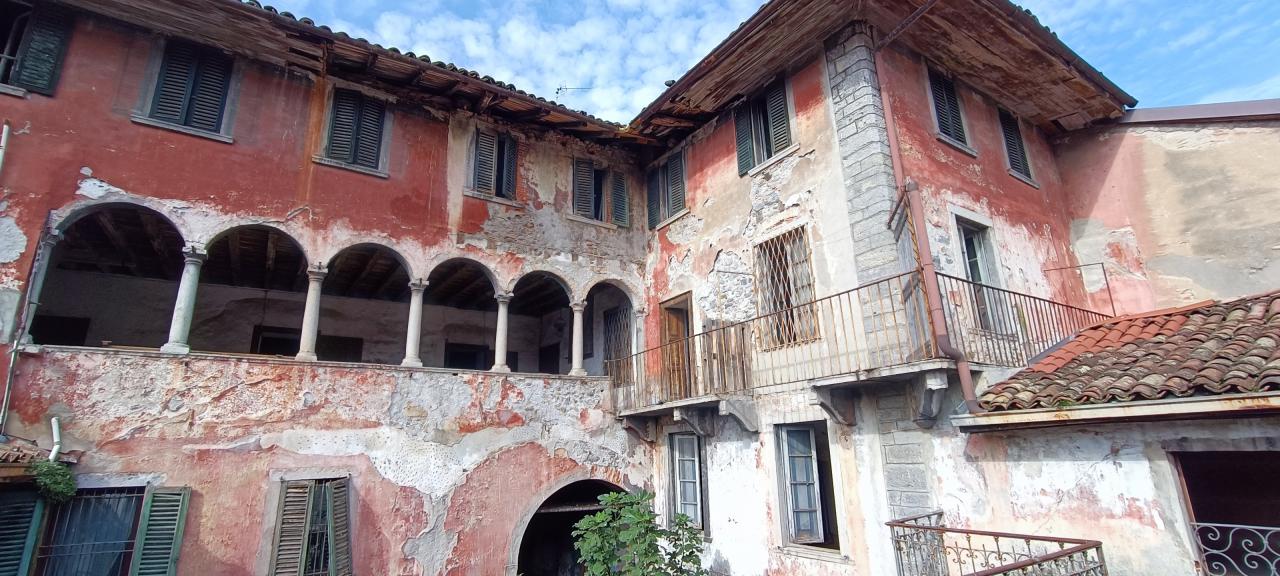
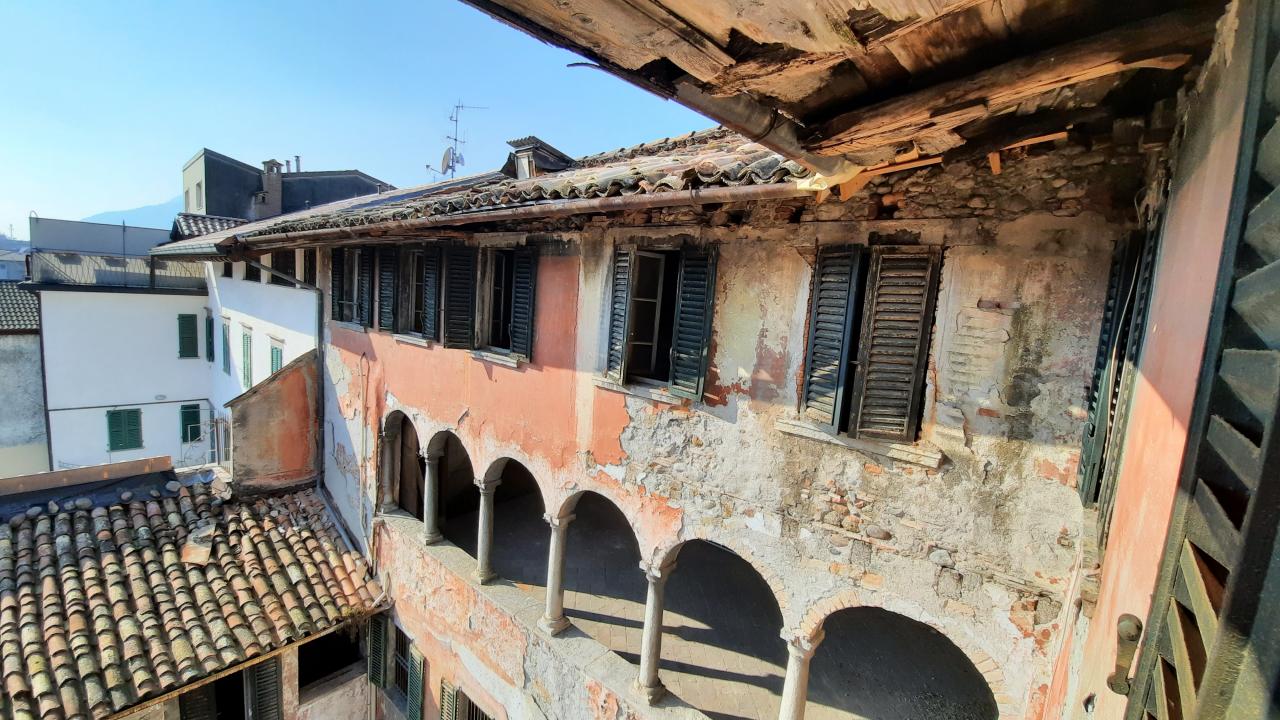
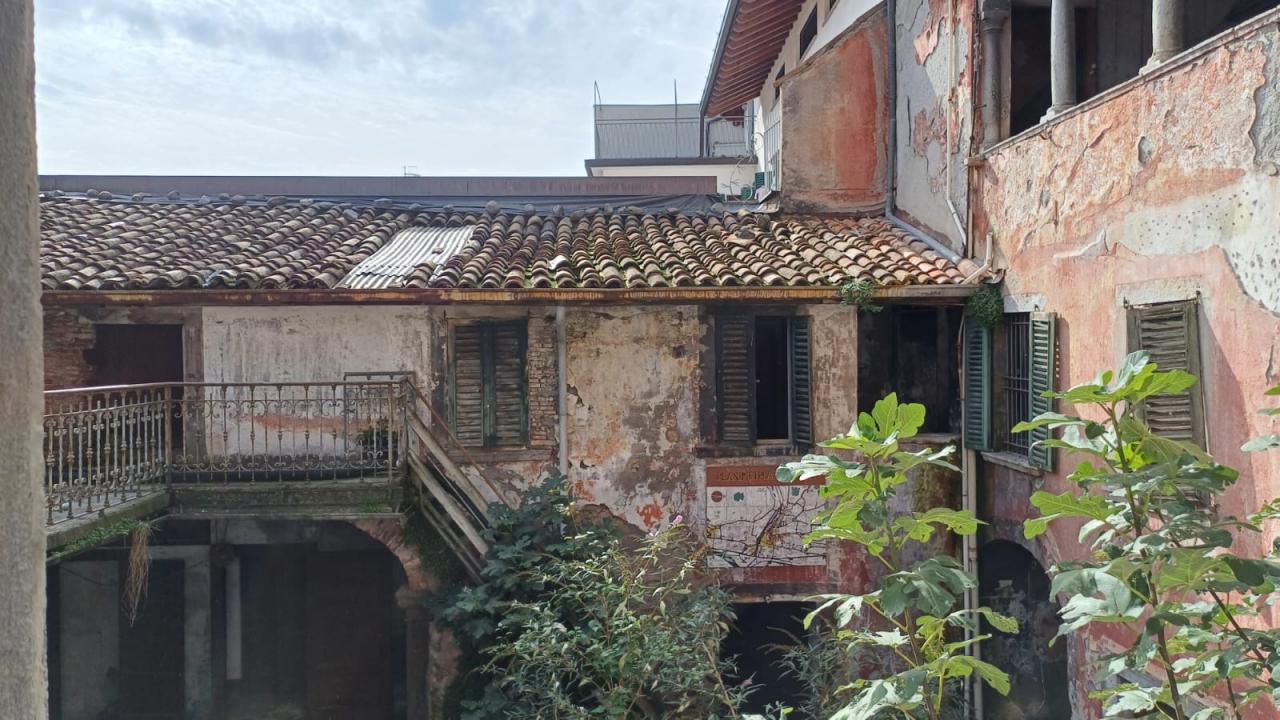
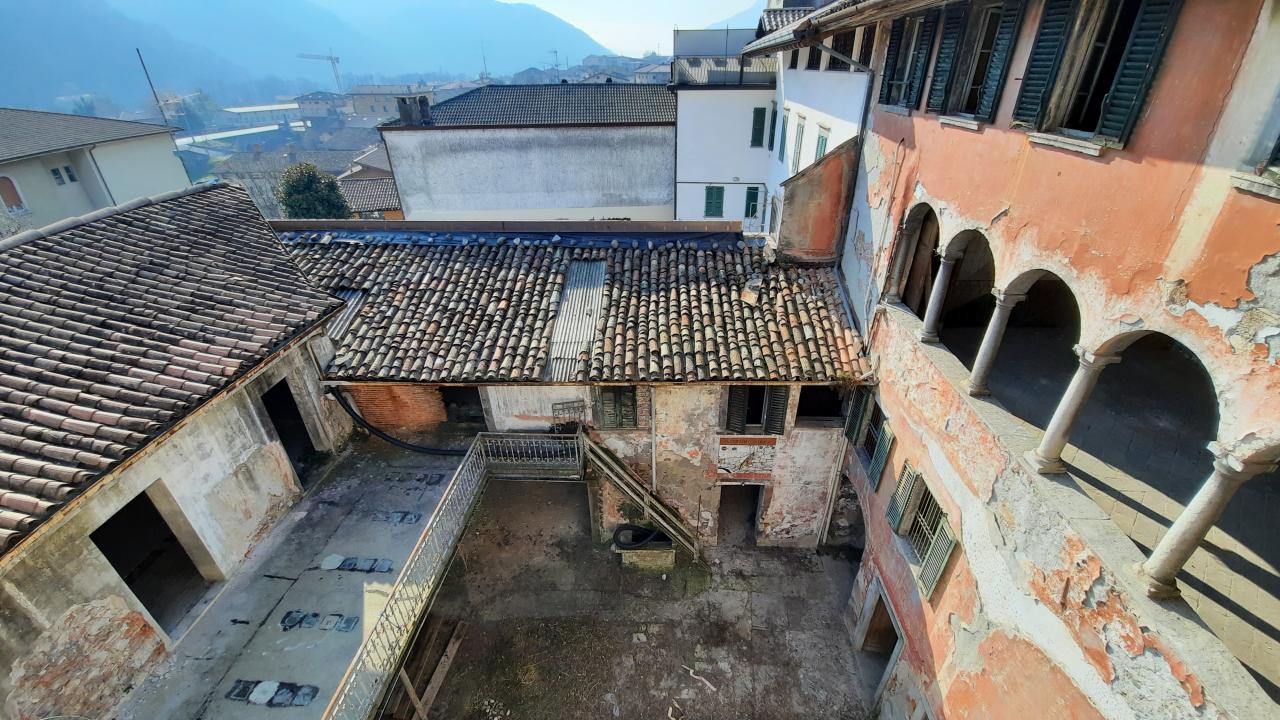
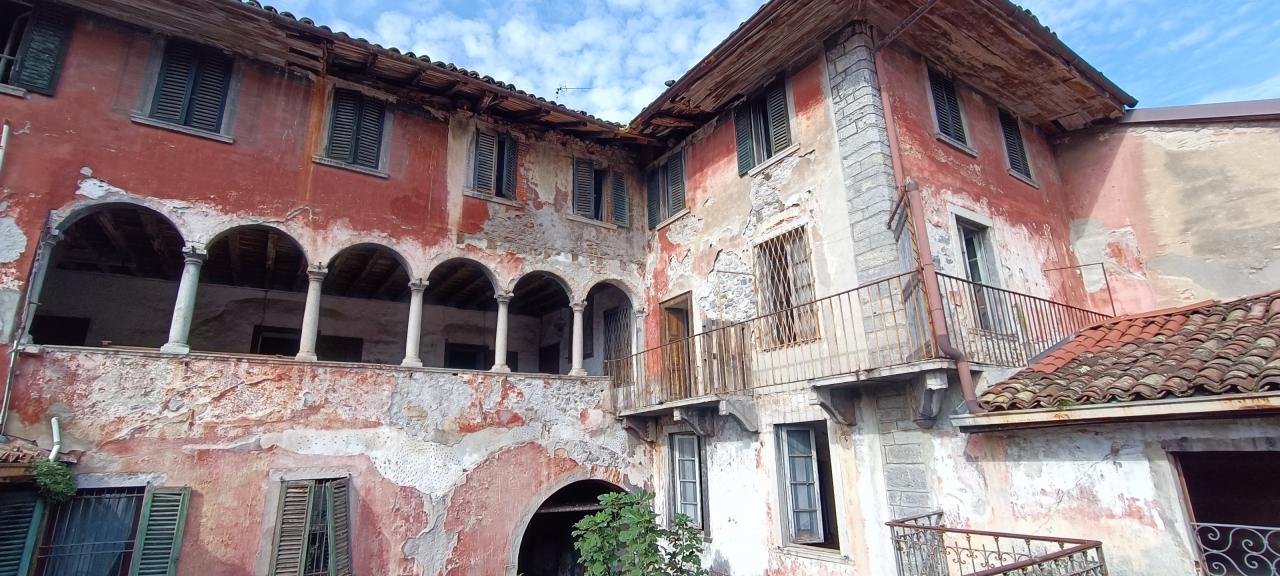
-Infrastructure & Planning Support: A study for infrastructure renovation was developed for Casa Donini in Vertova through collaboration with an architect, ensuring the project meets modern standards of accessibility and sustainability. The same approach has been adopted for the infrastructure rocovery in Ardesio (old school).
Development Phase
National Ministry of Tourism Grant Application: The project participated in a national call for applications by the Ministry of Tourism as to obtain funding for implementation, demonstrating alignment with Italy’s broader tourism development strategies. The project is currently under evaluation.
-NEB boost for small municipalities and eventually other EU funding sources: Support from the European Commission would be fundamental for the project's replicability and peer learning at the EU level, strengthening its role as a model for sustainable and inclusive tourism.
Global challenges
1 Overtourism & Sustainable Tourism Development
Global Challenge: Many popular tourist destinations suffer from overcrowding, environmental degradation, and loss of cultural authenticity.
Local Solution: The project redistributes visitor flows away from overvisited sites like Valle Vertova, promoting slow and responsible tourism that respects natural and cultural heritage.
2 Climate Change & Environmental Conservation
Global Challenge: Tourism contributes significantly to carbon emissions and resource depletion.
Local Solution: The initiative emphasizes low-impact travel and the restoration of existing infrastructure rather than new construction, reducing environmental impact.
3 Social Inclusion & Accessibility
Global Challenge: Many tourism experiences exclude people with disabilities and fail to consider marginalized groups.
Local Solution: The path will become more accessible, incorporating inclusive infrastructure, digital tools, and sensory-based immersive experiences to ensure tourism is available to all.
4 Cultural Heritage Preservation
Global Challenge: Many historical sites are abandoned or underutilized, leading to cultural erosion.
Local Solution: The initiative restores historic buildings, turning them into community and cultural hubs, preserving local traditions while creating economic opportunities.
5 Community-Led Economic Development
Global Challenge: Rural areas often suffer from economic decline and depopulation.
Local Solution: By involving local businesses, artisans, and residents, the project stimulates the local economy through sustainable tourism, job creation, and cultural revitalization.
By addressing global issues with localized, scalable solutions, the Grazie Path serves as a model for responsible tourism, social inclusion & cultural reservation that can inspire other regions.
Learning transferred to other parties
1 Participatory Planning & Community Engagement: The co-design methodology plan developed with tourism professionals (attached), including participatory mapping and SWOT analysis, ensures active local involvement. This approach can be replicated in other towns to foster community-driven tourism.
2 Adaptive Reuse of Historic Buildings: The transformation of a historic site into a cultural hub demonstrates how underutilized heritage assets can be repurposed for tourism and community benefit.
3 Sustainable Tourism & Overcrowding Mitigation: By redistributing visitors from overvisited sites to alternative routes increasing local tourism services, the initiative offers a model for slow, sustainable tourism applicable to other regions.
4 Multi-Level Governance & Funding Strategy: The project engages municipalities, parishes, businesses, and tourism operators, ensuring shared ownership. The funding approach, including the application to national and EU grants, provides a replicable strategy for securing financial support for small municipalities who usually do not have enough resources to implement such big intervetions by their own.
4 Digital & Inclusive Accessibility Solutions: The sensory-based immersive experience in Vertova can be adapted elsewhere to enhance accessibility.The accessibility-focused infrastructure offers a model for inclusive tourism routes.
Thus the project could serve as a blueprint for small municipalities aiming to revitalize cultural assets (that often seen as a burden as they require large resources to be reused) and develop responsible, inclusive tourism. This model can be beneficial for rural areas aiming to Strengthen community identity and pride, Stimulate local economies through tourism, Preserve & repurpose historic sites, Implement sustainable tourism practices, Streghten collaborative governance.
Next steps
The Grazie Path Initiative is a sustainable tourism and cultural heritage project inspired by the New European Bauhaus values. It aims to restore historic sites, enhance accessibility and promote responsible tourism while supporting local economies and preserving the rural environment.<br />
The project began with mapping territorial assets and needs by municipal representatives and conducting brainstorming sessions with local stakeholders. Subsequently a planning and feasibility studiy has been developed, focusing on the renovation of Casa Donini, a key cultural landmark that will serve as a visitor center. Partnerships with local municipalities, cultural organizations, and tourism operators were established to ensure a community-driven approach and wider projec's scope and impact. In 2025 €500,000 in co-financing was secured for Casa Donini recovery, with additional funding applications submitted to European programs, including NEB.<br />
The implementation phase will focus on restoring Casa Donini using sustainable construction practices (restricted property because it is historic), developing eco-friendly tourism infrastructure and services along the path and launching a strategic marketing campaign. Digital accessibility tools, interactive guides, and repurposed heritage accommodations will enhance visitor experiences. Local businesses and tourism operators empowerment will play a key role in the initiative’s economic sustainability.<br />
The final phase involves monitoring, evaluation, and expansion. Visitor engagement, economic impact, and environmental sustainability will be assessed to refine strategies. The project will seek further European funding to expand and replicate its model, contributing to peer-learning initiatives at the EU level.<br />
<br />
By integrating sustainability, cultural preservation, and inclusivity, the Grazie Path will serve as a model for sustainable cultural tourism in Europe, demonstrating a commitment to heritage-driven regional development.