Pressure
Basic information
Project Title
Full project title
Project Description
Current stage development
Project Region
Municipality
EU Programme or fund
Description of the project
Summary
Giovanni XXIII" factory in Montecalvo in Foglia into an educational
museum, enhancing cultural heritage, promoting local history, and
creating a multifunctional space for educational and artistic
activities. Target groups include students, local residents, tourists,
and researchers. Specific objectives involve structural renovation,
interactive educational programs, community engagement, touristic
enhancement, and sustainable accessibility. Expected outcomes include
a fully operational museum, increased cultural awareness, greater
school involvement, boosted local tourism, and the establishment of a
long-term cultural hub for future generations.
Key objectives for sustainability
on environmental, social, and cultural resilience. The project aims to
rehabilitate the former "Cooperativa Giovanni XXIII" industrial site,
transforming it into an educational museum that promotes
sustainability, circular economy principles, and community engagement.
By repurposing an existing structure, we minimize construction waste
and resource consumption while implementing energy-efficient solutions
such as renewable energy sources, high-performance insulation, and
rainwater collection systems. These strategies enhance efficiency and
reduce environmental impact, making the building a model for
sustainable retrofitting. The project also fosters a culture of
sustainability by serving as an educational hub for local schools,
researchers, and the general public, offering interactive exhibits on
environmental challenges, renewable energy, and sustainable practices.
Through workshops, conferences, and community-driven events, the
museum will encourage visitors to adopt eco-friendly behaviors while
strengthening social cohesion. Additionally, by revitalizing a disused
space, the initiative contributes to economic growth, creating job
opportunities and attracting tourism while preserving local heritage
and traditional crafts. This integration of sustainability with
cultural identity ensures long-term impact and broad community
engagement. The project stands as an exemplary model by demonstrating
best practices in energy efficiency, circular economy principles, and
cultural preservation, setting a precedent for similar projects in
both rural and urban contexts. Through its holistic approach, it
proves that sustainability can be seamlessly woven into architectural
restoration, education, and local development, making it a benchmark
for future initiatives.
Key objectives for aesthetics and quality
experience intertwine to offer visitors an environment that is
visually inspiring, emotionally engaging, and culturally enriching.
The rehabilitation of the former "Cooperativa Giovanni XXIII"
industrial site is driven by a design philosophy that balances
historical preservation with contemporary interventions, ensuring that
the architectural transformation respects the building’s past while
making it functional and inviting for modern use. The choice of
materials, colors, and spatial layouts enhances the sensory
experience, with natural lighting, warm textures, and open spaces
fostering a sense of harmony and well-being. The design prioritizes
accessibility and inclusivity, ensuring that all visitors, regardless
of mobility or sensory abilities, can fully experience the museum. The
spatial organization encourages interaction and discovery, offering
immersive installations and dynamic pathways that stimulate curiosity
and engagement. The museum’s exhibits and artistic elements evoke
positive emotions by celebrating local identity, history, and
creativity, connecting visitors with the cultural roots of the
community while projecting a forward-thinking vision. Through
thoughtfully designed spaces for contemplation, education, and social
interaction, the initiative fosters an atmosphere of inspiration and
connection, making the experience deeply personal and memorable.
Beyond the physical aspects, the project’s integration of digital and
interactive elements enhances engagement, creating a seamless blend
between tradition and innovation. By setting a new benchmark in
cultural and experiential design, this initiative serves as an
exemplary model of how architecture, aesthetics, and emotional
engagement can merge to create a meaningful and lasting impact on
visitors, encouraging a deep appreciation for both the past and the
future.
Key objectives for inclusion
ensuring that the transformation of the former "Cooperativa Giovanni
XXIII" into a museum is accessible, welcoming, and representative of
the entire community. The architectural design follows the "design for
all" approach, eliminating physical and cognitive barriers through
barrier-free pathways, ramps, elevators, and multisensory experiences
that accommodate diverse mobility and sensory needs. Clear signage,
tactile guides, and digital accessibility tools facilitate navigation,
ensuring that visitors of all abilities can engage fully with the
museum’s exhibits. Affordability is a key objective, with free or
reduced-cost entry for schools, families, and disadvantaged groups to
encourage widespread participation. Educational programs are tailored
to different audiences, including children, the elderly, and
individuals with disabilities, fostering intergenerational learning
and cultural engagement. The governance model prioritizes community
involvement, with local organizations, educators, and residents
actively contributing to the museum’s development, ensuring that
exhibitions and events reflect the identity and needs of the
territory. By transforming a former industrial site into a vibrant,
inclusive cultural hub, the initiative not only preserves local
heritage but also promotes new societal models based on accessibility,
participation, and shared decision-making. The project serves as an
exemplary case of how cultural spaces can break down barriers and
empower communities, making heritage and knowledge truly accessible to
all.
How Citizens benefit
the transformation of the former "Cooperativa Giovanni XXIII" into a
museum is shaped by the community and serves as a cultural asset for
all. From the early planning stages, local residents, educators, and
associations have been actively engaged through consultations,
workshops, and public meetings, allowing them to contribute ideas and
express their needs. This participatory approach ensures that the
museum’s themes, exhibitions, and activities reflect the identity and
history of the area while addressing contemporary cultural and
educational interests. Schools and local organizations will play a key
role in shaping educational programs, making the museum a dynamic
learning space tailored to different age groups and social
backgrounds. Civil society groups will be involved in co-curating
exhibitions, organizing events, and developing outreach initiatives
that extend the museum’s impact beyond its physical space. The project
also stimulates local economic and social development by creating job
opportunities, supporting artisans and cultural practitioners, and
attracting tourism. This ongoing dialogue between the museum and the
community fosters a sense of ownership and belonging, ensuring that
the space remains vibrant and relevant. The impact of this involvement
is a museum that is not just a place of passive observation but an
active hub for knowledge exchange, cultural innovation, and community
empowerment. By embedding participation into its governance and daily
operations, the initiative becomes an exemplary model of cultural
co-creation, proving that heritage preservation and contemporary
social engagement can go hand in hand.
Innovative character
role of cultural spaces by integrating sustainability, accessibility,
and community participation into a single, cohesive model. Unlike
mainstream museum projects that often focus solely on historical
preservation or exhibition curation, this initiative transforms a
former industrial site into a multifunctional and interactive cultural
hub. The design goes beyond conventional restoration, incorporating
cutting-edge sustainable technologies such as energy-efficient
systems, rainwater collection, and renewable energy sources, making it
a benchmark for eco-friendly cultural spaces. Accessibility is
reimagined through a "design for all" approach, ensuring that
physical, cognitive, and economic barriers are eliminated. Instead of
traditional static exhibitions, the museum embraces a dynamic and
participatory model, using digital tools, immersive installations, and
co-created content that evolves with community input. Governance is
another key innovation, shifting from a top-down management structure
to an inclusive decision-making process where local residents,
educators, and organizations actively shape programming and content.
The initiative also introduces new economic and social models,
positioning the museum as a driver of local development by creating
job opportunities, fostering tourism, and supporting local artisans
and cultural practitioners. Unlike many cultural projects that remain
isolated from their surroundings, this initiative is deeply embedded
in the local context while maintaining strong regional, national, and
European connections. Through this forward-thinking approach, the
project becomes more than a museum—it is a living, evolving space that
challenges traditional practices and sets a new standard for
sustainable, inclusive, and community-driven cultural initiatives.
Disciplines/knowledge reflected
ensuring a holistic and innovative approach to its design and
implementation. Architecture and heritage conservation guide the
restoration of the former "Cooperativa Giovanni XXIII," balancing
historical preservation with contemporary functionality.
Sustainability and environmental engineering contribute to energy
efficiency, the use of renewable resources, and accessibility
solutions that minimize the building’s ecological impact. Museum
studies and education shape the content and structure of exhibitions,
ensuring interactive and inclusive learning experiences tailored to
diverse audiences. Social sciences and community engagement play a key
role in participatory design processes, incorporating input from
residents, educators, and cultural organizations. Economic and tourism
development expertise supports the project’s long-term viability by
fostering local entrepreneurship, attracting visitors, and
strengthening cultural networks. Representatives from these fields
have collaborated through interdisciplinary workshops, joint planning
sessions, and public consultations, ensuring that the museum is not
only a cultural space but also a socially and environmentally
sustainable model. This exchange of expertise has enriched the
project, allowing for a more inclusive, efficient, and innovative
outcome, where different perspectives contribute to a shared vision
that serves both the local community and broader cultural initiatives.
Methodology used
How stakeholders are engaged
ensuring a collaborative approach throughout its design and
implementation. At the local level, the Municipality of Montecalvo in
Foglia coordinates efforts, engaging residents, schools, cultural
associations, and local businesses through consultations and
participatory workshops that shape the museum’s themes, educational
programs, and community outreach. Among the involved associations
there are: Legambiente Pesaro “il Ragusello”, Pro Loco Montecalvo in
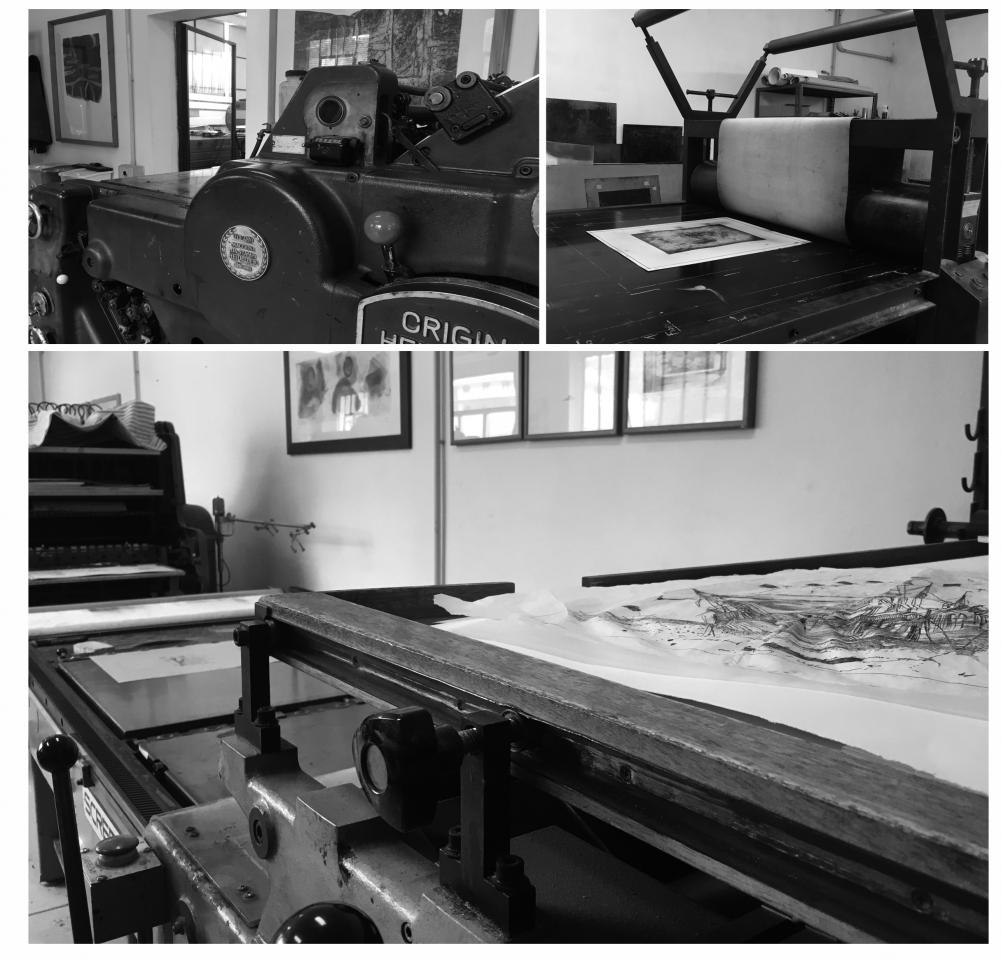
Foglia, Associazione Stampatori Montecalvo in Foglia, Salicevivo:
Associazione culturale per l’arte dell’intreccio, Associazione
Montefeltro adventure bike & walk a.s.d., Cooperativa sociale
Labirinto. Among the stakeholders we have also the local school:
I.C.S. Anna Frank. At the regional level, partnerships with
institutions and heritage organizations provide technical support,
funding opportunities, and expertise in sustainable restoration and
cultural management. Nationally, the initiative aligns with Italy’s
cultural preservation and social inclusion policies, benefiting from
government grants and strategic collaborations. On February 12, 2025,
an assembly will be held in relation to the project’s application for
the "New Boost for Small Municipalities" prize, bringing together key
stakeholders to discuss the initiative’s impact and future
developments.
Global challenges
Learning transferred to other parties
Next steps
he initiative's further development follows the New European Bauhaus<br />
(NEB) values, ensuring sustainability, inclusion, and aesthetic<br />
quality. Planned activities focus on completing the restoration of the<br />
former "Cooperativa Giovanni XXIII," integrating sustainable<br />
technologies like energy-efficient systems, circular economy<br />
solutions, and digital accessibility tools. Community engagement<br />
remains central, with participatory workshops, educational programs,<br />
and collaborations with schools, cultural associations, and research<br />
centers shaping the museum’s content.<br />
<br />
Future steps enhance accessibility through universal design,<br />
multisensory experiences, and subsidized entry for disadvantaged<br />
groups. The initiative already applies NEB principles by fostering<br />
transdisciplinary collaboration among architects, educators,<br />
environmental experts, and local stakeholders. Moving forward, it will<br />
integrate artistic interventions, digital storytelling, and<br />
interactive installations to enrich visitor experiences.<br />
<br />
Key next steps include finalizing architectural interventions with a<br />
sustainability-first approach, securing additional funding, and<br />
launching a cultural program co-created with the community. The<br />
initiative aims to serve as a replicable model, demonstrating how<br />
cultural heritage can be transformed into an inclusive, sustainable,<br />
and aesthetically engaging space in full alignment with NEB<br />
principles.<br />