CASTELNOVO NE MONTI - CITY OF STUDIES
Basic information
Project Title
Full project title
Project Description
Current stage development
Project Region
Municipality
EU Programme or fund
Description of the project
Summary
Key objectives for sustainability
Energy efficiency: the building has recently been the subject of a complete redefinition in terms of its thermal efficiency, concerning the building envelope and its heating system. Along with the energy requalification works, a series of structural interventions were carried out: new solenoid valves and new thermostats; a photovoltaic system with panels placed on the roof on the southern slope.
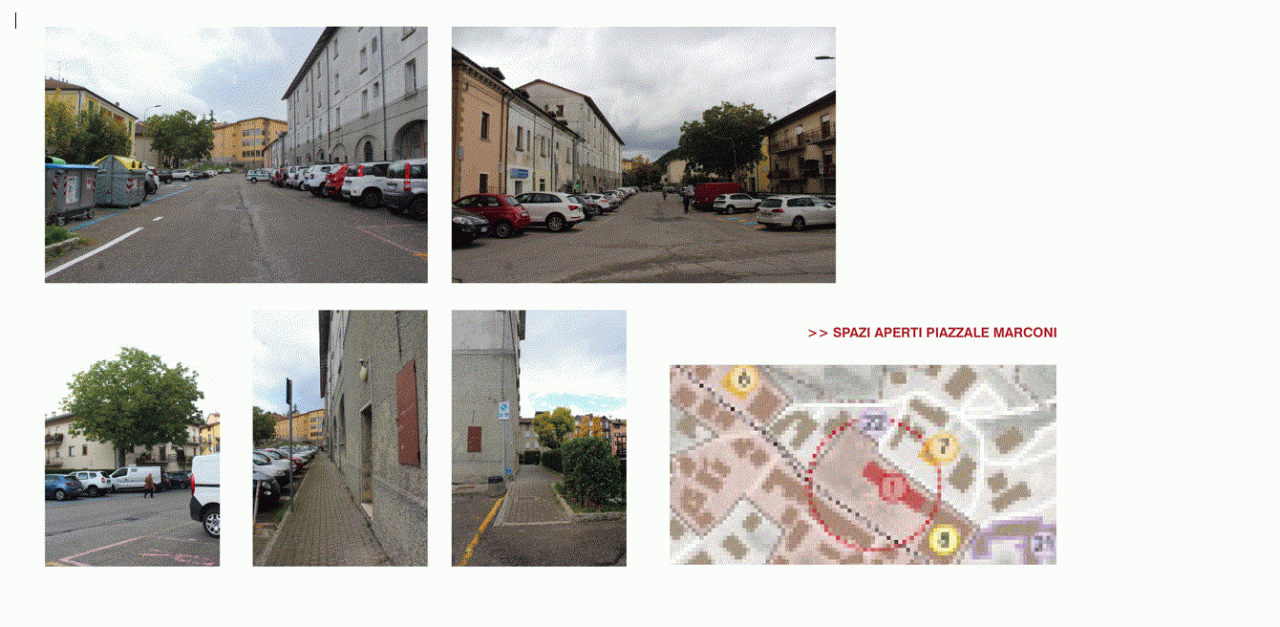
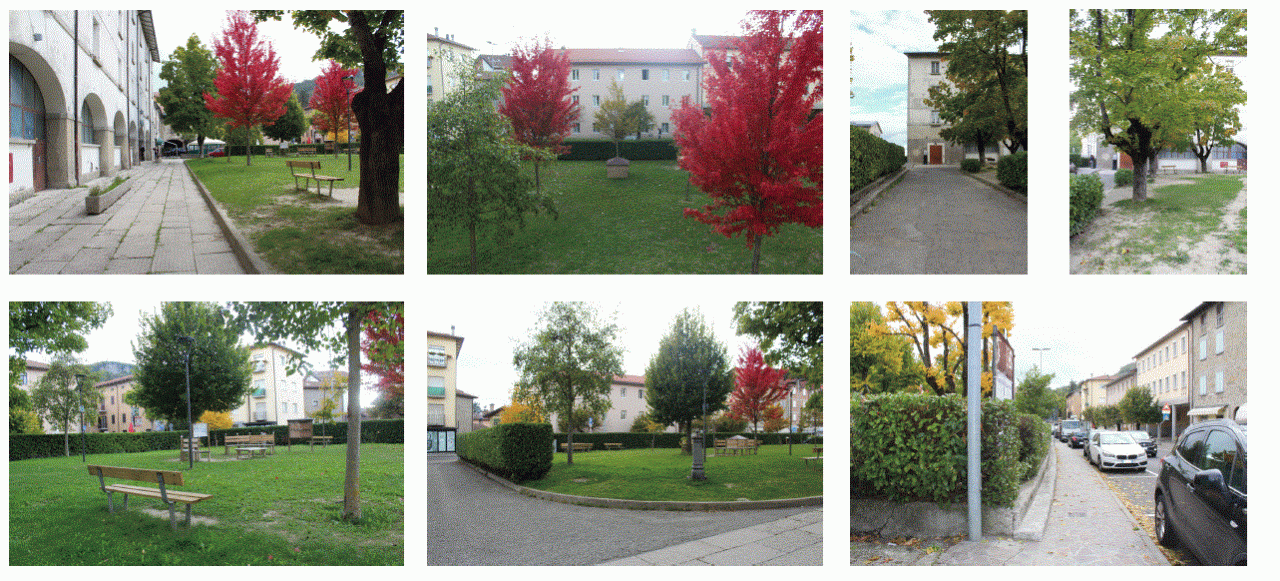
Green solutions: the design of the green space in front of the building keeps almost all the trees already existing. Regarding the lateral flowerbeds, they will be reseeded with lawn, and, on the eastern flowerbed, rows of shrubs will be arranged (lavender, rosemary, cotoneaster, or similar), selected among the local vegetation types.
Blue solutions: a system of collection of rainwater is planned, including that of the building, with the recovery of the water in special underground tanks (also for their reuse for irrigation) and dispersion wells to improve the difficult situation of the flow rate of the sewer system.
Key objectives for aesthetics and quality
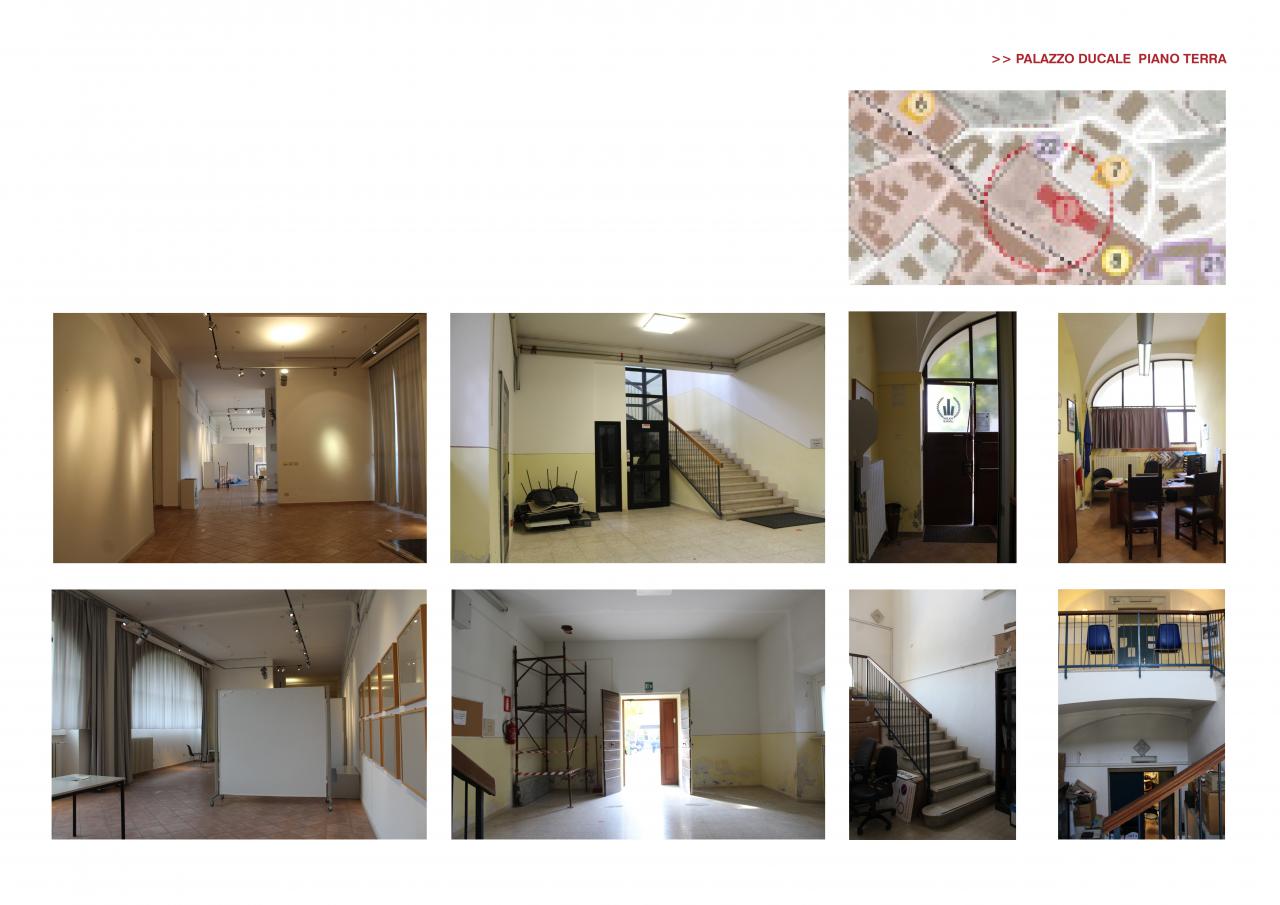
As for the enhancement of the internal spaces, it is proposed the use of modular equipped walls, communicating on two fronts, for a flexible use. Through vertical and horizontal glass sections, the vaulted system is visible on the ground and first floors and, at all levels, the benefit of a greater supply of natural light while guaranteeing the privacy of the various offices.
The renovated spaces will improve the accessibility and quality of the services offered, thanks to innovative co-designed social and cultural approach. Inside the renovated floors, there will be services for families and young people, the employment center, a post degree VET centre for specialised technicians on sustainability topics.
A special attention is given to the local culture heritage and new creativity. The existing Monumento alla Donna Partigiana (Monument to the Partisan Woman) by the local sculptor Giorgio Benevelli, will be placed in the green area outside the Palazzo. A competition will be launched for the creation of a new art work to be placed at the entrance of the building, in the welcoming area of the ground floor.
Through this intervention, the original setting of Palazzo Ducale as a welcoming, permeable place, in the relationship between internal space, square and street will be expressed by the Info point services for citizens and the Civic Atelier Space for art exhibitions, seminars and public meetings on the ground floor, and the rearrangement of the external space connected to them.
Key objectives for inclusion
The access to the services available in the building are facilitated by a Info point on the ground floor, open to citizens who need information and support. The ground floor hosts a space dedicated to art exhibitions, seminars and public meetings, easy to access also due to the renovation plan of the outdoor green space, which connects the building with the street, making the building an open and accessible place for all. With special attention to people with physical disabilities, the access to the other floors services will be supported by two elevators
The project will represent on the one hand the outcome of a long process of participation of the local community on the issues of urban regeneration, on the other a new starting point for the involvement and activation of new entities that can offer innovative services to the population.
How Citizens benefit
“Community Maps” have been developed, with the aim of starting a process of urban redevelopment-regeneration of the existing historical building and public spaces, to strengthen the identity of the community and improve the quality of life. The results of the “Community Maps” (which expressed the identity representation of places, needs and desires regarding their use) led in 2017 to the establishment of the Civic Forum, which involved about 100 citizens, with the aim of collecting ideas and proposals for the elaboration of a Programmatic Document of the Council on Urban Regeneration. In the latter, the strategic objectives for regeneration were defined and the priority themes and specific objectives were identified, to implement actions and planning interventions.
This experience has been further validated within the 2021 urban regeneration regional programme within which the Region decided to experiment with innovative practices of citizen participation and also within 2021/27 Mountain and inner areas territorial strategy (STAMI) of Emilia Romagna. The participatory process in high schools involved also an association specialised in involving young people through non-formal education methods and was carried out under the methodological supervision of OECD experts. Some of the spaces and services developed will be then managed by local associations selected through public calls with a self-governance approach.
Innovative character
Disciplines/knowledge reflected
The project is developed with a transdisciplinary approach involving in both technical and scientific disciplines and cultural policy interventions together with informal and non formal methodologies, bringing together architects, engineers, urbanists, technical workers, cultural managers, methodologists, civic associations, volunteers, schools and young people.
A participatory process was started to identify challenges and areas of intervention: in this phase the Municipality worked with urbanist and regeneration experts, facilitators and representatives of the civil society, by linking population expressed needs with possible technical solutions, provided by architects, engineers and urbanists, as for the infrastructure part, in dialogue with culture and education representatives, with the supervision of the Municipality. The plan was funded by a mix of national, regional and municipality funds.
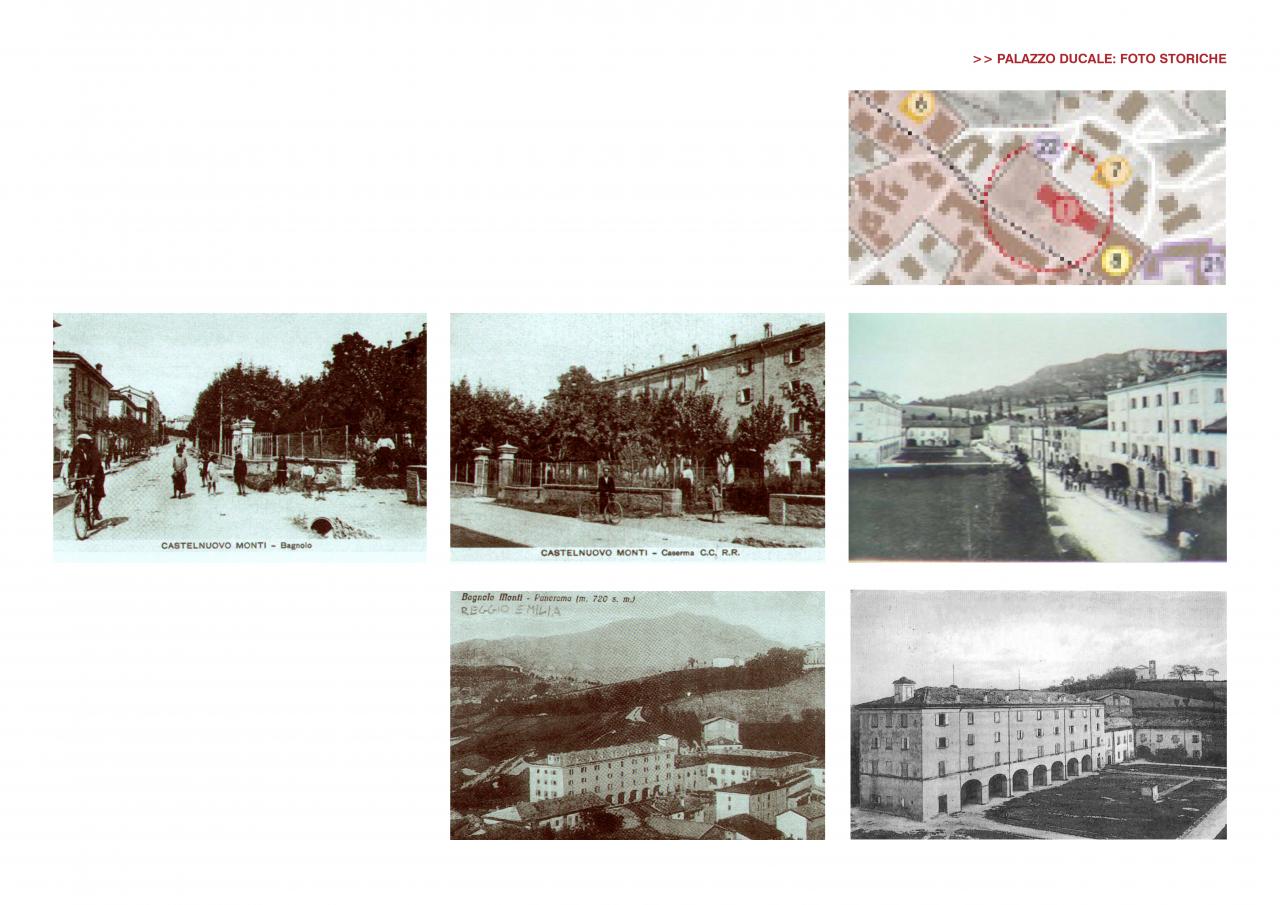
The design of the Palazzo Ducale renovation was developed by combining energy and water efficiency solutions, redesign of internal spaces while preserving and emphasising the original structure in terms of aesthetics and functionality, including the historical monument as part of the green space outside with local plants species and ramps that facilitate the accessibility of the building, in connection with the main street.
Methodology used
How stakeholders are engaged
Other local authorities. At the same time associations have been invited to participate in the co-design for the assignment of cultural and educational interventions and activities for youth leadership. Other subjects involved: The Employment Center, The Center for Families of the Appennino Reggiano Mountain Union, The Mountain Union of the Municipalities of the Appennino Reggiano.
Furthermore Castelnovo ne’ Monti municipality is one of the ten municipalities of the “Appennino Reggiano” inner area and for this reason it benefits from national and regional extraordinary funds which support territorial development strategy.
Regional level. The renovation of the Palazzo Ducale was supported both by regional funds of the Urban Regeneration call in 2020 and by funds of the regional strategy for the mountain and inner areas of Emilia Romagna (STAMI) Programme 2021/27.
National. The funds used by the Emilia Romagna region to finance the STAMI are of different sources (European, national, regional). Palazzo Ducale benefits from national funds for development and cohesion.
Global challenges
Climate change: The project addresses this problem through a sustainable approach to restoration, which includes energy efficiency of the building (environmentally friendly materials, advanced insulation systems, energy saving technologies), recovery and reuse of historical materials (reducing the environmental impact and respecting the original architectural characteristics), sustainable management of water resources, with rainwater collection and reuse systems.
Depopulation and economic decline of inner areas. The project addresses this problem by creating new job opportunities and attractiveness for the area. The use of part of the spaces for co-working and co-studing, artisan workshops and cultural businesses encourages the birth of new economic activities and start-up. The involvement of university, schools, researchers and cultural professionals encourages the repopulation and vitality of the area.Thanks to these strategies, the Palace becomes a pole of attraction for new generations and a point of reference for the relaunch of the Reggio Emilia Apennines.
Protection of cultural heritage. The project provides a solution through a participatory management model, which involves the local community in the care and use of spaces, new functions for Palazzo Ducale (which transform it into a cultural and multifunctional centre, open to exhibitions, events and educational initiatives).
The increase in social inequalities. The project addresses this problem by promoting accessibility and inclusion.The spaces are designed to be accessible to all, with paths free of architectural barriers.Educational and training activities are planned for young people, students and vulnerable categories, encouraging the transmission of knowledge and skills.The creation of public areas and meeting spaces promotes social cohesion, strengthening the community's sense of belonging.
Learning transferred to other parties
Participatory planning methodology and community involvement: One of the most transferable aspects of the project is the model of involvement of the local community in the definition and implementation of interventions throughout the community maps. This process creates a sense of belonging and shared responsibility, improving the acceptance and effectiveness of the project.
Governance and management models. The project is not just a building intervention, but represents a replicable model of economic and social development: the creation of co-working spaces and laboratories for cultural and creative businesses will encourage the settlement of professionals and innovative start-ups in peripheral contexts such as the Apennines. The involvement of schools, universities and research institutes for educational activities, internships and training projects will contribute to the growth of local skills as well as ensuring the collaboration of a plurality of different subjects all connected to young citizens.
Furthermore the project produced a series of useful learnings for future interventions, including: The importance of a multidisciplinary approach (which combines architectural, social and economic skills); the need for a long-term management plan (which guarantees the sustainability of the project); the value of design flexibility (to adapt solutions to the emerging needs of the community).
Next steps
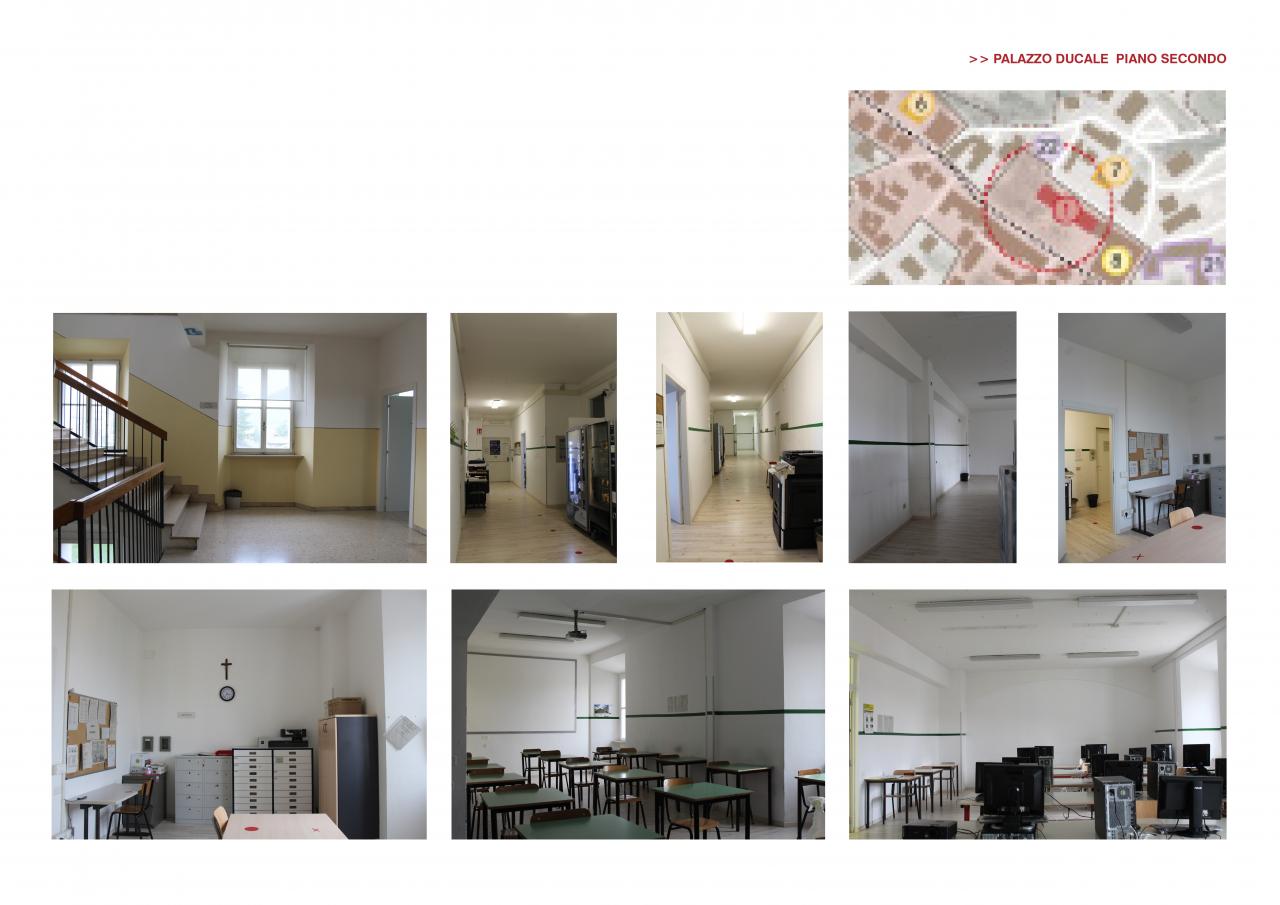
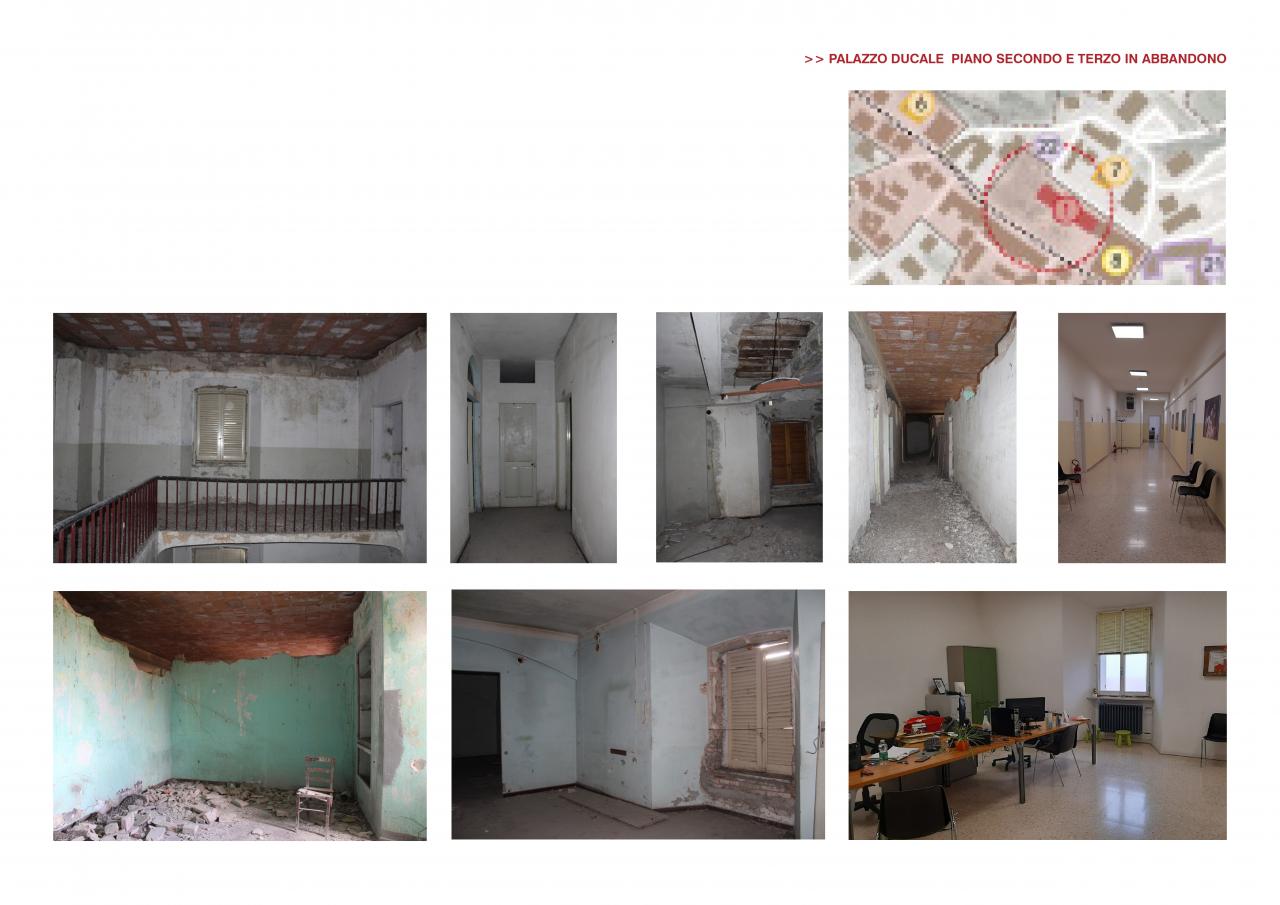
In the regeneration process of the Palazzo Ducale, the initial phase of involvement and co-planning with the community and the first part of the architectural works on the building have been completed. In 2025 and 2026 the architectural works will be completed which will lead to the redevelopment of all three floors of the building and the nearby green areas. In 2025, the third sector association that will manage the management of the spaces is expected to be identified through a public call. In 2027 Palazzo Ducale will be the new social hub of Castelnovo ne' Monti and will work in synergy with the other 9 hubs of the Reggio Emilia Apennines to organize a new cultural and social offer, especially aimed at young people, but also at families and the entire mountain community. The values of the NEB have always been on the basis of this project: involvement of civil society through the co-design project and the shared management of the spaces, inclusion and solidarity, both through a restructuring attentive to “access for all” and through the services that will be implemented inside, attention to sustainability through a renovation based on principles of ecology and renewable energy.<br />