Case Accoglienti | Welcoming Homes
Basic information
Project Title
Project Description
Current stage development
Project Region
Municipality
EU Programme or fund
Description of the project
Summary
Key activities include context research and analysis with stakeholder mapping and engagement, mapping vacant properties and assessing their condition using QGis and QField, identifying available properties through a public call to owners, and carrying out a participatory process to gather community input on regeneration, which will be summarized in the “Case Accoglienti Manifesto” and in a regeneration strategic plan for the Ardauli administration. At least one pilot action will be implemented, with the restoration of the first “Casa Accogliente” as a demonstration of repurposing vacant homes and building trust in the town's transformation.
Expected results include the creation of a QGis database of abandoned properties (ongoing), a participatory design process with at least three meetings to define a reuse strategy (achieved), and the light restoration of the first “Casa Accogliente,” which will become an intergenerational community hub and tourist information office.
Key objectives for sustainability
With the light restoration of the first "Casa Accogliente," the project demonstrates how abandoned properties can be regenerated to serve community needs, reducing material waste and promoting energy efficiency. Sustainable building practices, alongside using local materials, further contribute to this goal, ensuring that the regeneration process remains ecologically responsible.
Throughout the project, low-impact practices will be implemented to reduce its ecological footprint, including minimizing the use of printed materials in favor of digital and recycled resources. Additionally, the initiative will offset its carbon emissions by planting trees and creating new green spaces within Ardauli. These measures help mitigate the project’s environmental impact enhance the town's landscape, and support local biodiversity.
The adaptive reuse approach taken in this initiative exemplifies how sustainable urban regeneration can breathe new life into communities. By repurposing vacant properties, the project fosters a sense of belonging and continuity, reinforcing the town's heritage while promoting long-term ecological resilience. This transformation underscores the importance of sustainable urban regeneration in preserving resources, reducing waste, and creating a harmonious relationship between people and the environment.
Key objectives for aesthetics and quality
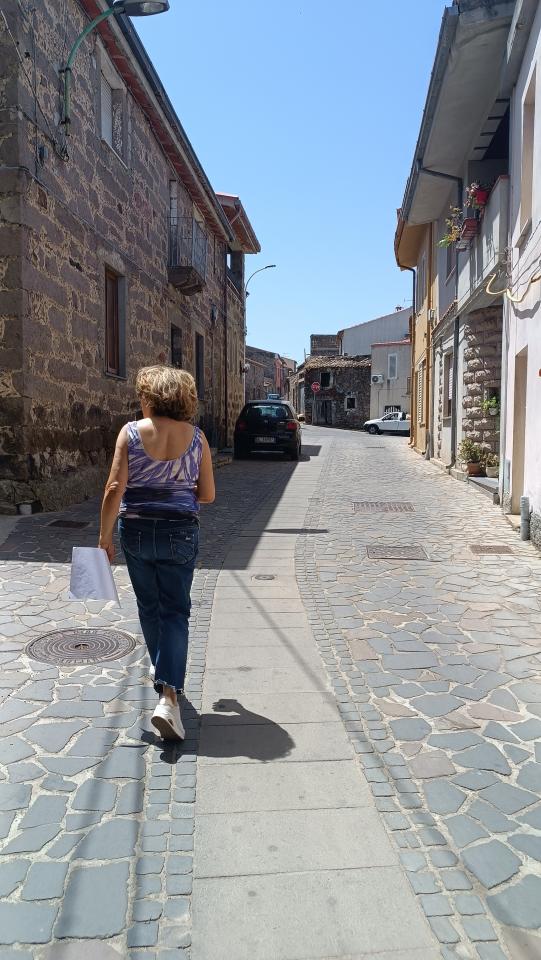
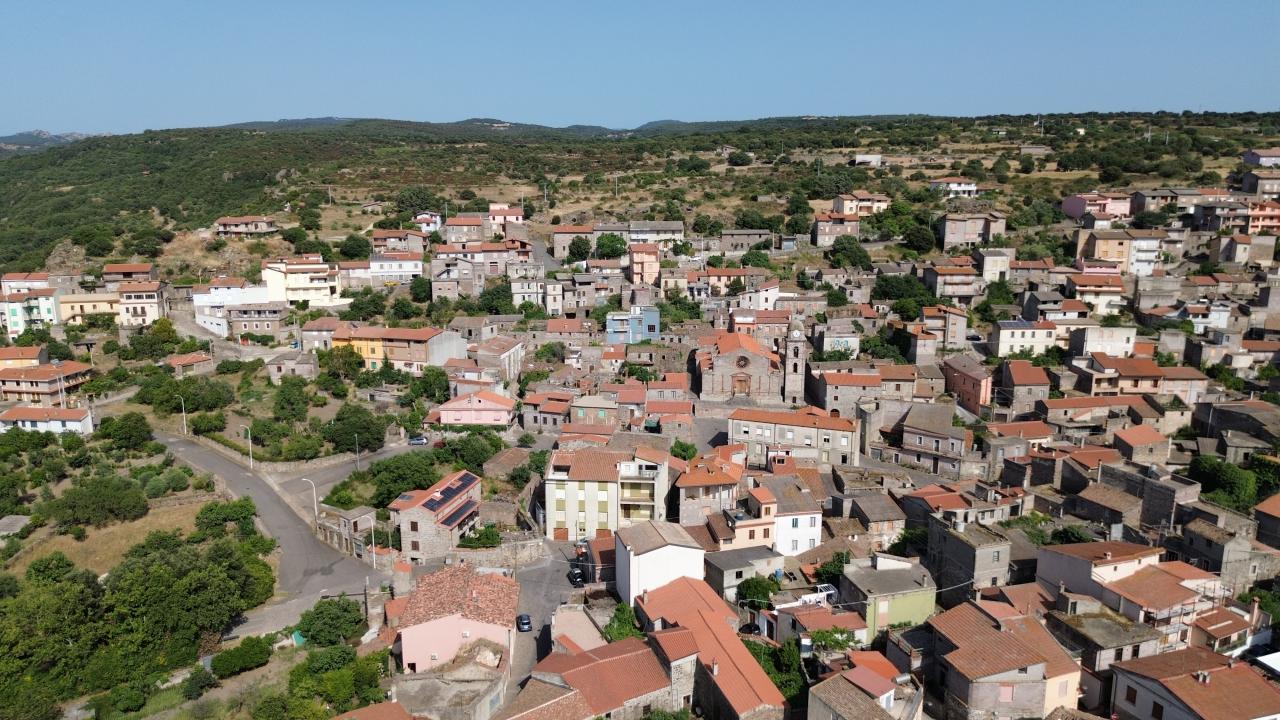
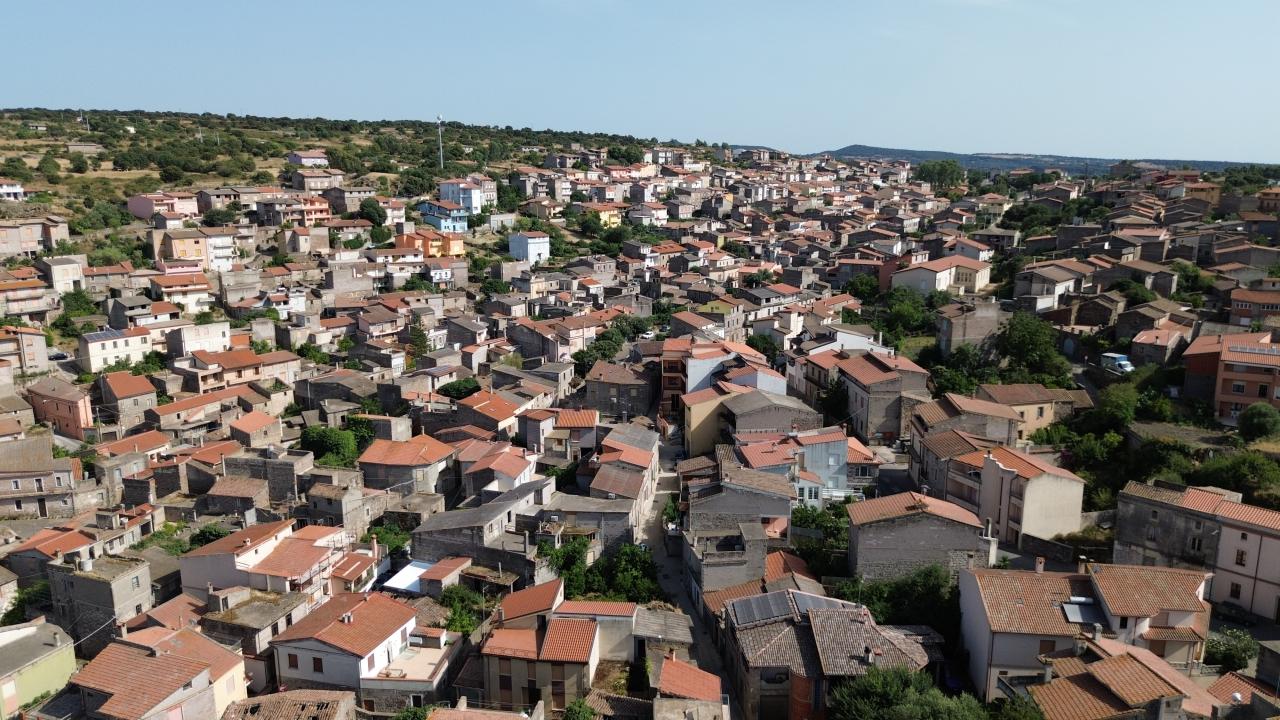
A key goal is to engage the people of Ardauli in transforming vacant properties into welcoming spaces that celebrate and share the town’s architectural legacy, including Aragonese portals, finely crafted pink trachyte stone facades, and traditional Sardinian building techniques. The first identified "Casa Accogliente" is located in the town’s oldest district, near the main church. Its light restoration will preserve the distinctive features of the building while incorporating contemporary design elements that enhance both functionality and aesthetic appeal. Carefully integrating spatial design, natural materials, and local craftsmanship will create a beautiful and meaningful space that reflects the community's values.
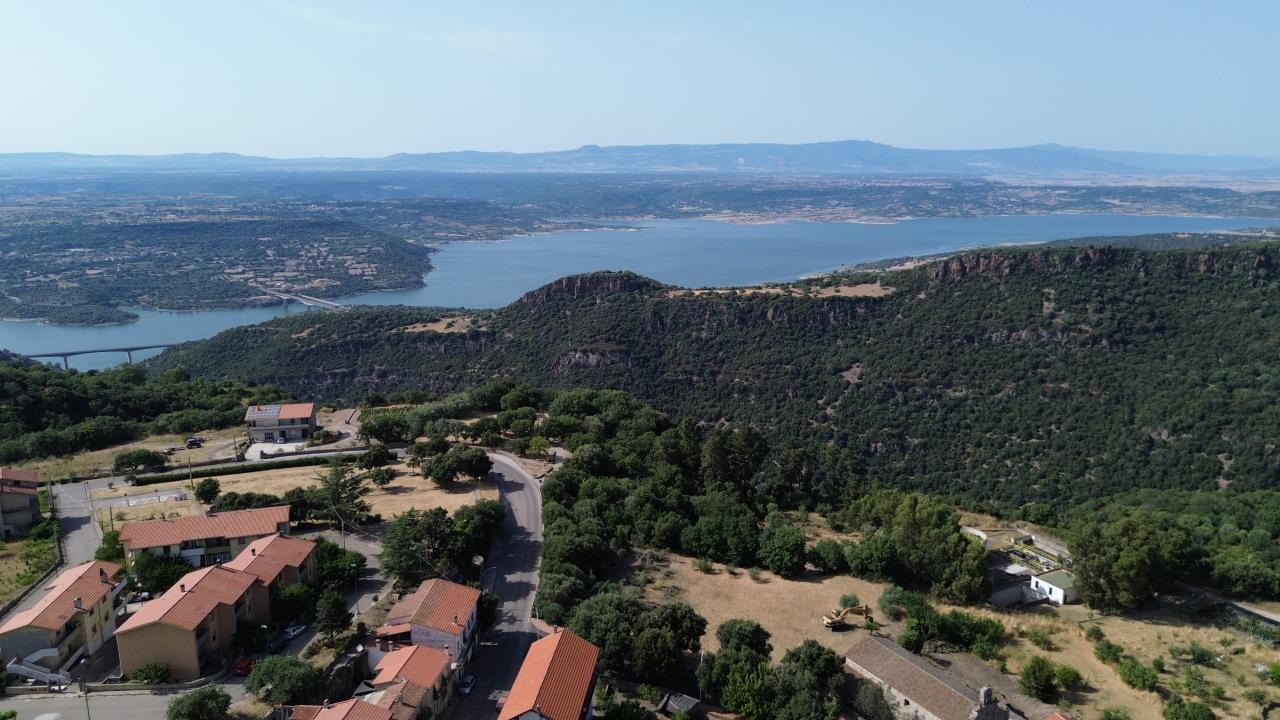
This initiative also strengthens the emotional and cultural connection of the Ardaulese community to its environment. The historic buildings in Ardauli are not just structures; they are links to family histories and local traditions, carrying a sense of collective identity. The first "Casa Accogliente" will also serve as an information point for tourists, directing them to the region’s cultural and natural attractions. This dual function ensures the space benefits both residents and visitors, deepening appreciation for Ardauli’s heritage, local craftsmanship, and surrounding landscape. By co-designing the repurposing of Ardauli’s built environment while honoring its architectural legacy, "Case Accoglienti | Reviving Ardauli" demonstrates how small towns can set a model of participatory design that transforms spaces, strengthen community bonds, and foster a sense of shared responsibility in preserving cultural identity.
Key objectives for inclusion
A key objective of the project is to include a broad range of voices in the co-design process, which has already been achieved. In fact, through participatory workshops, online engagement, and direct involvement of property owners, decision-making was ensured at this time to be accessible and representative. The project also aims to consolidate community ties by transforming abandoned properties into multifunctional spaces that respond to collective needs, strengthening local associations and informal gathering opportunities while promoting shared responsibility in urban regeneration. Therefore, the first "Casa Accogliente" will serve as an intergenerational hub and a tourist office, welcoming different age groups and social backgrounds and reinforcing cohesion and exchange between locals and visitors. In the restoration of the first Casa Accogliente accessibility criteria - both standard and locally set - will be considered to make it accessible to any kind of people.
By including diverse perspectives, consolidating social networks, and transforming governance through participatory design, “Case Accoglienti | Reviving Ardauli” creates a model that can be easily replicated in other small municipalities.
How Citizens benefit
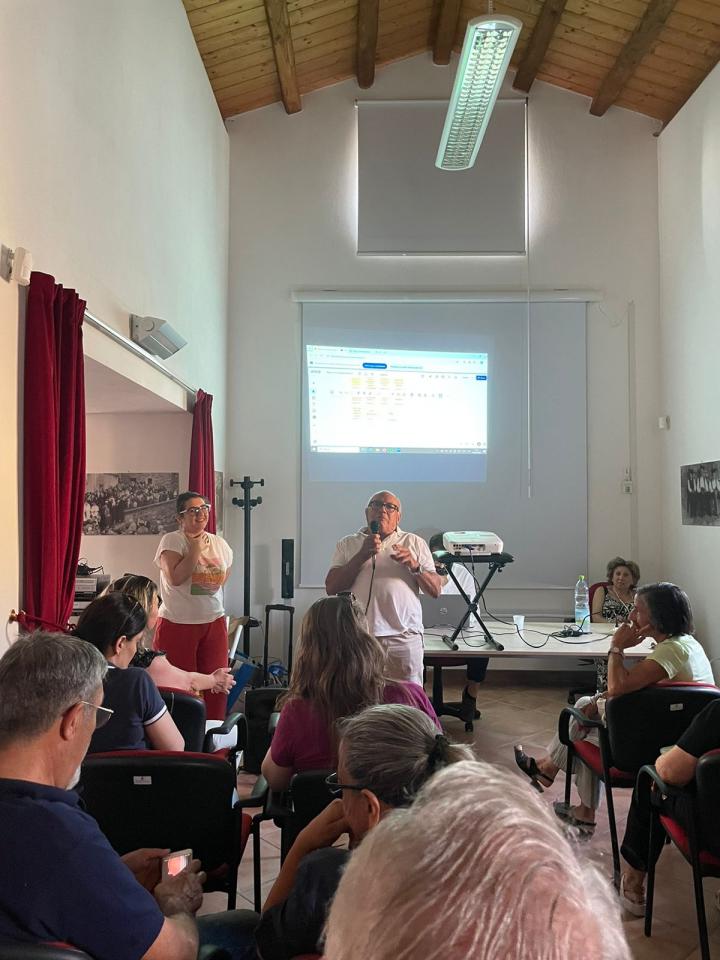
The engagement started with a reach-out phase using various tools: an online questionnaire to assess the people’s attachment to Ardauli and measure the sense of community, semi-structured interviews, informal street chats, and, in the third phase, a participatory co-design process that has just concluded. This process occurred both in person and online, allowing those who do not currently live in Ardauli but wish to move there or visit during different seasons to join the conversation. Of course, the Ardaulese community will remain actively involved in implementing the pilot action.
These engagement tools have allowed individuals to share ideas, voice concerns, and actively participate in decision-making. This process helped identify community needs, such as the demand for an intergenerational hub and tourist office, while also strengthening the sense of community and fostering project ownership. Local civil society organizations, businesses, and cultural associations have been essential, offering valuable knowledge and perspectives. Community involvement has been vital for the project’s success so far. Citizens have contributed to mapping vacant properties, identifying spaces suitable for reuse, and envisioning their future purposes. Owner engagement, in particular, has been crucial in encouraging more property owners to consider making their spaces available for revitalization. The project will continue promoting inclusive, shared governance, enabling citizens to co-manage the first “Casa Accogliente.”
Innovative character
Moreover, unlike traditional top-down interventions, this initiative involve the whole Ardulese community, which is not just made of permanent residents, but also temporary residents, emigrants, digital nomads and so on. Through qualitative and quantitative social research tools, semi-structured interviews, public calls, and co-design workshops using the service design approach, the current project wants actions to align with real needs rather than external assumptions, fostering local engagement and trust.
Rather than focusing solely on heritage restoration, "Case Accoglienti" integrates service design principles to create multifunctional spaces that transform abandoned buildings into valuable community assets, as it is the case of the first "Casa Accogliente", a historic home in the oldest part of Ardauli, will be repurposed as an intergenerational community hub and tourist information center, responding to both local and visitor needs, as emerged from the participatory process.
Disciplines/knowledge reflected
The social science field was also essential and has contributed to understanding community dynamics, depopulation challenges, and the evolving needs of residents, emigrants, and temporary vi A sociologist has carried the context research and analysis through a focus group, questionnaire, and semi-structured interviews and the reach out and engagement activities. Service design has played a crucial role in being the approach adopted throughout the whole project especially in the participatory process and the meeting point of all the above fields. Urban planners, architects, and sociologists have jointly facilitated the co-designing activities with the community, collecting people's needs and new uses for restored buildings and transforming them into multifunctional spaces that enhance cultural, social, and touristic opportunities.
Methodology used
Service design is a user-oriented practice that integrates design, management, and process engineering to create services that respond effectively to people’s needs. It is based on several key concepts:
Service is understood as the interaction between users and a system of activities designed to improve their experience.
Users include both permanent and temporary residents, as well as visitors benefiting from revitalized spaces.
Touchpoints are the moments of interaction between users and the service, such as community workshops, digital platforms, or the physical space of the Casa Accogliente.
Tools include participatory design activities, mapping techniques, and iterative testing methods that guide the initiative's evolution.
The process follows key principles such as user orientation, co-creation, sequentiality, tangibility, a holistic approach, and iterativity. The iterative cycle, prototyping, testing, analysis, and refinement, ensures the design remains flexible and responsive to community needs. Open processes engage stakeholders at different levels, allowing for continuous feedback and aligning interventions with local expectations.
Through this methodology, “Case Accoglienti” not only restores abandoned buildings and transforms them into meaningful public spaces tailored to the needs of Ardauli’s citizens.
How stakeholders are engaged
Additionally, the initiative has welcomed participation from people in the surrounding Barigadu region, who are linked to Ardauli through work, family, or curiosity. Through community meetings and interviews, we gathered their perspectives on local needs and potential uses for abandoned spaces.
At the regional level, Sardarch Cooperative Society, a spin-off from the University of Cagliari, has provided expertise in participatory urban regeneration. Social researchers, architects, and urban planners have conducted in-depth interviews with key stakeholders to identify the challenges of housing abandonment and explore strategies for repurposing these spaces.
The Sardinians Association Network has provided crucial support nationally and across Europe. With members throughout Italy and Europe, the network helps promote the initiative and communicates its goals to potential participants.
This multi-level engagement ensures the project is deeply grounded in local needs while benefiting from broader expertise and policy frameworks. It also sets a model for other small municipalities facing similar challenges.
Global challenges
Learning transferred to other parties
Potential replicable elements are:
- Participatory mapping and community engagement
Identifying and mapping abandoned properties through public involvement can be easily replicated. By combining digital tools (such as QField and others) with face-to-face engagement, municipalities can create comprehensive inventories of vacant spaces to plan strategic interventions.
- Co-design and iterative prototyping
The service design methodology, emphasizing user-oriented solutions, co-creation, and iterative processes, is highly adaptable. Other communities can apply this model to test, refine, and implement regeneration strategies that best fit their local needs.
- Strategic planning for historic centers
Unlike many public administrations in Sardinia and Italu, this project has strategically planned the regeneration of its historic center rather than approaching it through isolated, case-by-case interventions. This structured yet flexible strategy can be transferred to other municipalities looking for long-term solutions.
- Pilot Actions as a trust-building strategy
Demonstrating success through small-scale interventions, such as the first Casa Accogliente serving as a community hub and info point, can effectively build trust and momentum in communities skeptical of change. This strategy can be applied in various urban and rural contexts.
By transferring these elements, the project serves as a model for municipalities across Sardinia, Italy, and Europe, proving that even small communities can lead innovative, inclusive, and sustainable regeneration processes.
Next steps
The "Case Accoglienti | Reviving Ardauli" initiative embraces the New European Bauhaus (NEB) values of sustainability, inclusivity, and aesthetics, engaging the community at every stage. The project is divided into five phases, each incorporating NEB principles.<br />
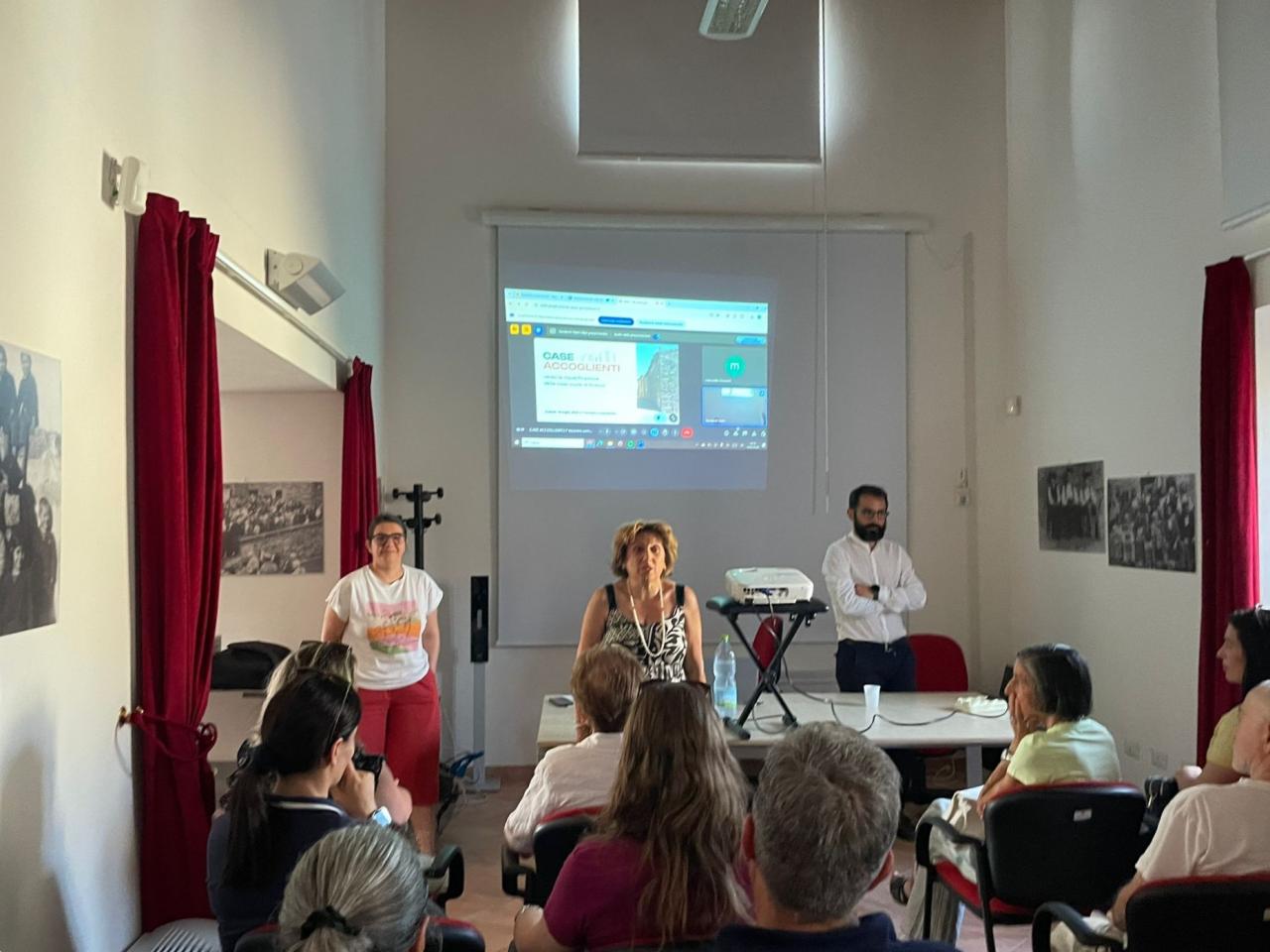
Phase 1 (April - July 2024) focuses on community engagement and context analysis. This participatory approach brings together permanent residents, but also emigrants, and temporary visitors to ensure their needs are heard and addressed. An online and offline campaign, including the Ardaulese diaspora, raises awareness, while a public event fosters resident engagement.<br />
In Phase 2 (August - December 2024), the focus shifts to mapping vacant properties using modern technologies like QField and QGIS, alongside a public call for community participation. This phase ensures transparency and collective ownership, aligning with NEB's goal of making urban spaces more attractive and functional.<br />
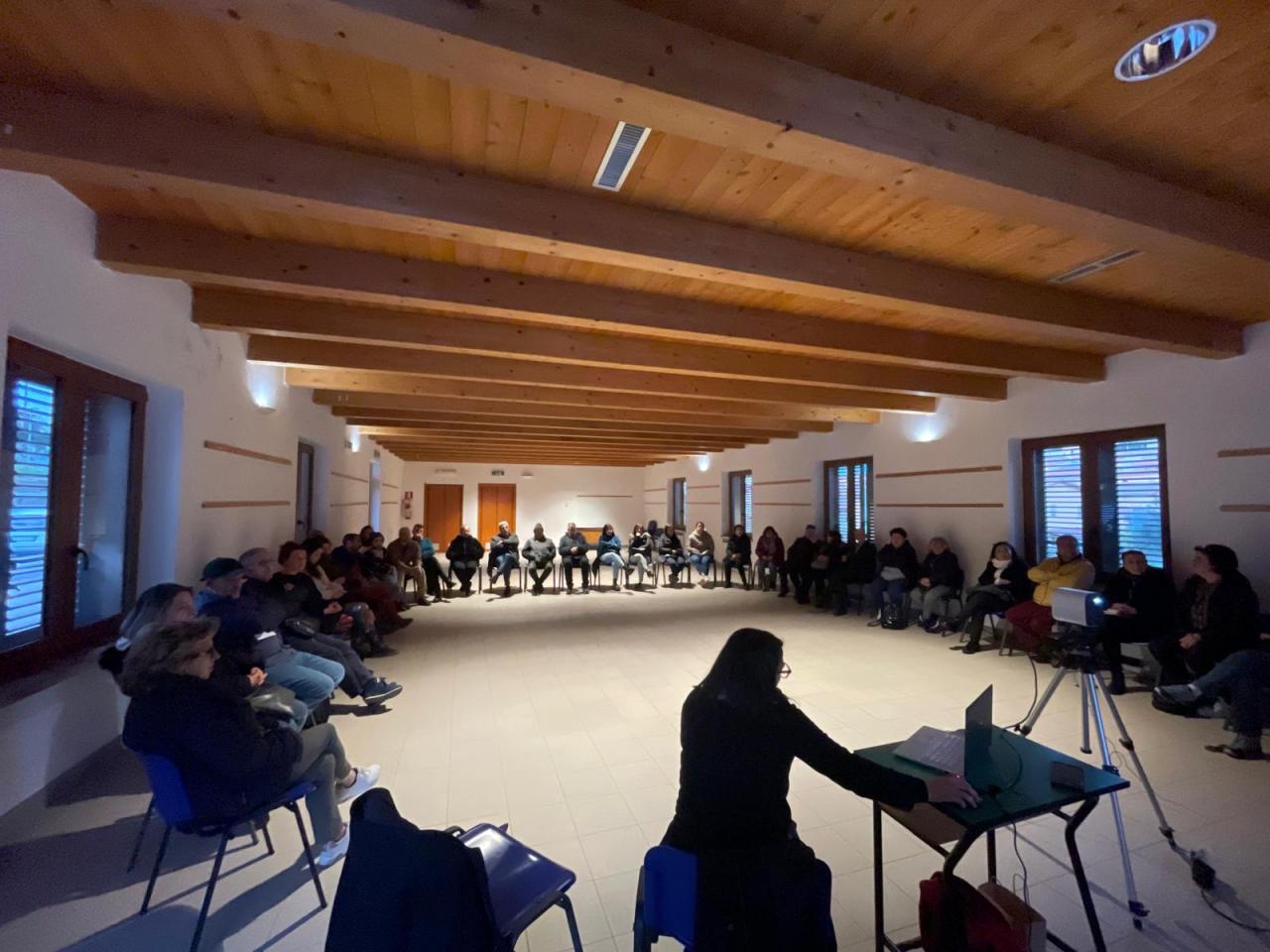
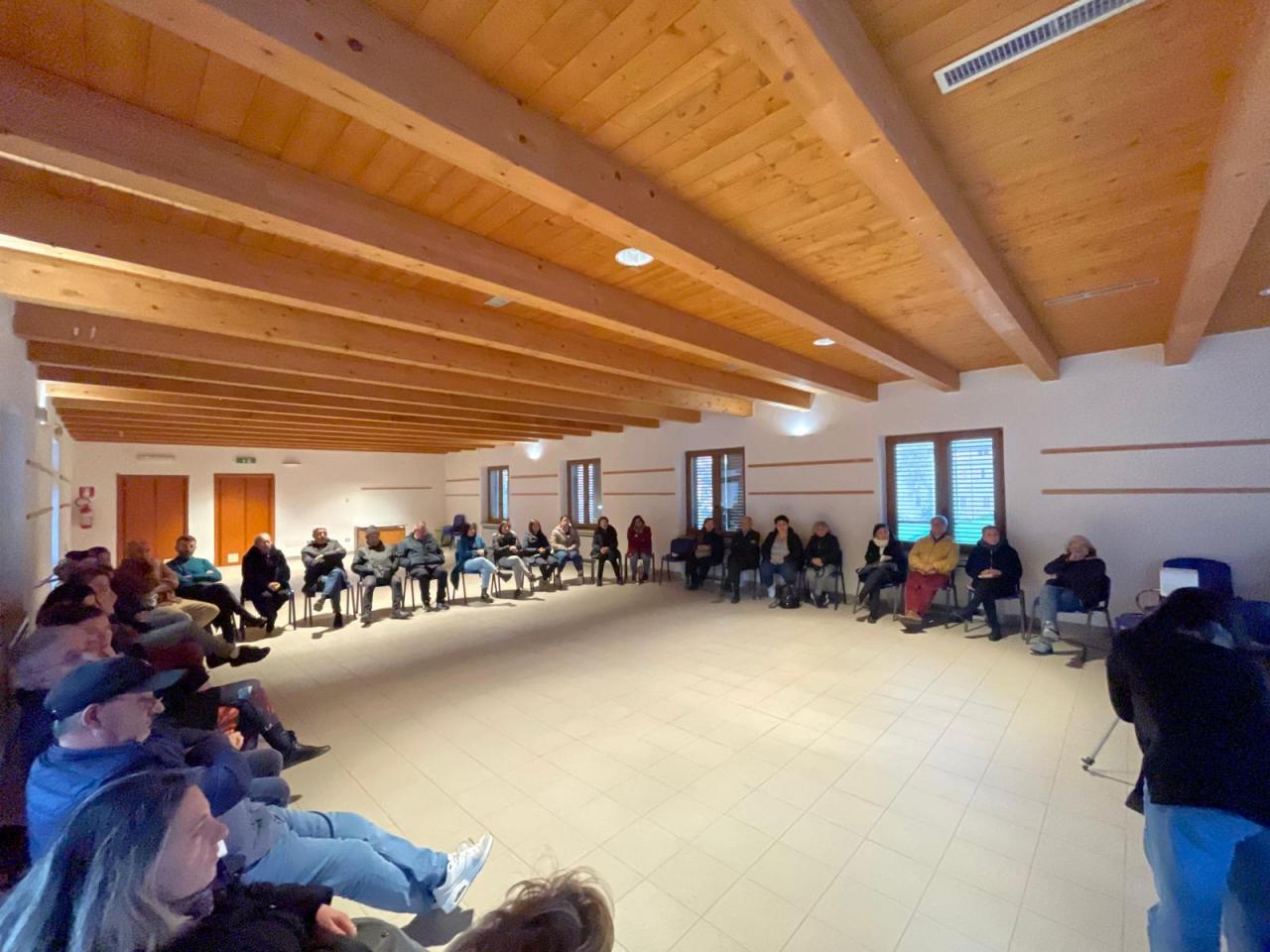
Phase 3 (January - February 2025) continues the participatory process through three meetings, gathering ideas for repurposing available properties. The community’s input informs the creation of the "Manifesto of Case Accoglienti" by Sardarch, emphasizing human-centered design and social cohesion.<br />
Phase 4 (March - July 2025) will implement the first “Casa Accogliente,” demonstrating a commitment to sustainability with light renovation techniques and community involvement. Workshops and participatory architecture empower locals to restore their heritage, enriching the town’s aesthetic and cultural value.<br />
Finally, Phase 5 (August 2025) will celebrate the project’s success with a community event, strengthening the sense of responsibility and ownership. The results will be disseminated, showcasing the completed “Casa Accogliente,” ensuring long-term impact and setting a model for future regeneration efforts.