Balninkai Elderly Care Center
Basic information
Project Title
Full project title
Project Description
Current stage development
Project Region
Municipality
EU Programme or fund
Which funds
Description of the project
Summary
The project aimed to create a modern space for long-term and short-term care for the elderly and disabled. This was vital due to the aging population in Molėtai and Lithuania.
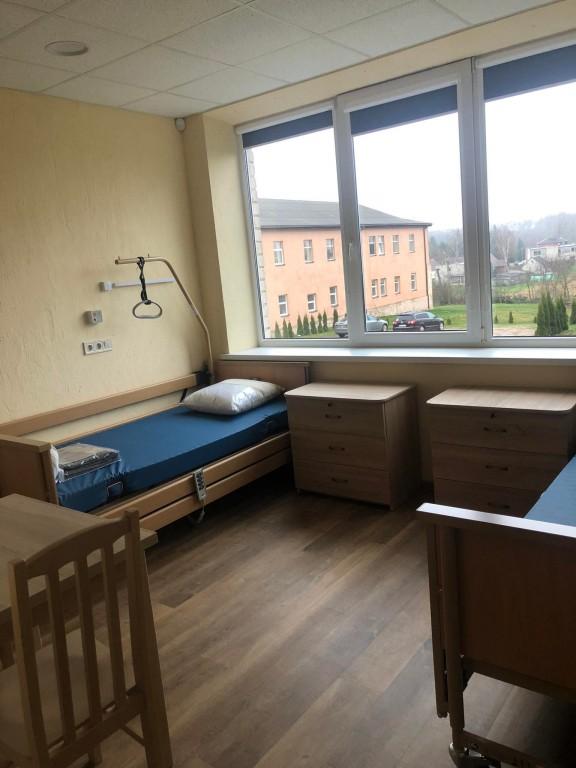
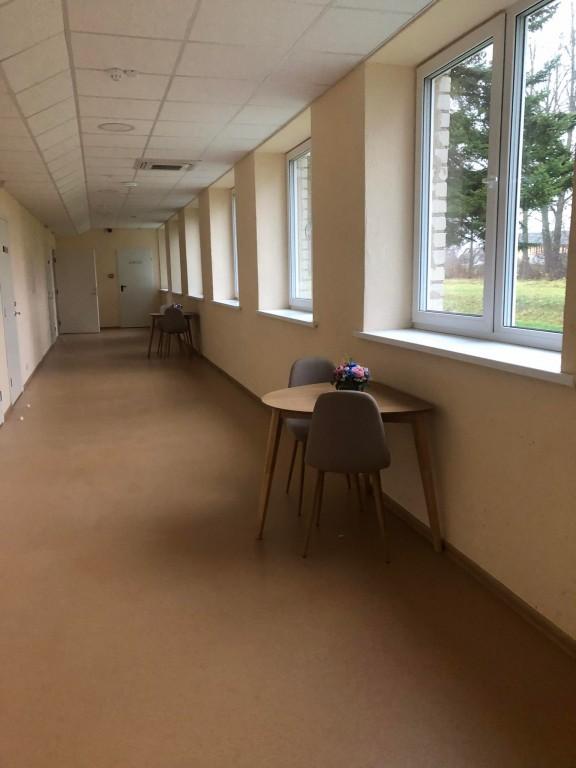
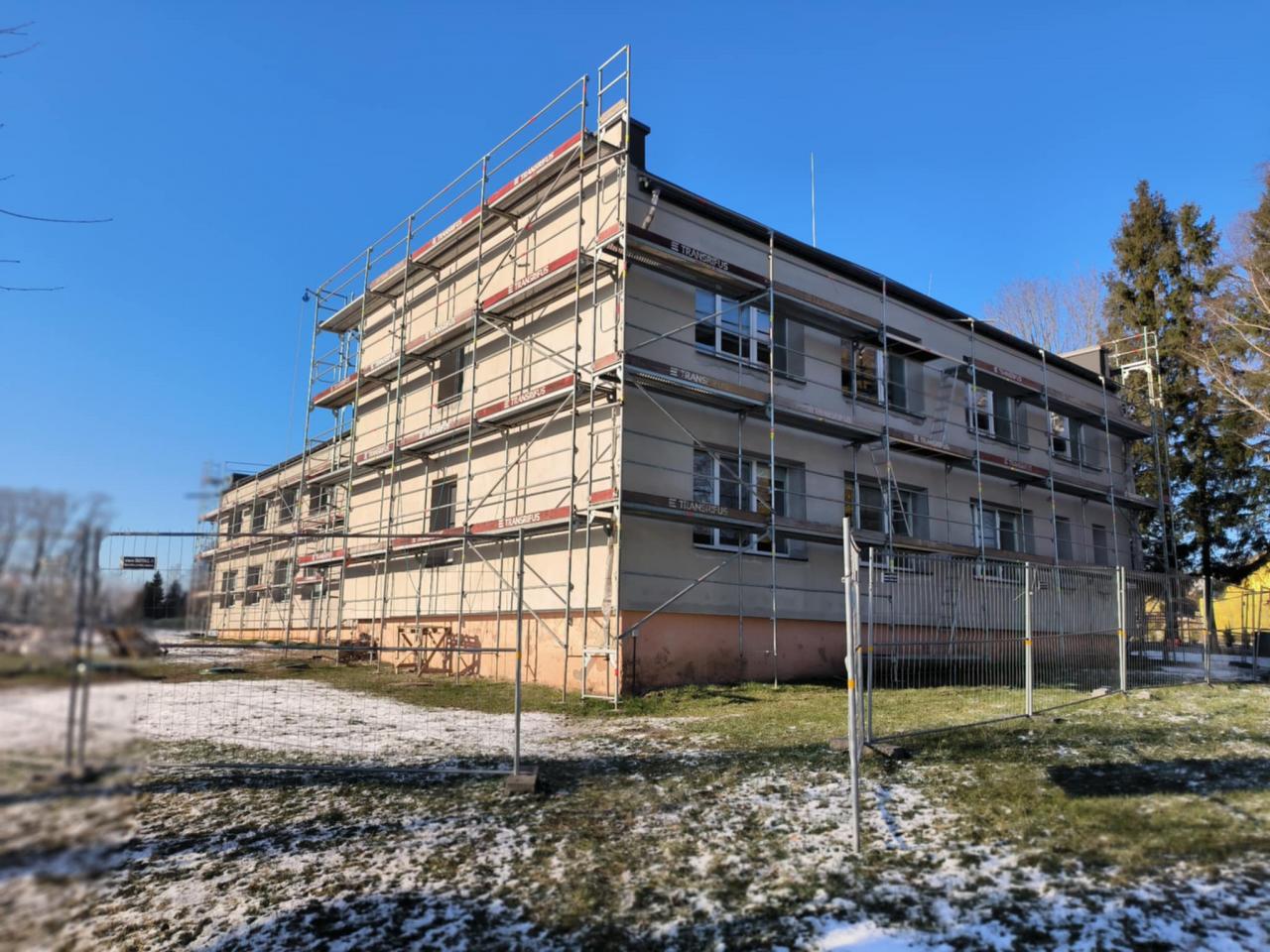
"Modernization of the school building in Balninkai" was implemented in 2019. Part of the building was renovated, creating comfortable rooms and necessary infrastructure. Funding came from the European Agricultural Fund for Rural Development, the national budget, the Molėtai District Municipality, and "Kaiminystės namai." Due to the project's positive impact and increasing need, a second phase began in 2024. This phase will improve the building's efficiency, reduce heating costs, and enhance its aesthetics. Insulation, second-floor renovation, and 13 additional social care beds for the elderly will be added. Phase two is co-financed by the EU's European Regional Development Fund and the Molėtai District Municipality. Implementation is planned by November 2026.
-Improved social services: The elderly and disabled can live with dignity and receive qualified help.
-Created 12 new jobs, contributing to regional economic growth.
-Enhanced public infrastructure: The modernized building became a community hub.
-Reduced social exclusion: The project improved community integration.
This project shows how communities can solve social problems with existing resources. Even small towns can create quality social services. It also demonstrates the effective use of EU and state funds for a better future.
Key objectives for sustainability
1. Environmental:
- Green procurement ensures eco-friendly standards in public purchases.
- Noise, dust, and pollution reduction measures are implemented during construction.
- Increased energy efficiency is a key aim, with a building energy performance certificate issued post-construction.
2. Social:
- Increased accessibility to social services for the elderly is a core focus.
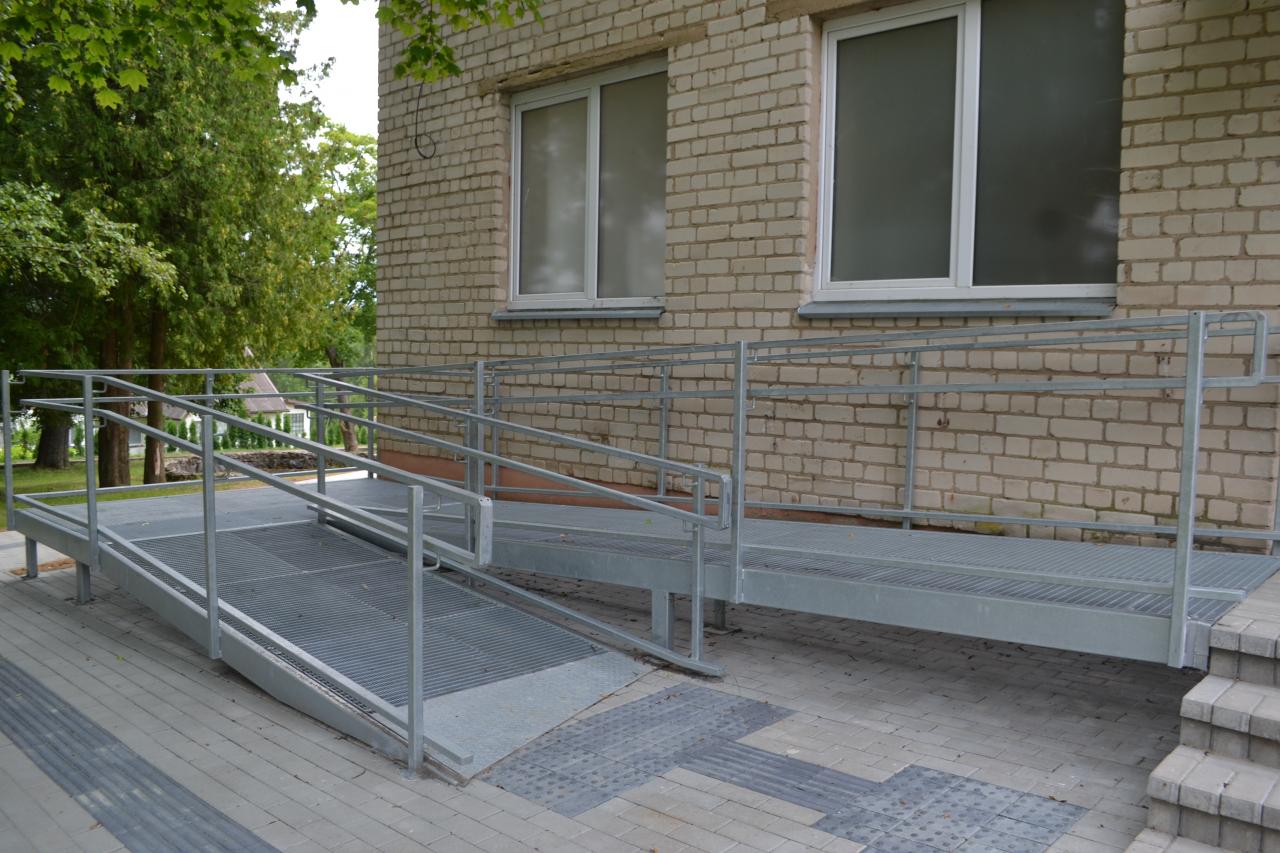
- Universal design principles ensure infrastructure accessibility for people with disabilities.
- High-quality services for all residents, including the elderly, are prioritized.
3. Territorial Development:
- Equal access to services for all Molėtai region residents is guaranteed.
- Compliance with all technical and legal requirements, including STR, is ensured.
This initiative is exemplary due to its integration of sustainability principles across all project aspects. Its goals align with sustainable development, creating infrastructure that meets modern environmental, social, and economic challenges. The systematic approach to green procurement, social justice, and sustainable territorial development makes this project a good example of integrating sustainability into concrete actions for regional and community well-being.
Key objectives for aesthetics and quality
Key objectives for inclusion
How Citizens benefit
•Community members: A survey conducted in 2014-2015 allowed for the identification of the expectations and needs of local residents related to the care of elderly people. This information became the basis for further project development, ensuring that the project meets the real needs of the area.
•Local government representatives: Constant dialogue with the administration of Molėtai District Municipality allowed for the coordination of project plans with the city's development strategy and obtaining funding for project implementation. The participation of municipality representatives in discussions and the comments and suggestions provided contributed to the project's improvement.
Regional level:
•Regional non-governmental organizations: Cooperation with organizations such as "Neighborhood Houses" helped to identify the needs of the region and contributed to the development of the project concept, based on their experience and knowledge of elderly care.
•Utena Regional Council: Highlighting the problem of insufficient social services for the elderly at the regional level, while developing the Utena Regional Development Plan, was a crucial step towards project implementation. This showed that the problem is relevant not only locally, but also regionally.
National level:
•Ministry of Social Security and Labor: The Ministry's decision to partially finance the project from EU and municipal budget funds showed that the project is important and necessary at the national level.
•Support Administration Agency: Consultations with agency staff helped ensure that the funds necessary for the project implementation were used purposefully and effectively.
European level:
•European Union: EU funding provided an opportunity to implement the project and ensure its sustainability, which shows that the project meets EU priorities in the field of social policy.The involvement of citizens and civil society in the project was a crucial factor in its success
Innovative character
Often, nursing home projects are created based on standard models, not always taking into account the specifics and needs of the local community. Our approach is more individualized and focused on community involvement.
Community involvement not only ensures that the nursing home meets the expectations of residents but also strengthens the sense of community and reduces social exclusion.
Integrated Approach to Services
The project provides for an integrated approach to services, encompassing not only accommodation and care but also social integration, cultural activities, health care, and rehabilitation. Many nursing homes provide only basic services, such as accommodation and meals. Our project seeks to create a complete environment where elderly people can live an active and meaningful life. An integrated approach to services ensures that nursing home residents receive comprehensive care and can meet their diverse needs.
Multi-Level Collaboration
The project is being implemented in cooperation with various stakeholders at different levels - from the local community to the institutions of the European Union. This large-scale collaboration ensures that the project meets the interests of all stakeholders and will be implemented successfully. Often, nursing home projects are implemented on the initiative of one organization or institution, and cooperation with other stakeholders is limited. Our project stands out for its openness and collaboration.
These innovative aspects distinguish our nursing home project from other similar initiatives and give it great added value. We believe that this project will become an example for other nursing home development projects in Lithuania and Europe.
Disciplines/knowledge reflected
The project involves the renovation of a building, adapting it to provide social services, and equipping the premises to meet the needs of people with disabilities. This area encompasses construction technologies, design, engineering, building energy efficiency, and universal design principles.
Public Administration and Project Management:
The project is implemented in cooperation with the Molėtai District Municipality and the local action group "Keisdamiesi-keičiame" and includes the organization of public procurement, attracting funding from EU and state funds, and project implementation supervision and management. This area covers the organization of public sector activities, project planning, implementation and evaluation.
Economics:
The project contributes to the region's economic growth by creating new jobs, improving the accessibility of social services, and attracting investment. This area includes regional development, labor market analysis, and investment management.
Environmental Protection:
The project emphasizes "green" procurement, noise, dust and pollution reduction during construction, and increased energy efficiency. This area covers environmental protection principles, sustainable development, and energy efficiency.
Sustainability:
The project was implemented in accordance with sustainability principles, integrating environmental, social and economic aspects.
Sustainability:
The project was implemented in accordance with sustainability principles, integrating environmental, social and economic aspects.
Efficiency:
Teamwork and collaboration between representatives from different fields allowed for the efficient use of resources and the achievement of the best results.
Innovation:
The interaction of representatives from different fields encouraged the search for innovative solutions, such as creating universal design solutions and ensuring the building's energy efficiency.
Methodology used
A resident survey was conducted to determine the demographic situation and the need for services required by local residents.
Design Method
Brainstorming
Based on the needs analysis, ideas were generated for the concept of the nursing home, the range of services, the architectural solution and other aspects.
Design
Architects, engineers and other specialists prepared the nursing home project, taking into account the needs of the elderly, safety requirements and environmental principles.
Project Management Method
Team Formation
A team was formed, responsible for the implementation of the project, which included architects, builders, social workers, healthcare professionals and other experts.
Activity Planning
A detailed activity plan was developed, which included all stages of project implementation, deadlines and responsible persons.
Resource Management
Project resources are managed, including finances, materials and personnel, to ensure that the project is implemented on time and with quality.
Monitoring and Control
The project progress is constantly monitored and it is checked whether the activities comply with the plan, and in case of problems, decisions are made promptly.
How stakeholders are engaged
Local: Community members, through a 2014-2015 survey by the Molėtai District Local Action Group, identified a major service shortage for vulnerable groups, directly informing project development. Constant dialogue with Molėtai District Municipality ensured alignment with local strategy and facilitated permit acquisition.
Regional: Cooperation with regional NGOs like the Public Institution Multifunctional Center "Kaimynystės namai" specializing in elderly care, helped define regional needs and shape the project. The Utena Regional Council, during development of its regional plan, recognized the lack of social services for elderly people, people with disabilities, children with intellectual disabilities, and their families, including family support, psychological assistance, short-term accommodation, and foster care.
National: The Ministry of Social Security and Labor, recognizing the project's need, approved partial EU and municipal funding. Consultations with the Support Administration Agency (Central Project Management Agency) ensured purposeful and effective use of funds.
European: EU funding enabled project implementation and sustainability
This multi-level stakeholder engagement ensures the project meets local needs, integrates with regional and national policies, and adheres to high quality standards. It is hoped this project will serve as a model for similar initiatives in Lithuania and Europe.
Global challenges
• Social exclusion: The declining population and lack of services, especially in rural areas, increase social exclusion. The Balninkai project, by providing social services locally, reduces this exclusion and improves the integration of community members.
• Use of disused buildings: All over the world, there are many disused buildings that raise maintenance and utilization issues.
• Revival of rural areas: The declining population and lack of services are a major problem in rural areas worldwide. The Balninkai project, by creating new jobs and improving social infrastructure, contributes to the revival of the countryside and the preservation of its vitality.
• Access to quality social services: There are still many places in the world where there is a lack of quality social services, especially for the elderly and people with disabilities.
In short, the Balninkai project, as a local initiative, addresses global problems such as aging population, social exclusion, use of disused buildings, revival of rural areas, and access to quality social services. This project is an excellent example of how local needs can be effectively combined with global trends and create sustainable solutions that contribute to a better future for local residents.
Learning transferred to other parties
1. Community Engagement Model
Element: Active community involvement in needs analysis, decision-making, and project implementation.
• Advantage: Ensures that the project meets the real needs and expectations of local residents, promotes a sense of community, and reduces social exclusion.
• Application: This model can be successfully applied to various projects related to public infrastructure development, social service provision, and community development.
2. Integrated Approach to Services
• Element: Integrated approach to the provision of social services, encompassing not only accommodation and care, but also social integration, cultural activities, health care, and rehabilitation.
• Advantage: Ensures that elderly people and people with disabilities receive comprehensive care and can meet their diverse needs.
• Application: This approach can be applied to the creation and development of various social service institutions, such as nursing homes, day centers, rehabilitation centers, etc.
3. Partnership and Funding Model
• Element: Successful partnership between the local community, municipality, non-governmental organizations, and state institutions to implement the project.
• Advantage: Ensures the success and sustainability of the project.
• Application: This model can be applied to various projects that require funding from different sources.
These elements, successfully implemented in the Balninkai project, can be applied in other locations to address similar problems and create a better future for local residents
Next steps
The "Modernization of the Balninkai School Building for the Provision of Social Services" project is a long-term project that is constantly evolving and improving. We have currently completed the first phase, during which a major renovation was carried out and premises were equipped for elderly people. However, our goal is to create a modern and sustainable environment that meets the ever-changing needs of residents. <br />
Planned activities for further development and implementation:<br />
• Infrastructure modernization: The second phase of the project started in 2024, during which the building's insulation work will be carried out, the second floor premises will be renovated and adapted, where an additional 13 places will be equipped for the provision of short-term or long-term social care for elderly people. This stage is very important to improve the building's economic efficiency and reduce heating costs.<br />
• Strengthening cooperation: We strive to strengthen cooperation with other organizations, institutions and the local community to create the most favorable conditions for the well-being of residents<br />
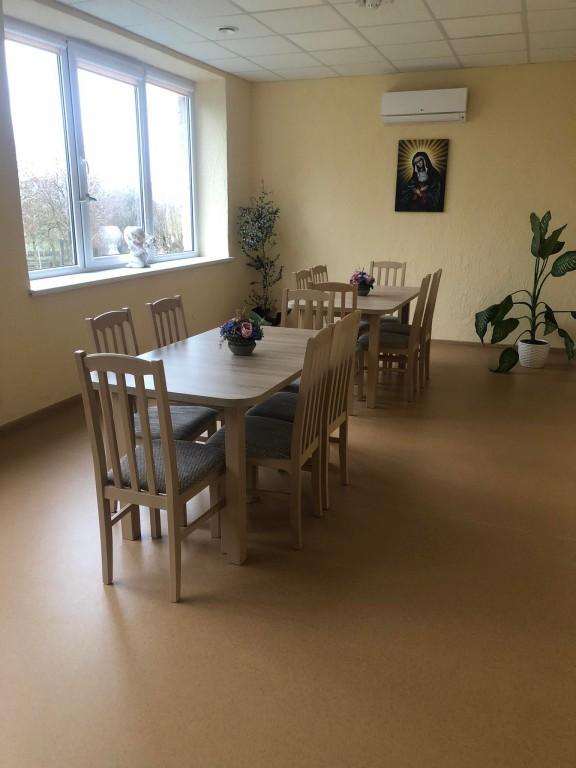
From the very beginning of the project, we were guided by the NEB (New European Bauhaus) values and working principles. It was important for us to create not only a functional but also an aesthetically attractive, cozy and bright environment where residents would feel at home. Therefore, we paid special attention to the layout of the premises, interior design, lighting and other details that contribute to the creation of a positive emotional atmosphere. We also tried to involve the community in the implementation of the project, taking into account their opinions and expectations. Our goal is to create not only a modern nursing home, but also a vibrant community center where elderly people feel valued and respected. We are guided by NEB values and working principles to create a beautiful, sustainable and inclusive environment where it is good to live and work.