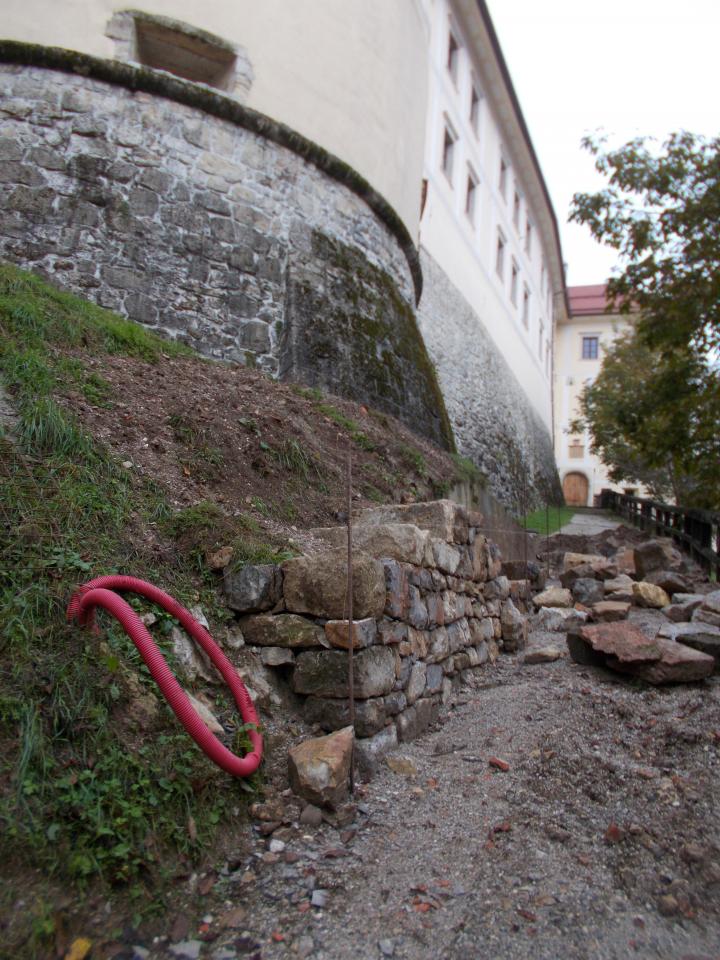
A walking path to the castle
Basic information
Project Title
Full project title
Project Description
Current stage development
Project Region
Municipality
EU Programme or fund
Description of the project
Summary
Key objectives for sustainability
-Environmental sustainability: Preservation and restoration of natural and cultural heritage
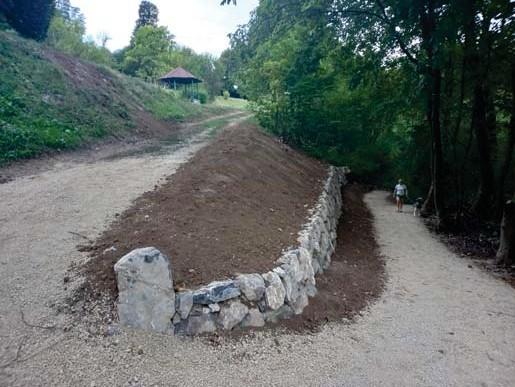
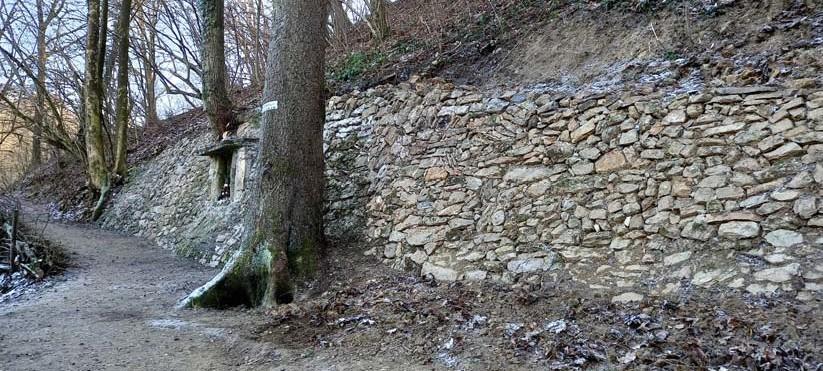
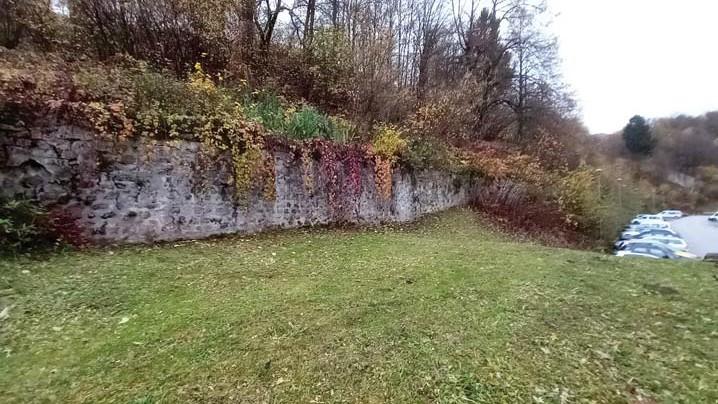
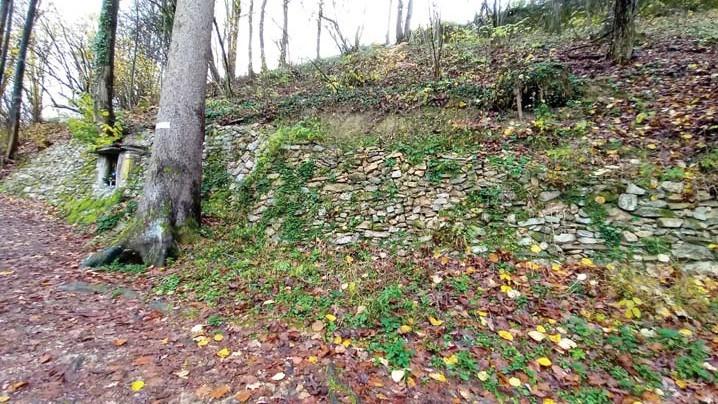
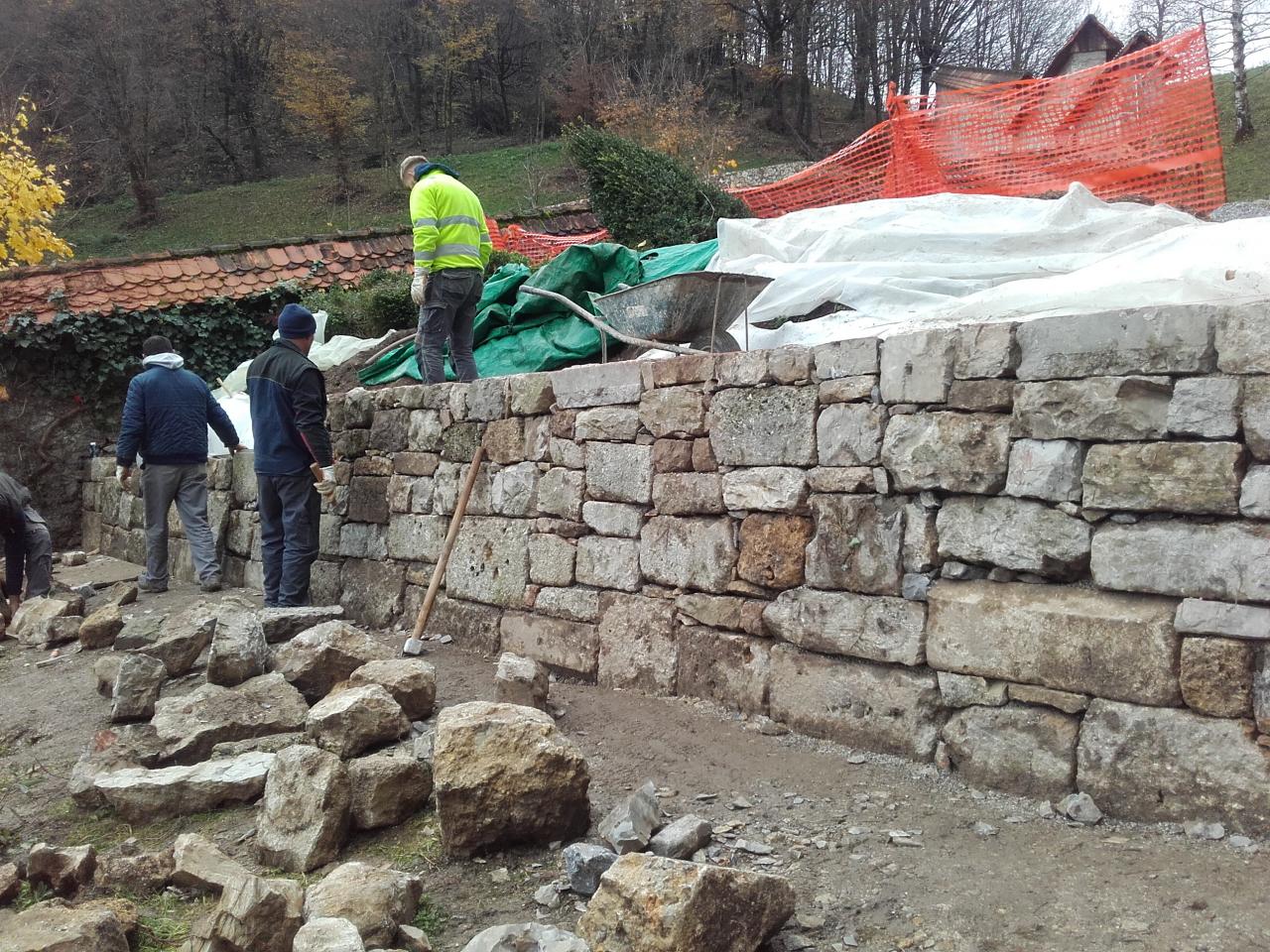
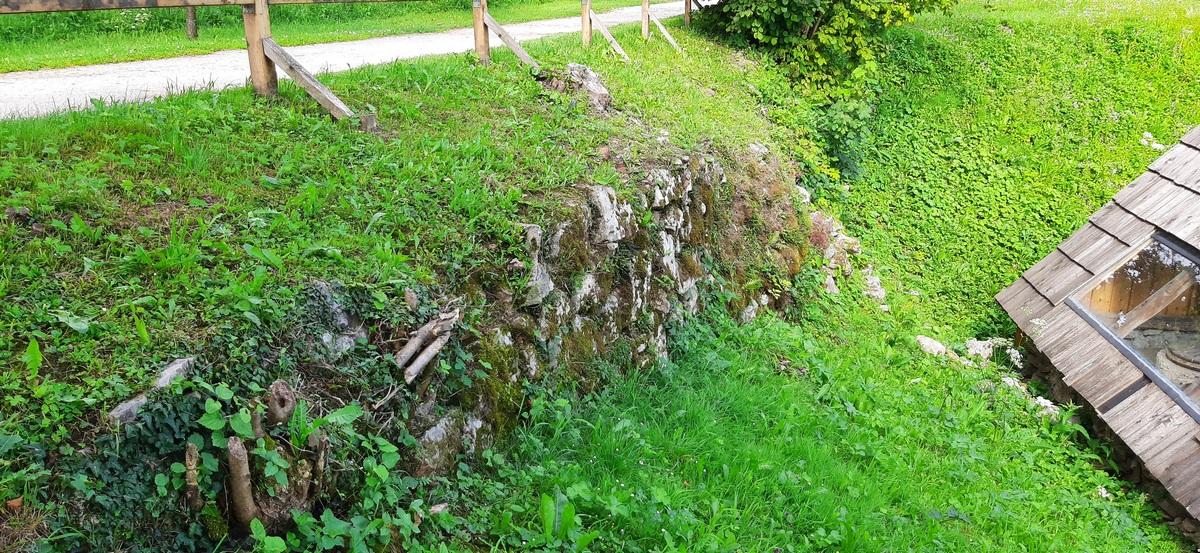
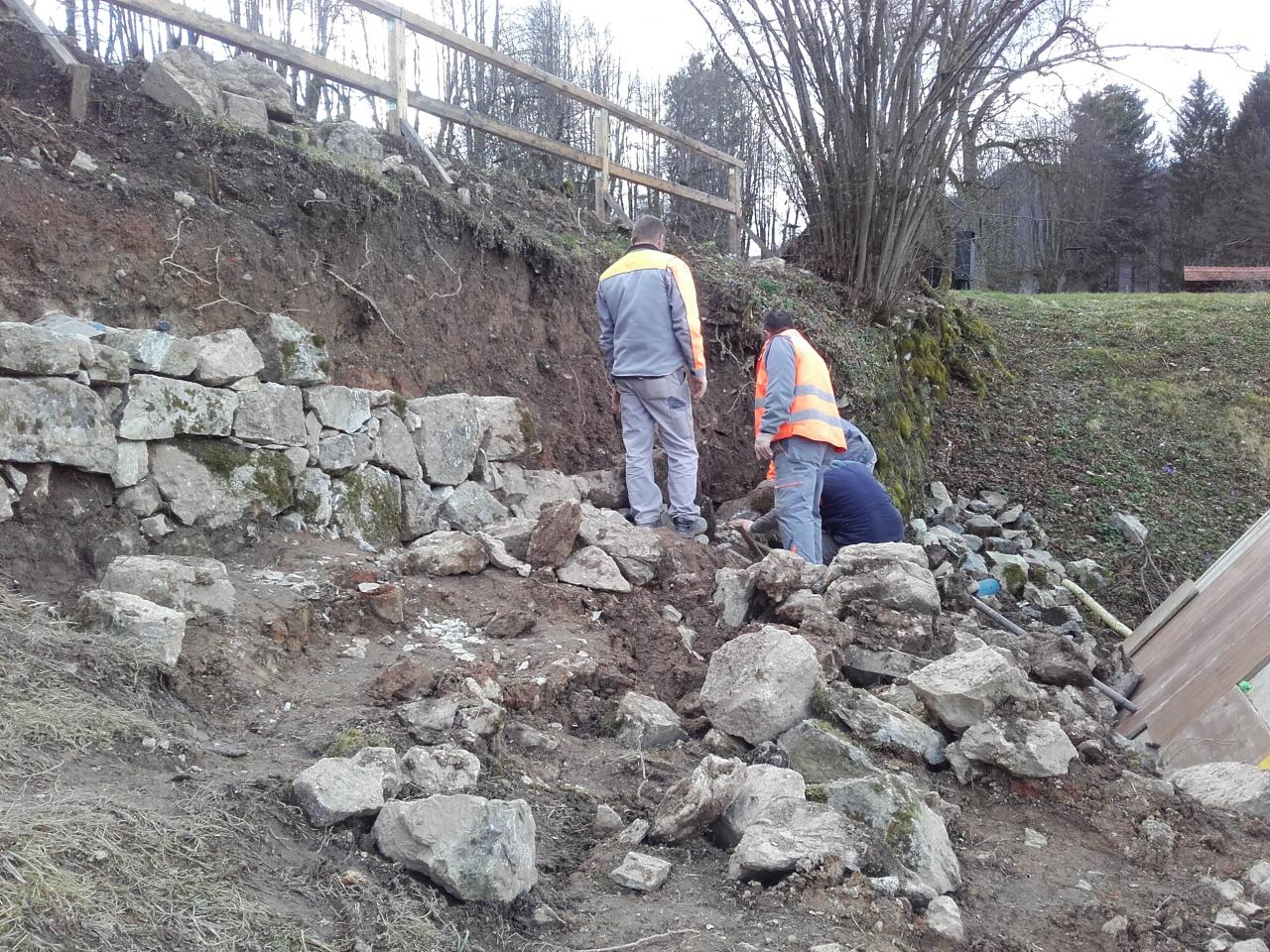
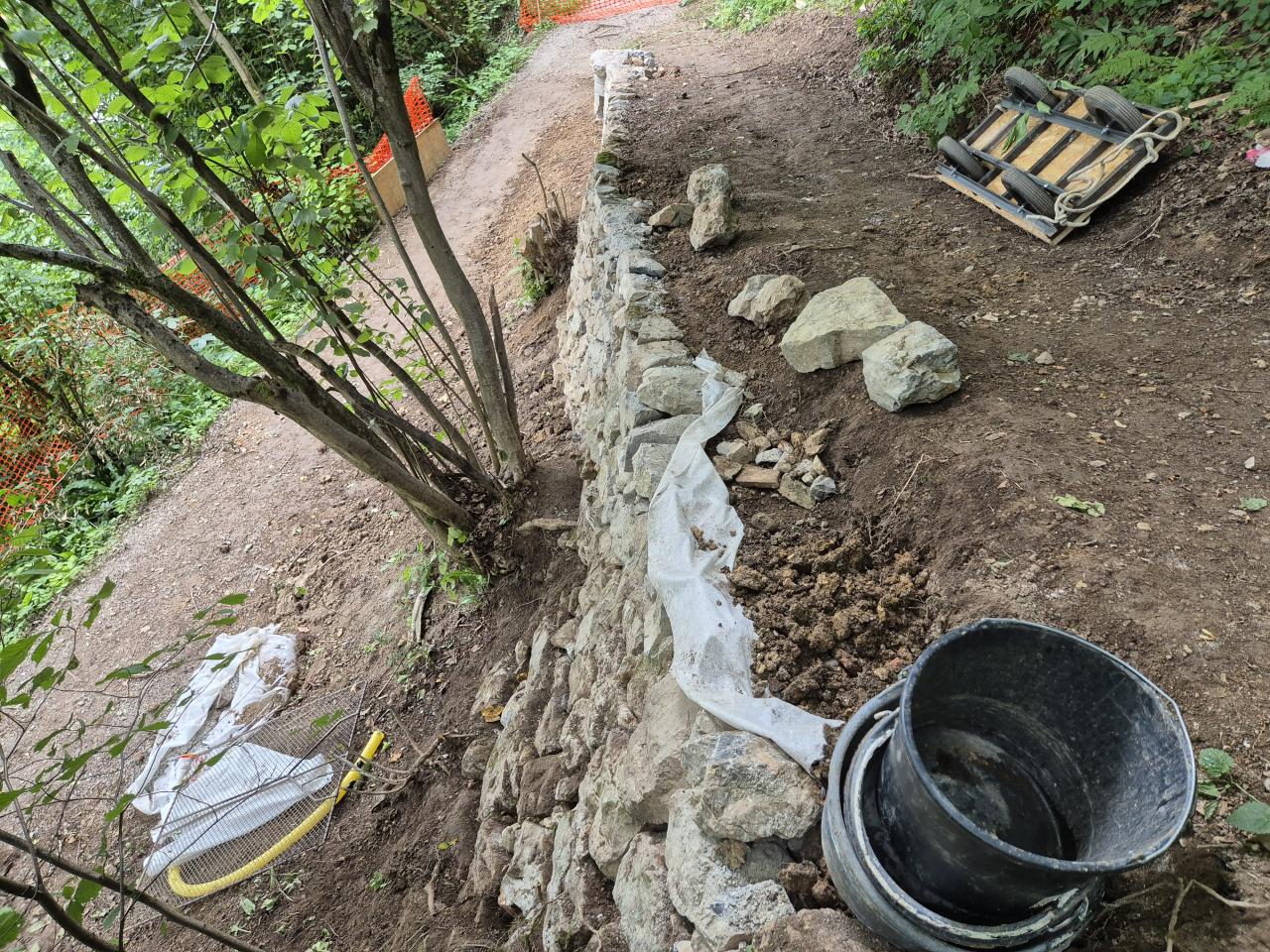
-Reuse of existing materials: The restoration focuses on using local stone, reusing existing elements (dry stone walls, garden structures), and applying sustainable construction techniques that do not involve concrete or industrially manufactured components. This project embodies the principle of "repair, reuse, reduce," as emphasized by the NEB.
• Eco-friendly landscape design: Preservation and enhancement of native plant species, sustainable removal of invasive plants, and promoting biodiversity by maintaining the ecosystems of the castle hillside.
-Circular economy and closing material flows: The reuse of wood, stone, and eco-friendly waste management contribute to sustainable resource management.
-Social sustainability: Inclusive and accessible community use of space
-Accessibility and inclusion: The footpaths are designed for a wide range of users – from local residents to tourists – offering opportunities for meditation, quiet recreational activities, and leisure (such as gardening). The project thus promotes equality in access to public space.
-Connecting urban and natural spaces: The path from the town center to the castle provides easier access to cultural heritage, contributing to a greater connection between residents and their surroundings.
-Participatory approach: The restoration of the paths and landscape design involves various stakeholders, including local residents, representatives of public institutions (Škofja Loka Municipality, Škofja Loka Museum), and professionals from different fields (dry stone construction, arborists, historians, etc.), in line with the principles of the EU
Key objectives for aesthetics and quality
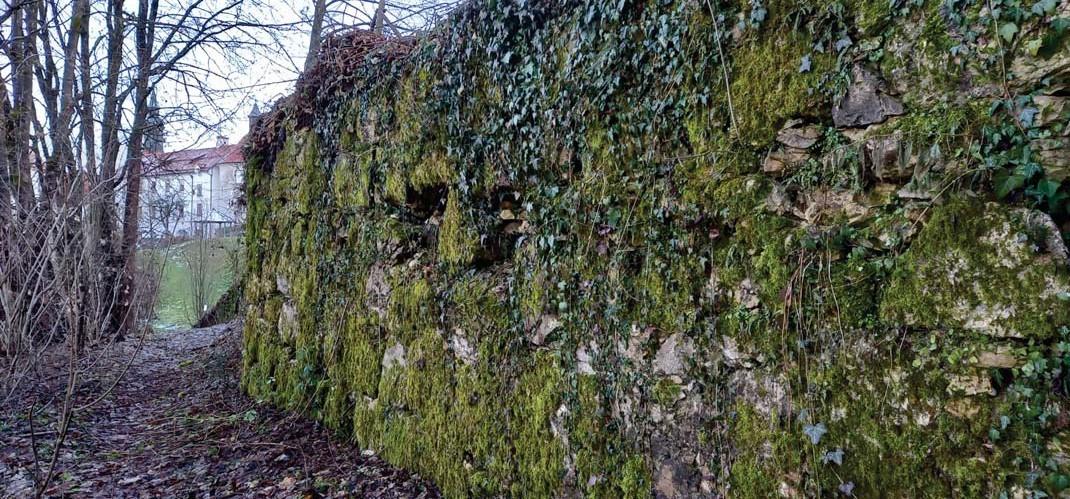
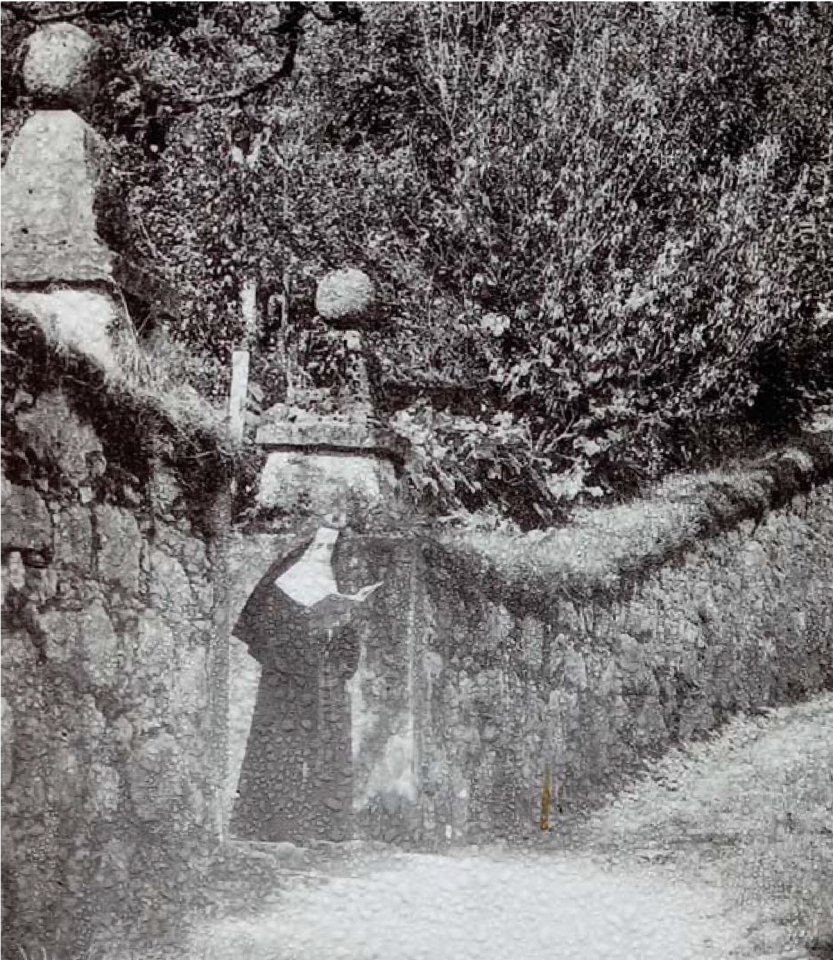
The network of paths is designed to preserve the historical and natural landscape identity, taking into account the medieval layout of the castle garden and elements of the convent landscape architecture from the 19th and 20th centuries.
The paths are conceived as meditative spaces that encourage a connection with nature, where visitors can experience it through visual, auditory, and tactile impressions. All paths, equipment, and culturally significant structures will be restored using native materials such as stone and wood, along with traditional construction techniques, emphasizing the authenticity of the space.
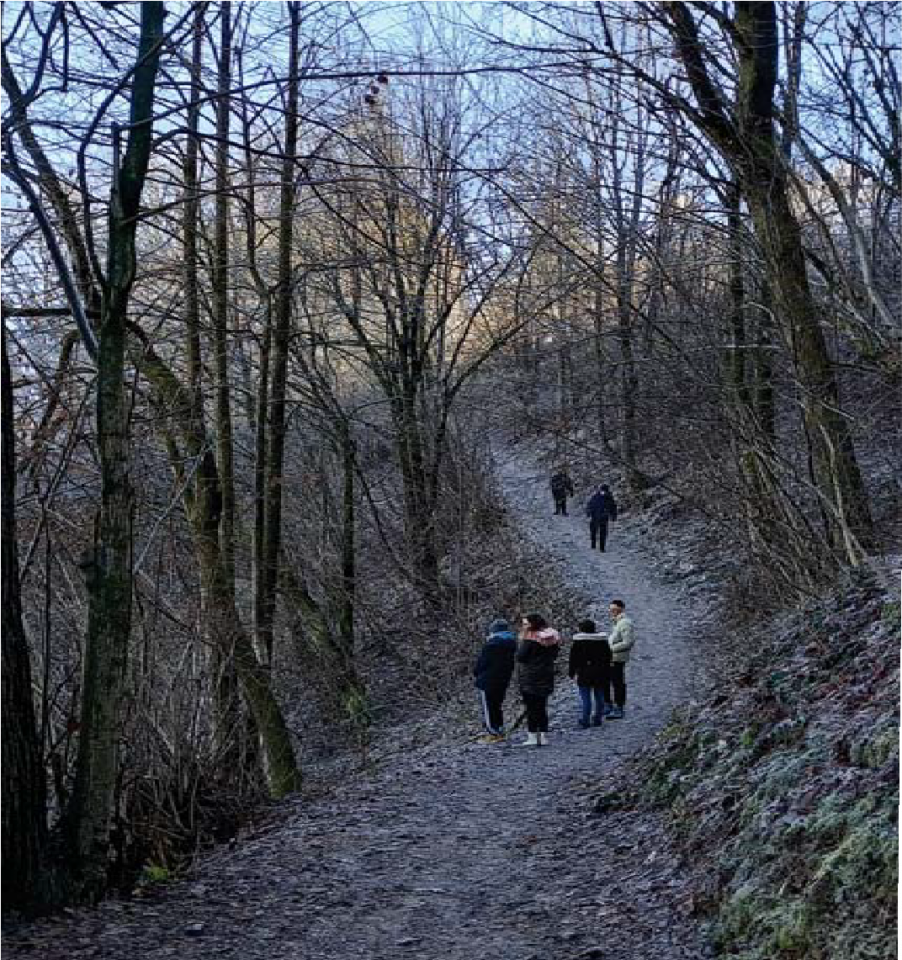
The path to the castle is designed as a "climb" from the urban hustle and bustle to a peaceful, ecologically designed environment where visitors can enjoy silence, meditation, quiet prayer, mindfulness, and peaceful socializing. The paths connect the old town center with the castle garden, where the museum lapidarium, the open-air museum with Škopar's house, the century-old castle linden alley, the event amphitheater, and the castle courtyard—where various events are held—are located.
Similar to European cultural landscape regeneration projects, this initiative connects natural paths with historical structures, creating a harmonious and sustainable public space. The project restores paths and landscape designs from different historical periods, allowing for a unique, multisensory experience and learning about cultural heritage through space. It combines sustainable architecture, resource reuse, eco-friendly landscape design, and inclusive aesthetics, positioning it as an exemplary model for other heritage area revitalization projects.
The project serves as a model for sustainable and inclusive cultural landscape management.
Key objectives for inclusion
Path management will be ensured partly through public services (Loška Komunala, the company Želva, which is an enterprise employing people with disabilities to maintain public spaces in Škofja Loka, and a part-time janitor at the museum) and partly through a participatory approach: local residents, schools, associations, and the interested public will be involved in the design, restoration, and use of the space, strengthening the sense of ownership and community. The project will engage young people, seniors, and vulnerable groups, fostering intergenerational connections and the transfer of knowledge about sustainable practices, local architecture, and eco-friendly space maintenance.
The project encourages the use of natural materials, recycling, and sustainable maintenance practices, serving as a model for other communities in transforming degraded areas.
With its accessibility, participatory management and sustainability focus, the project serves as a model for transforming public space into an inclusive, eco-friendly, and culturally rich experience.
How Citizens benefit
The target groups of the project have been involved in various ways so far:
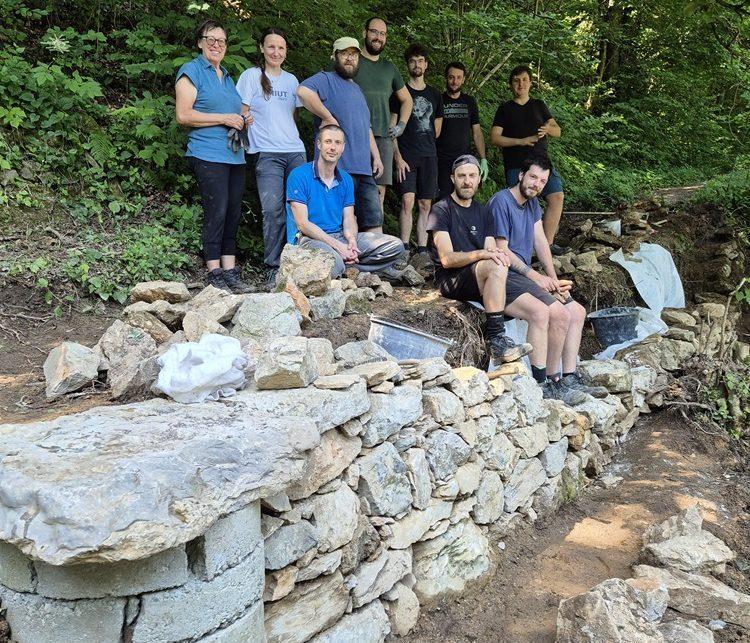
• Participation in dry stone walling workshops, organized in collaboration with the School of Renewal (an education program for quality restoration of cultural heritage). The involvement of local residents in these workshops increases their sense of responsibility and care for the natural and cultural heritage of the area.
• Inclusion of vulnerable groups through the PUMo group – using spaces for community gardening purposes.
• Collaboration between public institutions and the local community in maintaining the paths.
• Involvement of knowledge carriers (craftspeople, artisans) who are responsible for transferring skills to the local population and younger generations, thus preserving traditional knowledge.
In the future, activities will continue to involve the target groups of the project through various workshops, educational programs, small boutique events, and community actions.
Innovative character
Disciplines/knowledge reflected
Methodology used
In executing the project, we apply a hands-on learning methodology (learning by doing) and active participation, where different generations are actively engaged in restoration and landscape management workshops. In this way, we ensure both the transfer of knowledge and the maintenance of the area—through participation in various workshops and educational activities, stakeholders develop a deeper connection to the area and a sense of responsibility for preserving our shared cultural and natural heritage.
We also involve vulnerable groups, who, through this process, gain self-affirmation. Through these approaches, the space becomes a living organism, which, through community involvement, maintains its sustainability and cultural value.
How stakeholders are engaged
Global challenges
-Care for natural and cultural landscapes with sustainable space design and resource use:the project safeguards and manages public spaces to protect biodiversity, reduces the impact of invasive plant species and prevents soil erosion. By utilizing local natural materials (stone, wood) and promoting reuse, it minimizes the carbon footprint
-Social inequality and exclusion:the project includes vulnerable groups, such as those involved in the maintenance of the therapeutic learning garden and paths, enabling social inclusion and empowerment. The public space is free and accessible for all
-Loss of cultural heritage:the project safeguards both tangible and intangible cultural heritage by using UNESCO-protected dry stone construction techniques, preserving and passing down this tradition to younger generations. The renovated paths connect the old town center with the castle, offering a deeper experience of the local heritage. The entire old town area, along with the castle, is protected as a cultural monument.
-strengthening green spaces:creating peaceful natural spaces for recreation, meditation, leisure and community activities contributes to the mental well-being of residents. The connection between the city center and the sustainable pathway network provides easy access to nature and promotes an active lifestyle.
-lack of sustainable public space renewal models: many public space renewal projects do not include community participation or follow sustainable, participatory planning and restoration models. The model pursued in this project can be transferred to other city parks, historical gardens, rural paths, and degraded areas. Traditional knowledge and modern sustainability principles are example how to revitalize heritage in an environmentally friendly way.
Learning transferred to other parties
From a methodological perspective, the inclusive transfer of traditional knowledge and learning through practice (learning by doing) is transferable to different cultural heritage spaces. It can involve various target groups, from young people, educational institutions, to residents and representatives of the local community.
The technological processes used in restoration with sustainable materials and methods—such as dry stone construction, the reuse of local stone, wood, and green trimming—are also transferable.
Moreover, the community management model and participatory approach to space development, which fosters collaboration between the public and civil sectors and involves vulnerable groups, are highly adaptable and can be applied to other regions and contexts.
Next steps
The project is planned for the long term with gradual implementation phases that include both physical interventions and individual workshops, community involvement, knowledge transfer.Planned activities will contribute to the sustainability of space use and management expanding the impact and long-term engagement of the community. From the very beginning the project follows the key values of the NEB: we pursue sustainability by using sustainable local materials and reusing them, caring for natural heritage and biodiversity and through dry stone walling, we adhere to the principles of energy-efficient and ecologically effective renovation.Aesthetics are considered in the harmony between natural and built heritage and by managing the cultural landscape without aggressive interventions.Inclusion is achieved by making the space open to everyone and inviting the local population and target groups to participate in the management and organization of the space.The planned activities for the further development of the project primarily foresee the continuation and expansion of existing content:further development of paths, viewpoints and environmental arrangements, strengthening the involvement of specific target groups and local residents – continuing the implementation of educational workshops, hosting smaller boutique events, continued development of content in collaboration with the School of Renovation, Sora Development Agency, Loka Museum and other stakeholders.For further implementation the project will follow the key guidelines of NEB which will direct the next steps:<br />
- Sustainable design of the space (use of local materials, sustainable plantings and resource reuse will remain a priority)<br />
- Strengthening the emotional and cultural value of the space – paths and gardens will not only be infrastructural interventions but also spaces for deeper experiences and social interaction<br />
-Expansion of community participation(new generations, mentors and civil initiatives<br />