A new destiny for the chapel of St Fulcr
Basic information
Project Title
Full project title
Project Description
And the chapel, preserved and embellished, has regained its role for the residents and the municipality.
Current stage development
Project Region
Municipality
EU Programme or fund
Description of the project
Summary
The municipality has a significant built heritage, but it has often been completely neglected for years, making it impossible to take advantage of these protection and enhancement schemes.
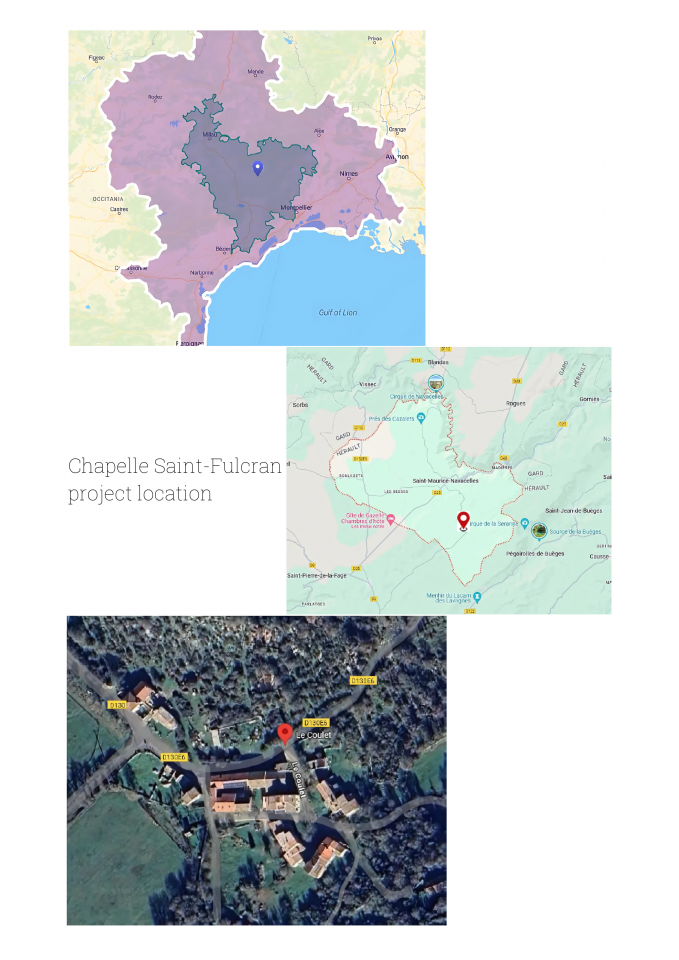
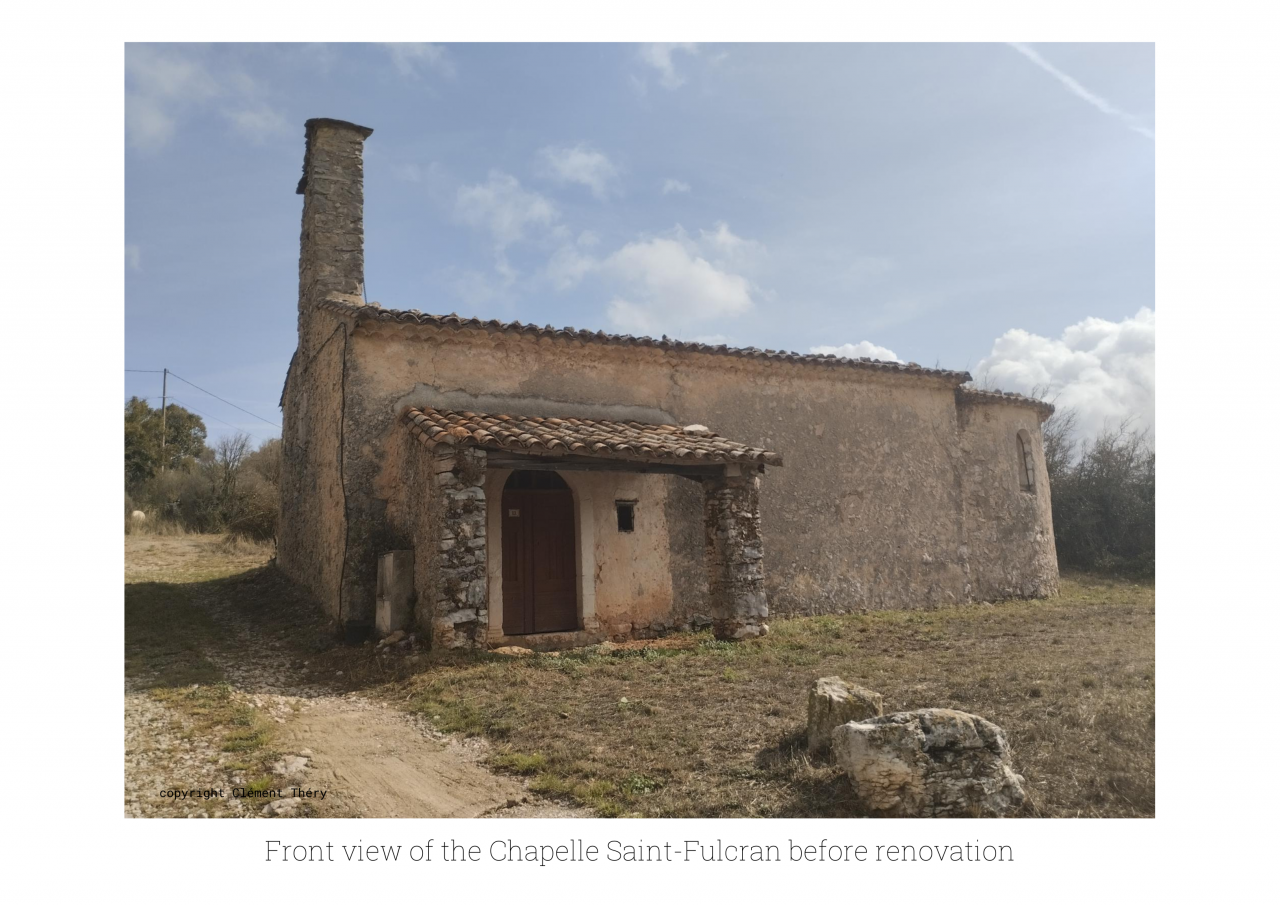
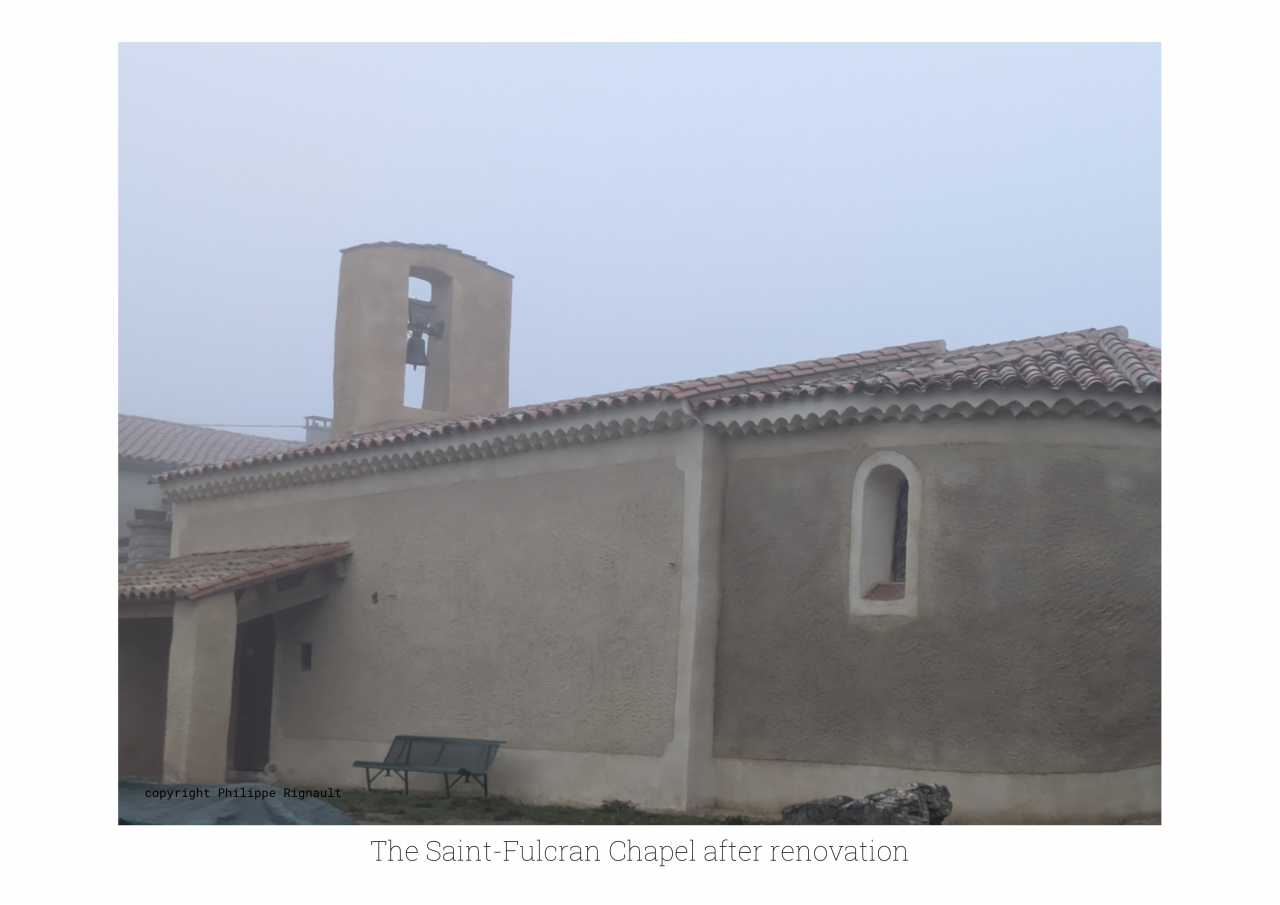
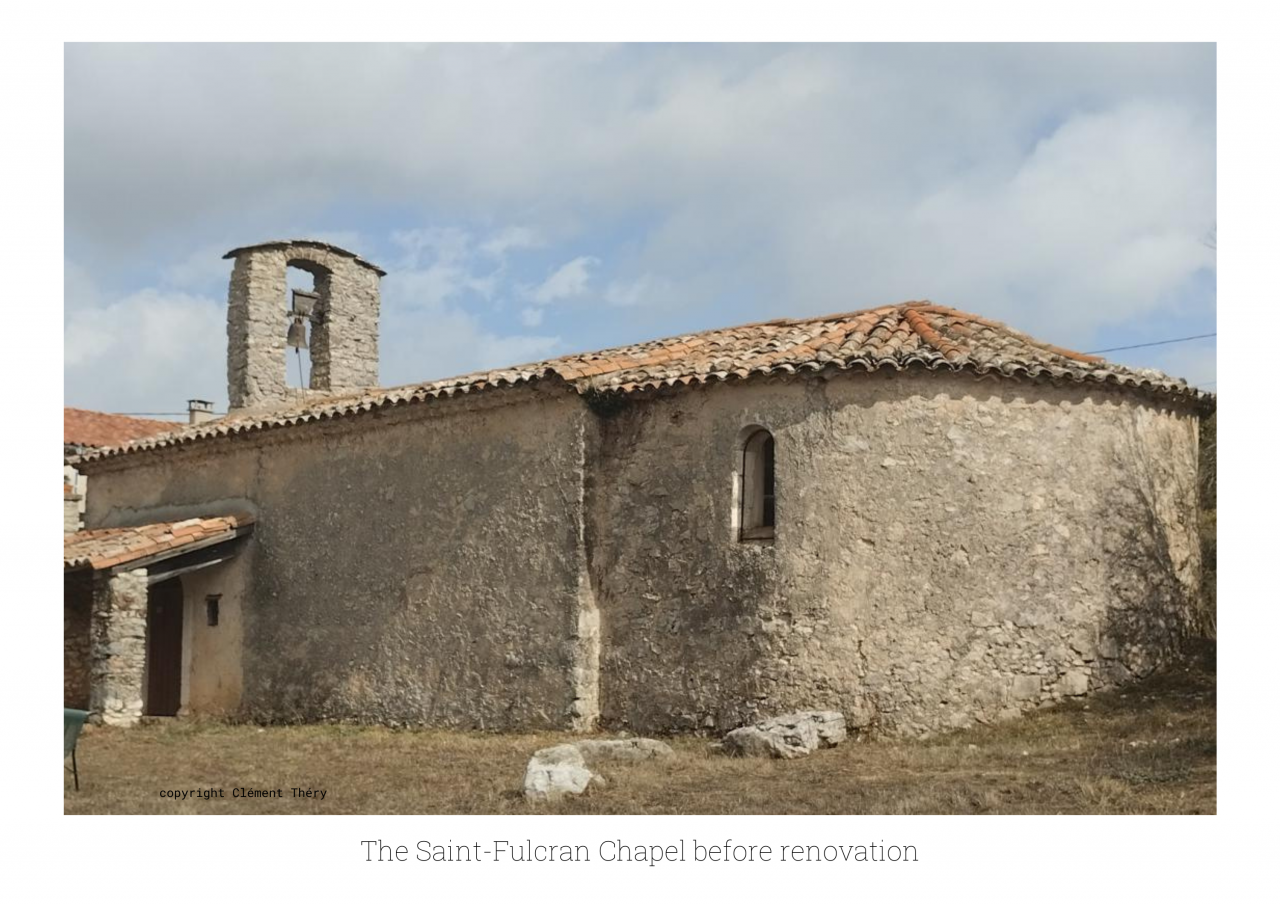
We are currently focusing on renovating the Chapelle Saint Fulcran, in the hamlet of Le Coulet, which was officially disused in 2024. This 17th-century chapel is located on a variant of the Routes of Santiago de Compostela, which leads to Saint Guilhem Le Désert. This route is very popular, and there is not enough accomodation for hikers. The conversion of the chapel will meet this need by creating a 12-bed stopover gîte. Architectural, heritage and profitability studies have demonstrated the interest and viability of the project, which will create permanent local employment and generate income for the municipality, two rare opportunities in our isolated regions.
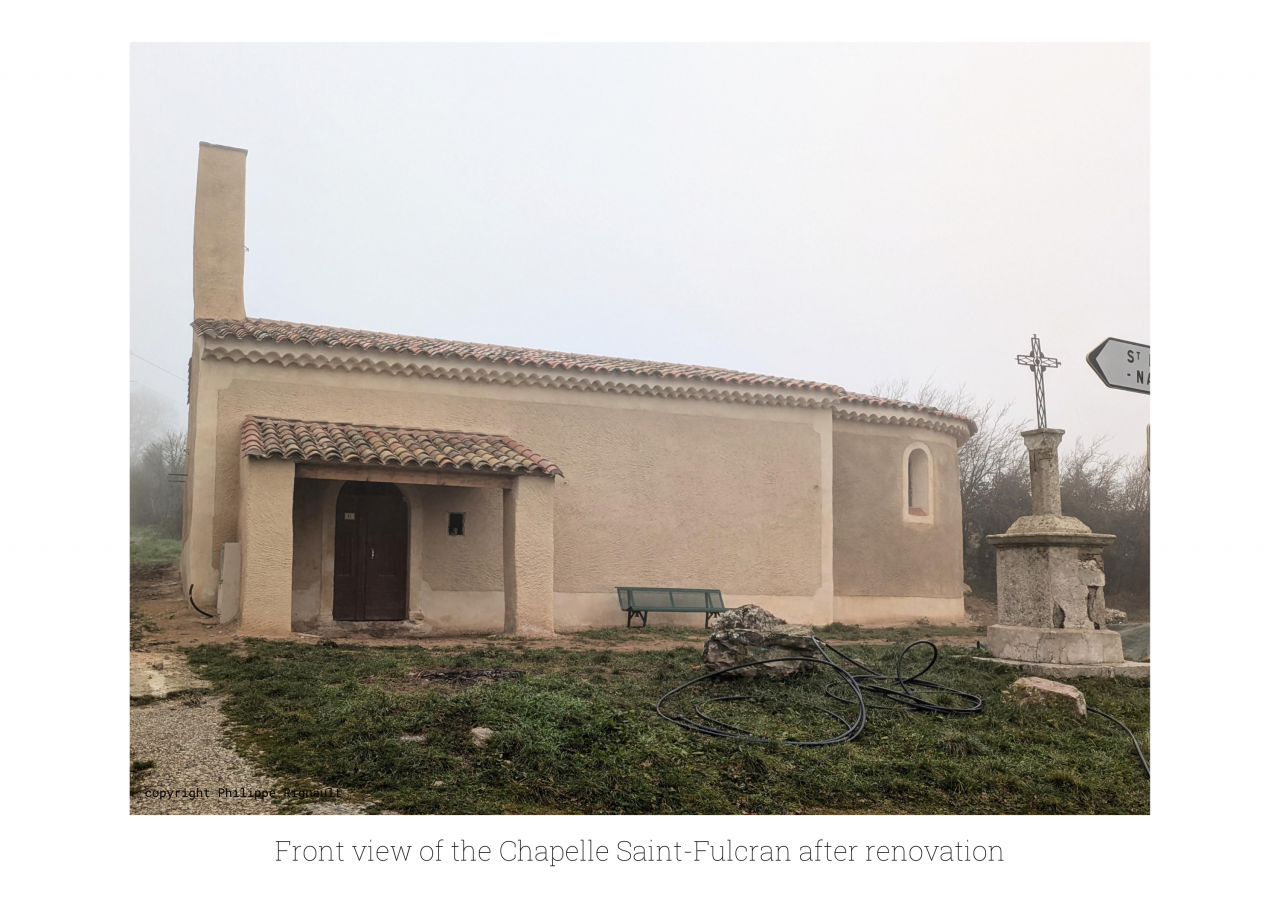
The project began in summer 2022, with the gîte due to open in spring 2026. The exterior of the chapel has been completely renovated and the interior fittings will follow, shared between local craftsmen and the commune's technical department.
Key objectives for sustainability
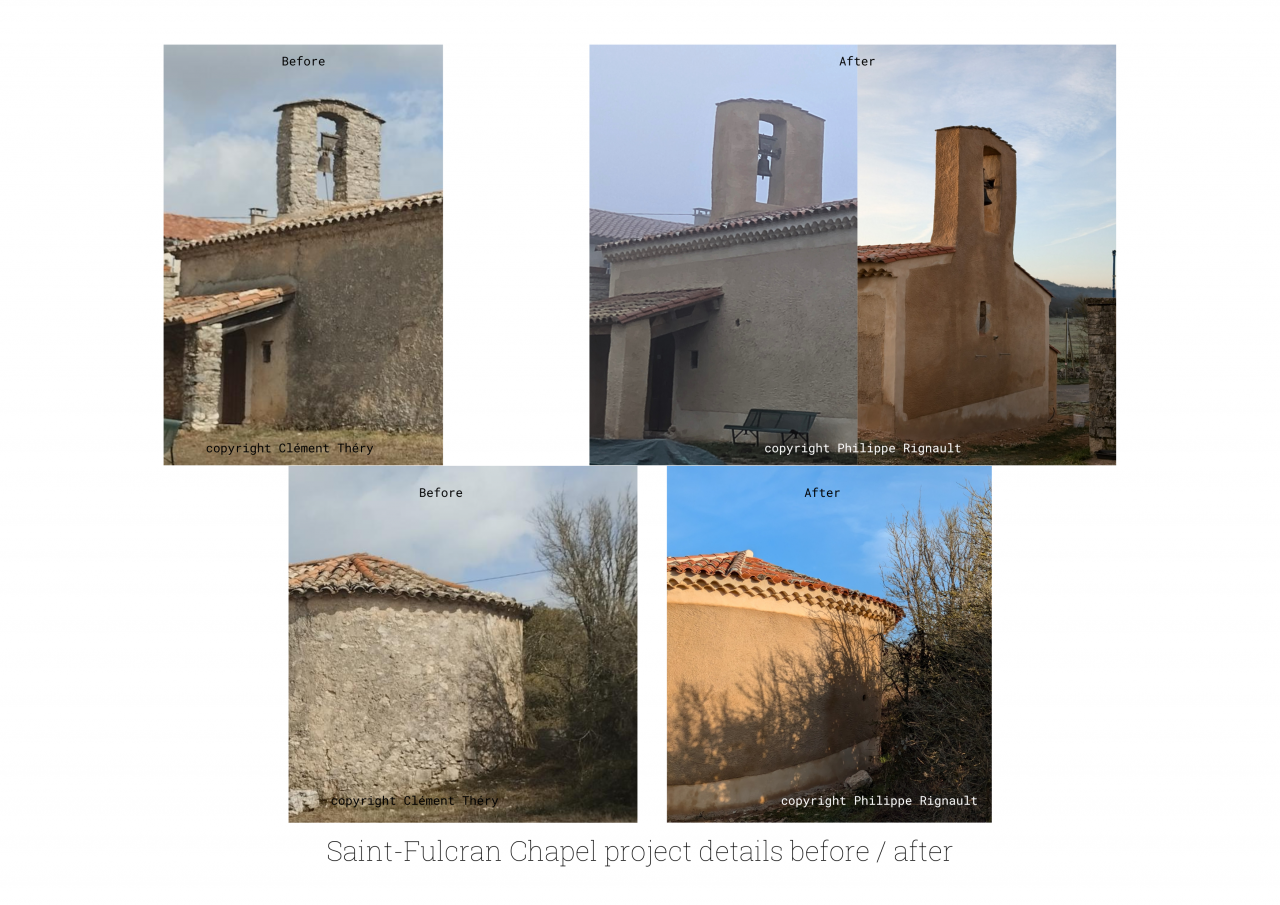
The redevelopment of the Chapelle Saint Fulcran will enable it to remain part of the village's heritage, respecting the original building, in particular by using old techniques for the exterior rendering and keeping the bell, preserving the symbol for the local population (in particular for the inhabitants of the hamlet of Coulet) and preserving its role as a meeting place.
Key objectives for aesthetics and quality
Converting the chapel into residential accommodation was neither simple nor ultimately feasible, as it would have required the opening of large windows, distorting the character of the building.
Among the many examples of conversions of religious buildings in small french rural communities, few are open to the public. For the most part, these are cultural venues: exhibitions, media libraries, etc. These solutions were not suited to the context of the Saint Fulcran's chapel.
Transforming the church into a stopover gîte quickly won the support of the local residents, provided it will remained a municipal building and that the external appearance of the church was respected. The Saint Fulcran's chapel is therefore in the process of being ‘recycled’ by society, its heritage quality is being preserved, its appropriation by the residents is natural and the sharing with future users will be simple. Arriving at sunset at the chapel, after a day's walk through the arid landscapes of the Larzac, walkers will experience the ancestral emotion of those who settled their families there, cultivated these capricious lands and settled their herds. They'll understand the people who still live there today and maintain their agro-pastoral activities, which have been honoured by UNESCO.
Key objectives for inclusion
The business model will take particular care to ensure that the gîte is affordable for as many hikers as possible. Different options will be offered to suit the budget of users: bed linen and towels provided or not, meals served at the table or prepared independently, cleaning included or paid for by users, etc. In this way, we hope to help keep hiking a leisure activity open to as many people as possible.
Rental will be free of charge for local associations, and a special rate will apply to residents wishing to use the gîte for family gatherings. The installation of a heating system (wood pellet stove) will make it possible to use the gîte outside the peak tourist season, from November to March.
How Citizens benefit
Although few in number, these direct neighbours of the Chapelle Saint Fulcran are the first to take an interest in its future. Many of their families have celebrated christenings, weddings and funerals there. So it was important for the town council to involve them in the project process. The elected representatives therefore met with them to answer all their questions and gather their suggestions and wishes (meetings with elected representatives and residents on 08 August 2022, 26 July 2023 and 31 July 2024). Their support for the project was not difficult to obtain and their fears, which mainly concerned the final appearance of the building and the retention of the bell, were quickly allayed. The future operation of the Gîte de la Chapelle Saint Fulcran is expected to generate economic activity and provide opportunities for people to meet and socialise, all of which are seen as positive for the life and future of the hamlet of Le Coulet.
Innovative character
The project to convert Saint Fulcran's chapel into a stopover gîte is therefore highly original for such a small commune and for such a small church isolated from major roads and centres of economic activity. Keeping its exterior intact by renovating it using traditional techniques, preserving its natural surroundings without installing a car park or tarmac access road, restoring the calvary in front of the chapel, respecting the interior volume by keeping the choir at its full height for the convivial space (kitchen and dining), all these actions are unusual in this kind of conversion of a religious building.
But for us, as elected representatives and residents, the most innovative aspect of this project is in the real recycling of the chapel in the community property. The gîte will provide local employment and significant economic spin-offs for our small region. It will be open and welcoming to local residents and visitors all year round. It will be part of the development of sustainable and virtuous tourism, rooted in local history and offering an insider's view of life in our countryside today.
Disciplines/knowledge reflected
Involving local residents, particularly those from the hamlet of Le Coulet, collecting their memories and taking account of local history helped to ensure their support for the project. They were reassured by the choice of craftsmen specialising in heritage buildings, sustainable technical solutions, step-by-step progress without going overboard, and the guarantee that the jobs generated by the activity would serve to secure a member of the local community.
Working with tourism professionals, other accommodation providers in the area and tourist offices, we were able to match the need for additional accommodation on the Route of Saint Guilhem Le Désert with the constraints of restructuring the Chapelle Saint Fulcran: respect for architecture and environment, durability of materials, frugal engineering, business model favouring short circuits, etc.
The project will enable local residents to rediscover their chapel in the renovated building and benefit from the economic spin-offs of running it as a stopover gîte. For the village, it will mean the creation of a permanent job and induced income for the municipality and local farmers, who supply meat, cheese, yoghurt, wine, etc. for the meals served to hikers.
The Gîte d'étape de la Chapelle Saint Fulcran will also restore the appeal of this section of the Route of Saint Guilhem passing through Le Coulet, which had fallen into disuse following the closure of two gîtes due to the retirement of their owners. The risk of over-frequentation of the other routes is reduced and the environment safeguarded, particularly in terms of biodiversity.
Methodology used
August 2022 - Meeting with the residents of the hamlet of Coulet
January 2023 - Decision to apply for exterior renovation grants
June 2023 - Architectural diagnosis for the exterior of the chapel
July 2023 - Meeting with residents of the hamlet of Coulet
September 2023 - First call for expressions of interest
December 2023 - Notification of the DETR grant for the exterior
March 2024 - Notification of Departmental grant for the exterior
May 2024 - Architectural study for the interior fit-out
June 2024 - Prefectoral decree of decommissioning
June 2024 - Appraisal of a proposed stopover gîte, financed by Hérault Tourisme and commissioned from Cabinet Alliances
July 2024 - Meeting with the residents of the hamlet of Coulet
August 2024 - Last mass after agreement to decommission the chapel
September 2024 - Re-roofing
October 2024 - Notification of grant from the Region
November 2024 - Renovation of the facades
January 2025 - Decision to apply for grants for interior renovation
January 2025 - Reinstallation of the bell
February 2025 - Installation of new joinery by the company Février
Pending notification of the grants requested for the interior refurbishments, we are planning :
September 2025 - Interior finishing work
April 2026 - Opening of the gîte
How stakeholders are engaged
Local residents have been consulted and kept informed as the project has progressed.
The financial partners (State, Département, Region) are informed of the progress of the work they have funded.
A heritage architect carried out the exterior diagnosis to ensure the quality of the renovation and an interior architect designed the conversion into a 12-bed gîte. All the craftsmen chosen come from the local community, and their work was orchestrated by the town council, which retained control of the project.Technical staff of the community will also be carrying out the final interior fittings: partitions, painting, installing the kitchen, etc.
All the choices for the future running of the gîte have been made taking into account the opinions of hikers' associations, tourism professionals and institutions of preservation of the sites. In October 2024, Hérault Tourisme commissioned a study entitled ‘Rapid appraisal of the Gîte d'étape Eglise du Coulet, guidelines for positioning the project’, which confirmed the possible economic viability of the project and provided guidance on the forms of management that could guarantee its success.
Global challenges
Renovating a building condemned to oblivion to meet the local need for accommodation for hikers meets the objective of Zero Net Artificialization of Soil recommended by the French government. Any new construction would have used up agricultural land, which is all the more precious in our regions because it is poor and scarce.
Opening new accommodation for hikers will help to spread the flow of traffic on the Saint Guilhem le Désert route along a complementary route. In this way, biodiversity will be less disturbed on each section and the environment preserved.
Entrusting work and supplies to local businesses and creating a job to manage the gîte will help maintain local populations and generate own resources for the commune, which are particularly valuable in the current economic climate.
Learning transferred to other parties
Next steps
Our project has been in development since the end of 2022. We were informed of the NEB ‘Coup de pouce pour les petites communes’ on 24 January 2025 by the architecture and heritage coordinator of the Communauté des Communes du Lodévois et Larzac. After reading the Guide for applicants, we were convinced that our objectives, our working methods and the overall philosophy of our project were in line with the values and principles of NEB.<br />
<br />
Sustainability and aesthetics: maintaining a remarkable building as part of the town's heritage, using traditional techniques to renovate it, preserving the symbolism it represents for the local population (particularly the inhabitants of the hamlet of Coulet) and using frugal engineering throughout the project...<br />
<br />
Involving local residents and taking account of the local fabric: regular meetings with the residents of the hamlet of Le Coulet to gather their wishes and fears, choice of companies to carry out the studies and works, projected profitability of the gîte including the use of local farmers to prepare the meals, etc.