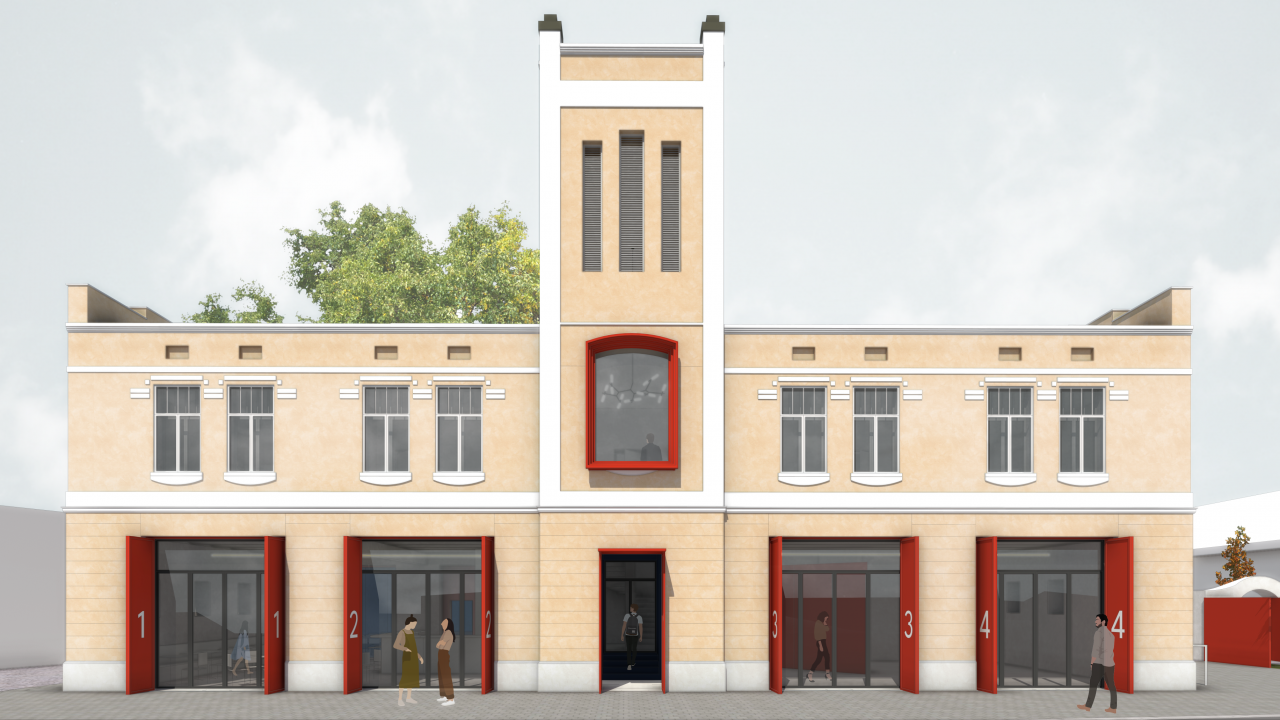
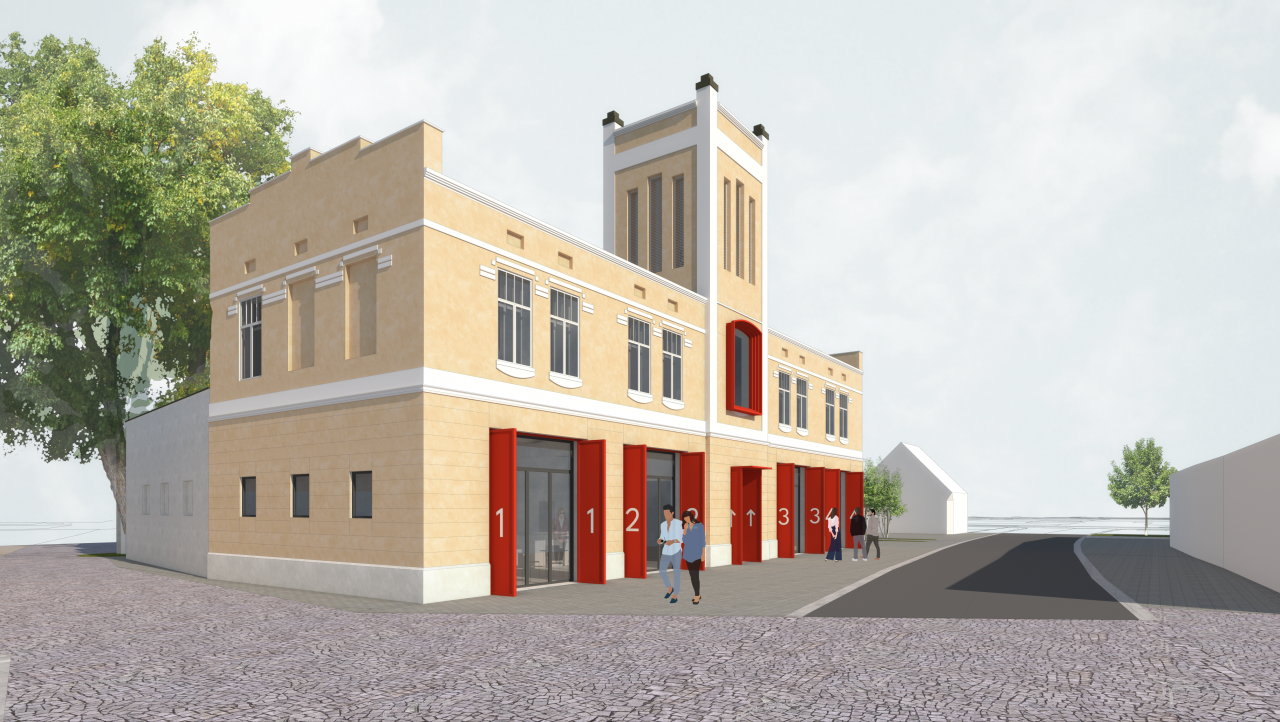
Hasička, the old fire station renovation
Basic information
Project Title
Full project title
Project Description
Current stage development
Project Region
Municipality
EU Programme or fund
Description of the project
Summary
Mikulov today has about 7,500 residents and a stable demographic structure, though aging trends are present. Its economy is diversified, focusing on winemaking, tourism, light industry, and services. Extensive vineyards produce high-quality wines, while the town’s cultural monuments and proximity to the Pálava UNESCO biosphere attract tourists.
In 2025, Mikulov continues blending heritage with development. The "Hasička" project aims to meet new expectations of life in a small twon for younger generations by creating a multifunctional center for community engagement, culture, and economic development. The project revitalizes a historically significant brownfield site.
Specific objectives
The mission is to develop a sustainable hub for cultural events and creative industries. By collaborating with the architectural studio KOGAA we have created a feasibility study, which focuses on:
● Adaptive Reuse: Transforming a brownfield into a functional hub.
● Industrial Minimalism: Retaining raw aesthetics, open spatial concepts.
● Contextual Design: Respecting historical and urban contexts while infusing new, attractive uses for each space to bring diverse groups together.
Planned Operations
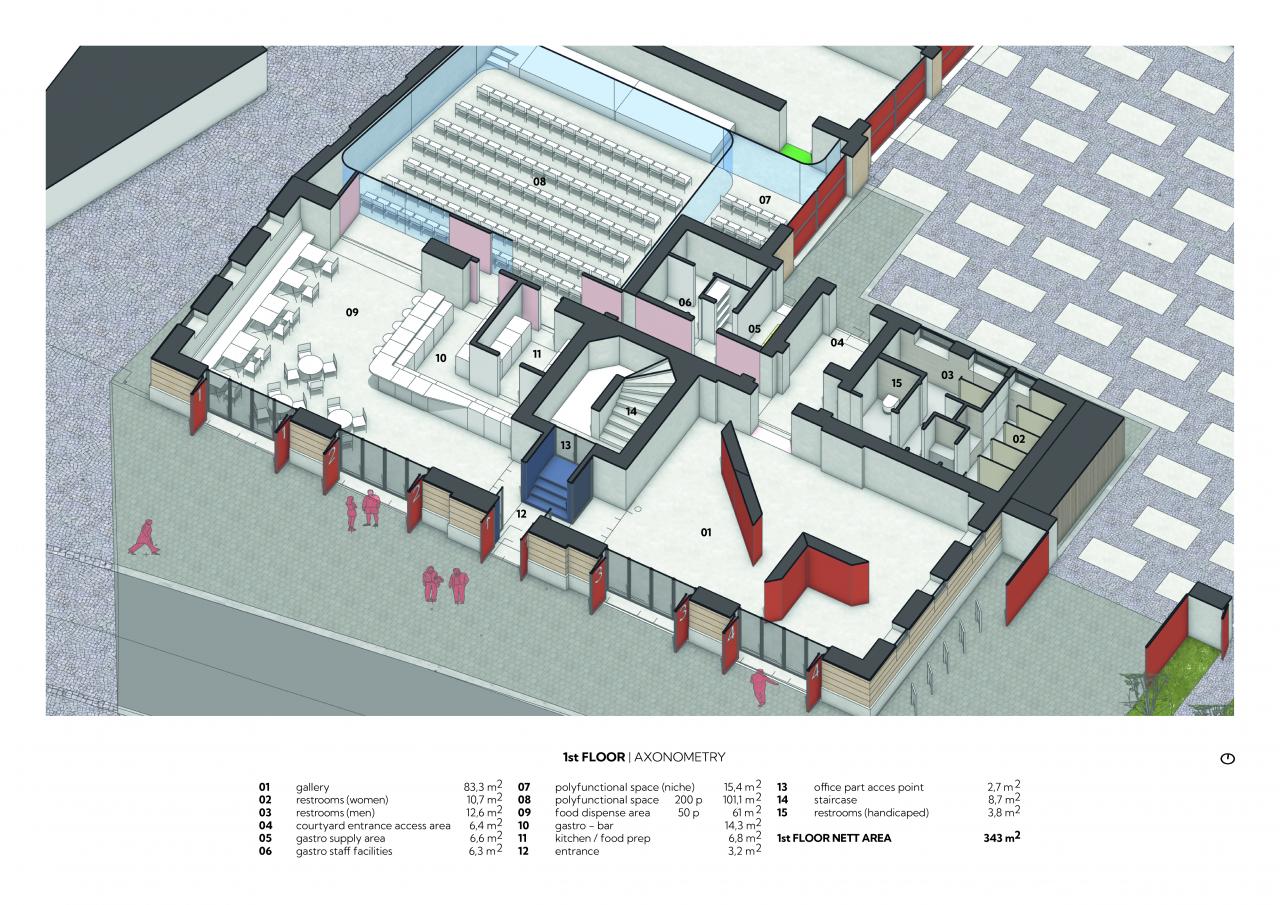
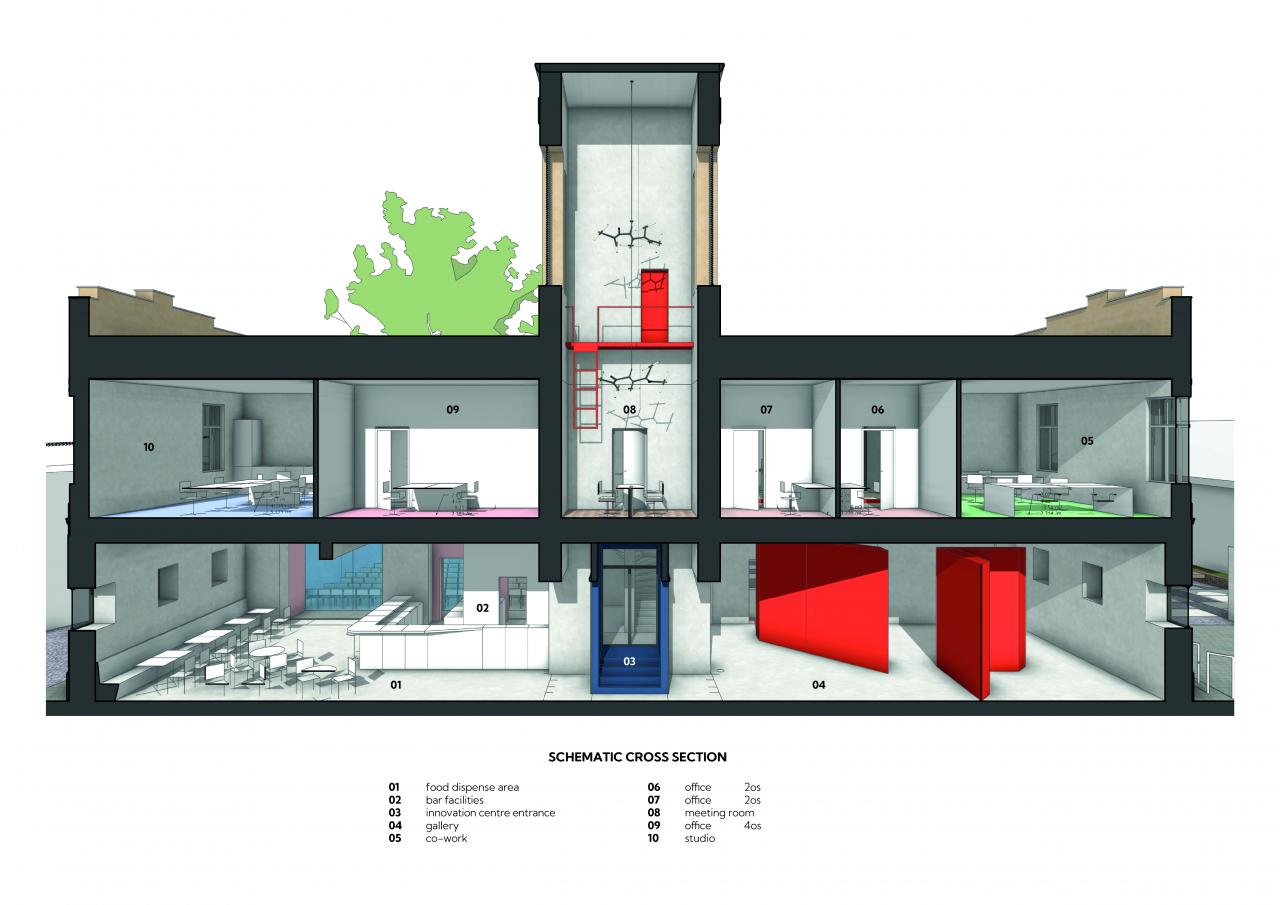
Ground Floor (343 m²):
● Gastro operation for the public
● Multifunctional hall for community events
● Exhibition space for cultural activities
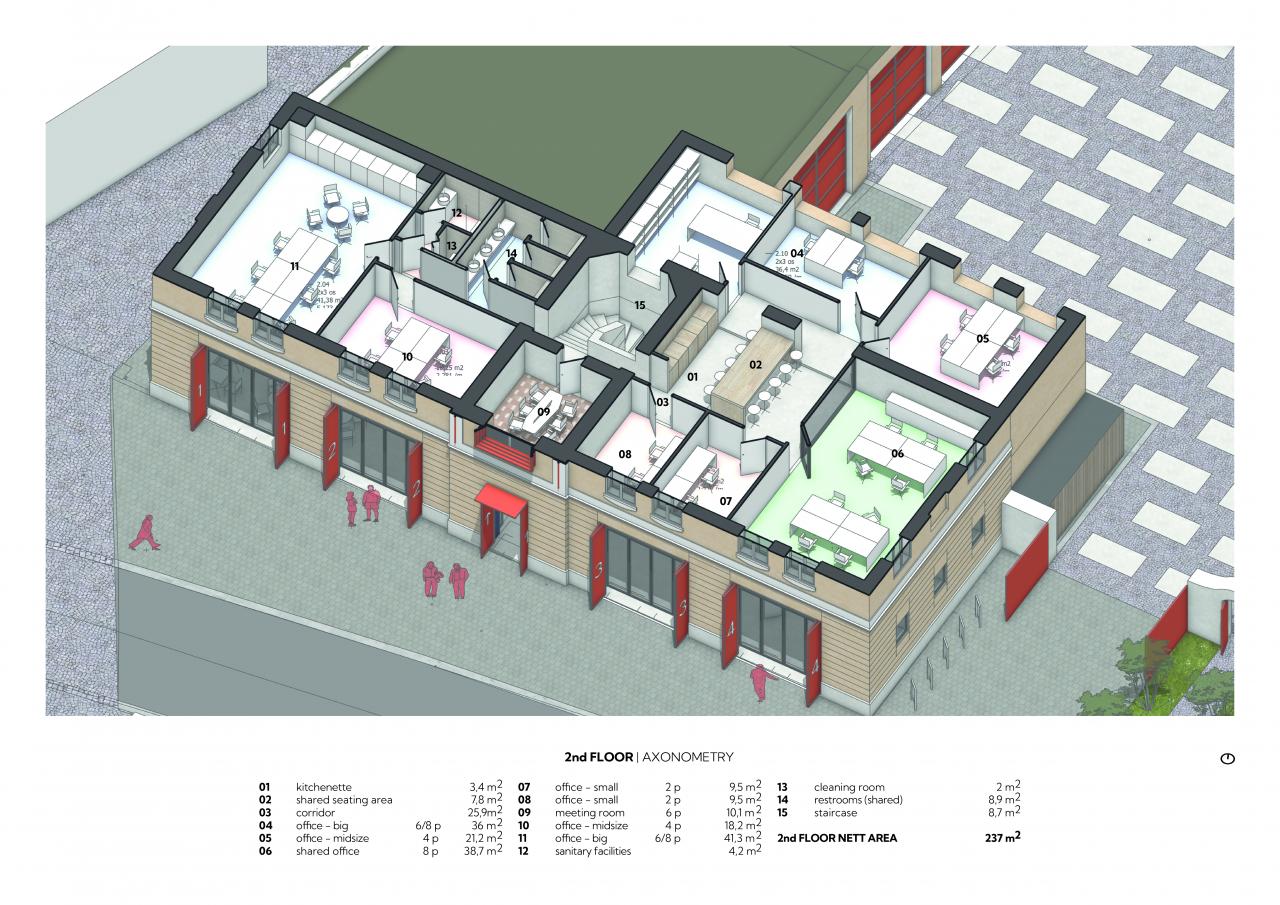
1st Floor (237 m²):
● Offices for creative professionals
● Coworking spaces and meeting rooms
Target Groups
● Creative professionals and micro-businesses
● Remote workers
● Residents and visitors seeking cultural activities
The project aims to position Mikulov as a modern town open to innovation and creativity, diversify its economy, retain local talent, and strengthen connections between businesses and cultural actors.
Key objectives for sustainability
• Adaptive reuse of a historic building: By revitalizing the former fire station, the project minimizes the need for new construction, preserving the building’s historical value while giving it a new, functional life. This adaptive reuse strategy reduces construction waste and energy consumption associated with new buildings, making the project a sustainable choice in preserving local heritage.
• Eco-Conscious design: The architectural approach incorporates green technologies and passive design principles. KOGAA’s sustainable approach focuses on energy efficiency through the use of natural materials and sustainable construction practices. By optimizing natural light, ventilation, and thermal comfort, the project reduces energy consumption and lowers its carbon footprint.
• Industrial minimalism: The building design embraces industrial minimalism, using raw, exposed materials and repurposed elements whenever possible. This approach minimizes the consumption of new materials, promotes the use of locally sourced materials, and supports circular economy principles by reducing waste and encouraging reuse.
• Sustainable economy: Hasička offers a range of rental spaces designed to support creative professionals and organizations. The rental rates will be structured to be accessible to make professional workspaces affordable for individuals and small teams in the creative sector.
By embracing these principles, the Hasička initiative is a model of how adaptive reuse and sustainable design can contribute to both cultural preservation and the future development of a community, demonstrating a balance between modern needs and environmental and economical responsibility.
Key objectives for aesthetics and quality
• By giving a new function the historic fire station, the project fulfills the first ambition of the NEB: activating the cultural and economic life of the town. Hasička preserves its historical essence while transforming into a vibrant, dynamic space that meets the demands of today’s lifestyle. The raw, industrial aesthetics maintained through KOGAA’s design approach create an environment that is both functional and beautiful, inviting users to engage with the space on a deeper, emotional level.
• The second ambition is to create a venue where citizens can organize events (in the multifunctional hall or gallery space), meet with friends (at the coffee bar), and interact with visitors or local professionals working in the offices on the first floor. The rental spaces are tailored to the needs of creative professionals and organizations, enabling them to benefit in their businesses by fostering easy and efficient collaboration.
• The third ambition is to integrate new, enduring cultural and social values for small-town living, with a focus on promoting attractive remote work opportunities. The project not only revitalizes a historic building but also establishes a hub for creativity, innovation, and cultural exchange. Its emphasis on sustainability, collective collaboration, and nurturing local talent embeds new values that directly contribute to the town’s cultural evolution.
The Hasička project demonstrates that beauty emerges not from isolated design elements, but from a collective creative process that prioritizes functionality, context, and the well-being of its users. It is a powerful example of how thoughtful, context-aware design can drive positive social and cultural change.
Key objectives for inclusion
We have embedded design-for-all principles into the project’s concept, including a central location that makes the space welcoming for people of all ages and abilities.
Affordable coworking spaces, flexible office layouts, and shared meeting rooms provide opportunities for local creative professionals and remote workers, ensuring that economic participation is accessible to all.
We actively engage local stakeholders, cultural representatives, and community members in the planning and decision-making process. This collaborative approach ensures that the diverse voices within Mikulov are heard, fostering a sense of ownership and belonging.
We have also collaborated with several professionals in the field of strategic planning for municipalities, and the outcomes are integrated into the binding strategic documents of the municipality of Mikulov.
Furthermore, Hasička supports new societal models by seamlessly integrating historical preservation with modern functionalities. It is a living example of how adaptive reuse can revitalize a cultural landmark while promoting sustainable, inclusive growth. The project not only enhances physical access and affordability but also enriches social interactions, paving the way for innovative and equitable urban development. In doing so, Hasička sets an exemplary standard for future initiatives, demonstrating that inclusive design and participatory governance can create spaces that truly serve and empower every member of the community—even in small towns on border.
How Citizens benefit
Innovative character
Key innovative elements include:
• Adaptive Reuse with Contextual Sensitivity: Hasička preserves its rich heritage by repurposing the building’s original character. The design respects the urban and historical context while introducing new functions.
• Industrial Minimalism: By embracing raw, industrial aesthetics with sustainable design principles, the project minimizes the need for new materials, reducing environmental impact while enhancing authentic charm.
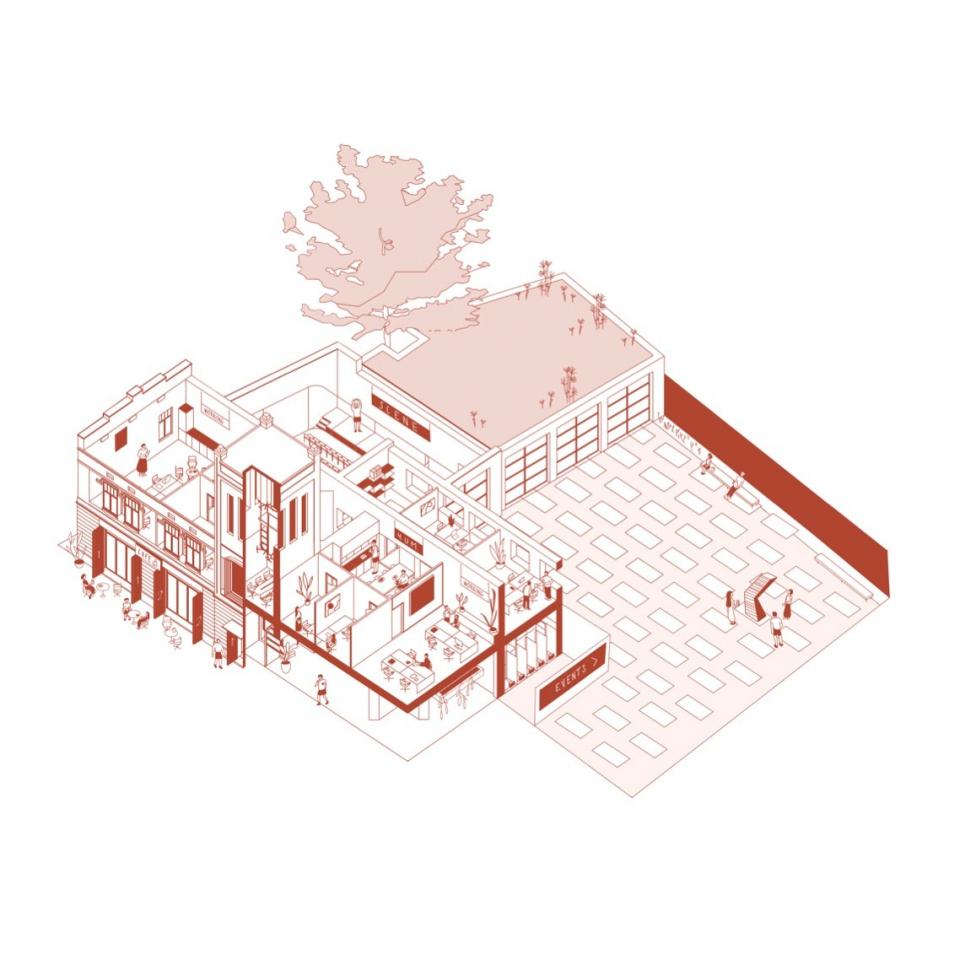
• Multifunctional Integration: The initiative offers a seamless blend of spaces—on the ground floor, a public gastro operation, community events hall, and cultural exhibition area; on the first floor, offices, coworking spaces, and meeting rooms. This flexible layout fosters both spontaneous interactions and planned collaborations among creative professionals, local residents, and visitors.
• Sustainable Economic Model: Generating income through diversified operations, including renting modern workspaces alongside cultural venues, Hasička supports local entrepreneurship and reduces reliance on public funding, paving the way for a self-sustaining cultural hub.
• Community Synergy: The initiative creates an ecosystem where cultural events, business innovation, and everyday social interactions intersect. It serves as a living lab for interdisciplinary projects that enhance local identity and drive broader economic development.
Together, these elements position Hasička as an exemplary model of urban revitalization, demonstrating how thoughtful design and multifunctional programming can transform a brownfield into a vibrant place.
Disciplines/knowledge reflected
The initiative integrates diverse disciplines to create a multifunctional community hub:
• Ground Floor: The gastro operation, multifunctional hall, and exhibition space are highly accessible to the public. The gastro operation serves as a social hub where residents and visitors naturally meet, while the multifunctional hall hosts community events, workshops, and pop-up gatherings that draw diverse audiences. The exhibition space provides a dynamic platform for local artists and cultural projects, inviting dialogue and creative expression.
• First Floor: Offices, coworking spaces, and meeting rooms are dedicated to creative professionals and micro-businesses. These spaces facilitate planned interactions through networking sessions, brainstorming workshops, and collaborative meetings, enabling participants to exchange ideas, forge partnerships, and work on joint projects. The space is also designed to accommodate national institutions, NGOs, and universities, further enhancing collaborative opportunities.
• Inter-Floor Interaction: Connections between floors naturally begin in the coffee areas and are further enhanced by a comprehensive cultural program offered throughout the hub.
By integrating diverse functions within a single, thoughtfully designed hub, the Hasička initiative sets an exemplary standard for creating environments where aesthetics, functionality, and community engagement converge to drive cultural and economic development.
Methodology used
Our methodology centers on adaptive reuse—transforming the historic fire station into a modern, sustainable center with new functions. This vision is supported by strategic documents approved by the City Council. Through consultations with regional institutions such as KUMST (Brno) and Technologické inovační centrum (Zlín), we engaged KOGAA studio to develop a feasibility study anchored in specific KPIs:
• Parallel usability: Assessing how many operational typologies can coexist within the space.
• Layout flexibility: Evaluating the ease of reconfiguring spaces.
• Multifunctionality: Determining each space’s potential to accommodate diverse activities.
In addition to these quantitative metrics, our process incorporates iterative feedback from community workshops, stakeholder meetings, and expert consultations.
In 2025, we will continue this dialogue to refine the design, ensuring it meets technical requirements while resonating with the public’s emotional and cultural expectations. Our application for the NEW prizes is part of this effort.
Sustainability is integrated at every stage—from reducing environmental impact through adaptive reuse to incorporating energy-efficient systems and eco-conscious materials. By linking historical preservation with innovative design and flexible programming, our methodology creates a dynamic, multifunctional hub that supports cultural events, creative enterprises, and community engagement.
How stakeholders are engaged
Local stakeholders: • Citizens: During the development of strategic documents such as the “Mikulov Strategy 2035” and the “Concept of Culture and Tourism 2023,” multiple questionnaires, workshops, public presentations, and guided interviews were conducted. These efforts revealed a strong public demand to transform the former fire station into a community space. • Local Creative Community: To assess the potential for new local businesses, the town of Mikulov and the South Moravian Region supported entrepreneurial citizens through the “Podnikni to!” course, which fosters new projects and ideas. This course was attended by over 30 participants from various stages of business development.
Regional stakeholders: • KUMST Cooperation: The KUMST institution, dedicated to supporting professionals in the cultural and creative industries in South Moravia and operated by the Innovation Center (JIC), participated in a project mapping the cultural and creative industries (CCI) in the region. • Regional Economic Strategy: Creative industries are featured in the “Economic Strategy of the South Moravian Region” (2024), where small creative hubs and centers are recognized as key elements for supporting the regional economy, enhancing competitiveness, and linking business with research and education.
National stakeholders:
• Government Strategy for the development and promotion of CCIs to harness the cultural capital, talent, and creativity of the population.
• National Institutions: CzechInvest, CzechTrade etc.
• Universities and Research Institutions
Global challenges
Firstly, it addresses urban decay and heritage loss by transforming an underutilized fire station into a vibrant hub. This adaptive reuse preserves a valuable piece of history while revitalizing the urban fabric, offering a replicable model for sustainable regeneration in other cities.
Secondly, the project confronts economic challenges like regional inequality and brain drain by fostering local entrepreneurship and creative industries. With affordable coworking spaces, flexible offices, and community-driven cultural events, Hasička creates an ecosystem that stimulates local innovation and job creation. This approach serves as a blueprint for regions seeking to diversify their economies and retain talent.
Thirdly, environmental sustainability is integral to the initiative. By repurposing an existing building instead of constructing a new one, Hasička minimizes resource use and waste while incorporating eco-conscious design principles. This strategy supports the global fight against climate change and demonstrates a practical method for reducing the environmental footprint of urban development.
Lastly, the initiative enhances social cohesion by engaging citizens and civil society in every phase—from planning to execution. This inclusive process ensures that diverse community voices shape the project, fostering a strong sense of ownership and belonging. In doing so, Hasička combats social fragmentation by creating spaces for cultural exchange and collective experiences.
In summary, Hasička offers a multifaceted local solution to global challenges, serving as an exemplary model for sustainable, inclusive, and culturally enriched urban development.
Learning transferred to other parties
First, its adaptive reuse methodology—transforming a historic fire station into a multifunctional cultural and economic hub—serves as a blueprint for revitalizing underutilized buildings while preserving heritage. Guided by KOGAA’s principles of industrial minimalism, contextual design, and eco-conscious solutions, this approach demonstrates how to maintain a structure’s historical essence while meeting modern needs.
Second, the project’s emphasis on participatory governance and community engagement can be applied broadly. By involving local stakeholders through consultations, workshops, and advisory panels, Hasička ensures that its design and functionality reflect community aspirations. This inclusive process builds local ownership and fosters social cohesion, making it a valuable model for empowering diverse groups.
Third, the multifunctional design—with flexible spaces for coworking, cultural events, exhibitions, and community gatherings—is easily adaptable to various urban environments. This modular approach accommodates different functions and user needs, from creative professionals and entrepreneurs to residents and tourists. Additionally, integrating sustainable, eco-friendly technologies reinforces the project's long-term viability and environmental responsibility.
Finally, the learnings and best practices derived from Hasička—from design methodologies and operational processes to community integration strategies—provide a replicable framework. Other regions can adopt these insights to promote economic diversification, cultural exchange, and inclusive urban regeneration, establishing Hasička as an exemplary model for transformative projects worldwide and demonstrating that even small cities can offer exciting work-life opportunities in the 21st century.
Next steps
The further development and implementation of the Hasička initiative is structured around a clear timeline that integrates NEB values—beauty, inclusion, and sustainability—into every phase.<br />
1. Preparatory Phase (12 months):<br />
• Project Development for Building Permit (6 months, including review feedback): Craft a detailed design that embodies adaptive reuse, eco-conscious design, and inclusive planning.<br />
• Securing the Building Permit (3 months): Ensure regulatory compliance while maintaining design integrity.<br />
• Construction Execution Project (4 months, potentially integrated with the permit application): Refine the design to balance historic preservation with modern needs.<br />
• Contractor Selection and Contract Signing (2 months): Conduct transparent, participatory processes involving local stakeholders and civil society to ensure community ownership.<br />
2. Implementation Phase (12 months):<br />
• Construction Works: Execute structural work including foundations, load-bearing walls, floors, roofs, and technical installations (water, electricity, sewage, gas).<br />
• Finishing Works: Install interior elements (windows, doors, flooring, painting) with an emphasis on energy efficiency and preserving historical character.<br />
3. Control and Quality Management:<br />
• Conduct continuous quality checks and adhere to technical standards throughout construction, with proactive problem-solving to ensure project resilience.<br />
4. Completion and Handover:<br />
• Perform final inspections, safety and functionality tests, and secure necessary documentation (e.g., occupancy permit).<br />
• Officially hand over the project to the investor, marking the transition to a fully operational, community-centered space.<br />
5. Operation and Maintenance:<br />
• Establish robust processes to manage and maintain the building’s long-term functionality and adaptability.<br />