"The ugly duckling's metamorphosis"
Basic information
Project Title
Full project title
Project Description
Current stage development
Project Region
Municipality
EU Programme or fund
Description of the project
Summary
At first, the people of the town were hesitant to accept the newcomers. They were afraid that they would change the town and make it unrecognizable. But the newcomers were patient and understanding. They showed the people of the town that they were not there to change it, but to make it better.
They started by cleaning up the town and fixing the houses. They also started a community garden and a farmers market. They organized festivals and concerts. And they opened a community center where people could come together and socialize.
Slowly but surely, the people of the town began to accept the newcomers. They realized that they were not so different after all. They were all people who wanted to live in a safe and welcoming community.
The town began to thrive. The economy improved and the population grew. People from all over the world came to visit the town and see what it was like.
The town became a model for other communities. It showed the world that it is possible to create a diverse and inclusive community where everyone feels welcome.
With the prize money, we aim to restore the old town laundry, a place filled with history and fond memories for all of us. We want to create a beautiful and inclusive space where everyone feels welcome. We believe that by restoring this special place, we can create a lasting symbol of our commitment to diversity and inclusion.
Key objectives for sustainability
Key objectives for aesthetics and quality
Key objectives for inclusion
How Citizens benefit
Innovative character
In contrast, this project prioritizes sustainability, beauty, and inclusivity, recognizing their long-term value. While the initial investment may be higher, the benefits are far-reaching:
Environmental sustainability: Utilizing local materials and energy-efficient designs reduces the project's ecological footprint.
Aesthetic appeal: Creating a visually pleasing environment fosters community pride and attracts visitors.
Social inclusion: Ensuring accessibility and affordability for all residents promotes a sense of belonging and strengthens social bonds.
This approach challenges the conventional mindset by demonstrating that investing in quality and sustainability yields greater returns in the long run. It sets a new standard for rural development, proving that it is possible to create thriving communities that are both beautiful and sustainable.
Disciplines/knowledge reflected
Municipal technicians, acknowledging the residents' concerns and the potential for positive impact, assessed the site. Seeing the value in this community-driven initiative, the council opted for a collaborative approach.
Together, residents and the local government drafted a proposal to submit to the New European Bauhaus Prizes. This joint effort aimed to secure the necessary funding to not only restore the laundry but also to further the ongoing revitalization of the town.
This approach highlights the power of community engagement in rural development. By working together, residents and local authorities are breathing new life into a cherished landmark, creating a space for all to enjoy and fostering a stronger sense of unity.
Methodology used
Community-driven approach: Residents are actively involved in decision-making, ensuring the project reflects their needs and aspirations.
Expert engagement: The project prioritizes hiring top-tier professionals, recognizing that their expertise is crucial for achieving high-quality, sustainable results.
Long-term vision: The focus is on creating a lasting legacy rather than opting for short-term, cost-effective solutions. This approach ensures the project's benefits extend far into the future.
By combining community engagement with expert knowledge and a long-term perspective, this initiative sets a new standard for rural development, proving that investing in quality and sustainability yields greater returns in the long run.
How stakeholders are engaged
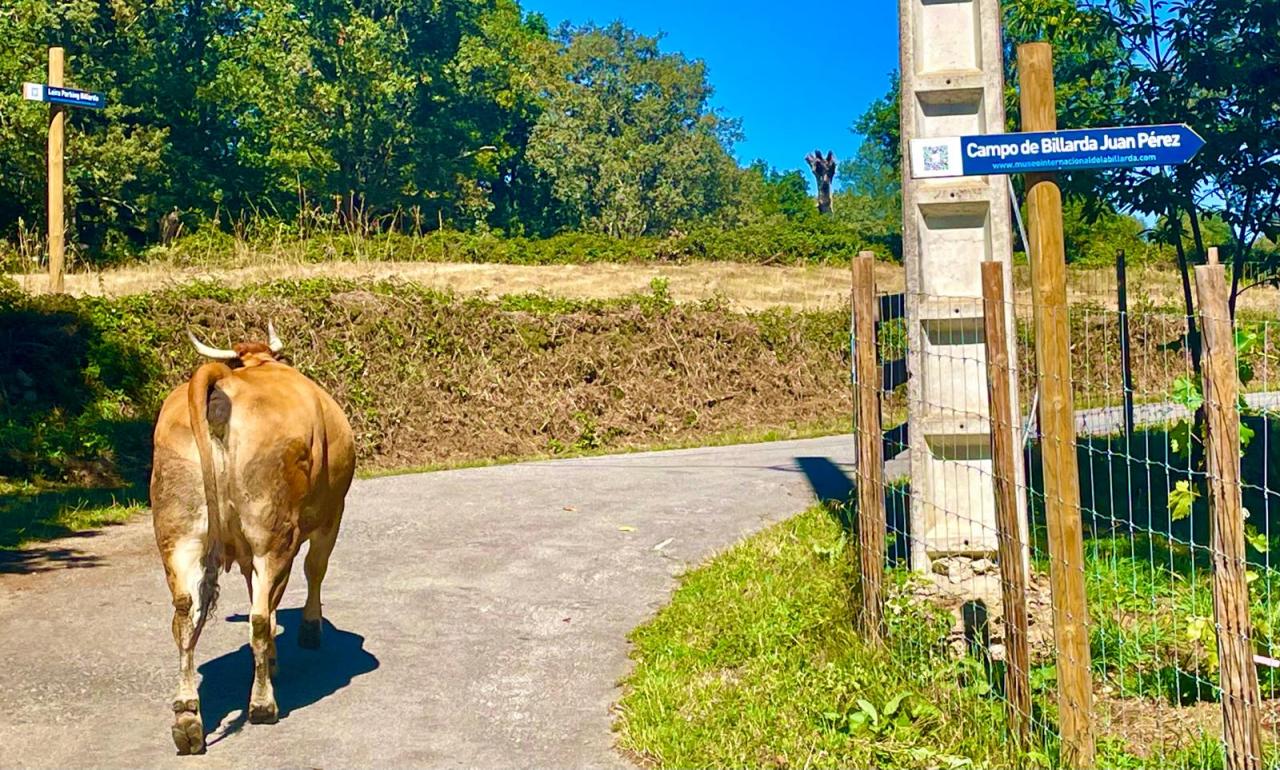
1.- Access roads to the village (Regional Administration)
2.- Municipal fountain (Provincial Administration)
3.- Concreting of the village (Local Administration)
4.- Galician stick game sports field (Private initiative)
5.- Municipal parking (Private initiative)
6.- Museum (made by the residents)
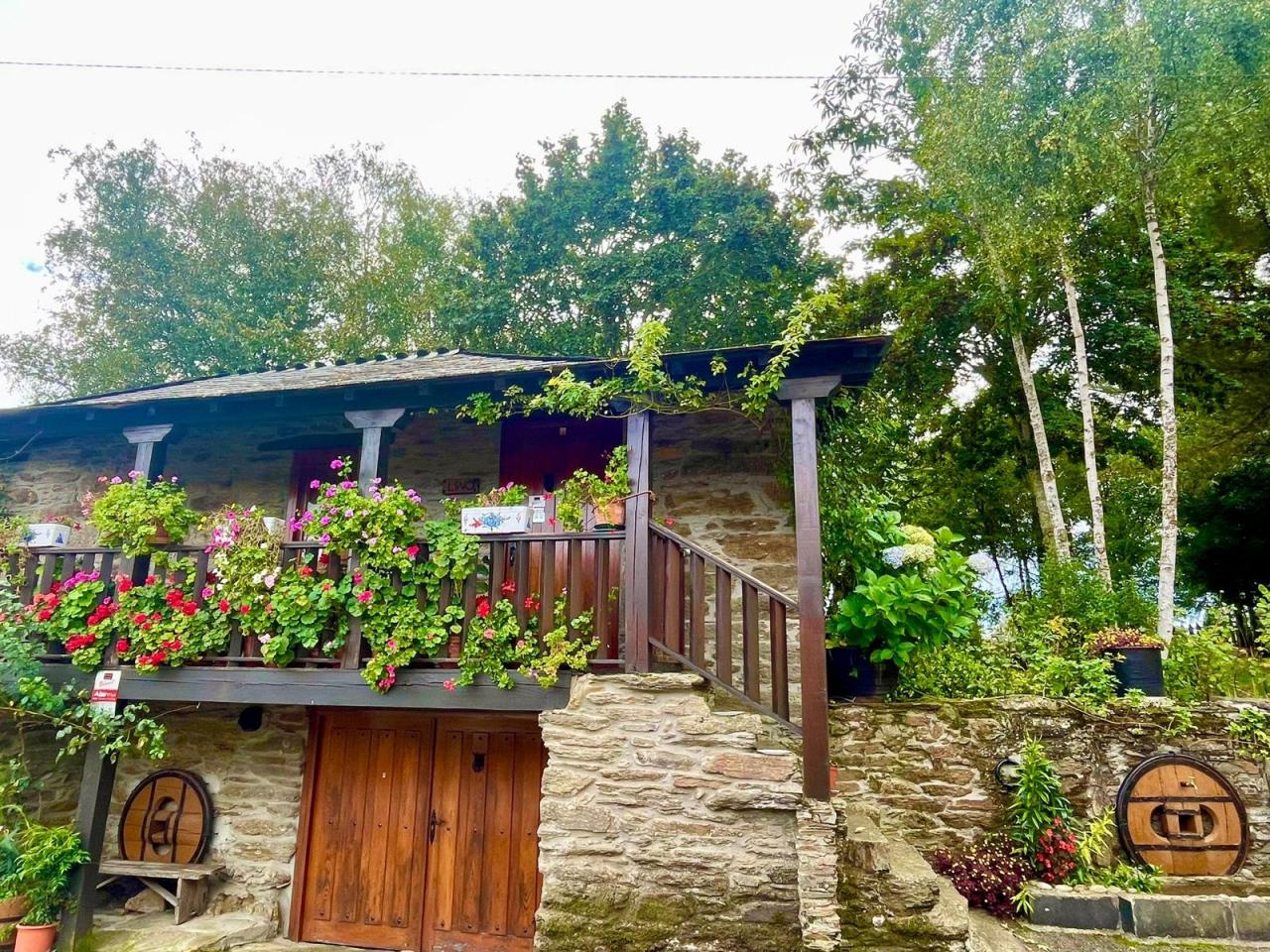
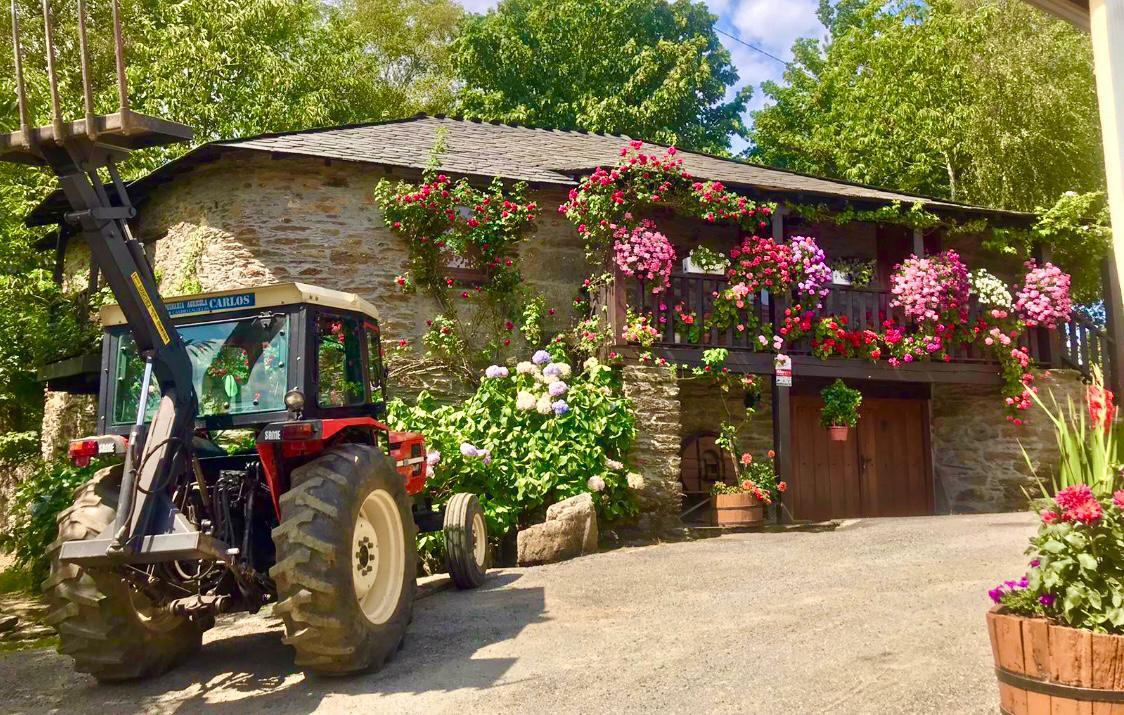
7.- Flowers (made by the residents)
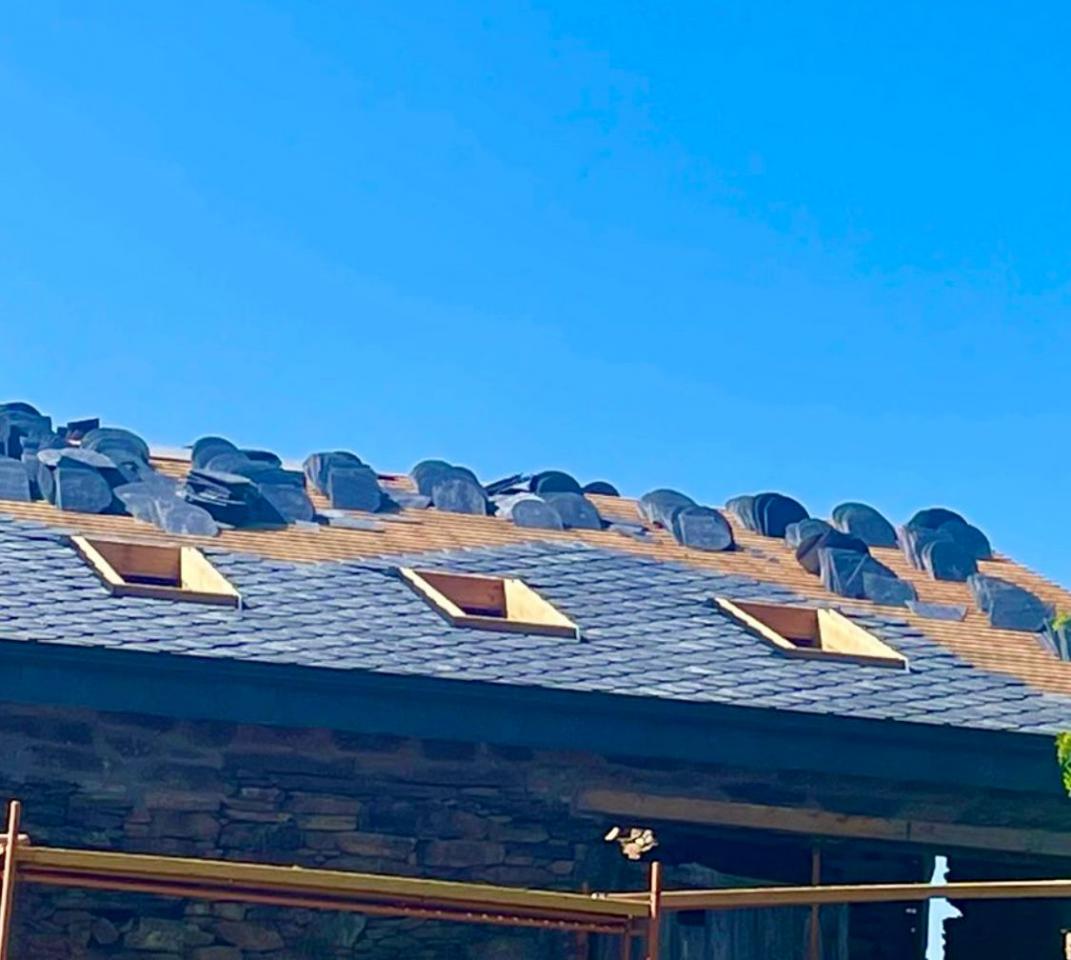
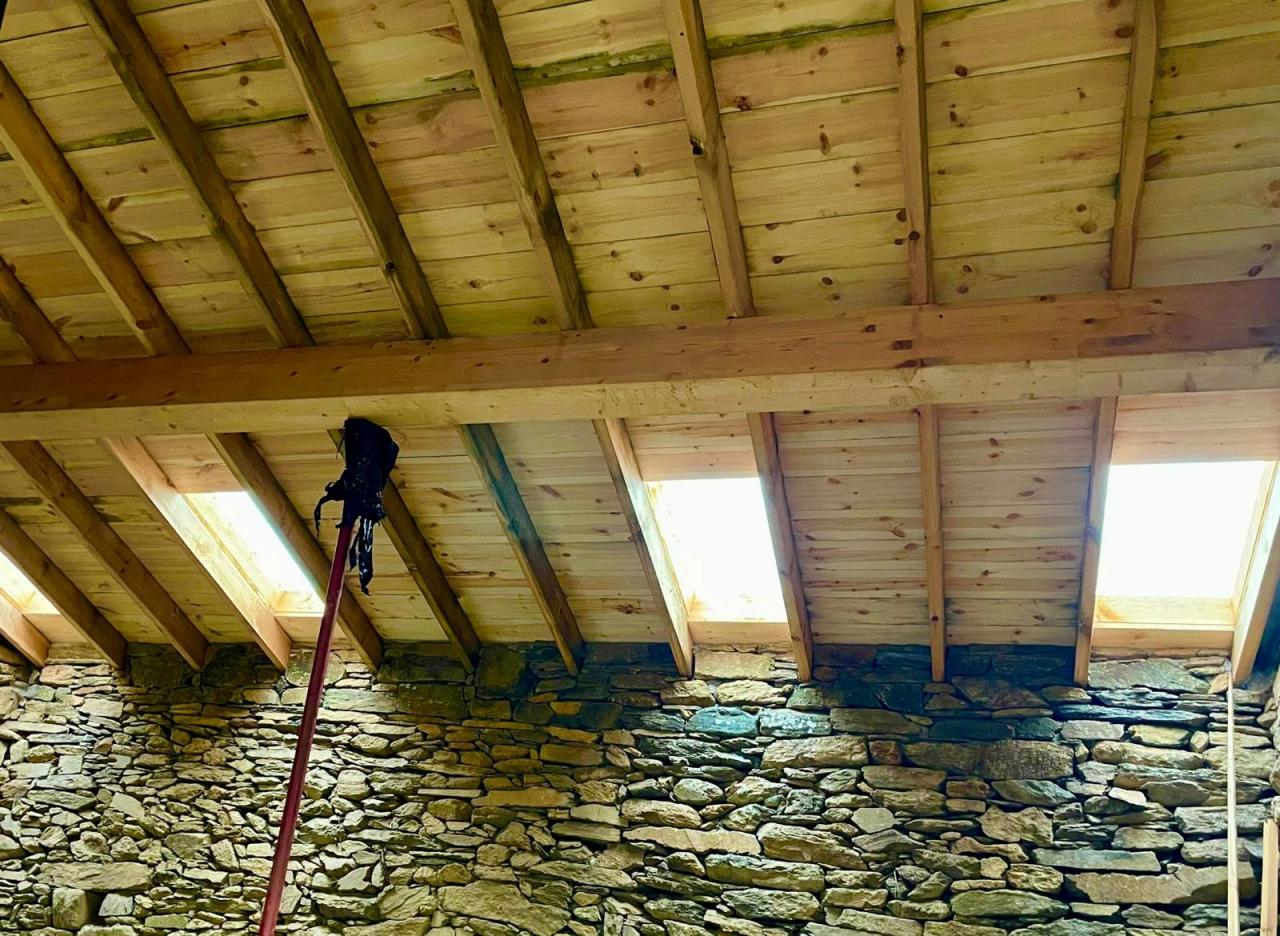
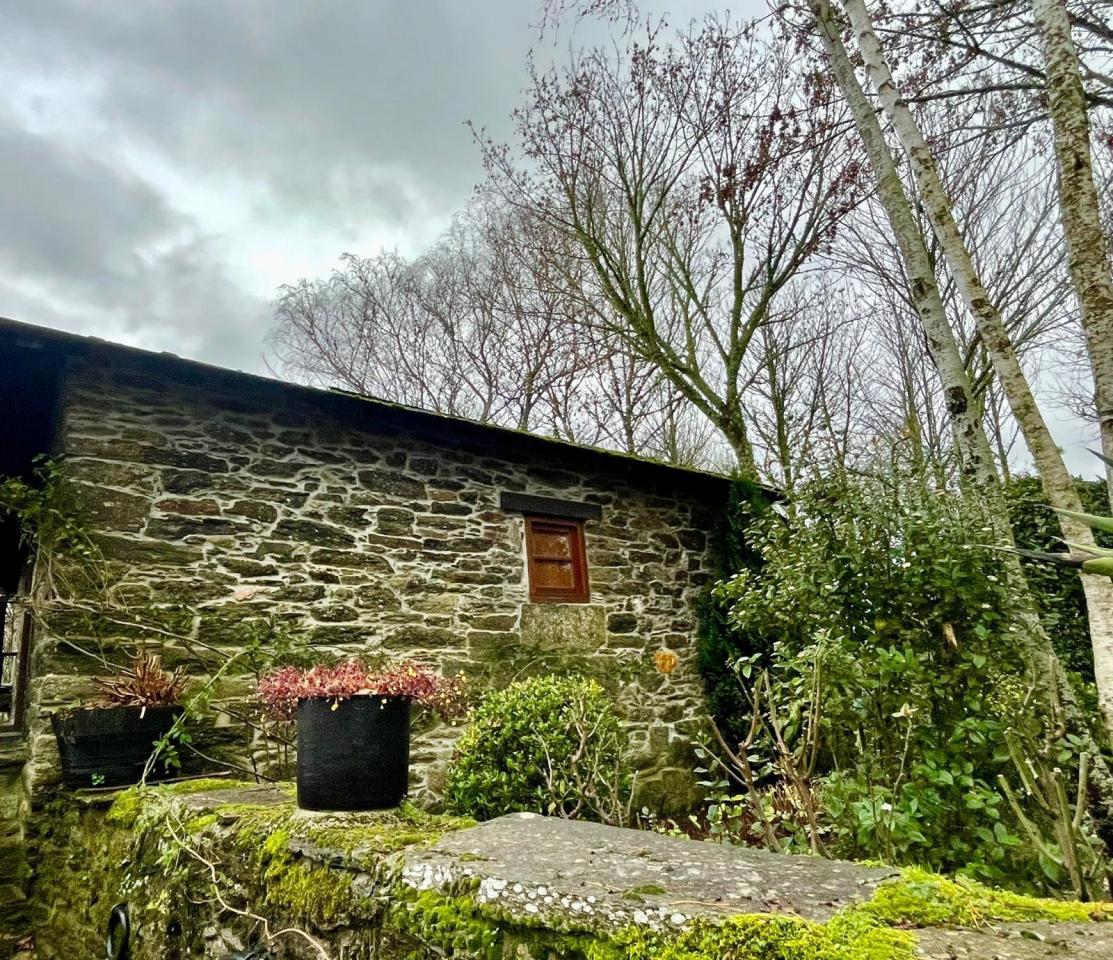
8.- Rehabilitation of the houses (made by the residents)
Global challenges
Learning transferred to other parties
Technological advancements: Remote work opportunities are increasingly prevalent, enabling people to live in rural areas while maintaining their careers. This trend creates a pool of potential residents seeking a higher quality of life.
Attractiveness matters: Restored towns that prioritize aesthetics and community spaces become magnets for new residents. People are drawn to places that offer both natural beauty and a vibrant social fabric.
Inclusivity is key: By creating accessible and welcoming environments for all, these revitalized towns tap into a wider pool of potential residents, fostering diversity and innovation.
Knowledge sharing: The success of these initiatives can be easily shared through online platforms, conferences, and workshops, inspiring and guiding other communities.
However, successful replication requires:
Community engagement: Local residents must be at the heart of the process, ensuring the revitalization reflects their needs and aspirations.
Long-term vision: Sustainable development requires a commitment to long-term planning and investment, rather than short-term gains.
Adaptability: Each town is unique, requiring tailored solutions that consider local context and resources.
By embracing these principles, rural revitalization can become a widespread movement, breathing new life into communities across the globe.
Next steps
To approach the renovation of a village laundry in a rural area in an inclusive way, following the parameters of the New European Bauhaus, we must consider several key aspects:<br />
<br />
Beauty: The design should be aesthetically pleasing, reflecting the local culture and heritage. Natural materials and traditional techniques can be incorporated to create a harmonious and welcoming space.<br />
<br />
Sustainability: The renovation should prioritize environmental responsibility. Energy-efficient systems, water conservation, and the use of sustainable materials are essential. The building should also be designed to minimize its impact on the surrounding ecosystem.<br />
<br />
Inclusivity: The space should be accessible and welcoming to all members of the community, regardless of age, ability, or background. This includes considering factors such as universal design, affordability, and cultural sensitivity.<br />
<br />
Community engagement: The renovation process should involve the active participation of local residents. Their input and ideas should be valued and incorporated into the design. This ensures that the space reflects the needs and aspirations of the community.<br />
<br />
Cultural preservation: The laundry may hold historical and cultural significance for the community. The renovation should respect and celebrate this heritage, perhaps by incorporating historical elements into the design or creating a space for displaying local artifacts.<br />
<br />
By considering these aspects, the renovation of a village laundry can become a model for inclusive and sustainable rural development, reflecting the values of the New European Bauhaus.