BlueSpot
Basic information
Project Title
Category
Project Description
Current stage development
Geographical Scope
Project Region
Urban or rural issues
Physical or other transformations
EU Programme or fund
Description of the project
Summary
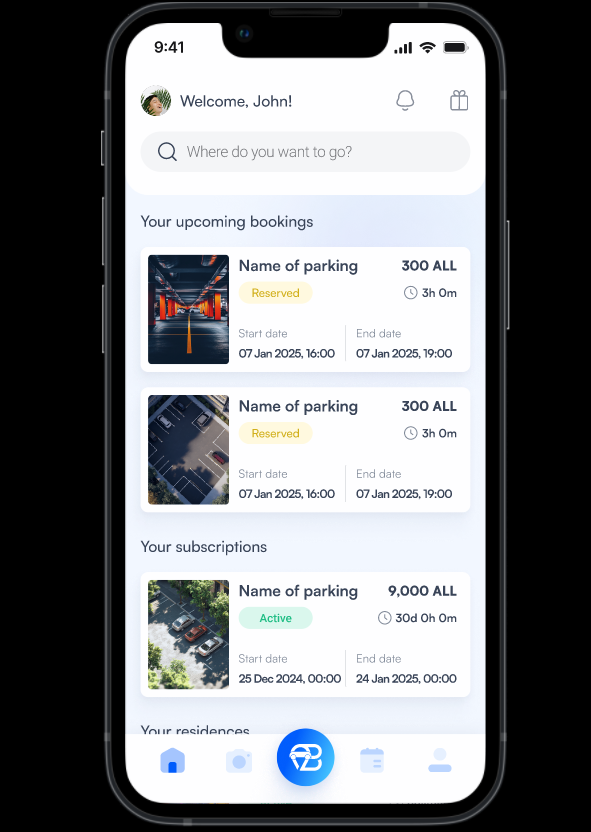
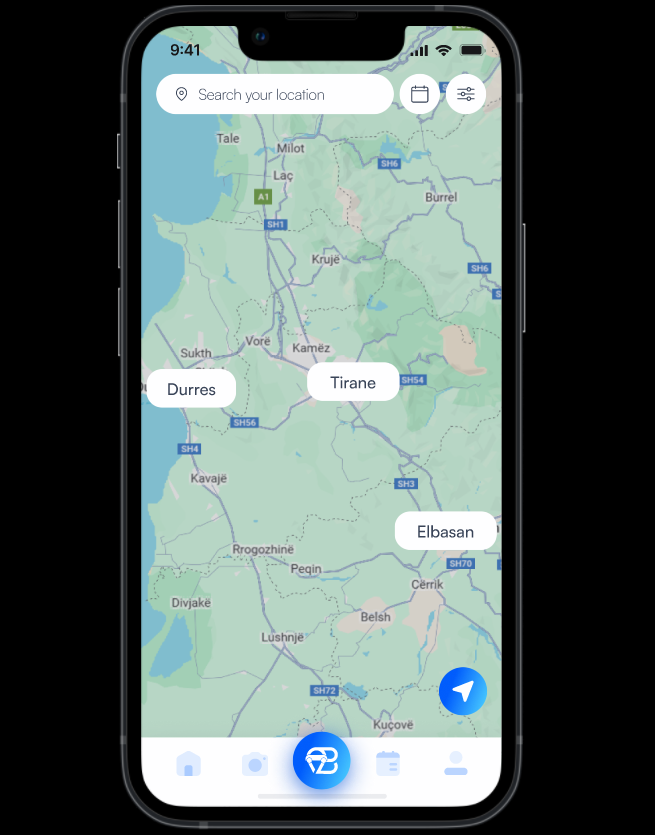
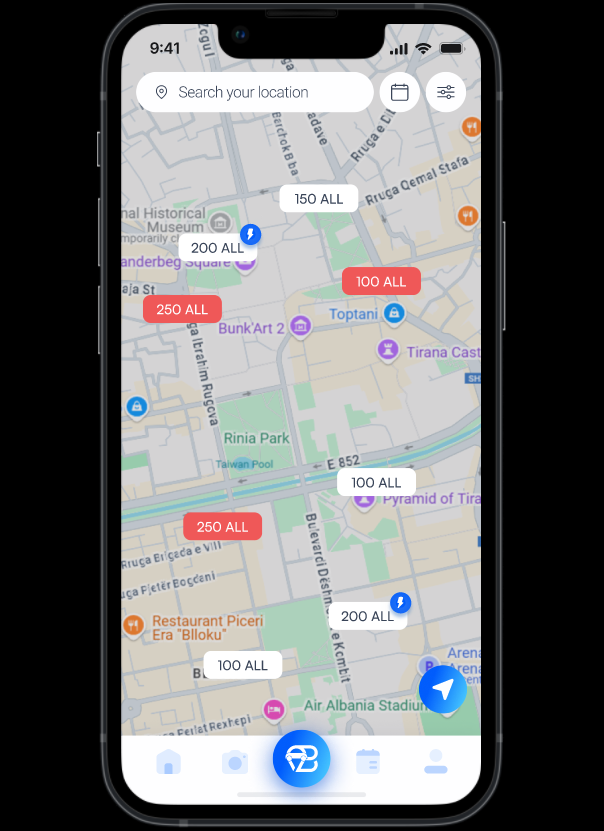
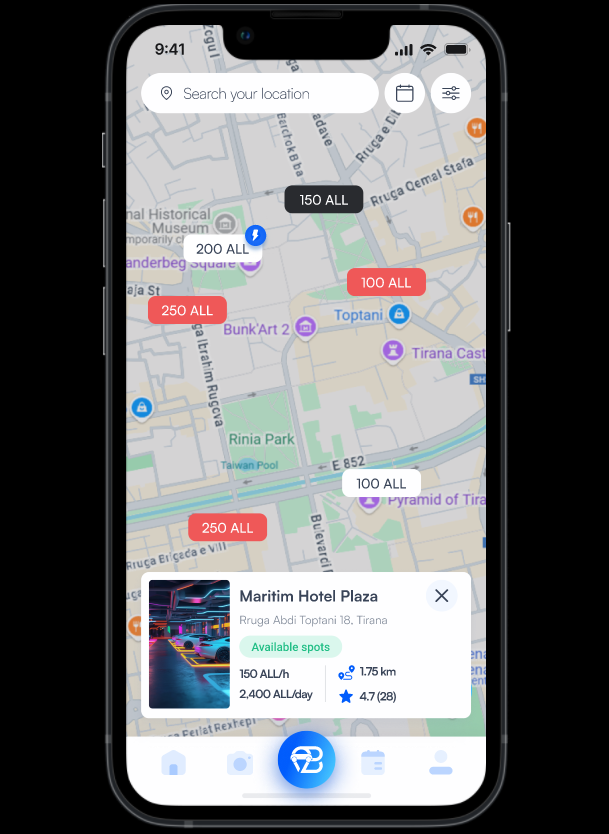
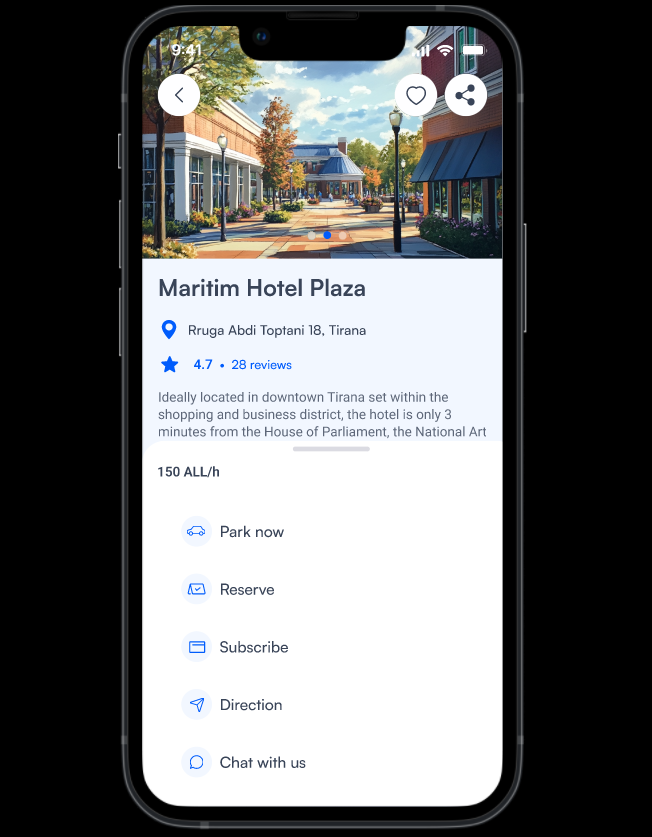
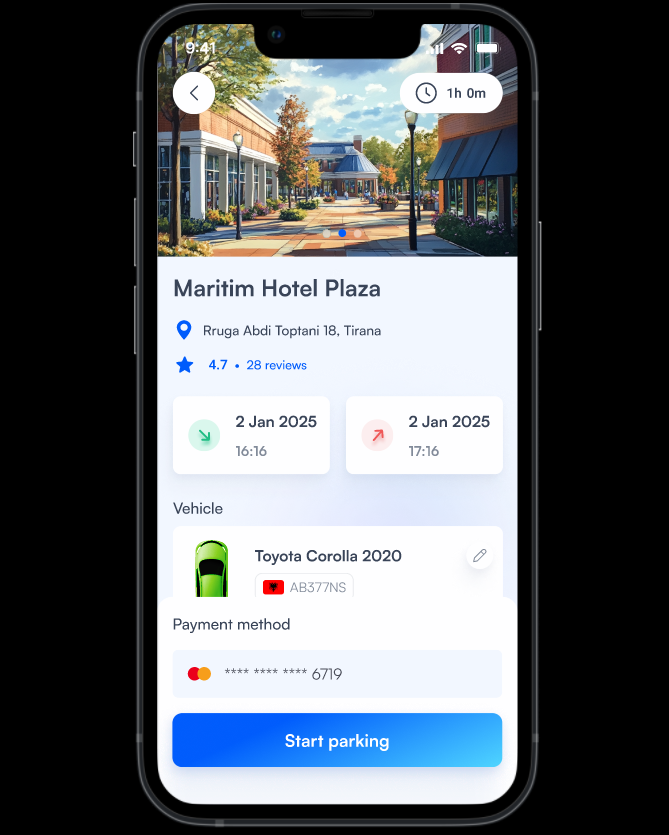
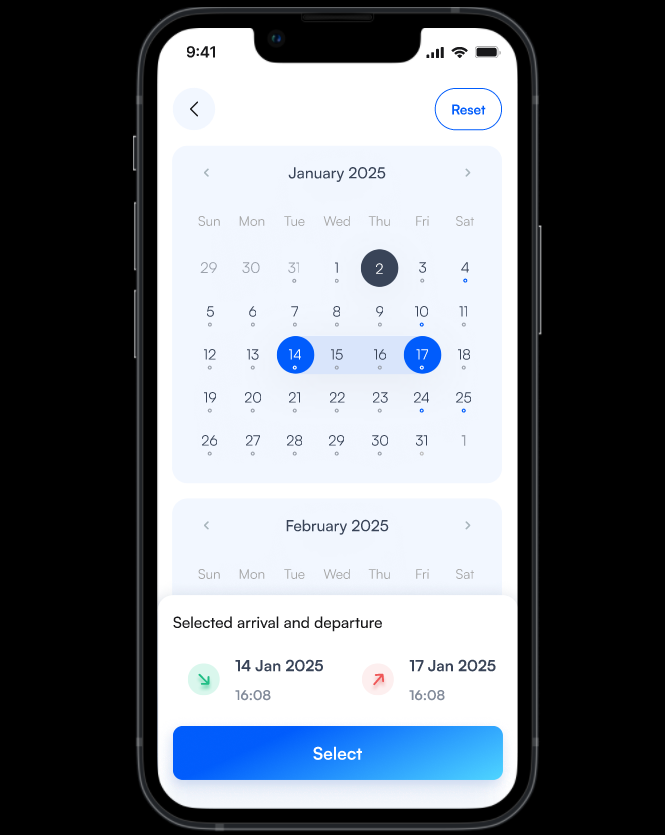
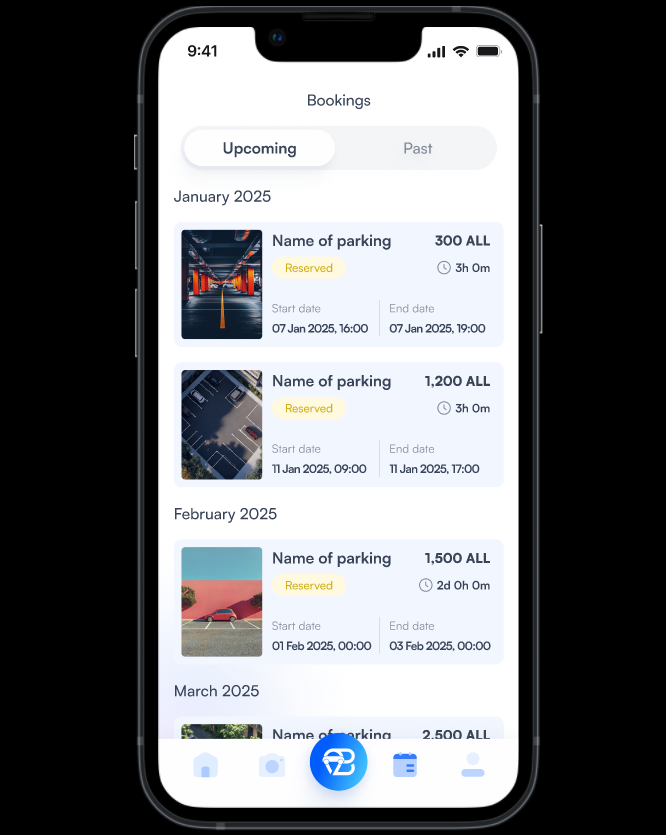
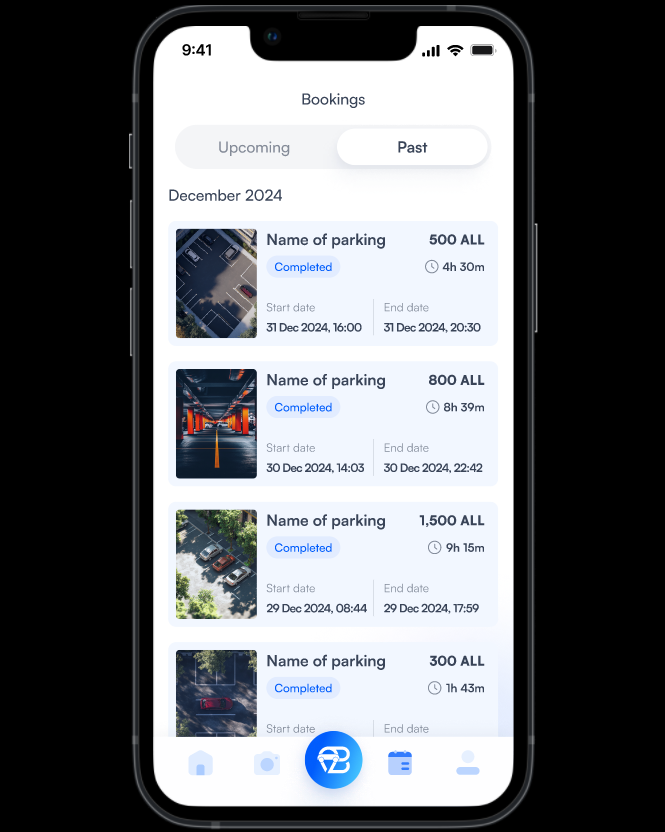
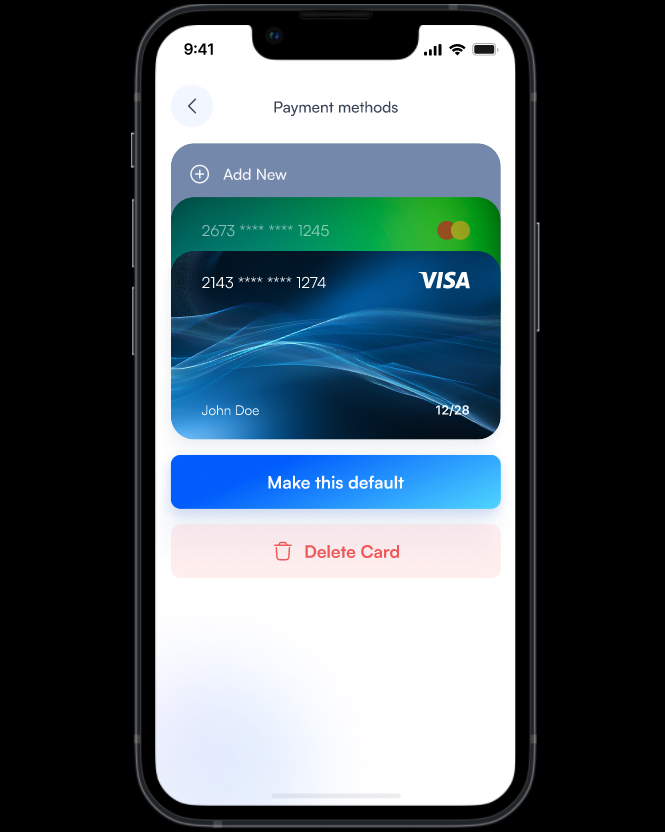
The project’s specific objectives include enabling real-time access to available parking spaces, supporting cashless and digital payment solutions, and offering comprehensive management tools for both public and private parking areas. BlueSpot also provides dynamic pricing options based on demand, encouraging efficient use of resources and reducing carbon emissions by cutting the time drivers spend searching for parking.
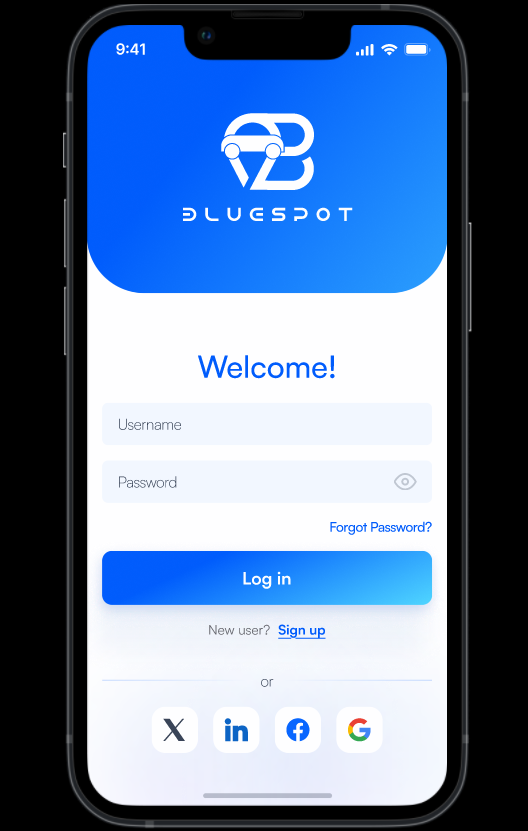
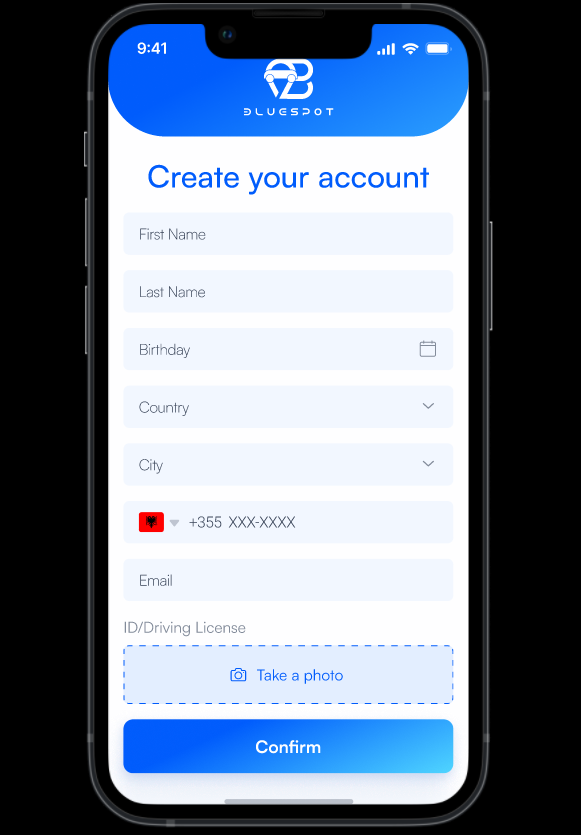
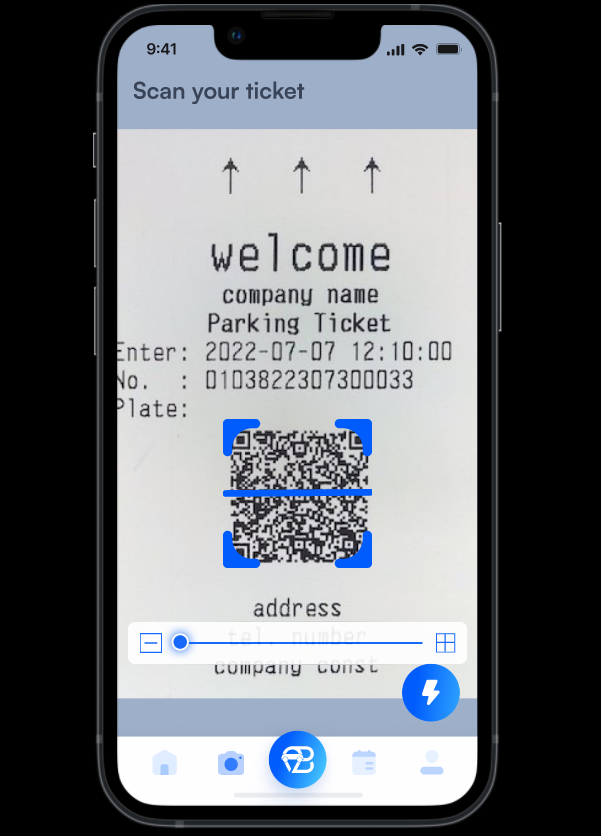
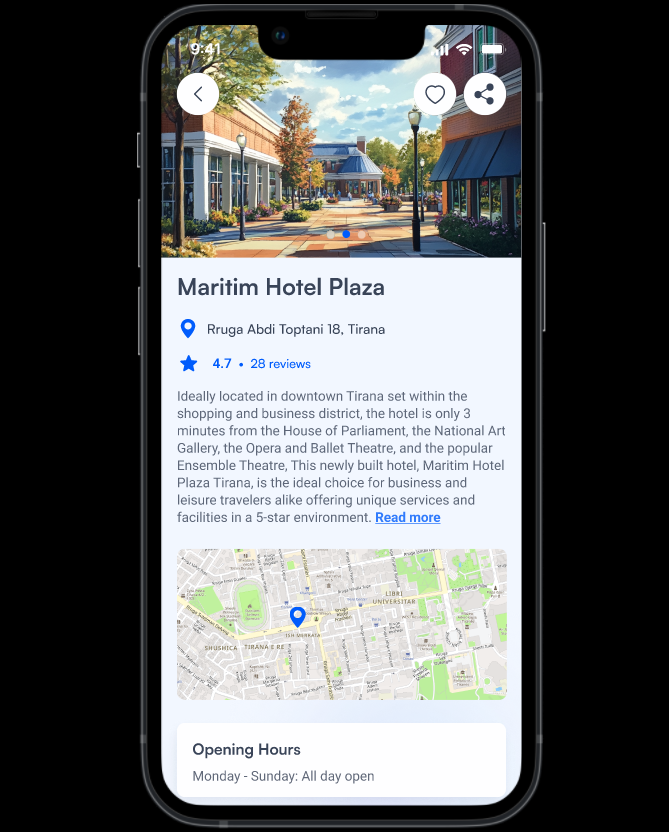
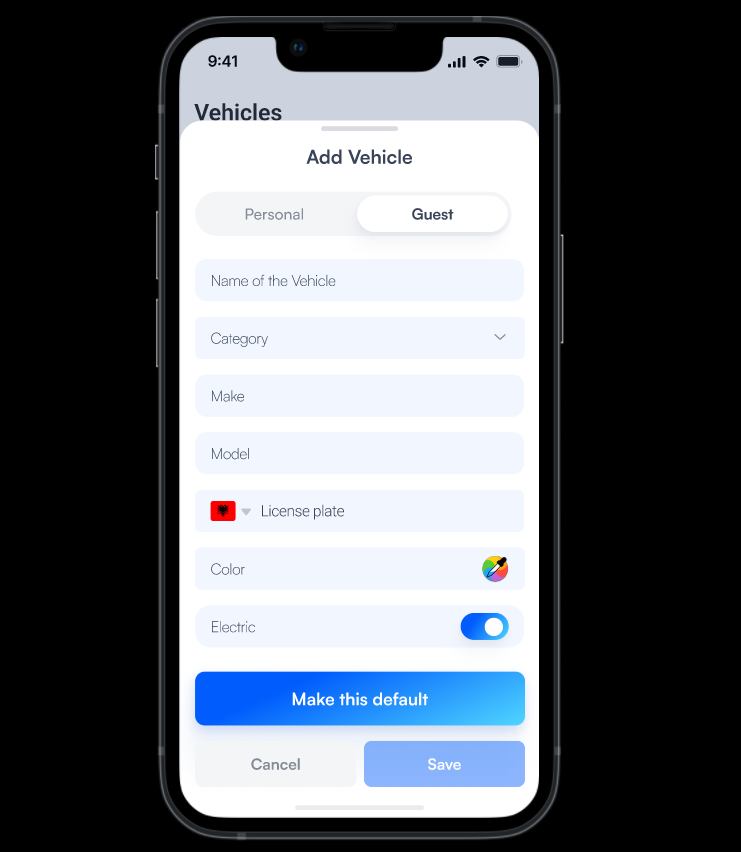
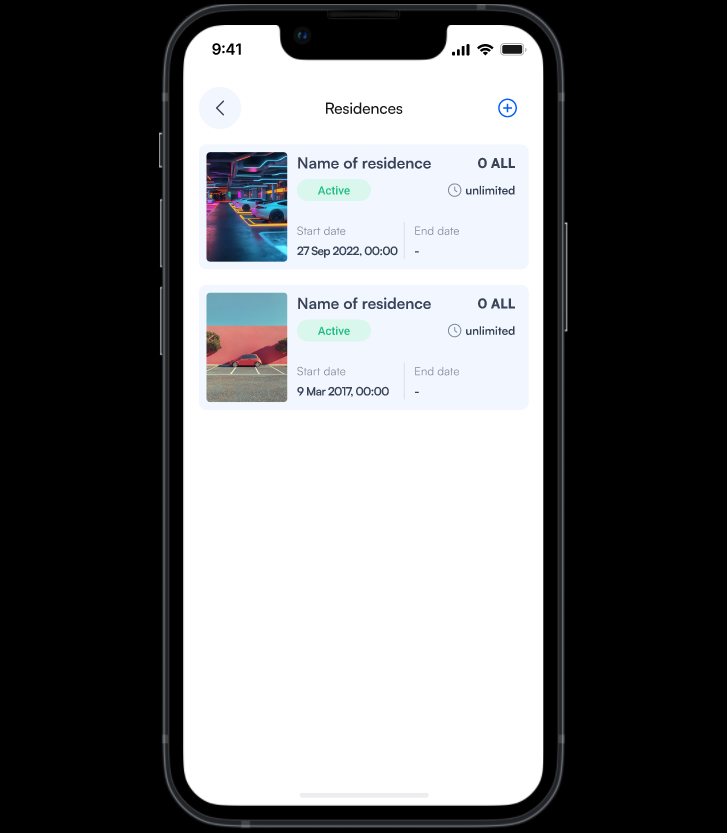
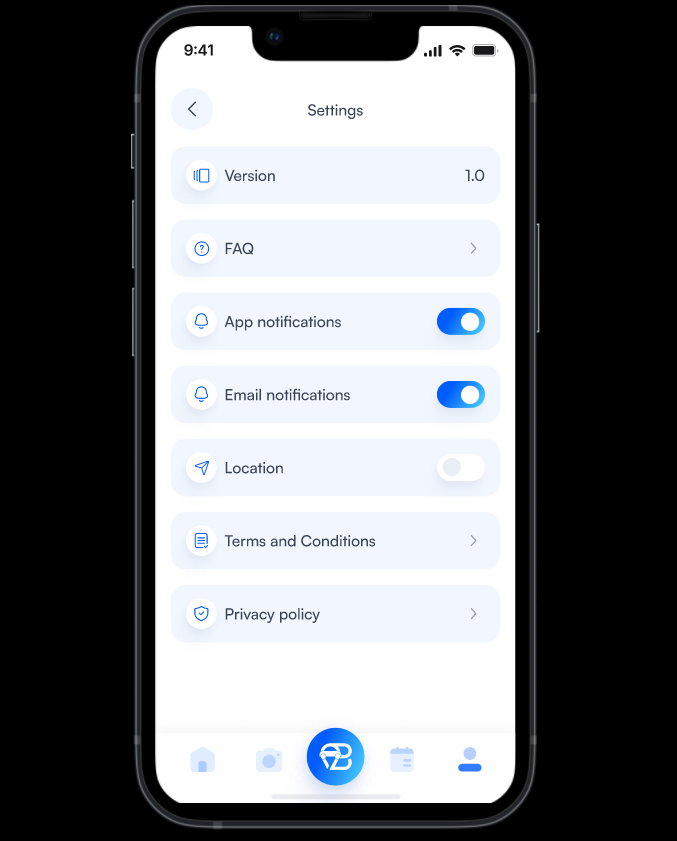
The achieved outcomes so far include the completion of the system’s software architecture, development of a functional demo application compatible with iOS and Android, and collaborations with private parking operators and residential complexes for real-life testing. By facilitating smarter urban mobility and reducing unnecessary fuel consumption, BlueSpot contributes significantly to creating a circular industrial ecosystem and supporting life-cycle thinking in urban environments.
Key objectives for sustainability
Key objectives for aesthetics and quality
Key objectives for inclusion
How Citizens benefit
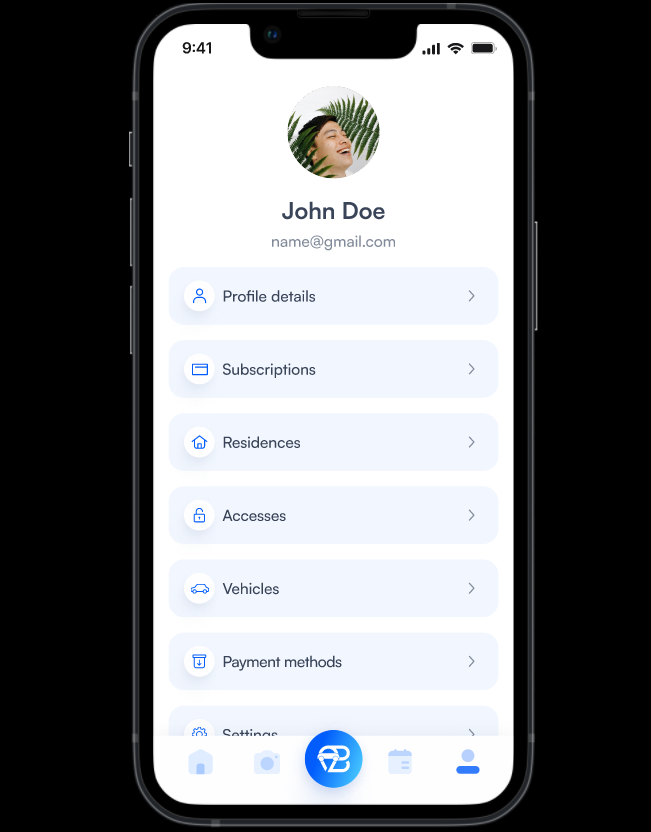
The involvement of civil society not only shaped the design of BlueSpot’s user-friendly interface but also influenced the integration of sustainable features, such as EV charging spot indicators and paperless payment solutions. This collaborative approach ensured that BlueSpot addresses real needs, thereby increasing adoption potential. The impact of this engagement is evident in the system’s intuitive design, accessibility, and focus on reducing environmental impact, all of which reflect the desires and expectations of its future users.
Physical or other transformations
Innovative character
A key innovation is its ability to connect and manage diverse parking environments, including public and private facilities, residential complexes, and institutional spaces, all within a single platform. BlueSpot also uniquely supports electric vehicle adoption by highlighting charging station availability, encouraging sustainable transportation choices. Its focus on circular economy principles is demonstrated through the optimization of existing infrastructure rather than promoting new construction, thus reducing environmental impact. The system’s adaptability across various European regions, with customization options for different urban needs, further differentiates it from conventional solutions, making it a scalable and future-proof model for smart urban mobility.
Disciplines/knowledge reflected
Environmental scientists provided insights into reducing the carbon footprint of urban traffic, influencing the inclusion of features like real-time parking availability and EV charging station locators. Financial experts facilitated collaborations with banking institutions to develop secure and user-friendly payment systems, while user experience designers ensured that the interface remained intuitive and accessible for all user groups.
The interaction between these disciplines was facilitated through regular collaborative workshops, design sprints, and prototype testing sessions. This interdisciplinary cooperation enabled the creation of a robust, adaptable solution that not only meets technical and functional requirements but also addresses environmental sustainability, user inclusivity, and economic viability. The added value of this process lies in the creation of a comprehensive solution that is greater than the sum of its parts, reflecting the New European Bauhaus principles of sustainability, aesthetics, and inclusion.
Methodology used
An agile development approach was adopted, allowing for continuous refinement through iterative testing and feedback loops. The software and electronic components were developed concurrently, ensuring seamless integration between digital and physical infrastructure. Real-time pilot testing in collaboration with selected parking facilities and residential complexes enabled the identification and resolution of technical and operational issues before full-scale deployment.
Moreover, BlueSpot applied a life-cycle thinking approach by incorporating dynamic pricing mechanisms and real-time data analysis to optimize resource use and reduce environmental impact. The integration of secure online payment systems, including partnerships with banks and payment providers, ensured both user convenience and financial transparency.
This holistic methodology, combining technical innovation, stakeholder engagement, and sustainable design principles, positions BlueSpot as a pioneering solution in urban parking management, fully aligned with the New European Bauhaus values.
How stakeholders are engaged
At the regional and national levels, collaborations with banks and online payment service providers were initiated to ensure secure, affordable, and efficient transaction processes. Additionally, dialogues with governmental bodies responsible for urban mobility helped align BlueSpot’s functionalities with national sustainability strategies.
At the European level, the project drew inspiration from best practices in urban mobility and sustainability across Western, Northern, Eastern, and Southern Europe, including the British Isles. By analyzing successful implementations and adapting them to local contexts, BlueSpot ensures its relevance across diverse European markets. The added value of this multi-level stakeholder engagement lies in its contribution to creating a scalable, adaptable solution that aligns with broader European sustainability goals.
Global challenges
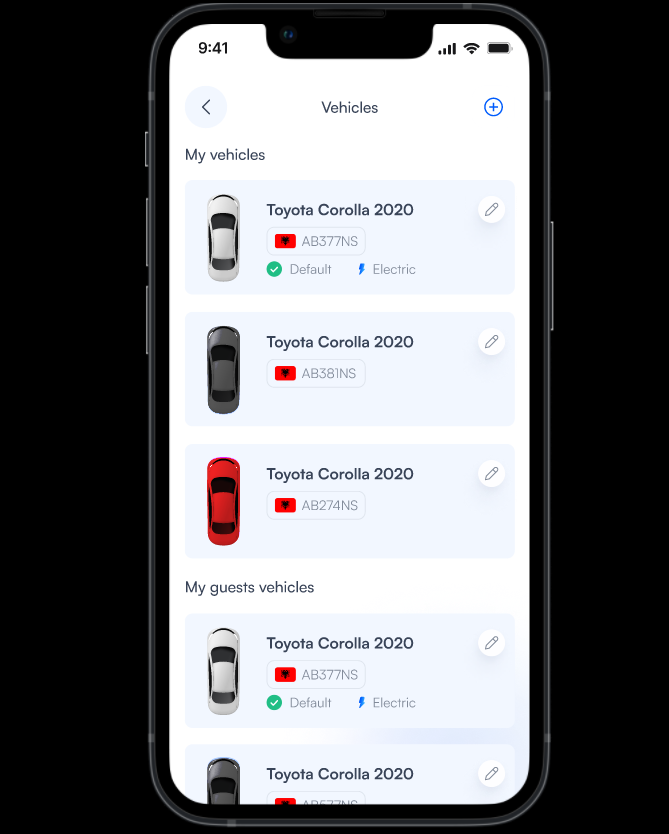
The project also contributes to combating climate change by promoting electric vehicle usage, with its integration of EV charging station information and support for dynamic pricing that encourages off-peak usage. This not only reduces greenhouse gas emissions but also optimizes energy consumption, aligning with sustainable urban development goals.
Another global issue addressed by BlueSpot is inefficient land use in urban environments. By optimizing existing parking spaces rather than encouraging the construction of new infrastructure, BlueSpot supports circular economy principles, ensuring that available resources are used more effectively and sustainably.
Additionally, BlueSpot enhances digital inclusion by providing an intuitive, accessible application that accommodates diverse user groups, promoting equitable access to urban mobility services. The project’s scalable design, adaptable to different legal, cultural, and infrastructural contexts across European regions, allows it to serve as a model for addressing global urban mobility challenges through locally tailored solutions.
Learning transferred to other parties
The methodology applied—centered around user feedback, agile development, and iterative testing—can be replicated in new locations to ensure local needs are effectively addressed. BlueSpot’s dynamic pricing models and real-time data analytics can be adapted to specific market demands, optimizing parking utilization in cities with different levels of traffic density and infrastructure availability. Additionally, the integration of secure online payment systems, adaptable for different currencies and financial regulations, further supports its transferability.
From residential complexes in metropolitan areas to institutional parking spaces in smaller cities, the lessons learned during BlueSpot’s initial development, such as stakeholder engagement strategies and sustainability-focused design, can guide successful implementations in other European regions and beyond. The system’s capacity to scale without significant infrastructure overhauls makes it an attractive solution for cities seeking to modernize urban mobility with minimal environmental impact.
Next steps
In the year following the application, BlueSpot will focus on finalizing development, testing, and expanding its reach through strategic promotion and implementation. The plan will unfold in three phases:<br />
<br />
1) Final development and system integration (months 1-4):<br />
The initial months will complete software and electronic system development, integrating user feedback from preliminary tests. Electronic components like automated barriers, EV charging integrations, and payment kiosks will be synchronized with the software. Security testing will ensure data protection and regulatory compliance.<br />
<br />
2) Pilot testing and feedback optimization (months 5-8):<br />
BlueSpot will undergo pilot testing in selected private parking areas, residential complexes, and institutions across diverse European regions. Real-time performance and user experience will be evaluated. Feedback will guide optimizations, with technical adjustments ensuring a seamless user experience and operational efficiency.<br />
<br />
3) Full implementation and strategic marketing (months 9-12):<br />
After pilot testing, BlueSpot will launch in partner locations. The marketing campaign will include:<br />
-Digital campaigns on social media and mobility forums.<br />
-On-site promotions and strategic partnerships for bulk adoption.<br />
-Educational workshops to introduce system benefits.<br />
<br />
Expansion and continuous improvement:<br />
Post-launch, BlueSpot will expand across Europe, adapting to local regulations and preferences. Continuous monitoring of traffic reduction, emissions impact, and user engagement will guide updates. Partnerships with local governments and green mobility organizations will sustain long-term impact, aligning with New European Bauhaus objectives.