Mini garden around trash cans for Tirana
Basic information
Project Title
Full project title
Category
Project Description
Current stage development
Geographical Scope
Project Region
Urban or rural issues
Physical or other transformations
EU Programme or fund
Description of the project
Summary
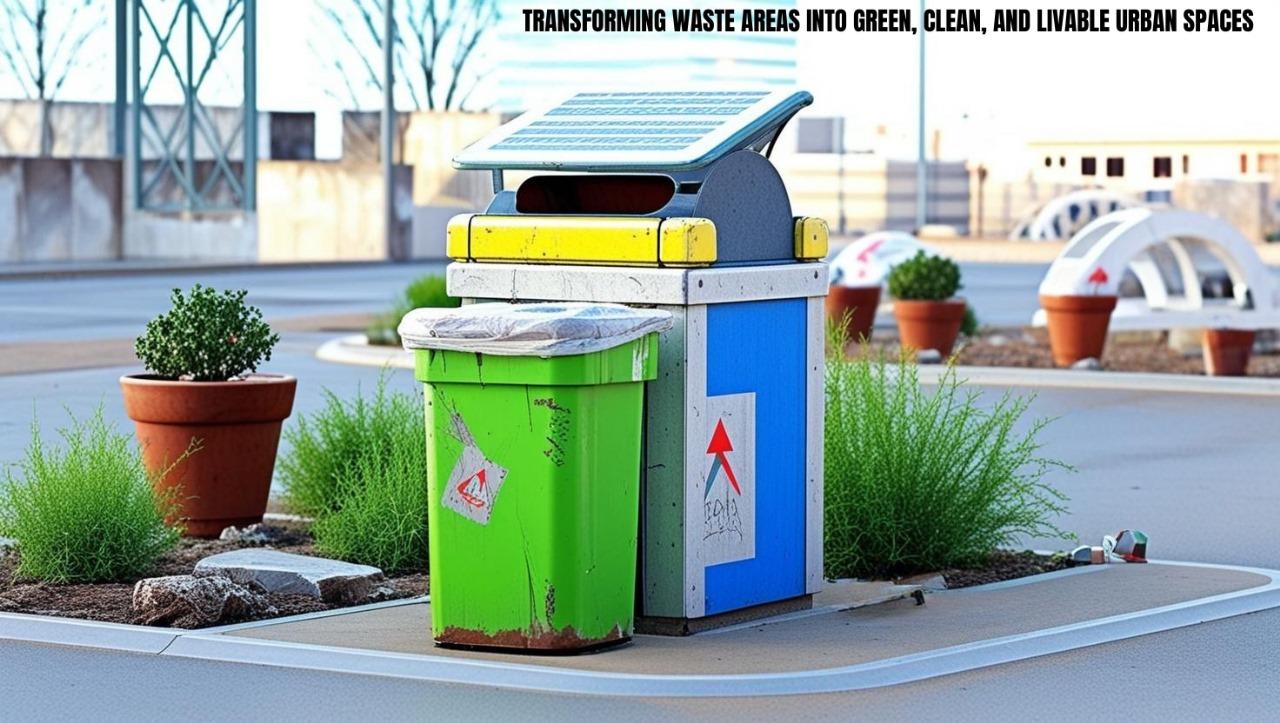
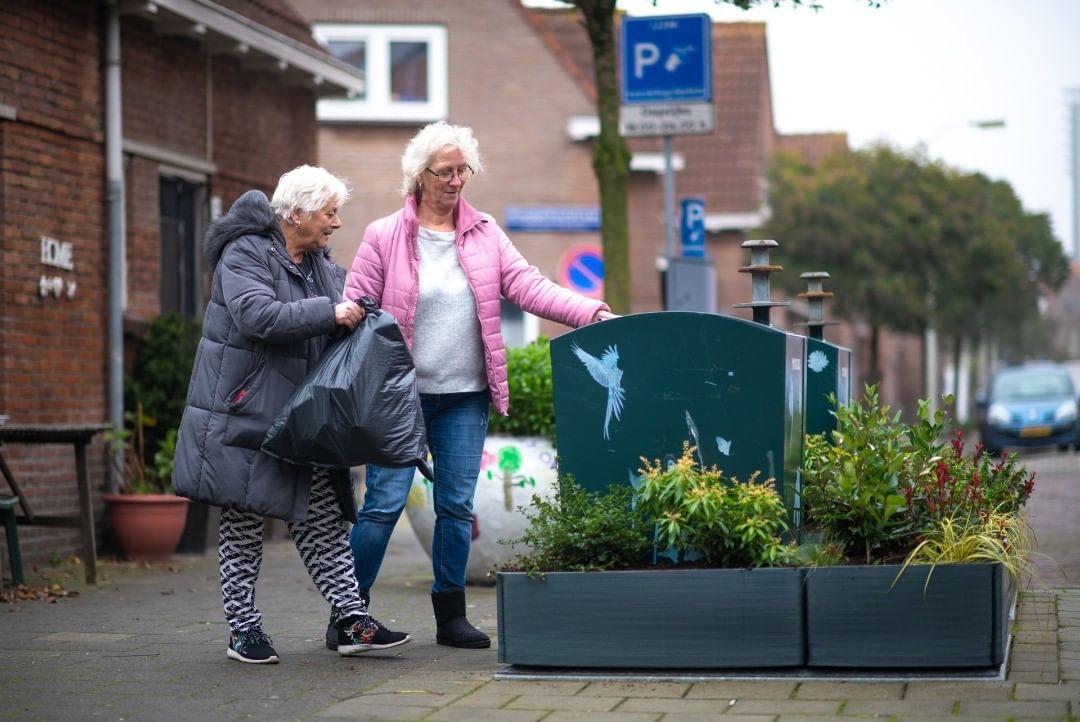
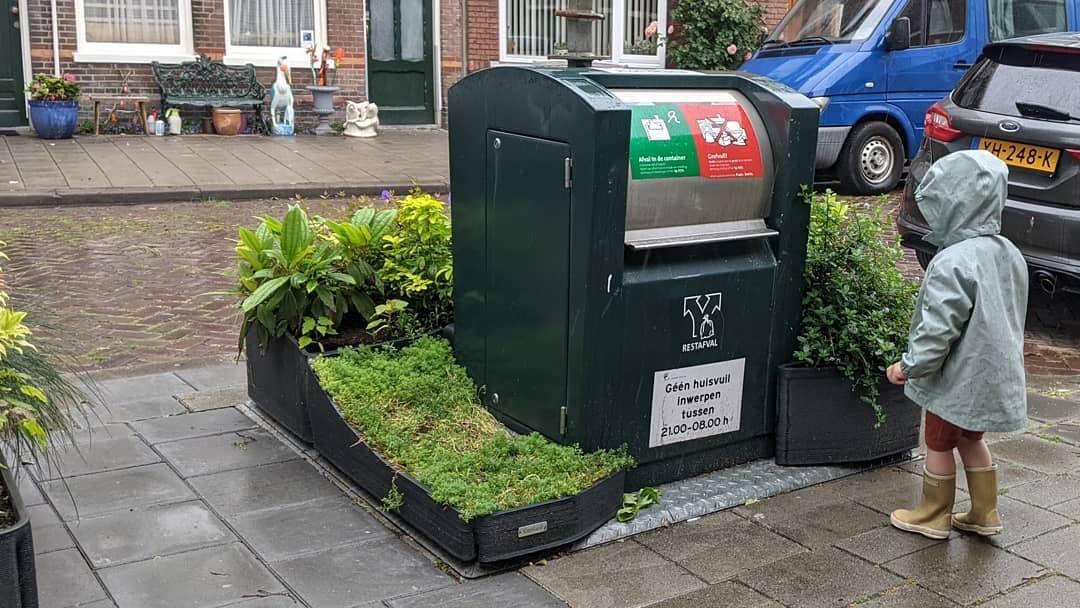
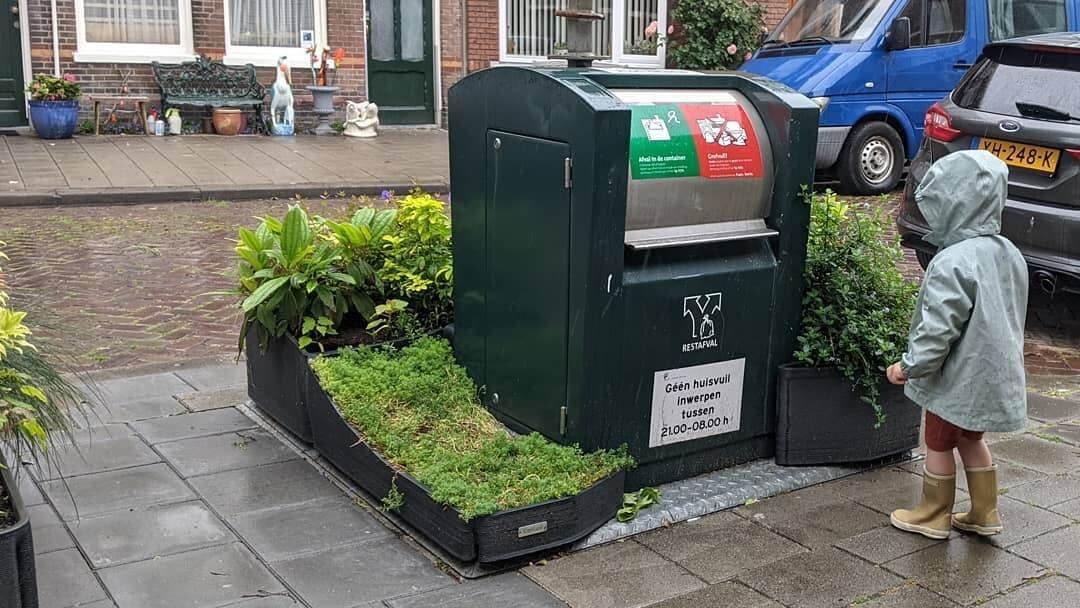
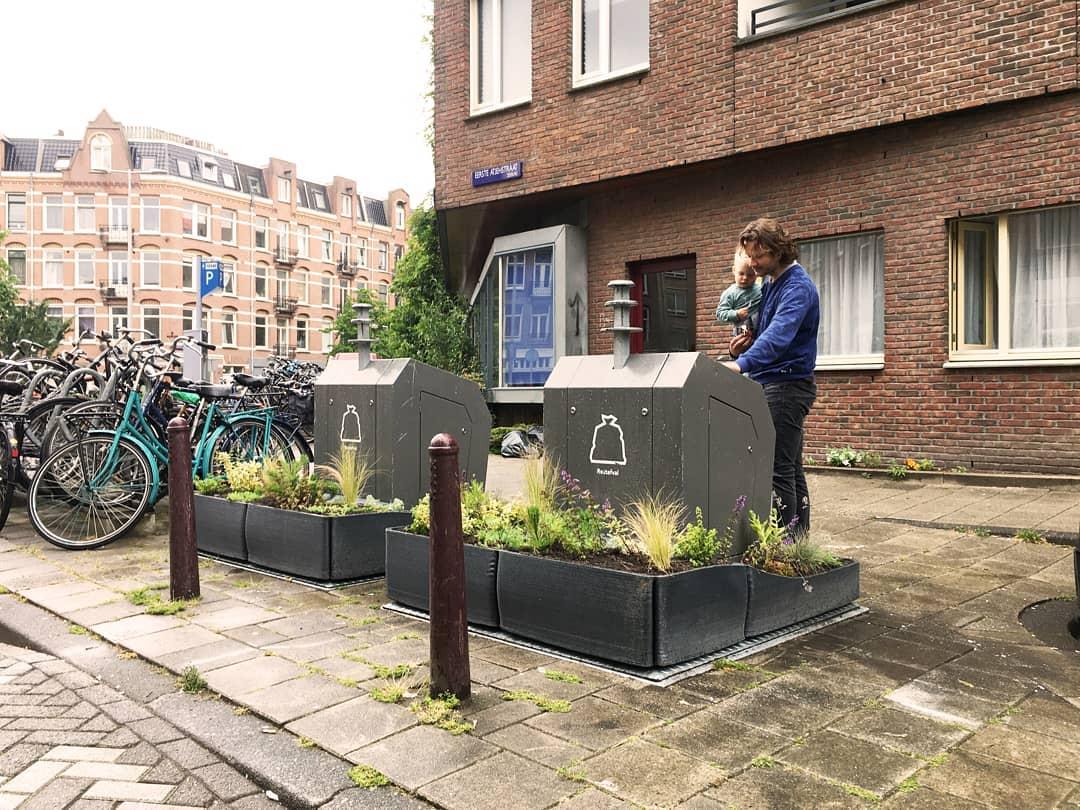
The project targets urban residents living near waste collection areas, local municipalities responsible for waste management, community groups and schools engaged in urban sustainability efforts, and architects and urban planners invested in green city innovations. Through the use of drought-resistant plants, vertical green walls, and well-integrated bin enclosures, the project significantly improves the visual and environmental quality of these areas. The project encourages better waste disposal habits through clear signage and community involvement, fostering a sense of ownership and responsibility among residents. The approach is scalable and can be easily replicated in other cities across Albania and beyond.
This aligns with the NEB values of sustainability, inclusion, and aesthetics. By using native, drought-resistant plants and upcycled materials, it minimizes maintenance and water use. The project actively engages communities, particularly in areas where investment in urban aesthetics and sustainability.
Key objectives for sustainability
Key objectives for aesthetics and quality
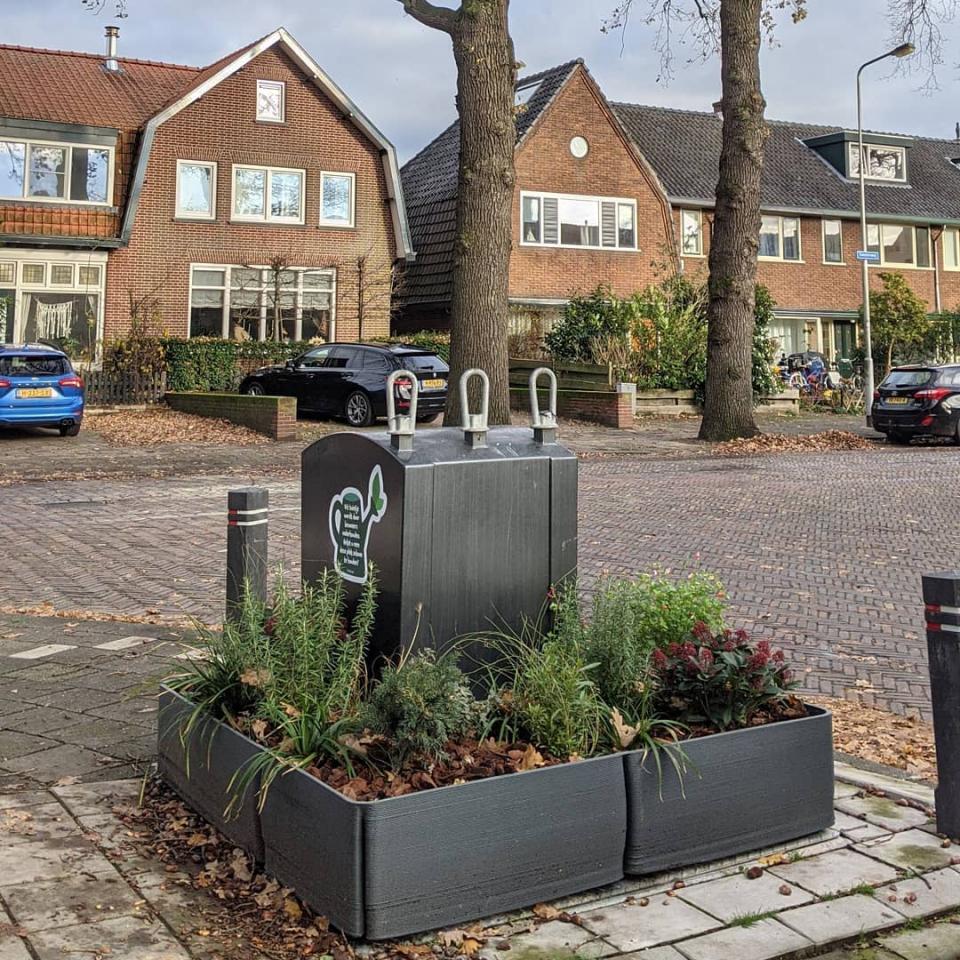
The project introduces drought-resistant plants and climbing greenery to soften harsh urban visuals. Vertical gardens, artistic enclosures, and thoughtful urban design make these spaces blend seamlessly into their surroundings. This approach reduces visual pollution while making public areas more inviting.
The cultural impact of this project is also significant. Waste areas often reflect how a city values its public spaces. By improving these sites, the project changes perceptions of urban cleanliness and responsibility. It also fosters a sense of civic pride, encouraging people to care more about their neighborhoods.
Beyond aesthetics, the project enhances the experience of walking and living in the city. Instead of passing by overflowing, unpleasant trash bins, people will see small green hubs that add life to their environment. This approach is replicable across different urban areas, making it an exemplary model for improving waste spaces in cities everywhere.
Key objectives for inclusion
The design is accessible to all—no barriers, no restrictions. Everyone benefits from cleaner, more inviting public spaces. The project is affordable and low-maintenance, using drought-resistant plants and recycled materials, making it easy for municipalities to adopt and scale.
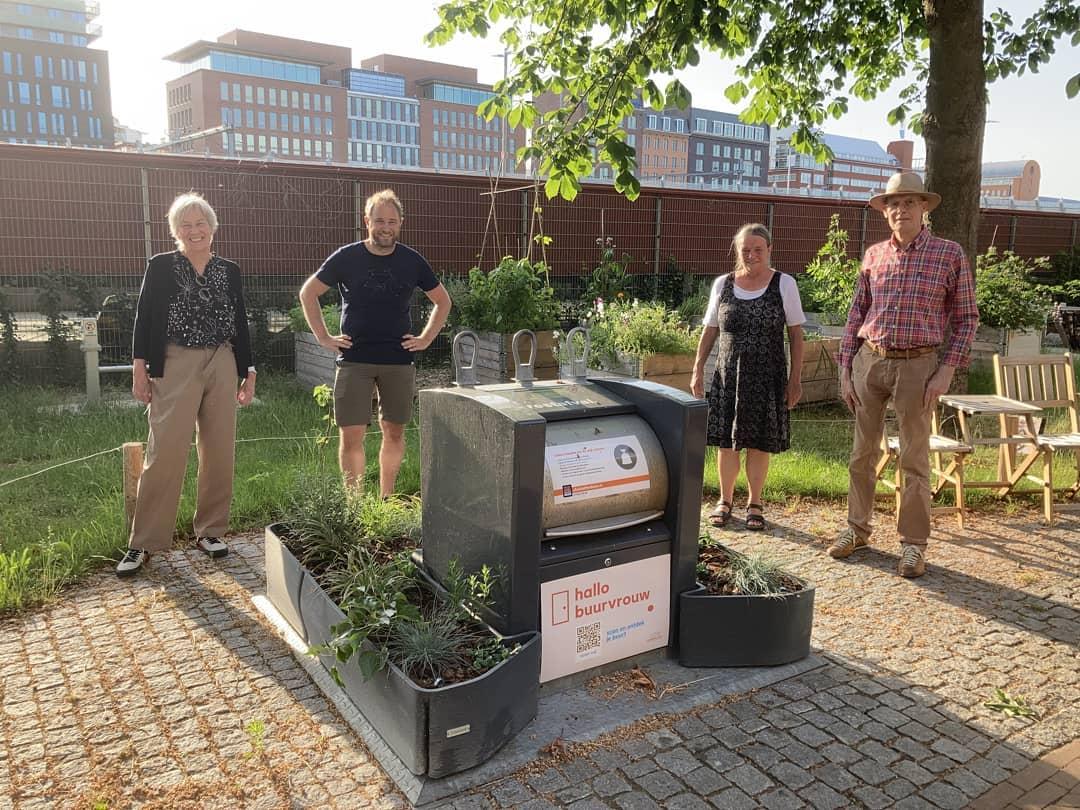
The project also encourages community involvement. Local residents help shape the redesign of their waste areas, giving them a sense of ownership and responsibility. It promotes shared governance, ensuring the project reflects the needs of the people who use these spaces daily.
By improving these areas, the project creates safer, healthier spaces that are welcoming for all, including children, elderly people, and marginalized groups. The project proves that waste areas can be more than just functional—they can be inclusive, accessible, and beneficial for everyone.
How Citizens benefit
Residents give feedback through consultations deciding on plant choices and layout. Their involvement creates a sense of ownership, leading to better care and waste management.
Civil society organizations support such as Active Mobility assist by raising awareness, educating on waste management, and mobilizing volunteers. Schools and youth groups also participate, teaching children environmental responsibility from an early age.
This collaboration makes the project affordable, practical, and long-lasting. People respect and maintain spaces they helped create. The result is a cleaner, greener, and more functional city where waste areas blend into urban life rather than being ignored or avoided.
Physical or other transformations
Innovative character
This project goes beyond mainstream practices by integrating urban greenery, design, and behavioral change into waste management. Instead of treating waste areas as isolated, unpleasant spaces, the project turns them into clean, green, and visually acceptable parts of the city. The use of drought-resistant plants, modular green walls, and smart bin placement makes it low-maintenance, cost-effective, and environmentally friendly.
Another innovative aspect is community involvement. Residents and local organizations actively participate in the transformation, creating a sense of ownership and long-term care, unlike typical waste management solutions that are purely technical.
This approach reshapes public perception of waste collection areas, proving they can be both functional and beautiful.
Disciplines/knowledge reflected
Urban planners and landscape architects design the layout, ensuring waste areas blend with the city while remaining accessible and practical. Environmental scientists select low-maintenance plants that improve air quality and require minimal resources. Waste management experts ensure proper bin placement, signage, and recycling efficiency. Community engagement specialists work with residents to foster ownership and responsible use of the space.
Collaboration between these fields ensures a holistic approach, balancing aesthetics, functionality, and sustainability. By working together, experts optimize design, increase social acceptance, and ensure long-term success, making the project scalable and adaptable to different urban areas.
Methodology used
The process starts with site selection and analysis, identifying waste collection areas with high littering and visual pollution. Community engagement follows, where local residents, businesses, and urban planners provide input through workshops and surveys. This ensures the transformation reflects local needs and concerns.
Next, urban design and landscaping experts develop solutions, incorporating low-maintenance greenery, modular green walls, and better waste bin placement. The design is aesthetically appealing, functional, and easy to maintain, using drought-resistant plants and recycled materials to ensure sustainability.
Once implemented, the project includes education and awareness campaigns to promote better waste habits and encourage long-term care by the community. Local organizations and schools help with monitoring and maintaining the transformed areas, fostering a sense of ownership.
This collaborative and scalable methodology ensures that waste areas become attractive, functional, and integrated into the urban landscape, setting a new standard for sustainable urban waste management.
How stakeholders are engaged
At the local level, municipalities provide space and technical support, while residents and civil society shape the design and maintain the spaces. Schools help educate the community.
At the regional level, urban development organizations offer expertise on sustainability and best practices.
At the national level, government agencies support policy alignment and funding opportunities.
At the European level, green city networks provide visibility, funding, and policy guidance, ensuring the project fits EU sustainability goals.
This collaboration adds value by securing resources, improving implementation, and making the project scalable across cities.
Global challenges
Learning transferred to other parties
The methodology of community engagement and urban greenery integration can be applied in various settings, from residential neighborhoods to commercial districts. Low-maintenance plants and recycled materials ensure affordability and sustainability, making it feasible for cities with limited resources.
The design process—involving local residents, urban planners, and environmental experts—can be replicated in other communities to ensure local adaptation and long-term care. The project’s success in improving public perception of waste management can inspire municipalities and organizations across Europe to rethink their approach to urban waste spaces.
The project also generates valuable learning experiences, including best practices in urban design, behavior change, and green infrastructure, which can be shared with other cities. By proving that waste collection areas can be transformed into clean, green urban elements, this initiative sets a new standard for sustainable urban waste management, encouraging its widespread adoption.
Next steps
The project is ready to turn the concept into reality. Over the next year, it will focus on piloting waste area transformations, involving the community, and securing partnerships for future expansion.<br />
<br />
The first step is choosing locations and finalizing designs with municipalities and residents. Once selected, the project will add greenery, improve bin placement, and install educational signage to promote better waste habits.<br />
<br />
Local people will play a key role through awareness campaigns, school projects, and volunteer activities to keep the areas clean and maintained. Partnerships with organizations will help expand the idea and secure funding.<br />
<br />
The project will track progress with before-and-after photos, data on waste habits, and community feedback to show its impact. By the end of the first year, the goal is to prove that waste spaces can be clean, green, and a part of the city, not just a problem.