schere stein papier
Basic information
Project Title
Full project title
Category
Project Description
Current stage development
Geographical Scope
Project Region
Urban or rural issues
Physical or other transformations
EU Programme or fund
Description of the project
Summary
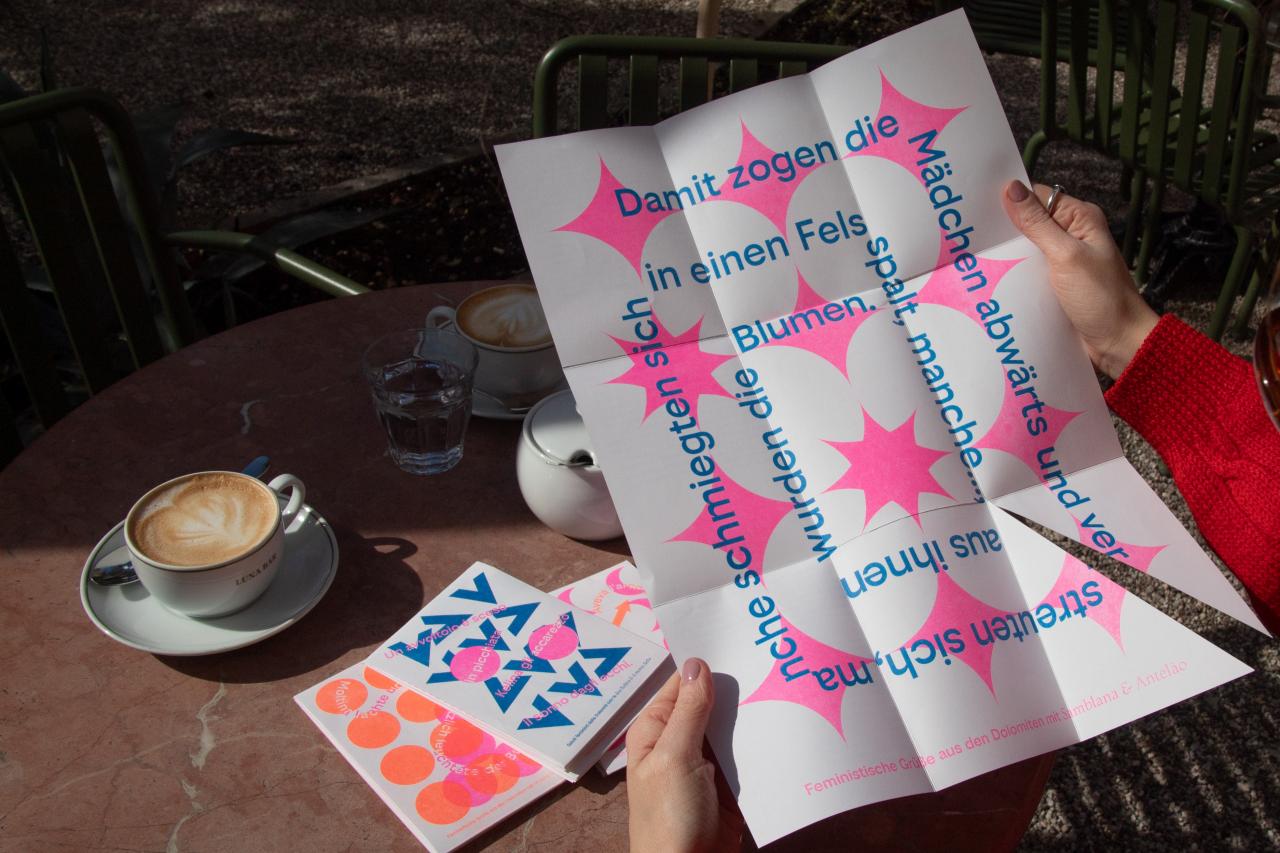
The newsletter will focus on current issues related to subculture, social engagement, and activism, featuring contributions from activists within the community. Each edition will also showcase a visual art contribution in the form of a poster on the back page.
With this project, we aim to create an independent, critical medium - from the community, for the community - centered on alternative funding models, cultural participation, activism, and social inclusion.
Our target group includes people interested in culture, young adults, social initiatives and community actors in South Tyrol (Italy), especially those interested in critical reflection, cultural diversity and social participation. We also involve marginalised groups and promote social diversity and inclusion.
Sustainability is a central concern of our project. We use risography, a resource-saving printing technique that reduces the ecological footprint of our project. The paper we use should be FSC® certified recycled paper and the distribution of our analogue newsletters should be CO2 neutral. Through solidarity-based funding and voluntary donations, we ensure that our analogue newsletters and events are accessible to all, regardless of financial means.
Our participatory formats promote social cohesion by including diverse voices and supporting community building. In the area of sustainability, we demonstrate that design quality and environmental responsibility are compatible. Furthermore, we only print on demand to avoid overproduction. Our voluntary donation model breaks down financial barriers and promotes social inclusion, creating a culture of participation and solidarity.
Key objectives for sustainability
By fostering a community that connects and exchanges ideas through our publications, we build a sustainable network with the potential to inspire new initiatives. Our project is funded entirely by donations, enabling us to work independently without external interests or conditions. This financial model guarantees true editorial freedom, ensuring that our content remains authentic and unbiased. We believe that true cultural development can only flourish in an environment free from commercial or political constraints.
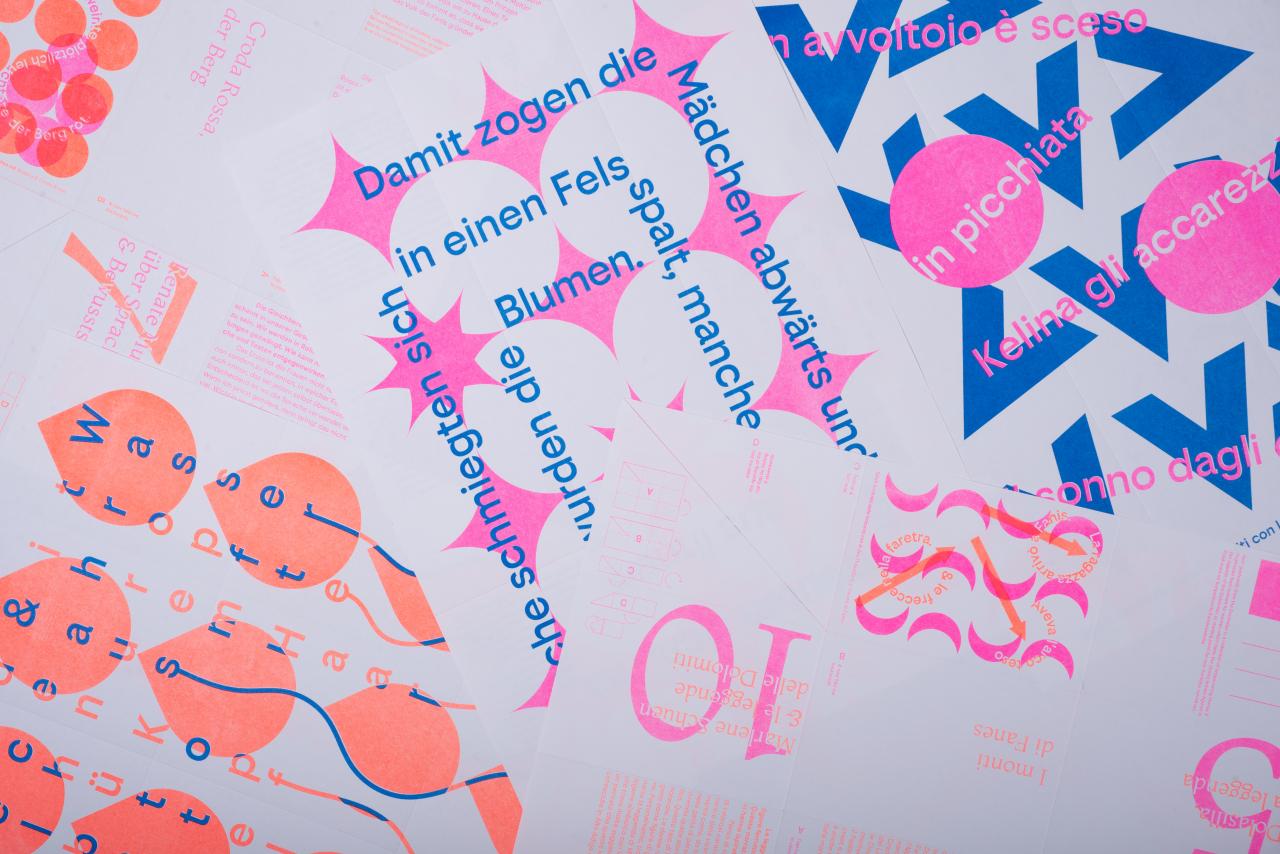
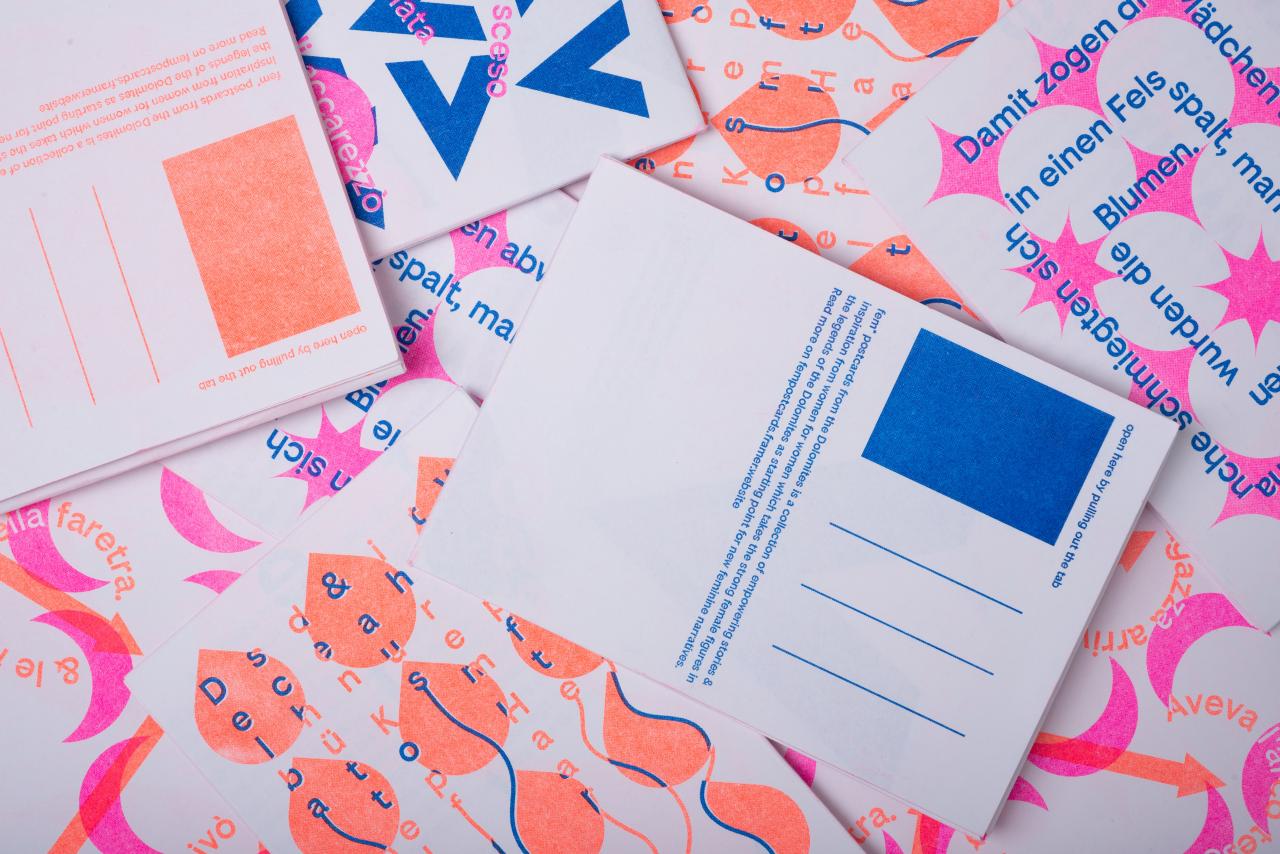
We also take a forward-thinking approach to materials and production. Through innovative graphic design and Risograph printing, we aim to establish a new print culture in the region—one that encourages long-term engagement with printed materials. Instead of producing disposable media, we create print products designed to be kept, appreciated, and reused. Our publication takes the form of a poster—merging compelling aesthetics, high-quality content, and durable materials to ensure its place in everyday life. In this way, we not only promote meaningful artistic expression but also contribute to a more sustainable and conscious approach to print culture.
Key objectives for aesthetics and quality
Key objectives for inclusion
Beyond the publication, we foster connections among readers to build meaningful relationships. True transformation happens through collaboration, open communication, and genuine interpersonal relationships. Our initiative challenges the notion that access to information and networks should be tied to financial means. In a world where knowledge and connections are often commodified, our project stands out by offering valuable, thoughtful, and sustainable content without financial barriers.
Furthermore, our initiative provides a platform for like-minded individuals to come together and actively shape a more vibrant, diverse, and inclusive regional community. By fostering dialogue and exchange, we empower people to contribute to a positive societal shift—one that embraces diversity, accessibility, and shared creativity.
Reflecting the linguistic diversity of our region, the publication features contributions in German, Italian, and English, helping to break down language barriers. We also ensure an inclusive selection of contributors and require non-discriminatory and gender-sensitive language as a fundamental standard.
Another key aspect is the accessibility of high-quality design. We aim to make beautifully designed objects available to everyone, sharing art that doesn’t need to be expensive but offers aesthetically refined pieces in an accessible way.
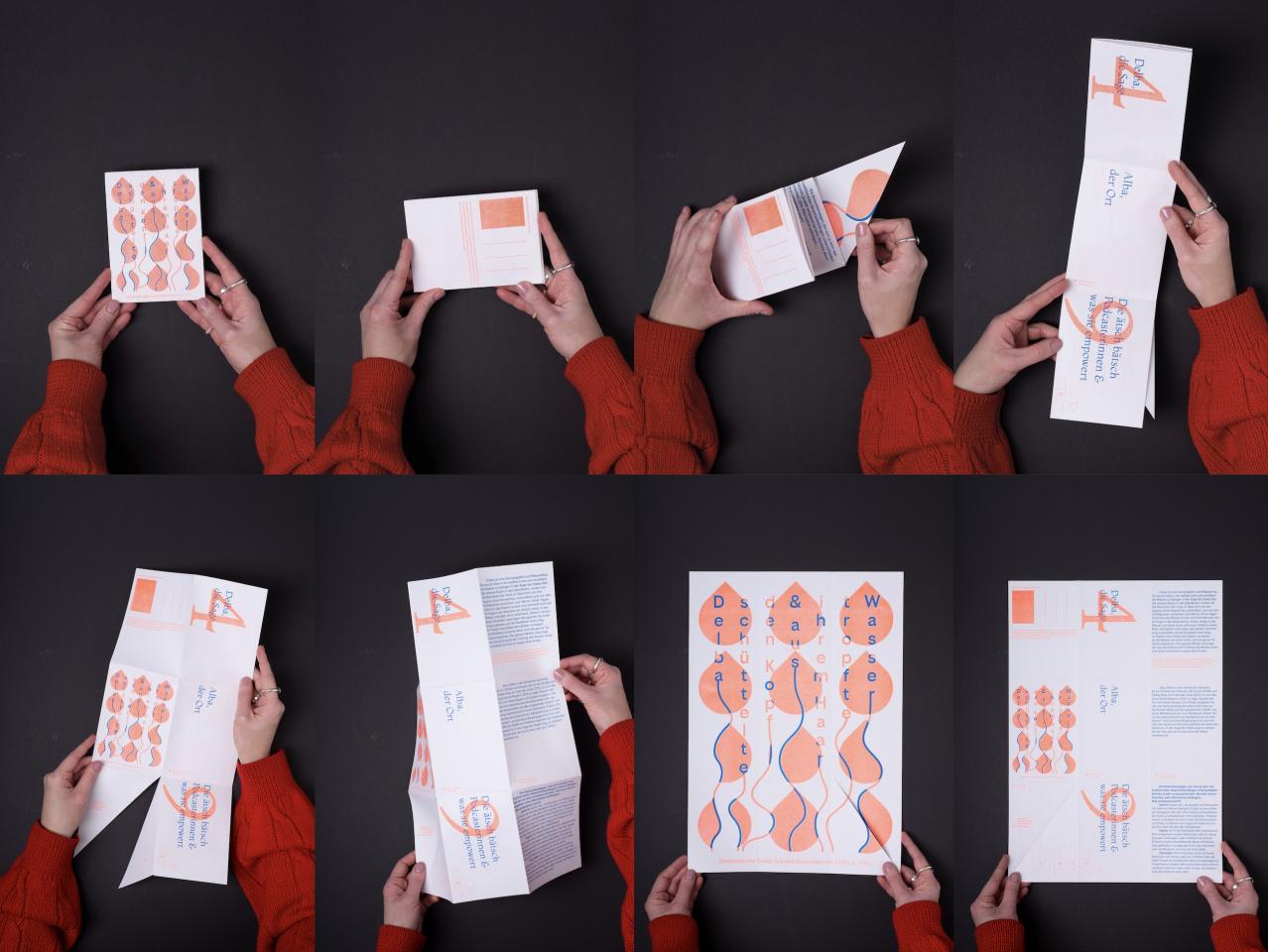
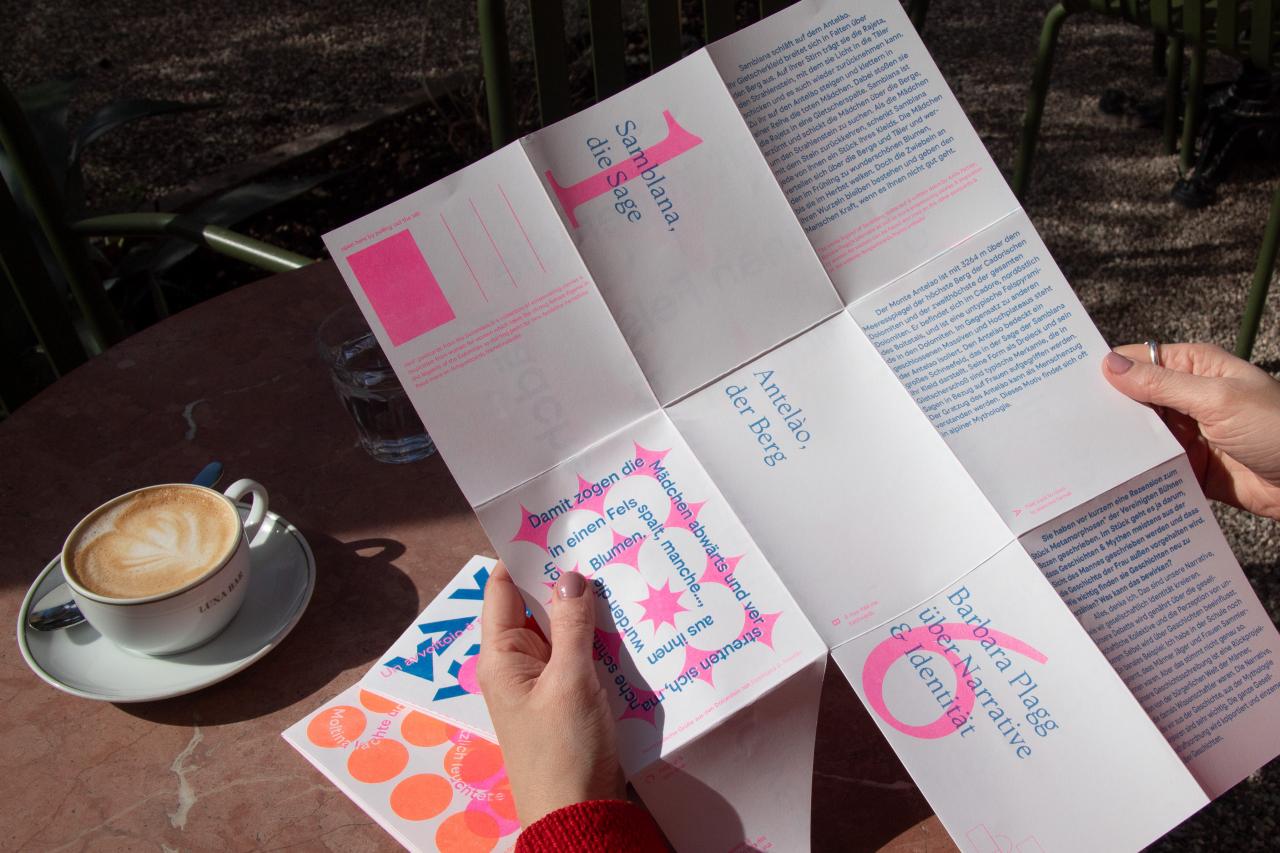
Each issue features an artistic work on the back, which unfolds into a poster, so that everyone gets a work of art.
How Citizens benefit
The citizens who actively participate in content creation play a key role in shaping the project. Each issue focuses on specific topics, explored through various forms of expression, such as poems, song lyrics, essays, and interviews. This diversity not only stimulates dialogue but also encourages a deeper engagement with social issues, allowing people to view them from multiple perspectives. By contributing their ideas, citizens actively shape the discourse and direction of the project.
Through interviews with artists, musicians, activists, and other cultural figures, we offer a platform for voices that shape and challenge cultural narratives. These conversations provide insights into the creative and intellectual processes of those shaping society, adding to the diversity of viewpoints presented. In this way, the project becomes a dynamic space for cultural exchange and alternative ideas.
Our content is aimed at South Tyroleans who care about issues like social justice, cultural diversity, and sustainability. This extends to South Tyroleans outside the region, ensuring a wider conversation about values, diversity, and social responsibility. By involving people from different backgrounds, we foster a collective dialogue that encourages understanding and cooperation. This participatory approach strengthens social cohesion and promotes a fairer future for all.
Physical or other transformations
Innovative character
Disciplines/knowledge reflected
Inclusive governance is another central aspect of our project. We engage citizens in decision-making through participatory formats, ensuring diverse voices are represented. This collaborative approach helps strengthen the social fabric, encourages community-building, and fosters a sense of shared ownership over the project. By giving everyone a voice, we promote democratic dialogue and collective action.
We also embrace the principles of design for all, ensuring that our content, events, and initiatives are accessible to people with varying abilities and needs. This includes offering alternative formats and ensuring both physical and digital accessibility, making participation possible for everyone.
By prioritizing accessibility, affordability, inclusive governance, and universal design, we aim to create a model that can inspire other initiatives. This approach demonstrates that cultural projects can be both socially inclusive and economically sustainable, offering a transformative blueprint for fostering inclusive, sustainable societal models.
Methodology used
How stakeholders are engaged
On a local level, we will collaborate closely with artists, activists, cultural organizations, and institutions. This includes partnerships with BASIS Vinschgau Venosta | Social Innovation Hub, the Free University of Bozen-Bolzano's Faculty of Design and Arts, and franz.lab, a small independent publishing house in the region. These stakeholders will contribute their perspectives and help create content that authentically reflects the realities of South Tyrol. Through events, workshops, and public discussions, we will foster active exchange, ensuring the project's content remains connected to the local community and relevant to the issues at hand.
At the regional level, we will collaborate with local authorities and cultural institutions to ensure that the project aligns with the broader goals of regional development. Their support will help us expand our reach and utilize resources to grow our activities.
At the European level, we aim to use the project as an opportunity to establish South Tyrol in the cultural sphere internationally. By participating in European networks and transnational initiatives, we will challenge the stereotype of tourism as South Tyrol's sole defining characteristic and present a broader, more diverse cultural identity. This will not only allow us to build new partnerships but also position South Tyrol as a cultural actor in the European context.
The involvement of these various stakeholders at multiple levels will enrich the project, providing a broad perspective and strengthening its impact both locally and internationally.
Global challenges
One of the major global challenges is environmental sustainability. By using eco-friendly production methods, such as risography printing, we reduce energy consumption and resource usage compared to traditional printing techniques. This helps minimize our ecological footprint and supports the global shift toward sustainable practices. We also embrace circular economy principles to reduce waste and promote responsible practices, offering a local solution that can be applied globally.
We confront social inequality through our solidarity-based financing model, ensuring that everyone, regardless of financial means, can access our content. This approach fosters social inclusion by removing financial barriers and creating equal opportunities for participation. By involving marginalized voices in content creation and public discourse, we raise awareness of social justice and inclusion, making our platform a space for diverse perspectives.
Another key challenge is cultural homogeneity. In a globalized world, local cultures often risk being overshadowed by dominant forces. Our project promotes cultural diversity and critical thinking, offering a space for alternative viewpoints. This supports balanced cultural representation and helps preserve local identities while contributing to a more inclusive local culture.
Finally, we tackle community disengagement and social fragmentation. Through participatory content creation and dialogue-based events, we foster community-building and strengthen social cohesion. This approach connects individuals and ensures communities are resilient in facing challenges.
In conclusion, our project provides local solutions to global challenges, combining sustainability, social inclusion, cultural diversity, and community engagement to create positive impact.
Learning transferred to other parties
One central element that can be adopted is our participatory methodology. By involving local communities, artists, activists, and marginalized groups in content creation, we foster a sense of responsibility and inclusion. This model can be applied in other regions to promote the exchange of local issues while considering diverse perspectives. The focus on dialogue and critical thinking can be adapted to different contexts, whether urban or rural, or within culturally diverse communities.
Our solidarity-based financing model is another element that can be applied to other projects. Through voluntary donations, we ensure that everyone, regardless of financial means, has access to the content. This approach can be used in other cultural or social initiatives to promote inclusion while maintaining financial sustainability. The idea of breaking down financial barriers is a valuable strategy for projects aiming to reach a wide audience.
The sustainable production methods we use, such as risography printing, can also be adopted by other initiatives looking to reduce their ecological footprint. We demonstrate that environmentally friendly processes can be successfully integrated into cultural production, offering a model for other organizations aiming to reduce their impact.
Additionally, there is the potential to expand our model into a website. However, the focus should remain on the analog version initially to reach a broader audience and foster personal experiences and local networking.
Overall, the combination of inclusive governance, accessible financing, participatory design, and sustainable practices creates a flexible framework that can be applied in various cultural, geographical, and social contexts, providing valuable insights and an adaptable model for others.
Next steps
As a first step, we will print and distribute the inaugural edition of our newsletter while simultaneously building a strong community. Our goal is to connect as many people as possible and ensure broad access to our publication, creating a dynamic network of engaged readers and contributors. In July, the project will be presented at Basis Vinschgau Venosta, Social Activation Hub. This event will introduce our initiative to a wider audience, increase visibility through press coverage, and establish the project as a meaningful cultural contribution to South Tyrol. More than just a presentation, it will serve as a key community-building moment, helping us connect with potential future contributors—writers, artists, and creatives eager to enrich the newsletter with their perspectives. Throughout the following year, we will continue printing and distributing our planned editions, maintaining regular engagement with our audience. Our aim is to create a steady rhythm of publication that keeps readers informed, inspired, and involved. Towards the end of the year, we want to host gatherings and events to bring together readers, authors, and supporters, fostering dialogue, creative exchange, and new collaborations. We hope these events can be organized in partnership with Basis Vinschgau Venosta or other cultural centers in the region, which will provide valuable support and a physical space for discussions and creative engagement. By combining print with real-world interaction, we ensure that our project is not only informative but also participatory and deeply rooted in the local community. Looking ahead, we will refine and expand our approach based on audience feedback. Our vision is to develop a sustainable platform that fosters inclusivity, challenges conventional narratives, and redefines engagement with print culture.